The Multiplication Staircase

Grandpa strode into Rosie’s hospital room with a handful of daisies.

“I brought you some flowers today, Rosie,” he said. He grabbed a tall cup from a side table and stuck the flowers into the water in the cup.

Rosie smiled and scooted up in bed, pulling her two leg casts with her. She was happy to talk to someone who wasn’t a nurse or a doctor.

“I used my imagination this morning to make up a new story for you,” said Grandpa.

“I’m ready to hear it!” replied Rosie.

So, Grandpa began.

“A girl named Rosie lived in a house that was older than her grandmother, a cottage with a brick staircase leading up from the street. On both sides of the stairs, hydrangeas grew in the spring and summer under the shade of ancient redwood trees that stood like giant sentinels guarding the home.

“Every front yard on Rosie’s street had one or two coastal redwoods, native trees that had been planted when the houses were built in the early 1900’s. None of the houses matched, but all looked cozy with open front porches; low-pitched gable roofs; and earth-toned sidings of wood, stone, or brick.  The street, Hawthorne Terrace, was a tidy three-block stretch of narrow sidewalks, and, on the east side, a 43-step stone staircase that descended to Euclid Street where, her mother told her, a street car once stopped to take passengers to San Francisco. 

“Rosie had spent the eight years of her life walking around the winding streets and staircases of her neighborhood with her mother. Now, she was in third grade, and every day when she walked from school to home, she paused on Buena Vista Way, at the top of a hill, where she could view San Francisco Bay—Oakland’s downtown, the Bay Bridge, San Francisco’s ever-changing skyline, the small and big islands in the crystal blue water, and the Golden Gate Bridge.

 “But that day, she was lost in thought. Rosie had failed her math test.

“Failed.

“She couldn’t remember her multiplication tables. When she had stared at the test, the numbers got jumbled inside her head. She became confused and scared.

 “Rosie turned right on Euclid as a tear dropped onto her cheek. She wiped it off quickly with her fingers and took a sharp left to ascend the 43 steps to Hawthorne Terrace. She grabbed the black wrought-iron railing and pulled each foot up the cement stairs one by one. Usually, she counted the stairs to make the trek easier, but, that day, she was worried about how to tell her mother she had failed.

“Suddenly, Rosie slipped. Her body twisted away from the rail like a flag whipped by wind around a pole. Hanging by one arm, she swung back and rammed into the railing’s vertical bars. Finally, she let go of the banister and fell hard onto a cement stair, her legs tangled beneath her.

“How did Mom climb the stairs without falling when she walked to the store or caught the bus on Euclid Way? Rosie always ran out of breath before she reached the top and, often, she fell and scraped a knee or grazed her hands.

“Mom was snipping the hydrangeas in the front yard when Rosie finally reached home. ‘Hey, buddy, how ya doin’?’ Mom said, standing up from her garden stool, her hands clutching a pair of shears. The hydrangea bushes bloomed with vibrant pink blossoms behind her—the flowers like ballerina pink tutus on a crowded stage. A pail of old blossoms stood next to the stool.

“Rosie looked down at her shoes, one untied, the shoe string dragging behind her.

“’What’s up?’ Mom laid her shears on the stool, stepped over to the stairs where Rosie stood, and put her arms around her. ‘Did something happen at school today?’ she asked, lines furrowing her brow.

“’You’re going to be disappointed,’ Rosie said, staring but not seeing anything.

“’Tell me anyway,’ Mom said. ‘Otherwise, I can’t help you.’

“Rosie sat down on the brick steps next to Mom. ‘I failed my math test. I can’t remember my multiplication tables’ she said, wringing her hands in her lap. ‘Not only that, when I was walking home, I fell, bloodied my leg, and scratched my arm.’ Rosie rubbed her hip and showed her mother her injuries.

“’Hmm,’ said her mother. ‘I have an idea. Let’s first have a snack and rest. Then, I’ll help you figure this out.’

“Rosie and her mom ate slices of apples and cheese while they sat on the front porch watching the bees flitting among the hydrangeas. Rosie described how she had painted a pink hydrangea with dots of watercolor paint during art time.  ‘I can’t wait until you see it, Mom,’ Rosie said, her face lighting up as she spoke. ‘It’s really good. I used a leaf coated with green paint as a press to make the flower’s leaves.’

“Her mom put her arm around her shoulders and squeezed. ‘I can’t wait to see it. We’ll frame it when you bring it home.’ Her mother then rubbed her hands together and wiped them with a napkin. ‘Now, it’s time for your math lesson,’ she said. ‘Let’s take a walk.’

“’What?’ Rosie looked up at her mother with a question on her face.

“Rosie’s mom stood up and reached for Rosie’s hand. She pulled Rosie to her feet and they walked down the brick stairs together.

“’Where are we going, and what does a walk have to do with math?’

“’You’ll see,’ said Rosie’s mother. When they reached the narrow street sidewalk, they turned left and walked north where another set of stairs on the street rose up to Scenic Avenue. This staircase was made out of thick eight-foot-wide old railroad tie planks, each dark step set into the hill and secured with huge iron bolts. The stair rail was built out of redwood posts with a diagonal lattice in-between. Rosie’s mother sat down on the bottom step and gestured for Rosie to sit down next to her.

“’Aren’t we going to climb the stairs?’ Rosie asked, rubbing her forehead with the back of her right hand.

“’We will,’ said her mother. ‘When you’re ready.’

“Rosie sat down.

“’Multiplication tables are like addition which repeats itself,’ said Rosie’s mom. ‘We’re going to practice the two-times-table while sitting on this step.’

Rosie looked up at her mother out of the corner of one eye. ‘Hmmp!’ she said.

“Rosie’s mother held up two fingers. ’Two times one is just a single two. Two times two is two twos.’ She held up two fingers with her other hand. ‘If I count them—one, two, three, four, I find out that I’m just adding two—two times.’

“’That makes sense,’ said Rosie. She nodded her head and counted her mother’s fingers.

“’If I add two more, I have six,’ said her mother.

“Rosie felt a flutter in her chest. ‘And another two is eight. Another two is ten. Six-twos is twelve! This is easy!’

“Rosie and her mother sat on the bottom step while Rosie figured out how to multiply two from one to twelve. Her mother tested her several times and soon, she wasn’t making any mistakes.

“’Time to move,’ said Rosie’s mother. She inched herself up to the next big step. While they sat on the second step, Rosie practiced the three times table. Rosie used her fingers at the beginning, but pretty soon she was seeing the number three multiply in her head, and she soon memorized all the threes up to twelve.

“’Let’s go up,’ said Mom, scooting up one more stair.

“The breeze felt good on Rosie’s face and the velvety, seashell-shaped gardenias blooming on the bushes nearby filled the air with an exotic perfume. Rosie memorized the four times table in less time than she had learned the three times table.

“’One more up,’ said Mom, lifting herself with her arms to the next step.

“First, Rosie’s mom counted in fives. ‘5, 10, 15, 20, 25, 30, 35, 40, 45. Can you do that?’ She asked Rosie.

“’I don’t know,’ said Rosie, but she tried anyway. ‘5, 10, 15,’ counted Rosie all the way up to 60.

“’You just gave me the answers to all the five-time tables,’ said Rosie’s mom.

“Rosie’s eyes opened wide. She started with five times two and the rest were easy. Before her mom could even move, Rosie rolled herself up to the next step.

“Rosie worked hard learning the six-, seven-, eight-, nine-, and ten-times tables. Each time she completely memorized a number’s table, she and her mom moved up another step. After ten, they practiced the elevens. After the hard elevens, they practiced the twelves. By the time Rosie had memorized the twelves, her stomach was growling. It was almost dinner time.

“’The final challenge,’ said Rosie’s mom, rising to the next step. Rosie followed her.

“On each successive step, Rosie’s mom tested her with a time table from two to twelve. Rosie got all the answers right until she got to 11 times 11. Her mind went blank.

“Rosie’s mom smiled as if she didn’t have any worries at all. She worked with Rosie on the same step while Rosie reviewed all the answers for the 11 times table.  Then, Rosie’s mom tested her again, ‘What’s 11 times 11?’ she asked.

“’121!’ shouted Rosie, clapping her hands together and raising them above her head like a champion.

“’Up to the last stair!’ said her mom. When her mom tested her with 12 times 7, Rosie got the right answer. ‘You’ve won the championship of the staircase times tables!’ her mom said, clapping wildly.

“Rosie shook her head in disbelief. Just a few hours ago, she had been crying about failing her math test, and, now, she knew she’d never fail a multiplication test again. ’How’d I do that, Mom?’

“’You did it by climbing one step at a time until you were ready for the next one,’ said Rosie’s mom. It is really that simple.’”

Grandpa folded his hands in his lap in the chair beside Rosie’s hospital bed.

Rosie looked into his hazel eyes. “I need to learn my multiplication tables, too.”

His eyes glittered like a green field wet with raindrops. “You won’t have any trouble at all. My imagination just showed you how to learn them.”

Grandpa put on his beret, stood up from his seat, bent over, and kissed Rosie on her forehead.

Rosie threw her arms around his neck. “Your imagination is a genius!”

“See you tomorrow,” he said.

After Grandpa left, Rosie looked out the window at the cloudless blue sky that rose upward into forever and ever. She imagined all kinds of staircases up there: wooden, cement, tile, and marble ones; ascending and descending stairs; steps with flowers growing through their cracks; stairs in the rain; stairways filled with people feeling joy and sadness; and steps full of families and friends. So many kinds.

But it didn’t matter how many stairs there were. She now knew how to climb them, one step at a time.

Armistice Day Duck Hunt, 1940

Armistice Day, 1940 is remembered as the day a fierce storm altered the lives of hundreds of families living near the Mississippi River in Winona, Minnesota.

The ducks hadn’t flown down from Canada as they usually did each fall, flocking to the soggy islands and inlets of the Mississippi on their way south to avoid the bitter cold of the north. After weekends rowing their skiffs in vain through the currents of the river, hunters came home empty-handed. Instead of golden-breasted ducks for Sunday dinners, wives substituted farm hens or smoked sausages from the icebox.

There was talk, though, that on Armistice Day, the ducks were coming. Leon heard it from his friends at the Brom Foundry. After church on Sunday, it was the main topic of conversation.

The night before November 11, Leon cleaned his shotgun and packed a lunch of three bologna and cheese sandwiches and a thermos of coffee.  The next morning, he dragged his skiff away from the dock of his boathouse at Minnesota City and paddled over to an island near Twin Creeks before the sun slit the horizon.

Hundreds of other men joined him. They wedged their canvas-protected bodies in sand pits and damp gullies. Gusts of wind and promises of the ducks’ imminent arrival blew in from the south and west.

About eleven that morning, the ducks came, their forms propelled by the wind as they soared over the hunters’ heads. Thousands covered the sky like a swarm of disturbed bees.

The men pointed their shotguns at the flocks, took aim, and fired repeatedly.  They hardly contained their joy as masses of plumage fell to the ground. Leon was so preoccupied, he didn’t notice, at first, how fierce and cold the winds had become.

By early afternoon, his hands were so stiff, he couldn’t hold his rifle, much less point the barrel and shoot. He started to pick up the dozens of ducks around him, but lost interest as the winds threw him to the ground and curled down his neck into his bones.

Within hours, temperatures dropped more than 50 degrees and winds reached 80 miles per hour. Water skated over the great river like sheets of glass and soaked Leon and other hunters on the unprotected island. Angry waves beat the men’s canvased bodies and gripped them with a hurtful cold. Their fingers numbed; their noses and cheeks became frost-bitten.

Leon, his friend, Gerald, and three other men used their boats as shields against the wind. They squatted behind the tin defenses, ducking their heads and scrubbing their gloves together. Leon shouted out to Gerald about lighting a fire. Gerald shook his head, his eyes filled with fear.

Finally, Leon poked his head over the rim of his upturned boat, awkwardly aimed his gun, poked a numb finger in the trigger, stiffly pulled it back, and shot at the branches of a dogwood tree. Again and again, he volleyed until a branch fell, lifted by the gale on the way down. At first Gerald watched, then he aimed and shot, too, and after about twenty minutes, several more branches had collapsed to the ground.

Leon and Gerald gathered the branches while the other men huddled behind their boats. Leon waved to instruct the men to create a circle with their boats, the open sides facing inside. Leon and Gerald then arranged the branches in the center of the circle and lit a fire, Gerald using the lid of an ice chest to buffer the lit match against the wind.

Outside the circle of boats, winds blew snow into steep drifts as the daylight waned. Between the trunks of trees and knives of rain, Leon saw other hunters crouched near the ground, their arms crossed against their chests, their heads bent so low that their necks looked broken. One man was layingh with his back against a stump, his head thrown back, his mouth open. His hair was stiff in the rain. His eyes were closed.

The sky darkened quickly. Leon no longer could see the men among the trees. The rain turned colder and hit his face like steel pins. Even the darkness felt frozen.

Between slices of rain, Leon saw shadows crawling on their hands and knees toward the black river. They moved like crabs, their arms and legs clumsily dragging across the mushy ground and one by one tumbling over the banks into the gloomy abyss of water.

Leon’s group of men huddled around the fire inside the circle of skiffs, beating their hands until they were bruised and blue. They lost feeling in their limbs. Sometime in the middle of the night, they pulled the boats closer together for more protection and waited in bleak darkness.

The hours of fear and oblivion dragged on and on, and, when Leon could barely stand the cold, he howled into the wind like a wolf. His voice, unheard by his companions, warmed his chest. He squatted, then sat, then laid inside the rim of the boat, hoping that movement would keep his blood from freezing. When he could focus his thoughts, he pictured his wife—Lily’s face as she peeled cucumbers over the sink, her farm apron hitched around her thick waist. He imagined the blonde heads of his five children. Their faces bobbed in his mind like balloons, and then they were lost again.

Finally, daylight touched the eastern side of the river like a glimmer of hope. As the sky brightened, the icy rain unfroze. The gale-force winds relaxed, and the men felt their bodies unthaw like slabs of beef. They let the rain put out the fire, then crawled out of their makeshift hut of skiffs and started for home.

As soon as the sun came up along the Mississippi River, relatives gathered at boat docks for news of their men. Planes droned overhead searching for life and dropping packages of sandwiches, whiskey and matches where they found it. Parties of men in boats with broken motors paddled with difficulty out to the islands. They returned with chilled and shriveled hunters, breathing, but frozen with dreams of death.

Leon rowed up to the Minnesota City boat dock by himself. From the riverbank, his eleven-year-old son, Paul, watched him guide a strange boat alongside the pier, stiffly throw its rope around the post, and crawl onto the ledge. Once safe, Leon laid face up on the wood, his arms and legs askew. He didn’t move for a full five minutes.

Finally, Paul ran down the bank and down the pier until he reached his father. “Dad, Mom was scared. She prayed the rosary all night. Us kids fell asleep, but when I woke this morning, she was still sitting in her rocking chair, praying.”

Leon looked up at Paul’s face. His blonde hair was covered by a wool cap. He wore a parka and gloves. His cheeks and nose were red. Even dressed for winter, he was skinny.

Slowly, Leon positioned himself on his hands and knees. He put one boot down, and stood up by pushing himself up, first on his elbows, then his hands, then knees, and finally to his feet.

When he put his arms around Paul’s 11-year-old body, his heart thawed.

He had made it home.

ADAPTED FORTUNE COOKIE WISDOM

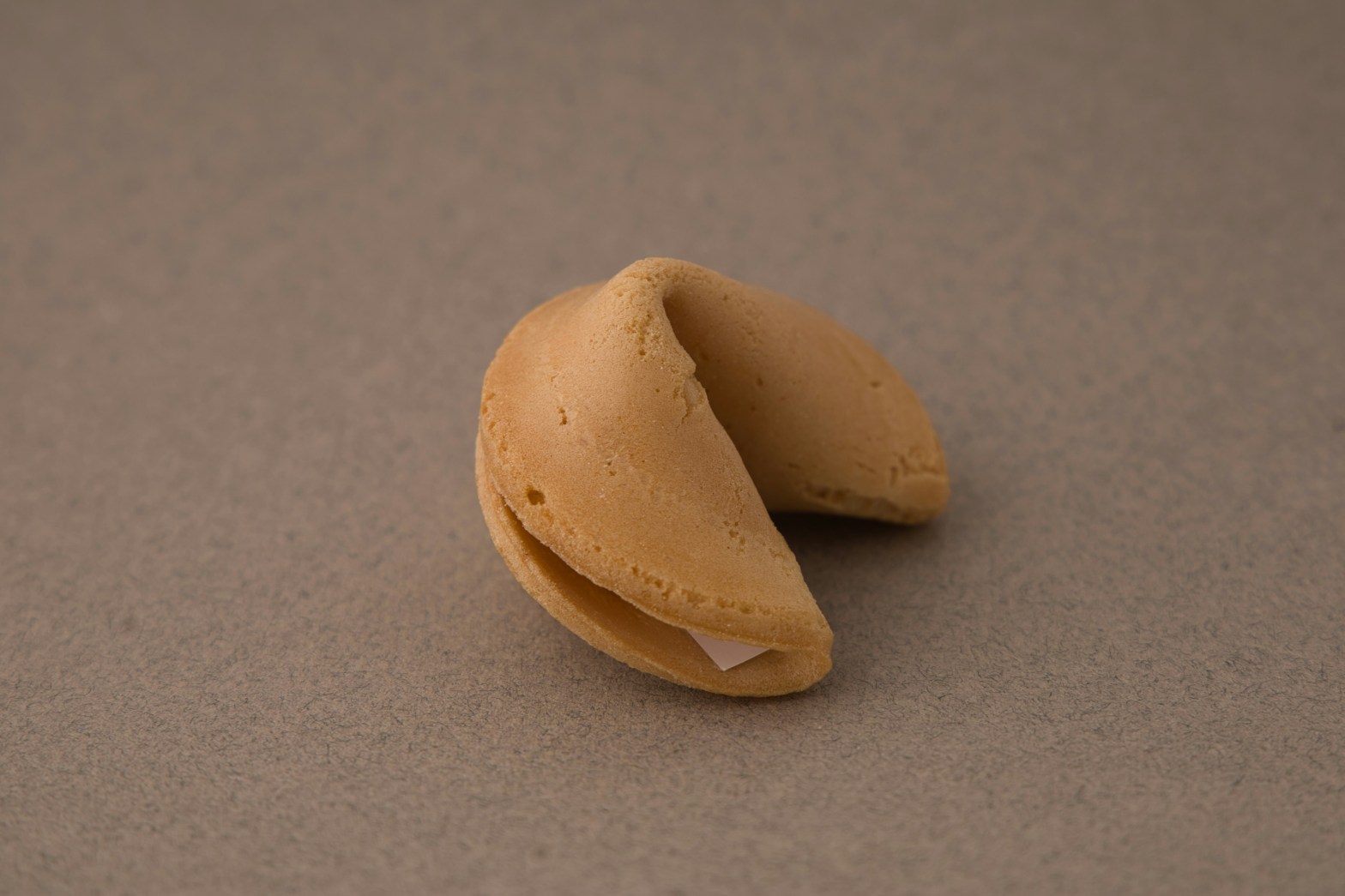
Today, I broke open a fortune cookie to find this fortune: “The really great man is the man who makes everyone feel great.” Since I’m a woman, I immediately changed “man” to “woman” so that I could apply it to myself. Then, the more I thought about it, the more I liked my “adapted” quote better.

When people think about the great characteristics of men, they often include “leadership” as one of those traits. Not so for women. Good traits for great women often include self-effacement, submissiveness, sweetness, and obedience.

I inserted “woman” in this fortune to point out that women don’t have to be doormats or voiceless handmaidens to bring greatness into the world. In contrast, women who act as spineless or voiceless females hurt and limit the potential of both themselves and men. I know women who are their family’s breadwinners, but who still allow their husbands to act as the “head of the family.” I also know women who are treated so badly in their relationships that they have no power whatsoever—no equal voice in their marriage, no personal confidence, and no respect from their children. These situations occur when men act as insensitive partners and women allow men to control and diminish their lives.

Women can be transformative leaders, but it’s going to take a global village to make that become a natural expectation.

 I’ve spent the last five years writing my first novel, Learning to Whistle, about a woman finding her personal power, something that all women struggle to do. My novel is coming out on April 7, 2026 by She Writes Press, a publisher that has been a true blessing in my life.

Through the community of She Writes Press, I’ve learned about the countless ways that women and men can boost the success of women. First of all, I’ve learned that publishing is a process. Experiencing the progressions of editing, rewriting, re-examining, publicizing, and sharing success has given my writing life a bigger vision to follow. With my new perspective, I will forever learn better ways to express myself and to make a difference. My writing career isn’t dependent upon how much I publish, but, instead, about how I nurture my own heart and how many other souls I raise up.

I’ve learned about the power of community and that people who promote the success of others experience their own greater rewards. I’ve cheered for my fellow She Writes Press authors when they win awards and followed their social media pages. I’ve purchased their books, read them, and written reviews.

But, in return, I’ve received immeasurable benefits. Through my fellow She Writes Press authors, I’ve found a reputable company to publish the audio book of my novel. Through Brooke Warner’s Substack posts, I’ve discovered great memoirs, such as Joyride by Susan Orlean and All the Way to the River: Love, Loss, & Liberation by Elizabeth Gilbert, which have exposed me to examples of the grit it takes to be a successful author. Warner also connected me to Jane Friedman, who publishes her own writing blog and offers numerous writing classes. My publicist, Caitlin Hamilton Summie, introduced me to podcasts and blogs that promote writers such as Compulsive Reader that, on December 28, 2025, published an interview of me by my daughter, Rachael Brandt at https://compulsivereader.com/2025/12/28/an-interview-with-tess-perko/ on December 28, 2025. Hamilton-Summie also connected me to the author Suzanne Simonetti, who writes alluringly realistic tales about women and their struggles—good writing I can emulate.

I don’t suppose anyone will ever label me as a “great” woman, but, then again, I don’t seek fame. I seek to be—not a doormat, not a handmaid, not only a mother, not merely a wife, not solely a friend—but a full participant in the human race who happens to have the valuable perspective of being a woman.

What am I going to focus on in 2026—polishing my leadership skills until I lead with grace and ease.

Marketing My Book My Way

My first novel will be published early next year, which means I’m in the middle of marketing it. I’ve scoured social media to follow how other authors are approaching this process, but instead of finding comfort in the knowledge about what others are doing, I’ve become anxious that I’m not doing enough. I have a publicist that has guided me through the process of obtaining blurbs and is continuing to coach me through a Kirkus Review and social marketing as my publishing date approaches, but other marketing individuals and organizations have tried to convince me that I should be doing much more than I am.

This predicament has resulted in some soul-searching. Was I doing enough? Did I need to hire more marketing experts to make sure I was getting as much publicity as possible?

What I concluded was that I needed to stay focused on what I was comfortable doing even if it meant I did less marketing than other authors. My goal is for my publishing process to be a joyful experience more than a financial windfall, so I plan to eliminate anything that creates stress or unpleasant experiences.

Grounding Myself

Meditation has always been an important way for me to stay grounded when people or situations bring anxiety into my life. As part of my morning routine, I spend about ten minutes taking deep breaths to create a calm and positive attitude toward this marketing process. Throughout the day, if I notice stress building up in my body, I take more deep breathes to wipe it away.

Avoiding Pressure and Competition

I still examine Facebook and other social media sites to get ideas about what other writers are doing, but, now, I make a conscientious effort not to pressure myself or to compare my situation to anyone else. For example, one author I know traveled across several states to convince independent book stores to carry her book. Another author went on a nine-week book tour, visiting several book stores and other venues. When I see this kind of reporting, I remind myself that I’m only willing to do what feels joyful to me.  

My approach is like a treasure-hunt. If I see an idea for marketing that someone has done, I picture myself doing it. If I think it will make me feel happy about my book, I’ll add it to my marketing plan.

Refusing Comparisons

I have no dreams of becoming a New York Times best-selling author. The only thing I care about is that the women who read my novel feel better able to cope with a difficulty in their own lives as they read about the trials of my protagonist. I’ve wanted to write a novel for decades and I’ve finally done that. If it helps make someone’s life better, then I’ve achieved my goal.

Building a Sentence, Step by Step

Photo by Dmitry Shamis on Unsplash

You know what excites me? Crafting sentences that overflow with content and brim with alluring vocabulary. When I read Stanley Fish’s book, How to Write a Sentence and How to Read One, I became giddy with pleasure, thinking about all the future memorable sentences I could write. In one chapter, Fish demonstrates how to expand a four-word basic sentence into one that reveals character, moves the plot, and illustrates how the setting affects a story. Let me show you what he suggests with my own example.

My basic four-word sentence is: her brother went to the meeting.

Now, if I want to build the character of the brother, I must say something about him. Here’s my first addition: her brother, a tall and lanky 56-year-old with a cantankerous and rude demeanor. But I could say even more. Here goes: her brother, a tall and lanky 56-year-old with a cantankerous and rude demeanor who always arrived twenty minutes late to every appointment and made excuses for his tardiness. Now, the reader knows that this guy is unpleasant and too arrogant to take responsibility for his short-comings.

Next, let me tackle how he went to the meeting. I replace the verb “went” with a more exact one and add some related information: her brother, a tall and lanky 56-year-old with a cantankerous and rude demeanor, who always arrived twenty minutes late to every appointment and made excuses for his tardiness, rolled his wheelchair across the snow-packed sidewalk in thirty-degree weather, wearing a down jacket, gloves, wool hat, and earmuffs. Not only does this addition explain how he got to the meeting, but under what conditions. It also infers that he was determined to go since driving a wheelchair over the snow in freezing weather is tough.

Ok, home stretch here. Let’s finish by adding something about the meeting: her brother, a tall and lanky 56-year-old with a cantankerous and rude demeanor, who always arrived twenty minutes late to every appointment and made excuses for his tardiness, rolled his wheelchair across the snow-packed sidewalk in thirty-degree weather, wearing a down jacket, gloves, wool hat, and earmuffs, to get to his AA meeting. Whoa, I only added one more word, here, but a term full of meaning and content. Now, the reader might associate the brother’s tetchy deportment with his alcohol problem that he is struggling to overcome.

I like this sentence so much I’m going to paste it on the bottom of this post, so I can admire it. Happy sentence-crafting to you, too.

Her brother, a tall and lanky 56-year-old with a cantankerous and rude demeanor, who always arrived twenty minutes late to every appointment and made excuses for his tardiness, rolled his wheelchair across the snow-packed sidewalk in thirty-degree weather-wearing a down jacket, gloves, wool hat, and earmuffs-to get to his
AA meeting.

by Tess Perko

Reference: Fish, Stanley. How to Write a Sentence and How to Read One. Harper. 2005.

Five Ways to Read Like a Writer

Photo by Michael Satterfield on Unsplash

When I was a child, I sat in a corner on the floor, reading fairy tales and getting lost in the dreamy and, sometimes, cruel, plots. I wasn’t yet a writer.

Now that I AM a writer, I read differently. I give myself permission to stop anywhere to observe the author’s craft. Here are five things I do.

Make Notes in the Book

I read books on my Kindle and via paper. The reason I use a Kindle is that it’s easy to hold while reading in bed. But, if I find an author whose writing I want to analyze, such as Barbara Kingsolver’s Demon Copperhead, I buy the paper version, and I write notes in it. Notes are better than highlighting since they help me remember why I marked a particular sentence. I’m not going to give the book away since I know I’ll come back to it over and over again to think about Kingsolver’s wording, sentence placement, or plot twists.

Look Up Words

Building vocabulary is a lifetime endeavor. I’m always finding new words while I read, especially when I read authors from other countries such as England and Australia. Different cultures seem to emphasize different vocabulary. For example, the other day, I came across the word “palaver” which means a prolonged and idle discussion. I look these words up, but I don’t take the paper dictionary off the bookshelf to do this. I’ll either use the dictionary feature on my Kindle or a dictionary app on my phone to make the task more efficient. Then, I’ll think about how the word fits into the author’s sentence and also how I might use it in my own writing.

Think about Word Choice

In Demon Copperhead, Barbara Kingsolver begins Chapter 40 with this sentence: “One look at her and I was gone” (319). The word that caught in my throat was “gone.” When I read it, I couldn’t wait to read the rest of the chapter. I had to find out what she meant by it.

That’s how powerful one word can be. I want to be the kind of writer that can use words to grip a reader, make her heart pump, send pulses through her body, and keep her reading. The only way for me to become better at this is to read how other writer’s do it. Which word does she choose? Where does she put it?

Evaluate How a Sentence is Structured

Believe it or not, sentence structure can make an action more compelling. Short sentences or phrases create tension or drama. Long sentences can paint a picture. Here’s a sentence from Demon Copperhead: “In my high-water jeans and the old-man shoes Mr. Peg had loaned me at Christmas, I joined the tribe of way-back country kids with no indoor plumbing and the Pentecostals that think any style clothes invented since Bible times is a sin.” This sentence not only describes what Demon was wearing, but it also says something about the two types of kids that he hung out with. In other words, it packs a punch.

Think about How an Author Uses Dialogue to Create Character

People don’t use the same words, have similar accents, or form identical sentences. Writers can say a lot about a character by creating dialogue that is unique to him or her. For example, in The Great Alone by Kristin Hannah, Large Marge says, “’Sit down or I’ll knock you down” (162). Large Marge is a big woman who is not afraid to threaten a man and her words illustrate this. If she was small or complacent, she would’ve said something completely different.

The Close

I can’t think of any better way to become a mature writer than to read voraciously. The true writer that gets excited about great prose.