In 1966 when I was nine, my family moved to England. My father was in the United States Air Force and he was stationed at Mildenhall Air Force Base in Suffolk County, about one hundred miles north of London. Queen Elizabeth II had already been queen of England for fourteen years.
My parents sent my siblings and me to an English Catholic school named St. Edmund’s in Bury St. Edmund’s. I started in Junior 2, and every day I had to dress in a blue uniform and tie a blue tie around the collar of my blouse.
By the time I entered Junior 3, I had developed some strong friendships with girls in my class. Elizabeth invited Ann and me to spend weekends at her historical English home in the countryside where we slept together in her late grandfather’s bed and heard the grandfather’s clock chime every fifteen minutes during the dark night.
Ann invited me to spend weekends at her house as well, where I learned the English custom of having tea each afternoon. We also walked for miles around the town of Bury St. Edmund’s exploring the 11th century, ancient ruins of the St. Edmundsbury Cathedral and the dark nave of St. Mary’s Church. We visited Moyses Hall and found ancient instruments of torture that had been used by former leaders of East Anglia. In Bury, I learned that history was a long story about the human race and its complicated nature. I learned about selfishness, arrogance, faith, power, tactics, and greatness.
In class, beside studying math and English, we memorized famous English poems and old songs that had enriched the English culture for years. In fact, the first tune that I ever played on the recorder was “Greensleeves,” an old English ballad first recorded in 1580 by Richard Jones. This unforgettable tune was mentioned in Shakespeare’s play The Merry Wives of Winsor, and also serves as a favorite Christmas hymn in England “What Child is This?” that I sang in church. Thinking about how I was exposed to ancient English ballads and Shakespeare at such a young age, it’s no wonder that I later became a college English professor who specialized in the Early Modern Literature of writers such as Shakespeare.
Since I attended English school during my elementary school years, I never learned American history until I went to college. Instead, I developed a deep interest in English history, all the way from the Anglos and Saxons who brought rudimentary English to the island, to William the Conqueror who established French as the language of English politics, to Henry VIII with his six wives, to Elizabeth I with her fierce independence which I admired, to Elizabeth II who I saw on television night after night shaking hands, breaking bottles on the hulls of ships, and opening parliament, dressed in regalia. I grew to know even more about her than John F. Kennedy who had been assassinated when I was in first grade.
Perhaps I was so attracted to Elizabeth II because she reminded me of my own mother, who was also calm and dignified. They both wore a fluffy, curled hairstyle, red lipstick, and pastel clothing. My mother liked to wear rings and she loved flowers and hats. If Queen Elizabeth needed a double, you could adorn my mother in her royal robes and priceless jewelry and put a scepter in her hand and no one would know the difference.
But their real similarity was their endurance and generosity. I watched my mother give love to my father for over fifty years as a consistent and reliable spouse. I watched her endure the deaths of her friends and her sister with tenderness and strength. I admired the way she loved all of her ten children regardless of their talents, mistakes, and weaknesses. She lived until she was 92 years old, and the last year of her life, she called each of her children once a week and told them that she loved them. I couldn’t believe she could die.
I never believed Elizabeth would die either. I had felt her in my life like a steady light for so long. My parents loved her, and I loved her.
I don’t have any qualms about loving a monarch that represented a country once involved in colonialism. Elizabeth didn’t represent her country’s history. She represented its last 70 years, a time when Canada achieved full independence of Britain, a time when I grew up from an innocent, little girl to an independent woman who now possesses some of the characteristics of my mother. She ruled with grace at all times, during sadness, amidst anguish, and throughout the joyful times.
But most of all, Elizabeth represented a woman who accepted her role of service to her country. She served England with love and generosity; if everyone could lead with the commitment and humility that she demonstrated, our world would be a happier land.
Today, I’m English again, eagerly basking in her influence.
I became a better reader when I started teaching college-level English courses in writing, literature and critical thinking. Since I had to lead discussions relating to literature, I studied authors who were renowned for their literary prowess such as John Milton who wrote Paradise Lost and Paulo Coelho who wrote The Alchemist. I read books on how to develop plot, build characters, use a setting to strengthen a story, and employ figures of speech to heighten meaning.
Today, through reading, I’m still studying all of these topics in great detail. Here are two more specific writing techniques I’ve studied recently from reading other author’s stories.
Reason 6: How to develop characters with different speech patterns and thoughts
The best stories have memorable characters, and memorable characters are unique people who have a distinct voice, extraordinary thoughts, and notable physical characteristics.
In my novel, my main character, Leonie, is from San Francisco. Her companion on the hike to Machu Picchu, Luna, is a woman from Argentina. These two women meet many people on their journey—a winery owner, a young woman who seeks love, a tango instructor, a fortune teller, and tourists who are visiting South America from all over the world. Each of these characters must be distinctive in order to effectively contribute to the story.
In West with Giraffes, Lynda Rutledge does a fantastic job at creating likable characters that entice the reader to stay with the story until the final curtain. In this story, an old man has the task of transporting two giraffes from New York to the San Diego Zoo by truck. One giraffe is wounded, so he must take great care not to injure the giraffe further and to provide it with enough comfort to heal.
The old man is rather gruff with his first driver when the driver drinks too much and threatens the giraffes’ safety, but he is gentle with the giraffes, as gentle as a mother soothing a baby. Rutledge develops his personality by creating dialogue in which he shouts at the driver and threatens him. Immediately afterwards, she describes how the old man climbs up to the giraffes and speaks to them until they are calmed down. In other words, the author develops the old man’s character with careful dialogue and action to show that he can be impatient with people who are irresponsible, but also kind with creatures under his care. These are two techniques that I can use to develop the characters of my story.
Reason 7: How to connect the setting to the plot of the story
From real life, writers learn that setting is intricately linked to the plot of a story since characters’ choices are strongly influenced by where they live, travel, or wish to go.
In my novel, my two main characters decide to take a four-day hike to Machu Picchu in Peru. The hike is strenuous, risky, and uncomfortable. For example, some of the elevation on the trail is steep and the hikers must either do everything they can to endure it or choose to give up. Some of the hike is at 12,000 feet elevation and some hikers are not conditioned for such altitudes. In addition, no showers are available at the camps until day 3, so the hikers must decide what to do for hygiene. All of these conditions greatly influence the choices that characters make.
In The Alchemist by Paulo Coelho, Santiago goes to Tangier, a dangerous port city, where he is robbed of all of his money. He had wanted to use that money to go to Egypt. Because he is now destitute, the boy takes a job in a glass shop where he learns patience, business skills, and a new language–skills he needs to travel to Egypt. As he learns the skills, he also learns not to give up on his dream. The setting of the dangerous city shows the boy that he is naïve and must decide whether to give up or to persevere. The setting gives the author the opportunity to show that the boy is strong and determined to achieve his goal.
If the purpose of stories are to help humans learn how to navigate through their own lives, then stories must imitate life realistically enough to be instructive. Human lives are challenged by their environments on a daily basis—riches, poverty, war, traffic jams, noise, isolation, abuse, and advantage all impact what people can or can’t do.
A good author puts a character into a challenging setting and shows the reader what a strong character does with it.
I read books even before I became a writer. Dr. Seuss stories, Dick and Jane readers, Aesop’s fables, Old English fairy tales like Jack & the Beanstalk, Perrault fairy tales such as Bluebeard, and Grimm stories like The Pied Piper of Hamelin. In high school I read J.R.R. Tolkien’s novels, all of Steinbeck’s stories, Mark Twain, Harper Lee and Shakespeare. When I earned my degree in English, I read and analyzed a new world of authors including Lady Mary Wroth, Phillis Wheatley, and Mary Shelley.
I’m so grateful for storytellers. David L. Ulin, a contributing writer to the Los Angeles Times Opinion writes that “countless studies have reinforced what many recognize from experience: Literature encourages compassion.” I agree. Through my reading, I’ve learned to empathize with people who are not even remotely similar to me, and I believe that this makes me a better writer.
Here are two more specific writing techniques I’ve studied recently from reading other author’s stories.
Reason 4: How to write about what a character is thinking
The best novels are ones in which the protagonist learns something profound. In order for a reader to witness the growth of a character, however, the reader must have access to what a character is thinking throughout the story.
In my current novel, a young woman graduates from college and decides to travel across South America for a year and a half to discover her purpose in life. She meets a variety of people who share their lives with her, but in order for my reader to see how these people affect her growth, I discovered that I needed to include her thoughts about these people and the ideas they inspire. My struggle was how to transition from dialogue with them to her thoughts about them.
I read Fellowship Point by Alice Elliott Dark, a story about two distinctly different elderly women who have known each other their whole lives. They experience lost love, death, and disappointment in the story, and Elliott Dark shows how each of them react to these experiences by revealing their personal thoughts.
One way the author accomplishes this is by including letters that Agnes writes to her deceased sister Elspeth. In these letters, Agnes describes her love for the little girl who lives next door and her horror at the girl’s accident. She also tells her sister about her daily writing goals and about philosophical predicaments she has: “It’s . . . hard after only writing fiction to tell the exact truth. I find myself embellishing [the past].” Through these letters, which will actually never be read, Agnes reveals her most intimate feelings, views, and perspectives. The reader gets a deep understanding of who Agnes is and how her past has shaped her personality.
The other main character, Polly, has three grown sons. The reader learns a lot about how she thinks when, in Chapter 32, she is having a conversation with her son James. In between the dialogue, Elliott Dark includes whole paragraphs about Polly’s reaction to James’s comments about his brother. The reader sees that Polly feels tense and that her impulse is to confess what she is thinking. Then, as the paragraph continues, the reader finds out that Polly has learned that she no longer has to reveal all her thoughts. She has devised a method of counting to three before answering her son’s question.
Without the exposure to these characters’ innermost thoughts, the reader couldn’t stay connected to the story.
Reason 5: How to use long sentences to inspire a reader
In English class, students learn about dependent and independent clauses, and simple, complex, and compound sentences. But in writing fiction, the best writers break formal grammar rules in order to help the reader focus on ideas or feelings instead of structure.
One of the writing techniques I’ve been practicing over the last few years is the long sentence, a sentence that can take the reader on a journey, reveal a character’s ambivalent thoughts, expose a character’s emotions, or share a uplifting moment. Long sentences can contain energy, propelling readers from the beginning to the end. In my current novel, when my main character and her hiking group climb a mountain and look down upon Machu Picchu, an Inca paradise high in the Andes Mountains, I want the reader to feel the hikers’ contemplative and emotional states.
To study how to write a long sentence that emphasized one idea with clarity, I searched my library to find some. Here’s one that I read in Stuart Little by E. B. B. White.
“In the loveliest town of all, where the houses were white and high and the elm trees were green and higher than the houses, where the front yards were wide and pleasant and the back yards were bushy and worth finding out about, where the streets sloped down to the stream and the stream flowed quietly under the bridge, where the lawns ended in orchards and the orchards ended in fields and the fields ended in pastures and the pastures climbed the hill and disappeared over the top toward the wonderful wide sky, in this loveliest of all towns Stuart stopped to get a drink of sarsaparilla.”
Wow. This single sentence gives a reader not only a panorama of the town, but also a feeling of both peace and intrigue, a great invitation to the story.
Now here’s the one I included in my novel: “The hikers sat in silence for a long while, thinking over the last four days, their pilgrimage to this place that would never leave them, their growth in learning that the pilgrimage was all important, every moment of it, every hour of hiking, every relic of human existence, every conversation between them, with their guide, in gratitude for their porters and cooks, every new realization about themselves, their lives, other people they knew, the places they’ve been, the people they loved and lost, the understanding about the mistakes they made in the past, the gaffs made on the pilgrimage, their insecurities, their overconfidence, their lack of confidence, their lack of empathy, their absorption of other people’s energies and what that felt like, their worries, their frustrations, their selfishness, their judgments about others, their changes of heart, their letting go of things they couldn’t change, their memories of pain, their attempts to forgive people who hurt them, their new concept of who they had become and where they sat now looking at a heaven made by people who lived long ago.” My sentence conveys that the hikers understand their journey to Machu Picchu is more important than the destination itself.
I hope to continue writing long sentences to make my readers relaxed, inspired or merely breathless.
The point is, however, that my reading is an essential component of my writing. I spend my days anticipating what I will learn when I sit down to read a novel, and then I practice that skill with enthusiasm. Ah, the writer’s life.
I have 257 novels marked “read” on my Kindle and I also read books on paper. My six-foot-tall bookcases in my home library contain over 300 books, plus I have some on the shelf underneath my television, on my coffee table, and inside drawers next to my bed. I read every day—in bed, on the couch, in the doctor’s office, at the hair salon, in the rocking chair in the back yard, and at the dining room table. Everywhere, whenever I can.
I became a writer when I was nine years old and wrote my first poem. Since then, I’ve written more poems, short stories, articles, websites, blogs, recipes and essays. Now, since I’m retired and have more free brain power, I’m writing a novel and loving my increased writing time.
But I read more than I write. I devour stories like they’re chocolate sundaes, loving every bite of their plots, characters, settings, and figures of speech. I read voraciously because I’m a writer; I love language, the power it has to convey information, emotion, and empathy. In addition to loving other writer’s stories, I read to improve my writing.
Here are three specific writing techniques I’ve studied recently from reading other author’s stories.
Reason 1: How to indicate who is talking without using “he/she said”
Dialogue is a dynamic technique to use to create action in a story, but a writer must make it clear which character is speaking. I’ve read stories where authors use tags such as “he said” or “she said,” and sometimes these tags create wordiness and take impact away from the dialogue; therefore, one day I chose to study how an author can use effective dialogue between two characters without including these repetitive tags. By reading The Tobacco Wives by Adele Myers, I learned to identify the speaker of dialogue by describing what a character does right before she starts talking. Maybe she steps closer to the person to whom she is speaking and then she speaks. Another technique that Myers uses is to describe what a character thinks about the person with whom they’re talking right after she speaks; for example, she might imagine him playing a sport or eating spaghetti.
Reason 2: The effect of strong vocabulary on a reader
One thing I love about my Kindle is that I can underline a vocabulary word and get a definition for it immediately. I’m always looking up words, even familiar ones. I ponder about why the author might have chosen this word instead of its synonym. Is it a more accurate choice?
Or the word might be one I’ve never heard of before. This happens more often when I read authors who were educated in countries other than the United States. Recently, when I read Turn Right at Machu Picchu by Mark Adams, I learned another word for altitude sickness, soroche. Discovering a new word feels a little bit like having a new baby. It’s a treasure and an opening to a bigger world.
Reason 3: How to move characters from one geographic location to another
In my current novel, my two main characters are traveling in South America. I was struggling with how to move my story from one scene to another. Should I describe what they can see outside the train window? Should I create a scene about how they pass the time on the train? Maybe one of the characters could be lost in thought as she crosses the border between Argentina and Chile.
Luckily, I began to read West with Giraffes: A Novel by Lynda Rutledge, a story about a destitute young man from Texas and an old man who must transport two giraffes from New York to San Diego.
Rutledge uses many techniques to move her story across the United States. The young man first steals a motorcycle and follows the giraffes’ truck. He watches the old man and his first driver as they argue. He notices a woman in red pants following behind them. He listens to the noises the giraffes make, and finally, when his motorcycle runs out of gas, he convinces the old man that he can drive the truck for him after the other driver quits. By the time he starts driving the giraffe’s truck, he knows the old man’s routine. While he’s driving the giraffe’s truck, he watches what the giraffes are doing in his rear-view mirror, he feels how their movements destabilize the vehicle, he talks to the old man, and he thinks about his childhood.
After observing how other writers use specific techniques, I then experiment with the same methods to develop my own novel. I can’t think of a better way to learn the craft of writing than to study writers—one technique at a time.
I worked as an English professor for sixteen years. My average class size was 30 students and I usually taught four classes per semester. If you add up those statistics, I taught approximately 3,840 students over my career.
I remember so many of them.
Wilma smelled like marijuana when she entered the classroom at 8:00 a.m. every morning, and when it was her turn to answer a question, she looked up at me with glassy eyes. Once, when she came into my office to get some help on an essay, she told me that she didn’t vote because she could never make a difference, even though she cared deeply about global warming. She took two of my classes—fall and spring. By the time she finished the second semester, she had given up smoking marijuana and had registered to vote for the upcoming presidential election.
Andrew was a hard-working football player and a lackadaisical English student. One day at football practice, he broke his ankle so badly that his football career was ended. He couldn’t drive to school because his leg was in a cast. He couldn’t take the bus to school because he couldn’t walk to the bus, get on the bus, or walk from the bus to his classrooms. No one in his family could help him since they were so financially strapped that they all had to work. He dropped my class. I emailed him to find out why, and then I told him not to give up. Football wasn’t everything; he had a lot more options. The next fall, he came back to class, worked hard, and told me he was going to transfer to a four-year college in a year to major in business. I gave him hope, he said.
But even though I have so many stories like this in my memories, none of these students were my best. My best student, by far, was myself. I was so invested in teaching writing, literature, and critical thinking to these students, that I spent thousands of hours researching and preparing for my lessons, and then I taught them. My students asked me questions that I didn’t anticipate, and I found out the answers. They came to class unprepared in skills and homework, and I worked hard to fix this. Here’s some of what I—my best student—learned.
Learning Takes Nothing Less Than Commitment
A teacher can present the most wonderful lectures or plan the most engaging activities, but students who are not committed to learning, still will not learn. If students don’t understand the benefits of what they’re learning, they won’t exert the effort. They’ll skip the reading, write their essays at the last minute with no planning or revision, and ignore the details that produce strong thinking and writing skills. I began identifying the students who were not committed to learning and worked to get them engaged. I learned that there are many reasons that a student is not committed including homelessness, hunger, thirst, anxiety, depression, trauma, or pain. Getting them support to mitigate these problems can transform their lives.
Success in Anything Takes Several Steps
Some students came into the classroom wanting an “A,” but not wanting to do the work necessary to get an excellent grade. Somewhere along the way, they had been taught that grades were more important than actual learning, and they didn’t understand that learning was a process, not the result of talent. As the teacher of an essential college skill like writing, I had to figure out how to change this misconception. I used the analogy of a staircase, and told them that if they wanted to get to the top of the staircase, the best way was to take each step, one at a time; otherwise, they would either get injured if they leapt to the top and miss the lessons of each step. Now, I’m using every stair on my own staircase.
Reading, Writing, Speaking, Listening, and Thinking Are Intrinsically Connected
Early in my life, I had been a good reader, but I hadn’t understood the intimate connection between reading and writing. While I was teaching English-As-A-Second-Language students, I learned that the most successful students engaged in reading, writing, speaking, listening, and thinking in English. Later, I took this concept into my transfer-level writing and literature classes and taught it to my students. We analyzed readings for figures of speech, and then we practiced using them in writing. We scrutinized words for exact meanings in readings and then tried to use the best words in writing. We stood in front of the class and explained what poetry meant, and then used our speeches for essays. We learned that thinking is not the same as writing. Thoughts don’t come out of the brain in clear sentences, but they do provide incredible ideas for development.
Critical Thinking Can Be Learned and Understood
When I first was assigned to teach a critical thinking class, I had to try to define it for myself, but I didn’t truly understand what it was until I developed lessons for teaching it. Most students, I found out, didn’t understand it at all, and they had no idea why it was important. Finally, I developed a lesson which required students to evaluated websites based on criteria, and the students found out that not all websites were honest or credible. Their surprised faces showed their understanding of why a healthy skepticism was essential to navigating today’s unscrupulous society. Every time someone tries to scam me or sell me a product, I use this skill.
Writing Is a Slow Journey, not a Talent
Many of my students came into the classroom with a variety of writing skills, often deficient ones. My professorial pride would not let me pass students who wrote poorly, so I had to devise lessons to teach them strong writing practices. As I prepared and taught those lessons, I honed my own writing skills at the same time. I learned the importance of using consistent verb tense, active verbs, specific nouns, and focused verbs. To forgo adjectives for better nouns and adverbs for better verbs. To memorize the purpose of each part of speech and how their careful utilization strengthened my sentences. I learned how to deftly include quotations in my writing to improve my credibility, and, in class, my students and I practiced this until we were all much better. Oftentimes, students brought back stories of conversations at home where their parents noticed their improved vocabulary and speech.
Now I’m retired, and I’m writing a blog, short stories, and a novel. Fortunately, I was the best student in my classes for the last sixteen years and it’s paying off. I’m more productive in my writing than I ever have been, and I recently realized another lesson that I learned.
Happiness is a key ingredient to success. I’m certainly that.
Lately, I’ve been thinking about the incredible abilities that my sisters possess. Some of them post photos of their accomplishments on FACEBOOK or just share them with me in conversations—over lunch, on the phone, in the car on the way to San Francisco.
My oldest sister Beverly is an incredible cook and an artist at food presentation. My sister Ruth worked as a nurse for about 40 years and can talk about heart attacks, blood pressure, and strokes as if they are common knowledge.My sister Margaret makes jam, salsa, pickles, chutney and preserves almost every Saturday morning during the school year and more often during the summer.
Have you heard of the 10,000 Hour rule? Since my sisters are so good at what they love, I think this rule must apply to them.
Anders Erickson, a Florida State psychologist came up with the concept in 1993 after he became aware of a study in Berlin. In this study, psychologists researched violin players; they found out that the best performers had practiced playing for 10,000 hours or more by the time they were 20 years old. Malcolm Gladwell made Erickson’s concept famous when he wrote his book Outliers: The Story of Success.
Whatever does this mean? Well according to Erickson, 10,000 hours is the amount of time a person must invest in an activity or skill in order to master it. To master a skill means to become proficient in it or to gain a thorough understanding of it.
Several people have been used as examples to demonstrate the credence of the 10,000 Hour Rule: Bill Gates, Paul Allen and The Beatles, for example. By the time Bill Gates and Paul Allen graduated from high school, they had spent over 10,000 hours experimenting with developing software.
By the end of 1962, the Beatles had performed 270 nights for five hours (1,365 hours) a night in Hamburg Germany clubs. Their stint is often referred to as “The Hamburg crucible.” By February 9, 1964 when they debuted on The Ed Sullivan Show, they had performed over 1,200 times, more than most bands ever perform throughout their whole careers. These statistics don’t even include the countless hours they spent writing songs or practicing in each other’s garages.
But to be really good at something, you can’t just put in the time. They have to use what Erickson termed “deliberate practice.” This means that people who want to become experts at what they do work hard to improve their abilities. They strive to overcome weaknesses or a lack of knowledge about one specific area. For example, a cook might take a class in cutting skills to learn how different cuts enhance a variety of dishes.
When I think about my proficient sisters, I think about they spent hours and hours trying to learn what they like to do—better.
My sister Beverly has been married for 46 years and had 6 children. I think I can safely assume that she cooked dinners for at least 300 days each of those years. Let’s assume that each dinner took 2 hours to prepare. That means that she has spent at least 27,600 (46 x 300 x 2) hours cooking. Since she loves chicken, she searched for new chicken dishes all the time: oven fried chicken, Dijon-maple chicken, five-spice roasted chicken legs, chicken curry with coconut milk, slow cooker chicken cacciatore, and chicken and waffles. Now that both her and her husband are focusing on healthy choices, she reads cookbooks to find recipes low in fat, high in nutrition, and superlative in freshness. I can just see her putting down her cookbook and reaching for the mixing bowl to try out a newer, tastier, healthier meal with deliberate practice.
My sister Ruth worked in nursing full time for about 40 years. That’s 80,000 hours considering that she had two weeks of vacation a year. She had to take classes to maintain and upgrade her skills. Also, she cared tremendously for her patients, putting her heart as well as her skill into helping them get better. She too was deliberate in her quest to improve his skills. She continued sharing her nursing expertise even after she retired by administering COVID shots.
As I write this blog, my sister Margaret is making three kinds of pickles in her kitchen. For our mother’s memorial last year, she made 53 jars of jam to give to our friends. From her, I’ve received strawberry jam, lemon jar, apricot salsa, pomegranate champagne jelly, blood orange jelly, and blueberry-lime jam. She told me that this year she has already made 13 jars of apricot salsa, 8 jars of peach Bar-B-Que sauce, 8 jars of zesty salsa, 22 jars of pickles, 6 jars of fire-roasted tomato salsa—57 jars so far this year.
She’s been making jam since she was a teenager or at least 30 years. I can’t even begin to estimate the hours she has spent stirring a steaming kettle, filling jars, and sealing them. Since she works on this hobby almost every Saturday morning, she likely also has reached the magical 10,000 hours to have become an expert. She looks for new recipes, examines the quality of a jelly’s viscosity, and evaluates the color and taste of everything she puts inside a jar. Think about it. Margaret has “jammed” as much as the Beatles.
Even ordinary people can be extraordinary.
References:
Andre Bouquet. “Bill Gates on Malcolm Gladwell’s 10,000 Hour Rule.” The Talkative Man. https://www.talkativeman.com/bill -gates-10000-hour-rule/. July 13, 2022.
Angela Duckworth. Grit: The Power of Passion and Perseverance. Scribner. 2016.
Every kid in my family loved pancakes. Most of the time, we drenched our “cakes” in squares of butter and maple syrup.
My mother stood at the stove making the pancakes while us kids sat around the table eating them, so they were hot from the griddle. The butter was cold, but it melted into a golden pudding on top. My mother warmed the syrup bottle in a pan of water, and then she poured the syrup into a child-sized pitcher for the table. It smelled like an autumn hot toddy and dripped down the sides of the stacked pancakes like teeny waterfalls.
One morning, after the rest of our siblings had left the table, my brother Don and I were still cutting into helpings of pancakes with all their sticky toppings. As I chewed on my sweet breakfast, I said, “I bet I can eat more pancakes than you can.” I was five with a confident attitude, and my brother was four with a hollow stomach.
“No, you can’t. I’ll beat you,” Don said with a full mouth.
“Mom, Don and I are havin’ a pancake-eating-contest. Will you make us some more?”
My mother looked into the mixing bowl and found out that she still had batter left, so she agreed. “I’ll make dollar-sized ones for you.”
First of all, I have to tell you that my mother made pancakes using Betty Crocker’s Bisquick. Her pancakes were bready and fluffy with a flavor that you just can’t replicate without the secret Bisquick recipe.
She had taught us what dollar-sized pancakes were. Her regular pancakes were about 6 inches in diameter, and Don and I had already had about four of them that morning. Dollar-size pancakes, on the other hand, were about only 3 inches. They apparently were about the size of a silver dollar, but I’ve never seen a 3-inch silver dollar.
We started counting from 1. My mother gave us each a small stack of three dollar-sized pancakes. I melted the butter and swirled the syrup on top, then cut the cakes down the middle and scarfed them down. Don ate his too.
The next helping came. More butter and syrup. More chowing down. Don had a smile on his face like the Cheshire Cat from Alice in Wonderland. He was feeling assured of his success, so I stuck out my tongue at him. Mom couldn’t see me because she was up the three stairs and behind the kitchen wall.
The next helpings came. Don rubbed his stomach and groaned. I didn’t dare complain that I was full. Winning was important.
The next helping came. By this time we both had eaten 12 little pancakes, not to mention the 6-inch ones we had eaten before we started recounting. Syrup was dripping out of the sides of our mouths, and the butter plate was empty.
Mom used a spatula to set three more pancakes down on each of our plates. I scraped the butter plate for any leftover bits, and poured the syrup in between my pancakes so they were nice and moist all the way through. Easier to digest that way. Don was stooped over the table like an old man, looking down at his plate. I kept my back tall, and my Buddha belly rounded out in front of me like a balloon. We kept eating.
Both of us ate through the next helping slowly. The syrup failed to make the pancakes irresistible. I felt like throwing up.
Soon, another little stack of three was on my plate. Don poured the syrup, and cut into his stack like a drunken sailor. When he got half-way through, he pushed his plate away from him, put his head down on the table, and let out a deep moan. “Mom, I can’t do it,” he said.
There wasn’t enough syrup for me to pour it in between each pancake, so my stack of pancakes was a little dry. I used both my knife and fork to cut the stack, chewed the dry pancakes into a pulp, and swallowed the damp pulp of dough down my throat. Don was finished. All I had to do was get through this whole stack and I would be the winner.
I chewed and swallowed without tasting. The stack got smaller and smaller with each bite. I belched. I swallowed some more. Finally, I jabbed the last piece of pancake onto my fork, stuffed it into my mouth, chewed, swallowed, and put my fork back down.
I sat up straight, acting as if my stomach didn’t ache like an overblown balloon and raised my arms up into the air, my fists together like a champion. A full and painful stomach would pass. The feeling of retching would too. Winning was everything.
My relationship with food started with a tummy ache.
When I was born, my parents soon learned I was allergic to cow’s milk. My mother had grown up on a farm in Wisconsin where her father milked his cows to provide milk on the table. My father loved cow’s milk so much that he scooped the cream off the top of pasteurized milk with a spoon and put it in his mouth, right over the bottle. So my allergy to milk was unusual for them. To solve the problem, they bought a goat, milked it, and put the goat’s milk into my bottle.
Our family was large—two parents and ten children to feed. This meant that the preparation of food required a major effort, not just by my mother but the whole family. Since my father grew up on a farm, our first home was a rented farmhouse on top of a barn on a two-acre property in Fair Oaks, California. My dad’s day job was in the military, but before he went to work and after he got home, he milked the goat and cow, fed the chickens and ducks, collected their eggs, gave lettuce to the rabbits, sheered the sheep, picked fruit from the fruit trees, and planted, weeded, and harvested the vegetable garden.
When I was three, my parents bought a house right down the street on a half-acre lot, and it was the most prolific half-acre I’ve ever known. We didn’t keep a cow there, but we still had sheep, ducks, chickens, fruit trees, and a year-round vegetable garden. Radishes, carrots, lettuce, and green onions in the spring. Zucchini, cucumbers, tomatoes, and peppers in the summer. Pumpkins and acorn squash in autumn, and potatoes in the winter. I remember running bare-foot under the plum trees over fallen, ripe plums that were magnets for the honey bees. Before I went to Kindergarten, I had been stung dozens and dozens of times each summer.
We weren’t legally allowed to work when we were kids, except as harvesters in my father’s garden. Under the blazing summer sun, I stooped between the rows of tomato plants and picked tomatoes until my arms itched with rashes. When I complained, I was switched over to the rows of green beans where the purple dragon flies terrified me as they flitted among the bean plants’ twirling tendrils. I hated the hot sun, the rashes, the dragon flies, and the repetition of picking.
One day at the dinner table, I came up with the incredible idea that I didn’t like green beans, and, if I didn’t like them, I wouldn’t have to pick them anymore. With this inventive scheme in mind, I looked down at the green beans on my plate and said out loud, “I don’t like green beans.” As fast as lightening, my brother stuck his fork in my green beans and lifted them over to his plate. All I had left were fish sticks and mashed potatoes, and the serving dishes on the table were all empty. Nevertheless, I spent my whole childhood hating green beans. It wasn’t until I was around thirty that I tried them again and discovered they were delicious.
Cow’s milk and green beans weren’t the only foods that traumatized me. My mother was a decent cook, but she often lost track of the vegetables cooking on the stove. By the time she remembered to turn off the zucchini, it had turned into a gelatinous mass of green sludge, and she made us eat it anyway.
My mother employed her daughters as helpers in the kitchen as soon as we could reach over the counter. When we had French fries for dinner, I had to peel ten pounds of russet potatoes and slice them into French fry fingers. Then, Mom deep-fried them in oil and we cooled them on racks placed over cookie sheets.
I never complained about not liking French fries. I loved them as much as everyone did. In fact, if I didn’t protect the fries on my plate, one of my siblings would snitch them when I wasn’t looking. The best course of action was to eat the French fries on your plate first, get another helping, then eat the rest of your food. To this day, I don’t dip my French fries in catsup while I’m eating them. When I was a kid, I didn’t have time.
Some of my food trauma also stems from the creative ways that my father punished us when he caught us committing food crimes. I think my dad could have earned a PhD in psychology if he had the notion to get more than a two-year college degree. He was thoughtful, and, because his sentences were so inventive, they were effective. One time after dinner, he caught me popping a large marshmallow into my mouth. “You still hungry?” he asked. “Next time you eat when you’re at the dinner table.” He made me sit at the table and finish eating the leftover pork and beans. That was a “tooty” experience that I never forgot. Today I don’t even like marshmallows.
When Don woke up, it was raining. The water that he ran in the tub sounded like rain chortling out of a storm pipe. The water that streamed from the kitchen faucet for his tea beat into the kettle like rain on a wheelbarrow left out in the yard. Rain. Rain. Rain. It had rained for months.
Don’s mother had died at 10:05 a.m. on the same morning that Don worked his last day. He was looking forward to retirement, and one thing he would do more was spend time with his mother—playing Scrabble, going out for hamburgers for lunch, driving her past her old house where prolific flowers signaled the change of seasons.
At 10:06 on the day she died, the rain started. He had kissed her on the forehead as she lay quiet in her hospital bed, checked to see if she was safe, and slipped out of the room to live the rest of his life without her.
Claire had managed the funeral and service arrangements which were beautiful. On the day Mom was buried, the sun came out for a couple hours—just enough time for Mom’s ten children to say their prayers and lay red roses on her casket. When the casket was lowed into the ground and the earth filled in her vacancy, the grounds men laid the large spray of red roses over the dirt.
Then the rain began again. It rained while they cleaned out Mom’s room at the assisted living home. Maddy took all their mother’s clothes home in garbage bags. A few weeks later, she knocked on Don’s door and handed him a teddy bear. The bear was blue and green and peach and red, made from pieces of Mom’s shirts, pants, and dresses. It looked both happy and sad as Don sat it on the couch in his living room.
Soon, the group texts began. Don shared memories of his mother with his nine siblings every day. Old memories. Vague memories. Disputed memories. Sunny memories. Rainy memories.
Some people in the text posted pictures of what they made for breakfast. Don posted pictures of his new seedlings and old pumpkins. He talked about his clocks inherited from Mom and Dad. Claire posted perfect plates of salmon dinners. Rita identified the birds that Maddy found in her garden by looking them up in her bird bible. Beatrice posted old photos of Mom from her twenties when she was thin, before she had ten children.
The siblings discovered each other again. Most of them had moved out of town since their childhood, and their communication had been through Mom for the most part. Through their texts, they found out that Don had the best green thumb, Claire grew flowers but not vegetables, Rita was a bird and owl watcher, Maddie loved wine and dessert most of all, Beatrice was just starting a walking routine, Minnie continuously created new jam recipes, Jim was the handyman at his job, Carol had learned how to play guitar, Ron still told the best jokes, and Geo wrote poetry in his spare time.
The texts started usually around 7 a.m. in the morning and lasted until the last sibling drifted off to bed. Good mornings. Breakfast recipes. Descriptions of walks. Flower postings. Loaves of bread. Jars of jam. Bowls of soup. Directions to parks. Comments on the news. Revelations about hobbies. Progress on quilts, puzzles, and charity projects. Movie recommendations and dinner plans. All these subjects and pictures streamed between the ten children that Mom left behind.
A few months later, the rain stopped. The sun came out like a herald of good news, and Don woke up to the birds chirping outside his bedroom window.
When he wandered out into his living room, he saw his colorful teddy bear leaning over on its side and bent down to sit it upright, and, as he did, the sun blazed through the window and lit up the bear in a shaft of light.
“Let’s go visit Mom, today,” Don said to his bear. “The sun is out and I know she’ll be happy to see us.”
Half an hour later, after an oatmeal breakfast and coffee with chocolate, Don put the bear in the passenger seat of his blue truck, and drove to the cemetery.
When he got there, the sun streamed like yellow curtains through the oak trees whose branches spread over the graves like kind arms. The green grass, which covered the shallow hills and valleys, glistened with diamonds of left-over rain.
Don drove his truck onto the center road and stopped it in front of his parents’ graves. There they were—lying side by side like happy campers in sleeping bags. Their gravestone rose from the top of their plots like a crown, and Don noticed that one of his siblings had stuck some colorful plastic flowers into the metal vase in front of the headstone.
Don knelt down in the middle of his two parent’s plots, reached out, and placed his teddy bear on his mother’s side of the stone near the flowers.
He paused for a few minutes, furrowed his brow, then recited the Hail Mary prayer, and his words wafted through the cemetery like a low whisper. When he finished praying, he looked up at his teddy sitting quietly.
“You can’t stay here,” he said. “We’re just visiting. You and I have to go home and live some more.”
Don looked at the words of his mother’s name on the head stone and the dates of her birth and death. 92 years long. Somehow, not long enough.
“Thank you for giving me life, Mom,” Don said, placing his hand on his heart gently.
He reached over, lifted his teddy bear from the ledge beside the plastic flowers, and held the bear against his bent frame.
“I’m always here, Mom, for you, just as you were always here for me.” Then Don slowly stood up from the ground, brushed the wet grass off his jeans, and walked back to his truck.
When he got into his seat, he checked his phone to see if any of his siblings had posted another message. A few rain drops fell onto the windshield as he drove away.
My father was born in Winona County, Minnesota, an area dominated by Winona—a tranquil, medium-sized city on the west banks of the Mississippi River.
What I love about Winona is its history. Before white settlers came to the area, Dakota Sioux natives called it Keoxa. They lived in the area for centuries and stayed for years, even after the the United States government purchased the land from them in the Traverse des Sioux and Mendota treaties in 1851.
The first known white man to see Winona was Lieutenant Zebulon Pike in 1805, who traveled from Fort Bellefontaine in Missouri to find the source of the Mississippi River. In his journal, he writes about the Dakota legend of Winona, a daughter of Chief Wabasha III who throws herself from Maiden Rock, a precipice on the Wisconsin side of Lake Pepin—a wide expanse of the Mississippi River just north of present-day Winona.
On October 15, 1851, Captain Orrin Smith, Mr. Erwin Johnson, and two other men—knowledgeable of the Traverse des Sioux and Mnedota treaties—claimed title to the riverfront and surrounding prairie land. When the town site was surveyed and plotted in 1852, Smith and Johnson named it “Montezuma.”
Why this Aztec name was chosen for the town is a mystery. Montezuma means “angry like a lord.” Perhaps the swift current of the Mississippi River was the motivation for this label, but, nevertheless, the name didn’t last long.
In 1853, Henry D. Huff bought an interest in the town site, and he was successful in changing the town’s name to Winona. Huff was in town to make money by building railroads. He also wanted to develop Winona into a classic city. When he changed the city’s name, he also created streets and street names: Huff Street after himself, Harriet Street after his wife, and Wilson Street after his son. The town was still a muddy expanse, but Huff built a family a mansion to signal to future residents that Winona was to be a town of sophisticated architecture and graceful culture.
What better way to achieve this than to name the city Winona, which means first-born daughter in Dakota. Her story is tragic but inspiring. She threw herself to her death so that she wouldn’t have to marry a man she did not love. She settled for nothing but the best, and that’s what Huff wanted for himself and his new home.
References:
History of Winona, Olmsted, and Dodge Counties Together with Biographical Matter Statistics, Etc. H.H. Hill. 1884. pp. 352.
Even the sweetest human being contains a little bit of wickedness, and the most awful person possesses at least a little goodness. This is because each person is made from a complex collection of DNA that has been blended over and over again, generation after countless generation; furthermore, these durable genes have survived a variety of political systems, religions, geographic locations, war, peace, cruelty, and kindness—all of the experiences of their ancestors.
One day, when I visited the Polish Museum in Winona, Minnesota, I saw a photograph of one of my ancestors, Lawrence Bronk. I thought I was looking at a photograph of my father—a man of fine build, blonde hair, and handsome face; however, Lawrence was the brother of my Great-great-grandfather Ignatius, and he immigrated to Winona, not from Poland, but from Kashubia, a place that bordered the Baltic Sea. This man inspired me to find out just who these Kashubians were and what made them Kashubian instead of Polish.
Not only did I research the immigration of the Kashubians to North America, but I also investigated how the Kashubians settled in Kashubia. What I found out was that I was related to people who had lived complex lives of peace, aggression, oppression, and chaos throughout the centuries. This is their story.
After the Roman Empire dissolved in the 6th Century, Slavic tribes from the East, mainly from the Ukraine area, migrated north into Russia, west into what is now known as Germany and Poland and the Czech Republic, and south into the Adriatic Region. These were distinct from the Germanic tribes that had migrated from Scandinavia into the Roman Empire starting in the 4th Century.
The Kashubians were a Slavic tribe that settled in Eastern Europe on the coast of the Baltic Sea at that time. Specifically, they claimed a region of land that was south of Sweden, north of Poland, east of the German homeland, and west of Lithuania. Their ancient territory stretches from the Kashubian capital city of Gdansk to as far as the German Capital of Berlin. It lies between the Odra River to the west and the Vistula River to the east. The whole north side borders the Baltic Sea.
During the migration, the Slavs became a nuisance to the Byzantine Empire, which was really the eastern part of the Roman Empire that lasted for a thousand years after the fall of the western Roman Empire. Since Slavs were an adaptable species, they learned how to use the weapons of those they conquered and attacked cities instead of trade routes.
These pillaging Slavs believed in nature, and they had adopted a mythology consisting of a pantheon of gods. Their shamans were known for telling great tales about their gods, and the Slavs traditions and way of life were developed from these tales.
The Byzantine rulers wished to calm these robust terrorists, so they ordered two scholars and brothers, Cyril and Methodius, to educate the Slavs in the Glagolitic alphabet, which was closely connected to the teachings of Christianity. This is how Kashubians and other Slavs became Roman Catholics.
When the Byzantine Empire ended, the Slavs created Slavic kingdoms across Eastern Europe, effectively squelching the influence of the Mongol tribes who wished to spread their Muslim religion.
The Kashubs were also called Pomeranians, which translates to “the people by the sea”. When they settled by the Baltic Sea, they spent many years isolated from other Slavs and peoples. This allowed them to develop their unique Kashubian dialect and create their own traditions, folklore, music, dance and cuisine. Their access to land induced them to become an agricultural people, farmers who worked the land to provide for their families. They organized their smallest community structure into Catholic parishes, and their lives centered around their religion.
Eventually, the German Empire encroached upon the independence of the Kashubian people, and Kashubia became part of Prussia. Their German rulers forced priests to say Mass in German instead of the native Kashubian language, and the Kashubians strongly resented this. Farmers had large families so that children could help work the land, but when these broods of children grew into adulthood, there wasn’t enough farmland for them to farm; therefore, the German government offered Kashubians free or cheap travel to North America where homesteads and land were abundant.
On May 14, 1859, three sailing ships left Hamburg, Germany for Quebec, Canada, carrying a host of Kashubian families. The names of the ships were the Laura, Donau, and Elbe. The river that connects Hamburg to the Baltic Sea is the Elbe, so the ship named Elba was likely named after this river, a common German practice for naming ships.
On board the Elbe were families with the surnames of von Bronk, Galewski, Kistowski, Konkel, Libera, Piekarski, Platowna, Rzenszewicz (Runsavage), Walinski, who knew each other in their homeland. The records of the ship were posted in German using Prussia as the land of origin; however, Kashubians never did consider themselves German.
My ancestors on the Elbe consisted of the Joseph and Francisca von Bronk family, including their five sons—Johann, Ignatz, Vincent, Lorenz, and Jacob. Von is a German preposition meaning “from,” so this label indicates they came from a place called “Bronk.” In the Kashubian region, there is a forest known as “Bronki” so they may have originated from that specific place. All of the passengers listed on this ship were classified as “Landsmann,” indicating that they were farmers.
Joseph von Bronk is my Great-great-great grandfather. His son Ignatz, who changed the spelling of his name to Ignatius, is my Great-great grandfather mentioned above. The family left Quebec and traveled south, eventually arriving in the Winona area before the end of 1859. Many of the families who traveled across the Atlantic with them also settled in the Winona area. Others stayed in Canada and founded another Kashubian town known as Wilno.
The Winona area was a lot like their home in Kashubia where there were plentiful forests, abundant water and fishing, and land for farming. At first, the Kashubians settled on the east side of what is now known as Winona where they established a Kashubian village. In 1886 after his second wife died, Ignatius bought land in Pine Creek, Wisconsin. This property is owned by my Uncle David and Aunt Linda today.
Artifacts in the Polish Museum in Winona revealed that the Kashubians were a literary and creative people. Many of their descendants have continued the strong story-telling and writing traditions of the culture, including me, for instance. Their colorful embroidery and distinctive pottery are world-renowned, and their flag and national symbols are celebrated today, not only in Kashubia, but now in the Kashubian communities all over North America.
Today, in Winona and in the surrounding farms, the Kashubian descendants live in harmony with Polish, German, and Swedish peoples. They work in each other’s businesses, attend each other’s weddings and baptisms, and share the same merry-go-rounds.
This is the Kashubian story. Now this is my advice. If you have a Kashubian neighbor, laugh at their jokes, never insult them, keep the peace. A Kashubian is a warrior. Behind that friendly gleam in his eye, behind her engaging smile is a constitution of ferocity. Those DNA have migrated over mountains, through valleys, into war, across water, and have survived.
I’m from a town—a suburbia in the San Francisco Bay Area–a place that is less densely populated than a city and bigger than a village. My town has clean streets lined with sycamore and crepe myrtle trees, houses with front and back yards, barbecues, swimming pools, cabanas, patio sets, and walking mail carriers. People walk their poodles and Labrador retrievers on neighborhood hiking paths and buy popsicles from the singing ice cream truck that meanders the streets on summer days.
I own a tidy little home in my town. Yards with manicured hedges, carefully pruned flower beds, edged lawns. Clean and tidy. I sweep under my garbage cans each week when I take them out for collection. My children are grown and have homes of their own, so my house is immaculate too. I spray my shower down after each use. I wipe the stove after each meal, and I own five vacuum cleaners, one for each type of vacuuming task. You get the picture. I’m a clean freak.
I decided to visit my relatives in the country this last month. They live on farms all around the city of Winona, Minnesota, in both Minnesota and Wisconsin. I also am lactose intolerant, and, when I was born, my parents bought a goat to feed me. My mother grew up in Wisconsin, a state popular for milk and cheese. Her whole life, she drank three tall glasses of cow’s milk a day, one at every meal.
I wasn’t one of those town kids that thought milk originated in the refrigerator case at the grocery store. My mother told me where it came from. After all, she grew up on a farm. I’m smart enough to know that most milk at the grocery store comes from cows, not goats, almonds, coconut, or oats. Sorry vegans.
When I visited my relatives in Minnesota and Wisconsin this month, my cousin Scott–a handsome man with a ready smile, who owns a 600-cow dairy farm near Altura, Minnesota, invited a bunch of us to visit his farm. I didn’t mention to him that I was lactose intolerant since I didn’t want to feel ostracized. I was confident, however, that his cows would like me just fine. Really appreciate me, in fact.
We got to the farm before Scott did, and his workers told us to wait outside. As we walked through a barn full of teenage cows—some with the cutest faces, we found some pitchforks and posed for a picture like Grant Wood’s 1930 American Gothic painting, except both my husband Bob and I held a pitchfork since we believe in equality. In Grant’s painting, the farmer’s daughter didn’t have a pitchfork in her hand. I hate to think what Scott’s pitchforks were actually used for and what debris was on the handles that I touched, but I wasn’t going to pass up a great opportunity for a memorable photograph.
I was wearing a clean T-shirt and skort and a pair of running shoes, knowing that we’d be traipsing around in cow emissions of all kinds. When Scott arrived, I gave him a cousin hug. He recoiled away from me, and when I let go, I noticed that his Tshirt was full of dirt stains. He didn’t want to get me all dirty, apparently. He had already been at work on the farm the whole morning, and had had meetings with lots of females (cows) who never put on a suit or blouse. That was a town-girl blunder. I surreptitiously looked down at my T-shirt and skort to see if I was still presentable.
I’m not at all a dumb person, but, living in a town, I spend more time thinking about the best hiking trails and restaurants than I do about the biology of animals. This visit brought my knowledge of cows out of the back room of my brain into my frontal cortex. I appreciated, too, that Scott was as informative as an agricultural professor at the University of California, Davis where they offer classes in dairy farming.
The first thing people must understand about milking cows is that a cow has to have a baby before it produces milk; therefore, the process of milking cows takes patience and great skill. Because the cows have to be impregnated, go through about a 280-day pregnancy, give birth, and then produce milk, a dairy farm is comprised of a fertilization lab, pregnancy dorm, maternity ward, nursery, elementary school, high school, milking station, and milk refrigeration tank.
There’s a lot to learn about a cow’s life. About half of the calves that are born are female and the rest are male. I know this seems obvious, but Scott doesn’t need all those males so this statistic is unfortunate; he keeps a few males for breeding but sells off the rest to beef processing facilities. What happens there is for another blog post, likely not written by me.
At the back of his property, Scott raises his calves in individual pens, each one living in a domed shelter with food and water. When the calves get bigger, they live in a barn—organized like a college dormitory—which has an insulated roof and fans that blow constant breezes through the building to keep the cows cool. The cows are encouraged to spend as much time in the field as they want. I was intrigued that they actually had a choice in this matter; Scott talked about them like they were his valued students. Their rooms were also much cleaner than most college dorm rooms I’ve visited.
Pregnant cows also live in a barn dormitory. A long building that holds several dozens of cows, organized into three rows that run the length of the barn, each row is divided into individual pens filled with a soft bed of sand. The two outside rows are where the cows stay when they’re inside. They can either stand up or lay down in the soft sand. They face out, having access to fresh water and hay. Their backsides face into the center row through which a stream of water flows, sweeping up the cow manure and any sand that is soiled and discarded by the cow’s movement.
The dirty water, filled with excrement and sand is processed through a filtering system near some manure holding reservoirs. The clean water gets recycled back into the barn stream, and the excrements are deposited into the holding reservoir where it is treated and used for fertilizer to grow alfalfa or corn. A well-thought-out system that truly impressed this town-girl.
So many problems can occur with milking cows. They can get sick, dehydrated, infected, or overheated—all of these situations affecting their ability to produce high-quality milk. We saw calves that had spikes put through their noses to prevent them from milking on other cows. We learned that new babies were removed from their mothers so they wouldn’t milk, and they were given milk that was tested to ensure good health. We witnessed testing tools, pages of testing data and production statistics.
In the milking shed, the cows are milked twice a day. They are led into the stalls and encouraged to turn around so that the workers have access to their relevant body parts–teats. Some milking sheds, Scott informed us, have turnstiles that turn the cows into the right position. Scott doesn’t have those. His milk hands push the cows into the correct position, clean each cow’s teats and attach the milking tubes which automatically milk the cows for an average of 20 minutes. When the milk hand punches the cow’s serial number into the machine on her stall, the machine measures her milk output and adds it to the farm’s data system. See why math classes are so important. Everyone uses math.
Cows are insanely fruitful. One cow produces about 60 pounds of milk a day—that’s 90 glasses a day for people like my mother. The milk travels through pipes into a stainless-steel cooling tank that looks a lot like the stainless-steel wine tanks in Napa, California that hold sauvignon blanc or chardonnay. These dairy tanks are expensive—one can cost from $100,000-$140,000. What struck me was that the purpose of the tank was not just to store the milk, but to also cool it. The milk is warm when it comes out of the cow. Again, I might have figured this out on my own, but, secretly, I was surprised to hear about it.
I asked Scott whether his farm was considered a small, medium, or large dairy. “It depends on who you ask,” he replied. “I’m only one of three dairy farms left in the immediate area. Smaller farms are disappearing due to the rising costs of operation.”
Scott now has a female manager at his dairy. I can’t remember her name, but let’s call her Laci. “Laci likes to be in charge,” said Scott. “She also fell in love with my one-in-a-million cow hand, married him and now has a child.” Scott’s calls this cow hand one-in-a-million because of his excellent work ethic. Apparently, One-in-a-million is also supremely savvy; he married his boss.
By the time we had toured the whole process, my T-shirt and skort reeked of cow sweat, dust, and hay and the treads on my running shoes were caked with a smelly, nefarious, brown sludge. I found myself holding my arms away from my body in a desperate attempt to feel cleaner.
Scott invited us into his office where his hound was waiting. When we sat down, the dog plunked his muddy paws onto my lap and slobbered my skort with drool. First, I looked down in horror, but, then, I quickly composed myself and left the drool alone, trying very hard to adapt my cleanliness obsession into an acceptance of the natural dairy farm environment.
Scott opened his little refrigerator and offered us frozen chocolate treats and push-up ice cream popsicles. They were certainly welcome after a hot tour of his cow quarters. I hadn’t had a push-up popsicle for ages, and I tried hard not to drive the whole piece of ice cream out of the tube and onto the floor as I struggled with it.
Turns out, Scott gave the last part of his popsicle to the hound who licked it up joyfully on the floor. This helped me relax a little, and when I had just a little of my popsicle left, I shared the rest with Scott’s hound too. This was a remarkable development, you see, because a town-girl would have never put her popsicle down on the floor for a dog to roll around and lick up.
That day, on Scott’s dairy farm, I proved that even town-girls can leave the town behind and have a little fun in the country.
Way back in the 1860’s, my great-great-grandfather Ignatius immigrated to Wisconsin with his four brothers. They all had families. My great-grandfather Leon had seven siblings. Most of them had families. My grandfather Leon had six siblings; all of them, except for his brother Phillip who became a priest, had families. His brother Ed had fourteen children. His brother George had nine offspring. Many farmers had large families so they could use their children to provide free labor on the family farm.
My father had four siblings, and they had children. My father had ten children. His brother David had ten children. And between his siblings Gerald, Mary and Daniel, there were eleven more descendants. Now those descendants have children and so do their offspring.
Then, there is the maternal side of my family. Two families dominate this line of my heritage: the Konkels and the Jereczeks, families who immigrated to the Pine Creek area of Wisconsin in the 1800’s as well. I’m still working out the threads of my great-great-grandparents, but I’m clear about the progeny of my Great-grandpa John Jereczek and his wife Pelagia Konkel. They had eight farm laborers—excuse me, eight children. One of them was my grandfather August. He married Florence Gibbons, a woman from a large Irish family that immigrated to the area during the Irish Potato Famine. Everyone in every generation had large families.
Truly a cousin conundrum. I have first cousins, second cousins, thirds, fourths, cousins-removed in a lot of different ways, over-the-hill-cousins, and near-and-far cousins. Between the farming community of Altura, Minnesota—throughout Winona—and into the farming communities of Dodge and Pine Creek, Wisconsin, I am in danger of running into one of my cousins at any time in any place—as the owner of a dairy farm, at church, in a restaurant, at a grocery store, or on a hike in the state park which used to belong to my great-grand-father Leon. If you count the relatives who live outside of this area—in Minneapolis, Florida, Massachusetts, Michigan, Ohio, Colorado, Montana, Idaho, and California, my cousin count is exponential.
What really is a cousin? I did a little research and found a definition. The website Who Are You Made Of? defines a cousin as “anyone who shares a common ancestor with you and is not a direct descendant of you or your siblings, a direct ancestor, or a sibling of a direct ancestor.” This definition certainly proves that I have hundreds of cousins, most of whom I probably will never know since I can’t even keep the names of my great aunts and uncles straight.
I recently visited the Wisconsin/Minnesota area where my ancestors first landed in America, and I had such a fabulous time with my relatives—mostly cousins—that I became inspired to better understand this voluminous family of mine. I do understand who my first cousins are. They are the children of my aunts and uncles. I have 44 first cousins—the children of my father’s and mother’s siblings. When I visited a few days ago, I was able to see about 25 of them. What a fun group they are—laughing, joking, telling stories, recalling memories, and thinking of the next fun social opportunity.
My children’s names are Alex and Rachael. Since I have nine brothers and sisters who have produced a total of eighteen children amongst them, my children have eighteen first cousins just from my side of the family, two from their dad’s side.
The thing is, my first cousins now have children, like I do. With a little more research, I found out that my cousins’ children are my first cousins-once removed. They are also the second cousins of my children. This means that all of the children of my 44 first cousins—I can’t even begin to tabulate this number—are Alex and Rachael’s second cousins.
One day on my visit, I went to the Bronk Nursery which is owned by the son of my Great-uncle Ed—one of Ed’s fourteen children–Donald. Later that night, Donald had a beer with me and some of my first cousins at Wellington’s Pub and Grill in Winona. We sat outside while the sun set, and when the darkness descended, the mosquitoes started to feed on us with a relentless enthusiasm. Since Donald is my father’s first cousin, I believe he is my first-cousin-once-removed.
My brother Ron and sister Margaret were on this visit with me. On Sunday, they went to church in Lewiston, Minnesota to meet Greg, the son of our Great-uncle George. Since Greg is my father’s first cousin, Greg is also our first-cousin-once-removed. Oh boy.
Another time when I visited Winona, I went to a restaurant with some of my first cousins, and the waitress turned out to be the daughter of my Great-aunt Agnes, who preferred to be called Florence. The waitress’s name was Paula Doerr. She was also my father’s first cousin, which also made her my first-cousin-once-removed.
This visit, I was looking for a restaurant for another dinner and I found a bar owned by the Gibbons family. This name shows up in my mother’s heritage line. I don’t know whether these bar owners are first-cousins-once-removed or even worse. After visiting several cemeteries where I was related to an incredible number of inhabitants, I was becoming overwhelmed by all the relationship possibilities.
Think about all the tombstones connected to me. In the Sacred Heart Cemetery in Pine Creek, there are 27 Jereczeks and at least 7 Bronk headstones. There are dozens of Konkels, Gibbons and Broms, too, and they are all related to me. My Great-grandfather Leon and more Bronks and Broms are buried in St. Mary’s Cemetery which turned out to be only half a mile from my hotel. My Grandfather Leon and Grandmother Lillian are buried in Fremont Cemetery–a pastoral place in the country with their son Daniel who died when he was only 29. I even have a great-great-great grandmother who is buried under Mankato Avenue in Winona, Minnesota. When they laid out the streets for the City of Winona, they never moved her body. Her husband is likely buried nearby since we don’t know where he is.
I didn’t meet any of my second, third, or fourth cousins that I know of, but I know they’re walking around the Minnesota and Wisconsin dells somewhere. My research revealed that I share DNA with all of these cousins, and that anyone beyond a third cousin is considered a distant cousin.
I’m married, but if I was single, I could marry my third cousin. Queen Elizabeth II married Price Phillip who was her third cousin, both descendants of Queen Victoria.
It’s comforting to know that I come from such an ample family. I am close to many of my first cousins, and even if I don’t see them on a day-to-day basis, when we do see each other, we take up just where we left off the last time we spoke. We support each other through both happy and sad family occasions: weddings, births, graduations, and deaths. My life would feel so much lonelier without them. Luckily, cousin love doesn’t have any DNA restrictions.
Between Stockton Valley and the west side of the Mississippi near Winona, Minnesota is a ridge covered with white pine trees. Once upon a time, my great grandfather, Leon Ambrose Bronk Sr., bought land on this ridge to grow alfalfa and corn. Throughout the years, he bought more adjoining farms until his land holdings reached 761 acres.
On June 16, 2022, when I was visiting, two of my cousins arranged for a group of family members to ride up into the park in 4-wheel drive trucks so that my 92-year-old uncle could see the land where he spent the first 14 years of his childhood.
Great-grandfather Leon bought this property in the 1920’s and lived in a white wooden house at the bottom of the ridge where he planted a family garden and built a barn for cattle and horses. Twenty years ago, I remember walking through the ruins of that house. When he bought some farms at the top of the ridge, Leon Sr. let his oldest son Leon Jr. and his family live in one of the farm houses up there. Leon Jr.’s first son, Paul—my father, was born in 1929 and his second son, David, was born in 1931. David is the father of ten of my closest cousins. Twenty years ago, we found a rusted sled that Paul and David used to travel down the snowy slopes of the ridge when they were little.
In 1969 when he was 81-years-old, Leon Sr. sold the land to the State of Minnesota, and it became part of the Richard J. Dorer Memorial Hardwood State Forest. Since much of the property rises 500 feet above the surrounding valleys, it provides hikers and bikers tremendous scenic views of the land and water below. The State of Minnesota planted thousands of white pine trees in rows, a forest that now covers up any evidence of houses, gardens, and alfalfa fields.
On this day, cousins Diane and Bill drove the trucks into the park and up the ridge under the supervision of a park volunteer named Mark. Mark is an avid off-road bicyclist, and he started to maintain the 6.5 miles of hiking trails in this park by using his electric weed-whacker to cut the weeds. One day when he was working, he met a state park ranger, and he explained how he biked up the ridge with his whacking machine to keep the trails open. He also wished that the gate was open so he could use his four-wheeler jeep to bring his mower up; because the weeks grew so fast, the mower would do a better job in a shorter amount of time. The ranger gave Mark a key to the gate and unlimited access to the park.
When my cousin Diane wanted to arrange a family drive, she called Mark to get the State’s permission to drive trucks through the gate and up to the top of the ridge. He helped her out because he wanted to meet the oldest living Bronk relative, my Uncle David, who had actually once lived on the property.
Mark was excited to hear stories about the property’s history. The park is named the Bronk Unit Plowline Trail referring to the line where the Bronks stopped plowing their fields. Uncle David revealed that one ridge is known as Cherry Hill, probably due to the cherry trees growing there. Another ridge is known as Straw Pile Hill. That’s where, when he was a mere boy, David dumped the hay that he harvested from the fields, and Paul would pick it up and haul it off to be sold. David had to plow the fields and collect the hay with a horse-drawn contraption. Paul got to drive the tractor since he was older.
My dad used to say that “You can take a man away from the farm, but you can’t take the farm out of the man.” All his life, my father was an excellent farmer. When I was born, my family rented a two-acre farm in Fair Oaks, California. I was allergic to cow’s milk, so my parents bought a goat and gave me its milk. We had chickens, bunnies, and geese. My mother made butter and ice cream by hand.
Later, when we moved to a smaller property, my dad raised sheep. One sheep was our favorite, and we named him Jerimiah. One day when we got home from school, we couldn’t find him. At dinner, we asked my parents where he was. “He’s on your plate!” said my dad with a grin.
David, too, farmed his whole life. He bought a farm that had been owned by my Great-Great Grandpa Ignatius Bronk, who immigrated to the area from Gostomie, Poland and bought this farm in 1886. When Ignatius died in 1896, his son Theodore took over the farm; Theodore was the older brother of my Great-Grandfather Leon Sr. Today, David lives on the farm with his wife Linda and a herd of cows that his son, Bill, manages for him. While I was visiting, about twenty-five of us cousins, first-cousins-once-removed, second cousins, and Uncle David and Aunt Linda had a picnic on a hot and humid 100-degree day. To stay cool, we sat under the spreading branches of a white oak tree and slapped the gnats that buzzed around our faces.
While we walked around the top of the ridge on Great-Grandpa’s property, we found wild carrots and asparagus—souvenirs from the gardens that once fed the Bronk families. Hanging high above a hiking trail, we found a scarecrow with a Jack-o-lantern head, plaid shirt, and farmer pants. Mark told us that a solar light made the head light up at night, creating an unexpected scary encounter. We watched big, Eastern Tiger Swallowtail butterflies settle on wild flowers and examined tiny pine cones that fell from the white pine trees. The floor of the forest was covered in a thick matting of dead pine needles, hiding the remnants of our relatives’ lives.
What occurred to me that day was that all of the farmers who worked on my great-grandfather’s land had been removed from it: my great-grandfather, my grandfather, my father, and my uncle. Yet, there was evidence all around the area and in places far away, like California, that these people and their descendants were still farming. David’s son Bill will one day take over David’s historic farm. My brother, Donald, can grow any vegetable or flower in his patch of garden in California. I have a green thumb when it comes to growing flowers. Apparently, you can’t take the farm out of a farming family.
I recently came home from a vacation where I spent ten days touring Southern cities with twenty-four people over the age of sixty. I had the time of my life with these people and the following reasons explain why.
1. They’ve Endured Hardships and Healed from Them
While sitting beside my new friends in a horse carriage or at several dinners, I learned about their lives. One pretty, eighty-eight-year-old woman had raised two of her grandchildren after her daughter and son-in-law died. When she smiled, her eyes lit up like stars. Another woman, traveling alone, was married to a man who has suffered from Muscular Dystrophy for twenty years and is bedridden. A tall, handsome mustached man experienced extreme pain one day when his gout acted up during a tour of a plantation when the tour required a lot of walking. He was a sweet and endearing man, always kind to everyone. A friendly woman walked with a cane, yet she was a fascinating conversationalist. Despite having all of these trials in their lives, these individuals were traveling and living happy lives which indicates their strength of character and determination to be happy.
2. They’ve Developed Long Careers
This group of travelers represented a broad range of careers. One man, at seventy-seven-years old was still working as an ophthalmologist. A blonde-haired woman, who was married to a former president of a silicone company, was a former cooking instructor. Two women from Pennsylvania were realtors, and another was an English professor. All of the travelers had decades of experience in working and lots of stories they could tell of their working years. This made them interesting companions.
3. They Don’t Need to Impress You
No one had the need to impress anyone else. No one was critical, either. They accepted everyone, whether he or she used a cane, was shy, drank a little too much, or liked to be alone once in a while. Perhaps, because they had lived through hardships and experienced numerous relationships with many different kinds of people, they didn’t feel they had to compete with anyone else’s achievements. They had plenty of their own.
4. They Love People and Relationships
This was an exceptionally friendly group of people, perhaps because they were old enough to understand that people and relationships bring the most joy into our lives. The woman whose husband had Muscular Dystrophy made sure she dined with each and every person on the tour. During every bus ride, we chatted together about our lives. We took photographs of each other on beautiful, historic bridges. We climbed to the rooftops of Revolutionary forts together. We toasted glasses of wine, shared appetizers, discussed fish and steak, described our desserts. So even though we were on a tour to visit the South, our emphasis was experiencing the country with new people and in developing new relationships.
5. They Can Relate to Your Experiences
After working for years in a profession, it certainly is rewarding for someone else to be able to identify with your years of working with students, clients, or patients. If you spent years in human resources solving employee problems, it’s rewarding to tell someone else about your work and have them understand your accomplishments. Since there were a few teachers on the tour, they easily appreciated the hard work of teaching. The corporate attorneys and accountants could understand corporate work, and the medical professionals could share stories about special cases or patients. People with different careers could appreciate each other since long careers all require hard work, problem-solving, and endurance.
6. They Know How to Live in the Present
Old people know how short life is, and so they are better at focusing on the present moment instead of always thinking about the future. Some mornings, my travelers took a walk on the beach at Hilton Head just to watch the sunrise over the bulging, grey Atlantic Ocean. Sometimes, they put on their swimsuits and swam in the pool. They sat in the hotel courtyard on warm afternoons to enjoy the balmy weather and blooming bougainvillea. They lingered at dinner long after the dessert was served to talk with their new friends, and they asked each other to take pictures in the plantation gardens.
Old people are a lot like good novels. They have so much life to share. After spending ten days with my over-sixty-year-old travelers, I’ve come home with much more than memories of places. My life has been enriched with the strength, experience, confidence, humanity, empathy, and mindfulness of these incredible people.
I just completed a trip to Savannah, Hilton Head, and Charleston and, now, I feel better about the United States.
During the last six years, the news has plagued viewers with stories about racism, some of which were unfortunately true and others which were sensationalized. George Floyd was murdered by a police officer who knelt on his neck. In two different instances, a police officer in my own town killed two men who had mental health problems. There are numerous examples like this. Hearing that my country is full of arrogant white supremists who belittle, offend, and abuse minorities does not make me a proud American.
I wanted to tour these historic areas of the United States because I want to understand the history of this country, not just the white-washed stories that many books divulge, but the complete histories of even the disadvantaged human beings who lived here before the Puritans and the African Americans who were brought here to be slaves on plantations.
My trip taught me about a different side of Americans. I met numerous Whites and African Americans who extended great hospitality toward me and my co-travelers. They helped me make hotel arrangements, dinner reservations, and late-night taxi calls. One 6-foot, 6 inch African American man, who was dressed in a blue-and-white-striped seersucker suit and a colorful bowtie, drove me to an appointment one day. On the way, he told me how he met his Russian wife years ago, and, how, they were now best of friends. I’ll never forget his funny story of how he didn’t even like his wife when he first met her and how his eyes lit up like candles as he told me.
An elderly White woman led a group of us around the city of Charleston, showing us how the mansions had slave quarters attached in back. She described the opulent lives of the mansion owners, some of whom were plantation owners who came into the city in order to avoid the mosquito-infested plantations during the summer. She also explained how the slaves had to cook and clean outside in the back yards even during the sweltering summer months. Her mission, she said, was to tell the history of Charleston so that the mistakes of the past were never repeated.
When we visited the Gullah Geechee Museum in Pin Point, Georgia, a Gullah woman taught us how to sing a Geechee song by stamping our feet, clapping our hands, and singing. She also shared details about how her ancestors worked as slaves before the Emancipation and then lived and worked at Pin Point in oyster and crab processing plants. She was confident in her story-telling and proud to share her culture with us.
When we visited the Magnolia Plantation where we viewed slave quarters and a magnificent plantation home, the White tour guide told us that she tells the story of the plantation and its slavery so our country can heal from its lurid past. At another storied place, the Middleton Plantation, we saw how the family of the owners ate from silver platters while the slaves lived in unheated wooden shacks.
Every Southerner we met had a story—a personal one or one that had been created from the South’s history—and they all told their stories with clarity and friendliness. Every community we visited exuded harmony and graciousness. Most notably, Whites were respectful of African Americans; African Americans were respectful of Whites.
When people experience harmony and hospitality, their moods improve and they feel better. I feel better now that I’ve experienced the warmth and kindness of the South.
“No, Rachel, I don’t feel like playing now,” said Grandma. “I miss Grandpa too much to play anything.”
Rachel missed Grandpa too. She missed sitting in front of the fireplace and listening to those funny poems of his. What had he called them? Limericks, that’s right.
Rachel had started writing her own limericks too, just like Grandpa. It was fun to think of rhyming words and funny phrases.
Before he died, Grandpa had given Rachel his typewriter. If you want to write really funny limericks, he said, use my typewriter. Some of my funniest limericks were punched out with these keys. Rachel knew she would keep that old typewriter forever. It made her smile to see it on her desk. Why wasn’t Grandma happy to be surrounded by Grandpa’s things?
She had an idea. That night, she sat in front of Grandpa’s typewriter. T-h-e-r-e she typed. Rachel noticed the “r” was lighter than the rest of the letters. She typed a limerick like one of Grandpa’s, then folded her poem into an envelope. The next morning, she slipped it into Grandma’s mailbox.
“Hi, Grandma,” said Rachel that afternoon after school.
“Look what I got today,” said Grandma. “A limerick. Like those funny poems Grandpa used to write. “This one is good too.” Grandma read the poem out loud: There once was a girl named Dolly Who felt so melancholy She went for a walk To the end of the block And when she returned, she felt jolly.
“Why would anyone send you a limerick, Grandma?” asked Rachel, smiling. “I don’t know. There’s no name on the page. Whoever it is must know Grandpa used to write limericks. Maybe this poet wants to help me remember him.”
“Let’s go for a walk too, Grandma. We can talk about Grandpa.”
“O.K.,” said Grandma. She rose slowly from her rocking chair. Rachel held her arm as they descended the stairs and walked down the street. When they reached Rachel’s house, they turned and walked back.
“I feel better,” said Grandma as she sat down, but she didn’t look happy.
That night, Rachel typed out another limerick on Grandpa’s typewriter. Grandma found it in her mailbox and read it out loud to Rachel the next afternoon: There once was a woman named Billy, Who when she felt sad, she got silly, She’d hop to her feet, Dance a jig in the street, “Til she felt just as fine as a filly.
“This poet sure knows how to rhyme,” said Grandma. “I wish Grandpa had met him.” “Grandpa would act out his limericks,” said Rachel. “If he wrote this one, he’d have danced a jig for us.” Rachael jumped up in front of Grandma. She put her hands on her hips, twisted her waist, kicked out her feet and turned around. She counted a beat. She stomped her feet. She turned and turned until she got dizzy and fell on the floor at Grandma’s feet. When she looked up, Grandma’s foot was tapping on the floor. A slight smile brightened her face.
“There’s a little bit of Grandpa in you,” she said.
That night, Rachel typed out a third limerick. She tried even harder this time to make it funny. She wanted to hear Grandma laugh. She wanted so much for her to be happy again.
“I received another limerick from my secret poet, Rachel. I didn’t open it up yet. I wanted you to hear it with me:” There once was a woman named Jackie, Who lived in a house that was tacky, So she painted her plants, And the bees and the ants, “Til her garden became just as wacky.
Grandma leaned back in her rocker, raised her eyes to the roof and began to giggle. At first the giggle came from deep in her throat but as it rose higher, it grew into a laugh. She looked straight at Rachel, put her wrinkled hands on both sides of her cheeks and heckled for a good long five minutes.
“Isn’t that funny,” she said, reaching for Rachel to come to her. She gave Rachel a big hug, and laughed into her shoulder. “I have some bulbs in the garden shed. Help me plant them this afternoon, will you?”
“Oh, yes, Grandma,” said Rachel. They planted tulips on each side on the stairs so Grandma would see them from the porch when they bloomed.
Rachel was so tired that night that she forgot to write a limerick for Grandma. She woke up late the next morning and rushed to get to school on time. When she got to Grandma’s house after school, there was a note on her rocking chair on the front porch: I’m visiting your mom at your house today. Meet me there. Love, Grandma
Rachel raced home. When she reached the mailbox, she noticed a letter stuck to its side with her name typed on the envelope. The “R” was lighter than the rest of the letters. “Mmmm,” she said. She opened the paper and began to read: Most Grandkids think Grandpas are funny, And Grandmas are just sweet as honey, But I’m funny too, Quite as funny as you. Thanks for making my afternoons sunny.
Rachel ran through the front gate, up the path to the porch, skipped up the stairs, dashed to the screen door, opened it and yelled, “Oh, Grandma! How’d you know?”
Last year, I retired from my English professor job. Throughout the years, I had always claimed to be a writer. Heaven knows, I wrote countless essays, paragraphs, articles, and lesson plans for my courses, but I also wrote poetry, articles, and short stories whenever I found free time–in-between semesters or during the summer. What I never wrote was a novel. I’ve had ideas on the table for years. Scribblings in pretty journals. Scratchings in lined notebooks. Never a complete draft or a completely formed plot waiting to be expressed.
When I retired a year ago, I looked at my retirement as a time when I would fill my days with hobbies. I even developed a list of hobbies and stuck it on my little bulletin board next to my computer in my library. That’s where I write, and one of the hobbies on the list is writing. I also wrote gardening, cooking, learning Spanish, and, of course, writing. The list was for whenever I didn’t know what to do. I would just read the list, choose an activity and proceed.
I made such glorious dinners for my husband and me the first six months of my retirement: chicken and shrimp gumbo, mushroom risotto, marinated leg of lamb, and grilled flat iron steak. I created recipes for healthy versions of pumpkin bread and blueberry breakfast bars. I experimented with turmeric and cinnamon in oatmeal and developed personal breakfast egg sandwiches with tortillas and flat breads. I filled my recipe blog with over a hundred recipes and attracted followers from all over the globe. My culinary prowess was astounding until I decided that eating out looked like a lot less work.
By summer, my garden was cleaned of weeds, pruned, fertilized, swept, and raked. The flowers grew like happy children and the fruit trees hung heavy with lemons, blood oranges, and figs. My pots of herbs provided me with lush clippings of thyme, parsley, mint, chives, lavendar, oregano, and basil. By the time fall came, I had done such a remarkable job at sprucing up the front and back yards that there was little else to do except to sit outside and enjoy my beautiful environment.
I started studying Spanish, but in the summer, I started taking classes every Wednesday at a local adult education school. Now, after a whole year of practice, I’m conversing with my classmates in conversations that span paragraphs.
The most difficult activity that I started, however, was to write a novel. I now felt that I had an overall plot in mind. I didn’t have all the pieces, but I was just going to start and see what happens. To ward away writer’s block, I decided not to make any rules or promises. I would write a novel even if I never published it. I would write even when I didn’t know what to say. I would write even when the words came out stilted and awkward. Revision is so much easier than a first draft anyway.
What’s funny is that I’ve just had an epiphany after being retired for a year. Cooking is not that important to me. Gardening is fine, but my little yard will not require much of my time to keep up. Besides, Alfred comes once a week to cut the grass and clean up the leaves.
Spanish is so much fun, but I’ve found that writing is really where my passion lies.
The other day, Valarie from the Alamo Women’s Club called me to ask if I would run for an office for next year. I joined the club last year to help them raise money for scholarships for college students, and I’ve done that. But run for an office?
No. If I became an officer, I wouldn’t have enough time for writing.
I need time to stir up ideas, time to catch up on sleep when I’ve gotten up at 2:00 in the morning to write, time to outline scenes, and lots and lots of time to write.
Next time someone asks me what I do, I’m not going to say I’m retired. They’ll think I have time to fill.



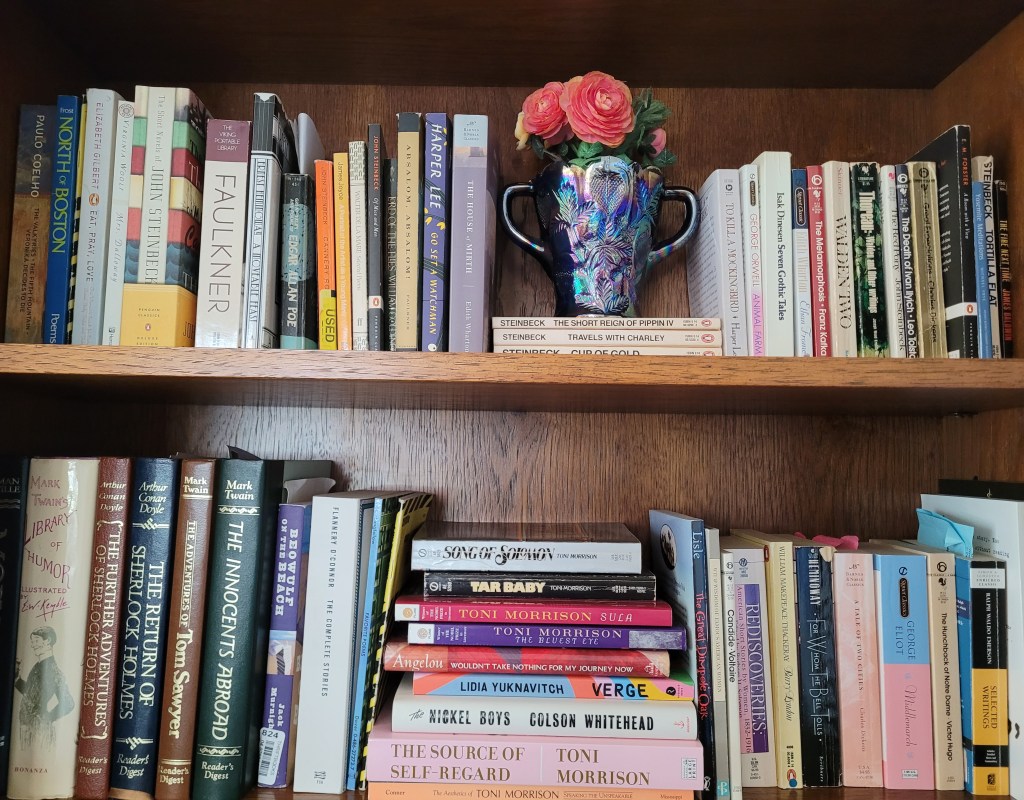







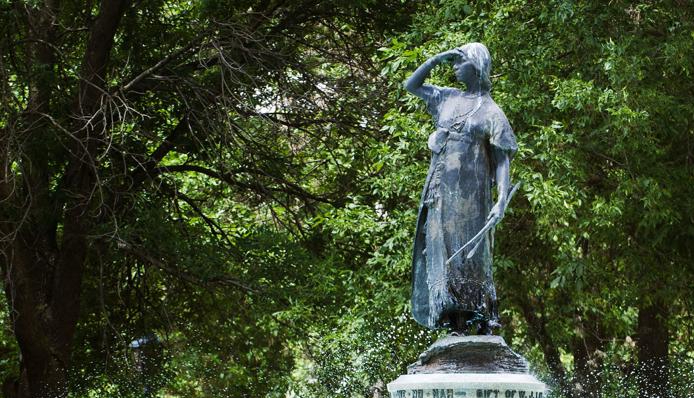

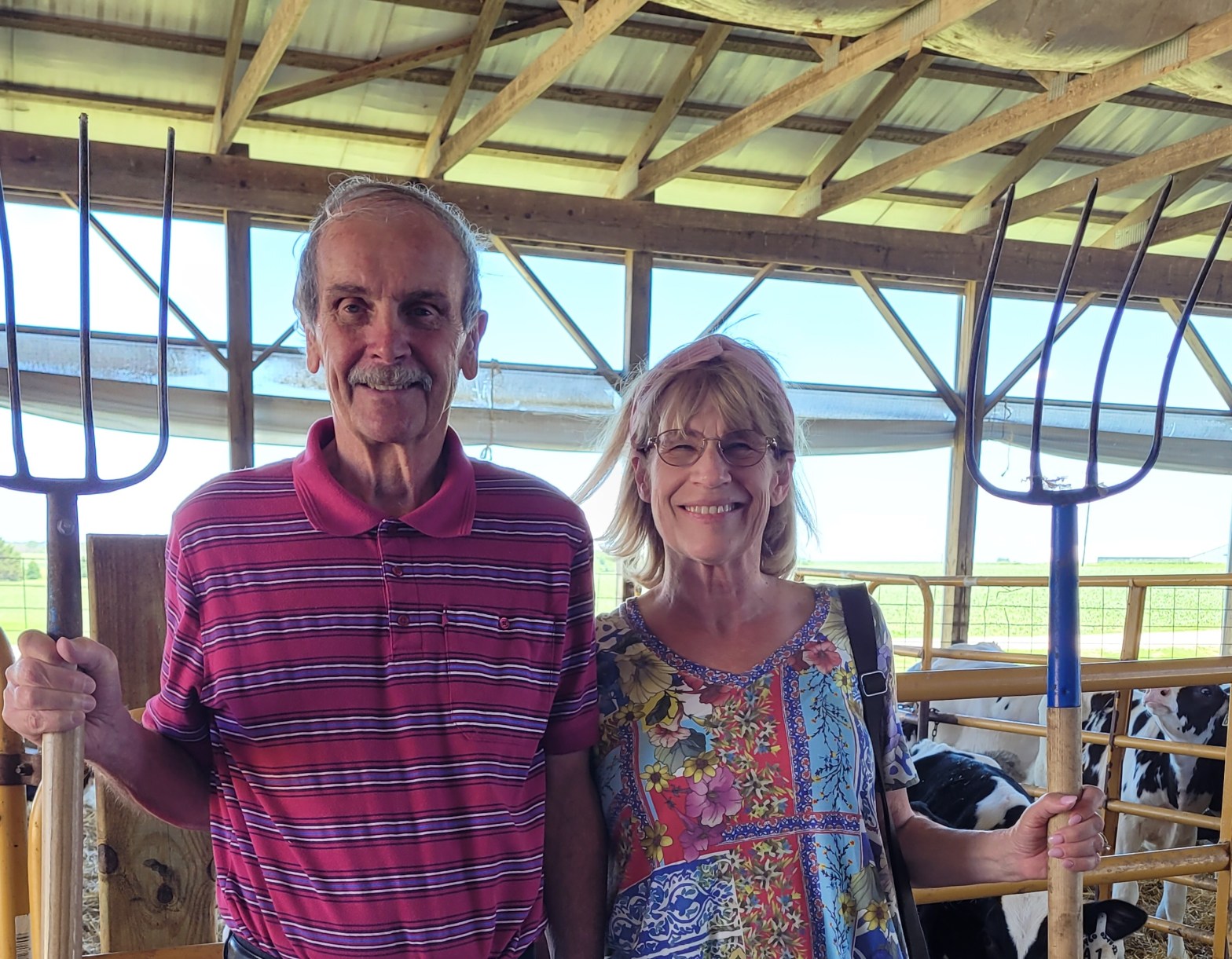
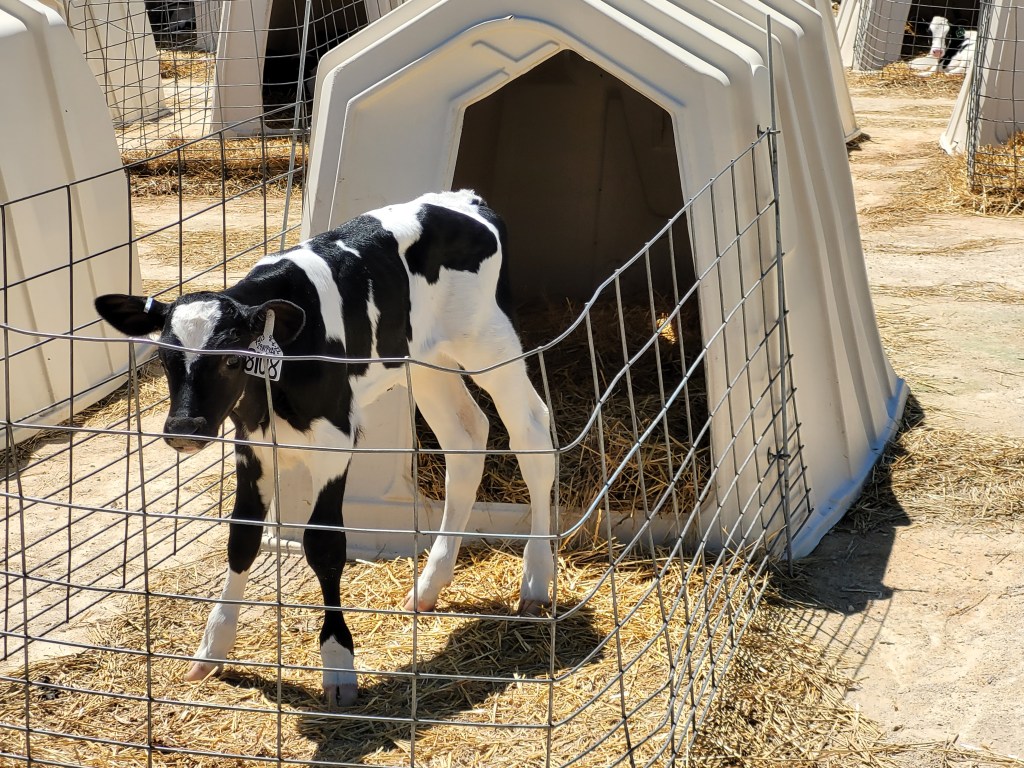
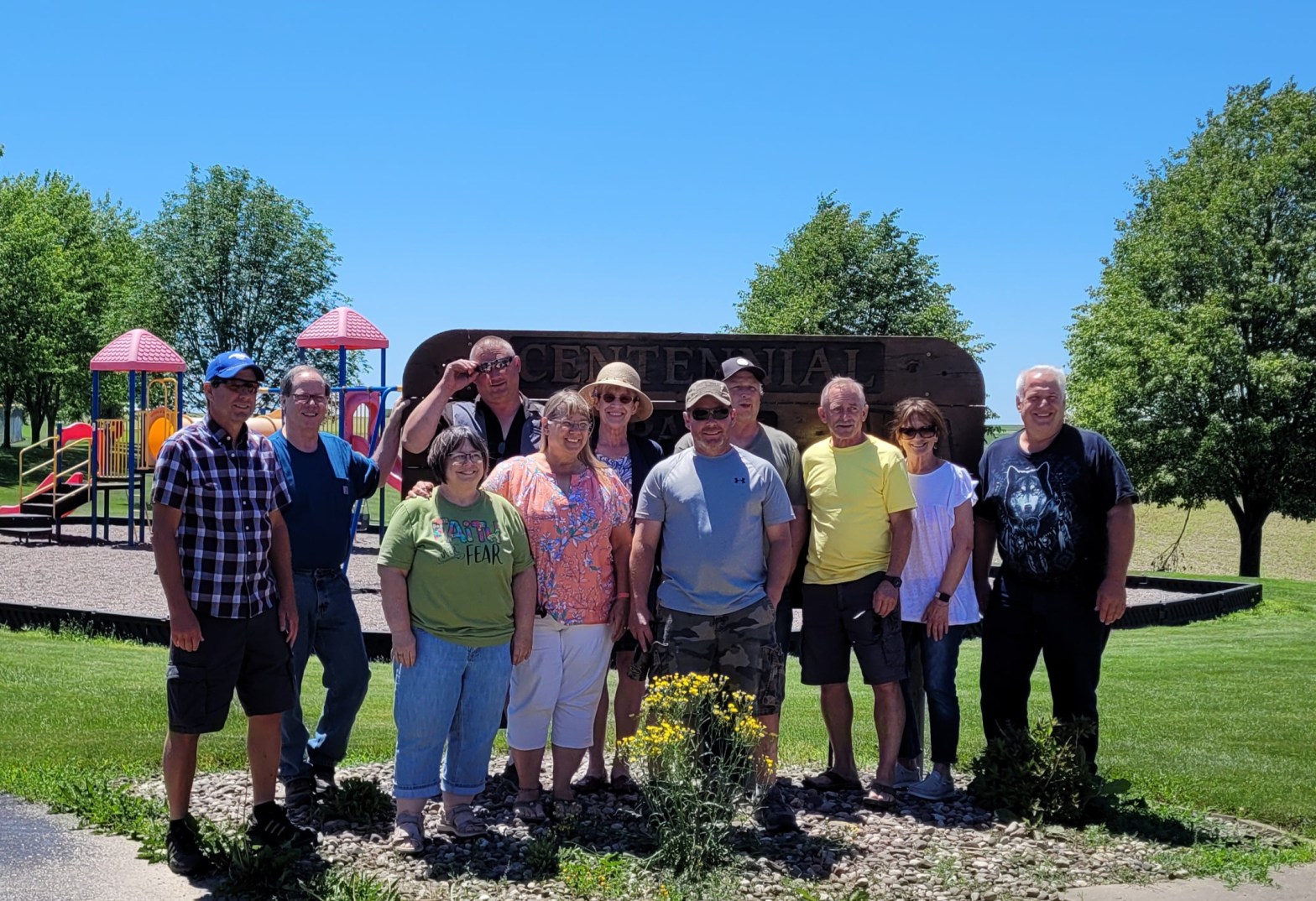
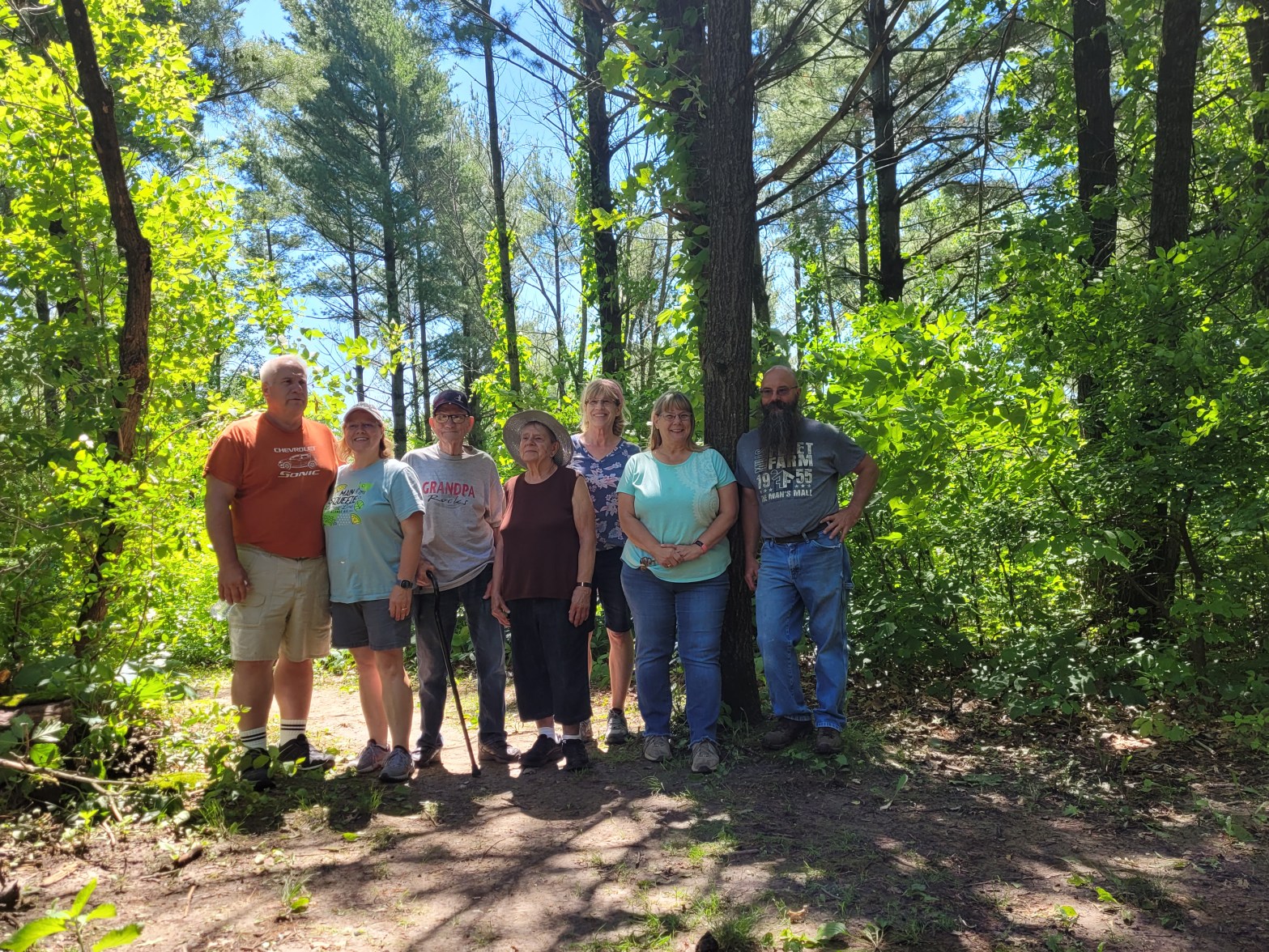
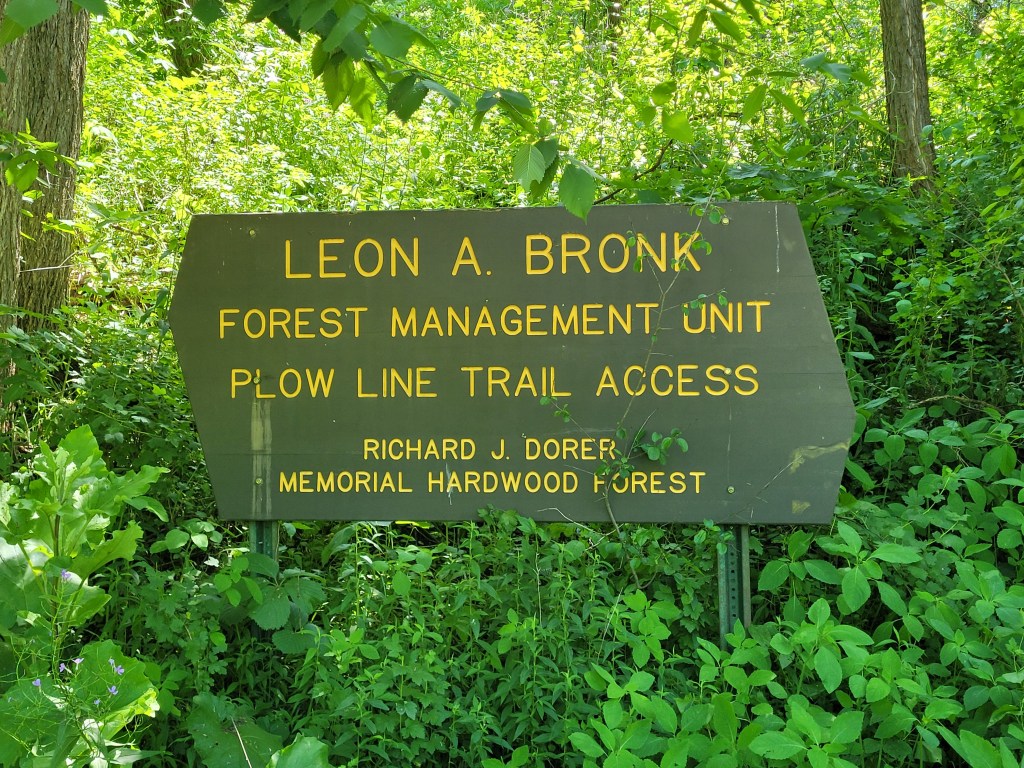






 Tess Perko's Blog