ADAPTED FORTUNE COOKIE WISDOM

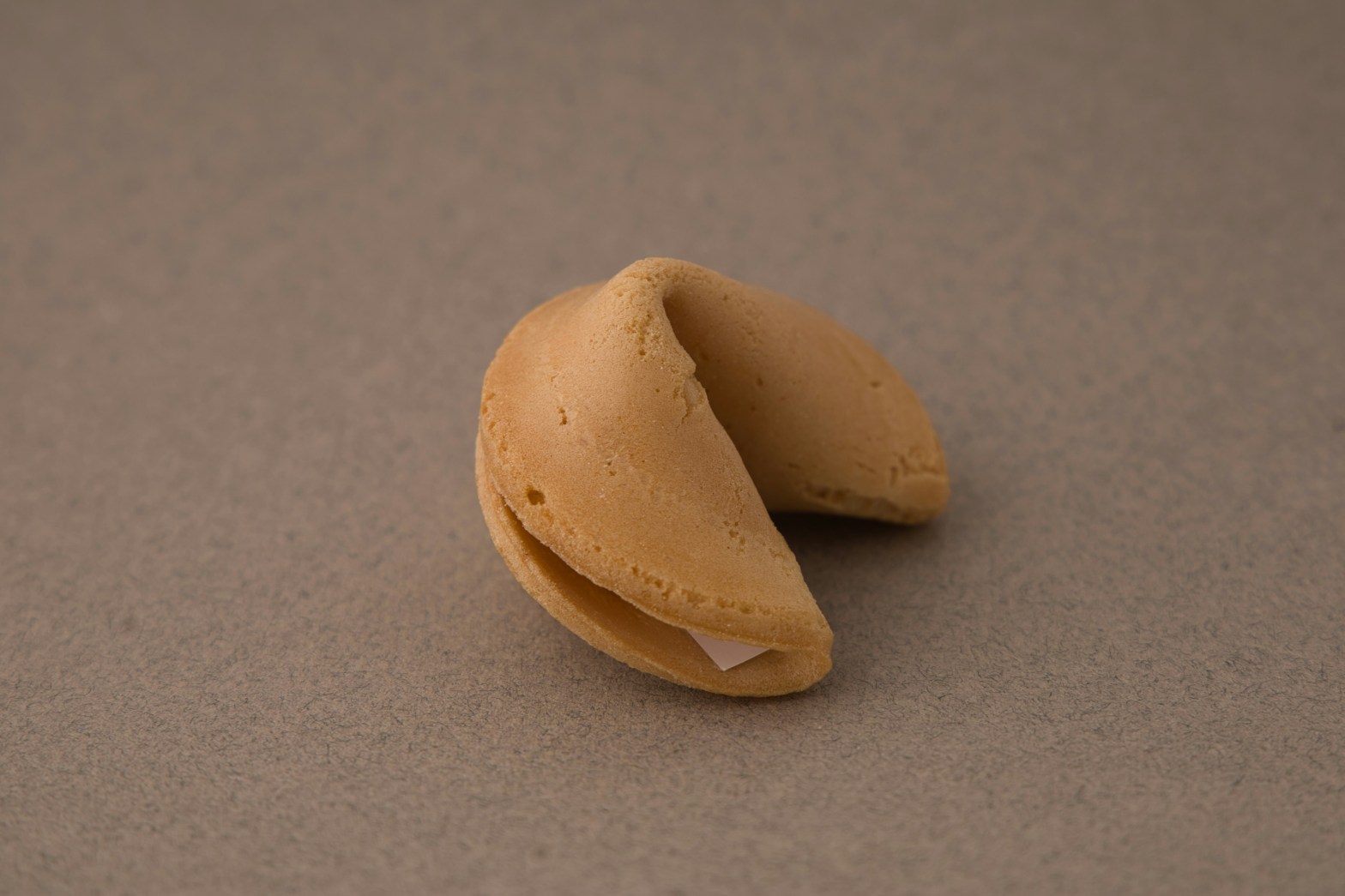
Today, I broke open a fortune cookie to find this fortune: “The really great man is the man who makes everyone feel great.” Since I’m a woman, I immediately changed “man” to “woman” so that I could apply it to myself. Then, the more I thought about it, the more I liked my “adapted” quote better.

When people think about the great characteristics of men, they often include “leadership” as one of those traits. Not so for women. Good traits for great women often include self-effacement, submissiveness, sweetness, and obedience.

I inserted “woman” in this fortune to point out that women don’t have to be doormats or voiceless handmaidens to bring greatness into the world. In contrast, women who act as spineless or voiceless females hurt and limit the potential of both themselves and men. I know women who are their family’s breadwinners, but who still allow their husbands to act as the “head of the family.” I also know women who are treated so badly in their relationships that they have no power whatsoever—no equal voice in their marriage, no personal confidence, and no respect from their children. These situations occur when men act as insensitive partners and women allow men to control and diminish their lives.

Women can be transformative leaders, but it’s going to take a global village to make that become a natural expectation.

 I’ve spent the last five years writing my first novel, Learning to Whistle, about a woman finding her personal power, something that all women struggle to do. My novel is coming out on April 7, 2026 by She Writes Press, a publisher that has been a true blessing in my life.

Through the community of She Writes Press, I’ve learned about the countless ways that women and men can boost the success of women. First of all, I’ve learned that publishing is a process. Experiencing the progressions of editing, rewriting, re-examining, publicizing, and sharing success has given my writing life a bigger vision to follow. With my new perspective, I will forever learn better ways to express myself and to make a difference. My writing career isn’t dependent upon how much I publish, but, instead, about how I nurture my own heart and how many other souls I raise up.

I’ve learned about the power of community and that people who promote the success of others experience their own greater rewards. I’ve cheered for my fellow She Writes Press authors when they win awards and followed their social media pages. I’ve purchased their books, read them, and written reviews.

But, in return, I’ve received immeasurable benefits. Through my fellow She Writes Press authors, I’ve found a reputable company to publish the audio book of my novel. Through Brooke Warner’s Substack posts, I’ve discovered great memoirs, such as Joyride by Susan Orlean and All the Way to the River: Love, Loss, & Liberation by Elizabeth Gilbert, which have exposed me to examples of the grit it takes to be a successful author. Warner also connected me to Jane Friedman, who publishes her own writing blog and offers numerous writing classes. My publicist, Caitlin Hamilton Summie, introduced me to podcasts and blogs that promote writers such as Compulsive Reader that, on December 28, 2025, published an interview of me by my daughter, Rachael Brandt at https://compulsivereader.com/2025/12/28/an-interview-with-tess-perko/ on December 28, 2025. Hamilton-Summie also connected me to the author Suzanne Simonetti, who writes alluringly realistic tales about women and their struggles—good writing I can emulate.

I don’t suppose anyone will ever label me as a “great” woman, but, then again, I don’t seek fame. I seek to be—not a doormat, not a handmaid, not only a mother, not merely a wife, not solely a friend—but a full participant in the human race who happens to have the valuable perspective of being a woman.

What am I going to focus on in 2026—polishing my leadership skills until I lead with grace and ease.

Women: Six Sure Ways to Empower Your Leadership Ability

My parents didn’t raise me to be a leader. I was taught to be a follower, that women were supposed to be demure, passive, obedient, and silent. This early training manifested itself in numerous ways; for example, I expected men to drive, my dates to pay the bill, and males to make the important decisions.

Thinking this way hindered my ability to grow to my full potential for decades. I had to learn to overcome the proclivity not to give my opinion, disagree, stand up for my beliefs, or lead others. When I worked in the corporate world, I experienced discrimination which only perpetuated my lack of development, but, finally, when I took a job in the field of education, I was encouraged to lead and to think with unlimited potential because my teaching job demanded it.

I want to share some of the ways that I changed my perspective from being reluctant to becoming empowered with leadership ability.

Adopt New Roles

Women can practice being leaders by adopting new roles within their personal lives. After I married my husband, he lost interest in driving. At first, I didn’t like taking on this responsibility, but when I associated driving with exercising my leadership skills, I felt positive about it, and now I’m comfortable driving all the time. This may seem like a small change, but it helped me adjust to being in charge in other situations as well. It’s easier to take one step at a time than to jump up the whole staircase.

Practice Speaking to a Variety of Audiences

Teaching is one of the best ways to practice speaking in front of an audience. First of all, teaching requires daily or almost daily speaking to students, and a teacher can become well-practiced at opening and closing lines which occur for each class period. Another advantage to practicing speaking as a teacher is that the teacher is considered the most knowledgeable person in the room, which automatically builds confidence. The teacher develops her lesson plans, practices them, and presents the information in ways for all types of learners to understand. This involves work and a lot of practice.

People who want to become leaders can take the opportunity to become a teacher for others. All disciplines and industries need strong teachers.

Speaking as a leader, however, involves communicating to a variety of audiences: peers, colleagues with different skills, superiors, or strangers. Each type of audience has different expectations and a leader must anticipate what they are and how to fulfill them.

Some women join a Toastmasters group to learn how to be comfortable speaking about a variety of subjects to a variety of audiences. Others speak up when they attend conferences with peers, and some volunteer to lead charitable groups.

Admit Mistakes

One of the best ways for a leader to bond with an audience is to admit when she makes a mistake while speaking. She may misspell a word, forget a plus sign, or explain a concept incorrectly. Someone in her audience may point out her mistake, or she may find it herself while speaking. Audiences are human and they’ve made mistakes, too, so when a speaker confesses that she has blundered and admits it, the audience feels that she is more approachable, likeable, and believable.

Use Affirmations to Build Courage

Fear is the number one impediment in becoming a leader, and so I’ve found a way to build courage whenever I become anxious. On the bulletin board next to the desk where I write, I have pinned an affirmation that says I lead with grace and ease. This affirmation helps me remember that being a leader doesn’t have to be stressful. If I know I have the potential, I can approach leadership as if it is a natural expression of my personality. I keep my affirmation close by and recite it aloud whenever I see it.

Emulate Other Female Leaders

I am involved in a women’s charitable organization. One of the women in the group speaks in front of our meetings with confidence, talks loudly enough for everyone to hear, presents informative material, employs a sense of humor, and exudes a positive attitude. I admire her.

When I had to lead an important luncheon, I decided that I was going to try to emulate this woman. I spoke clearly, added a joke or two, and presented our honored guests with a gracious and optimistic manner.

After the luncheon was over, this woman sent me an email telling me that she was astounded with my leadership ability. How ironic that I was trying to emulate her. Of course, I let her know and now we admire each other.

Let Others Shine

A leader doesn’t always have to do all the talking. The best leaders give the spotlight to others so that they can shine. For example, teachers often ask students to explain a concept or to analyze a piece of literature. Directors ask their managers to update a team about a project’s progress, and chairpersons are expected to inform an organization about committee work.

When I was leading a charitable luncheon during which the organization awarded scholarships to college students, I asked each scholarship recipient to share his or her story with the club members. Their stories were profoundly interesting and took up more time than I did in presenting them. The luncheon was an astounding success due to the fact that the club members felt a connection with the recipients after learning their stories. All I did was stand back and let them speak.

Women have numerous talents to share with their communities, but many of us have been trained to take a back seat. It’s time for women to sit in the front. Both women and the world would benefit from more female drivers.

Marketing My Book My Way

My first novel will be published early next year, which means I’m in the middle of marketing it. I’ve scoured social media to follow how other authors are approaching this process, but instead of finding comfort in the knowledge about what others are doing, I’ve become anxious that I’m not doing enough. I have a publicist that has guided me through the process of obtaining blurbs and is continuing to coach me through a Kirkus Review and social marketing as my publishing date approaches, but other marketing individuals and organizations have tried to convince me that I should be doing much more than I am.

This predicament has resulted in some soul-searching. Was I doing enough? Did I need to hire more marketing experts to make sure I was getting as much publicity as possible?

What I concluded was that I needed to stay focused on what I was comfortable doing even if it meant I did less marketing than other authors. My goal is for my publishing process to be a joyful experience more than a financial windfall, so I plan to eliminate anything that creates stress or unpleasant experiences.

Grounding Myself

Meditation has always been an important way for me to stay grounded when people or situations bring anxiety into my life. As part of my morning routine, I spend about ten minutes taking deep breaths to create a calm and positive attitude toward this marketing process. Throughout the day, if I notice stress building up in my body, I take more deep breathes to wipe it away.

Avoiding Pressure and Competition

I still examine Facebook and other social media sites to get ideas about what other writers are doing, but, now, I make a conscientious effort not to pressure myself or to compare my situation to anyone else. For example, one author I know traveled across several states to convince independent book stores to carry her book. Another author went on a nine-week book tour, visiting several book stores and other venues. When I see this kind of reporting, I remind myself that I’m only willing to do what feels joyful to me.  

My approach is like a treasure-hunt. If I see an idea for marketing that someone has done, I picture myself doing it. If I think it will make me feel happy about my book, I’ll add it to my marketing plan.

Refusing Comparisons

I have no dreams of becoming a New York Times best-selling author. The only thing I care about is that the women who read my novel feel better able to cope with a difficulty in their own lives as they read about the trials of my protagonist. I’ve wanted to write a novel for decades and I’ve finally done that. If it helps make someone’s life better, then I’ve achieved my goal.

Building a Sentence, Step by Step

Photo by Dmitry Shamis on Unsplash

You know what excites me? Crafting sentences that overflow with content and brim with alluring vocabulary. When I read Stanley Fish’s book, How to Write a Sentence and How to Read One, I became giddy with pleasure, thinking about all the future memorable sentences I could write. In one chapter, Fish demonstrates how to expand a four-word basic sentence into one that reveals character, moves the plot, and illustrates how the setting affects a story. Let me show you what he suggests with my own example.

My basic four-word sentence is: her brother went to the meeting.

Now, if I want to build the character of the brother, I must say something about him. Here’s my first addition: her brother, a tall and lanky 56-year-old with a cantankerous and rude demeanor. But I could say even more. Here goes: her brother, a tall and lanky 56-year-old with a cantankerous and rude demeanor who always arrived twenty minutes late to every appointment and made excuses for his tardiness. Now, the reader knows that this guy is unpleasant and too arrogant to take responsibility for his short-comings.

Next, let me tackle how he went to the meeting. I replace the verb “went” with a more exact one and add some related information: her brother, a tall and lanky 56-year-old with a cantankerous and rude demeanor, who always arrived twenty minutes late to every appointment and made excuses for his tardiness, rolled his wheelchair across the snow-packed sidewalk in thirty-degree weather, wearing a down jacket, gloves, wool hat, and earmuffs. Not only does this addition explain how he got to the meeting, but under what conditions. It also infers that he was determined to go since driving a wheelchair over the snow in freezing weather is tough.

Ok, home stretch here. Let’s finish by adding something about the meeting: her brother, a tall and lanky 56-year-old with a cantankerous and rude demeanor, who always arrived twenty minutes late to every appointment and made excuses for his tardiness, rolled his wheelchair across the snow-packed sidewalk in thirty-degree weather, wearing a down jacket, gloves, wool hat, and earmuffs, to get to his AA meeting. Whoa, I only added one more word, here, but a term full of meaning and content. Now, the reader might associate the brother’s tetchy deportment with his alcohol problem that he is struggling to overcome.

I like this sentence so much I’m going to paste it on the bottom of this post, so I can admire it. Happy sentence-crafting to you, too.

Her brother, a tall and lanky 56-year-old with a cantankerous and rude demeanor, who always arrived twenty minutes late to every appointment and made excuses for his tardiness, rolled his wheelchair across the snow-packed sidewalk in thirty-degree weather-wearing a down jacket, gloves, wool hat, and earmuffs-to get to his
AA meeting.

by Tess Perko

Reference: Fish, Stanley. How to Write a Sentence and How to Read One. Harper. 2005.

Five Ways to Read Like a Writer

Photo by Michael Satterfield on Unsplash

When I was a child, I sat in a corner on the floor, reading fairy tales and getting lost in the dreamy and, sometimes, cruel, plots. I wasn’t yet a writer.

Now that I AM a writer, I read differently. I give myself permission to stop anywhere to observe the author’s craft. Here are five things I do.

Make Notes in the Book

I read books on my Kindle and via paper. The reason I use a Kindle is that it’s easy to hold while reading in bed. But, if I find an author whose writing I want to analyze, such as Barbara Kingsolver’s Demon Copperhead, I buy the paper version, and I write notes in it. Notes are better than highlighting since they help me remember why I marked a particular sentence. I’m not going to give the book away since I know I’ll come back to it over and over again to think about Kingsolver’s wording, sentence placement, or plot twists.

Look Up Words

Building vocabulary is a lifetime endeavor. I’m always finding new words while I read, especially when I read authors from other countries such as England and Australia. Different cultures seem to emphasize different vocabulary. For example, the other day, I came across the word “palaver” which means a prolonged and idle discussion. I look these words up, but I don’t take the paper dictionary off the bookshelf to do this. I’ll either use the dictionary feature on my Kindle or a dictionary app on my phone to make the task more efficient. Then, I’ll think about how the word fits into the author’s sentence and also how I might use it in my own writing.

Think about Word Choice

In Demon Copperhead, Barbara Kingsolver begins Chapter 40 with this sentence: “One look at her and I was gone” (319). The word that caught in my throat was “gone.” When I read it, I couldn’t wait to read the rest of the chapter. I had to find out what she meant by it.

That’s how powerful one word can be. I want to be the kind of writer that can use words to grip a reader, make her heart pump, send pulses through her body, and keep her reading. The only way for me to become better at this is to read how other writer’s do it. Which word does she choose? Where does she put it?

Evaluate How a Sentence is Structured

Believe it or not, sentence structure can make an action more compelling. Short sentences or phrases create tension or drama. Long sentences can paint a picture. Here’s a sentence from Demon Copperhead: “In my high-water jeans and the old-man shoes Mr. Peg had loaned me at Christmas, I joined the tribe of way-back country kids with no indoor plumbing and the Pentecostals that think any style clothes invented since Bible times is a sin.” This sentence not only describes what Demon was wearing, but it also says something about the two types of kids that he hung out with. In other words, it packs a punch.

Think about How an Author Uses Dialogue to Create Character

People don’t use the same words, have similar accents, or form identical sentences. Writers can say a lot about a character by creating dialogue that is unique to him or her. For example, in The Great Alone by Kristin Hannah, Large Marge says, “’Sit down or I’ll knock you down” (162). Large Marge is a big woman who is not afraid to threaten a man and her words illustrate this. If she was small or complacent, she would’ve said something completely different.

The Close

I can’t think of any better way to become a mature writer than to read voraciously. The true writer that gets excited about great prose.

Six Steps Back to Confident

I hate feeling inadequate, unsuccessful, afraid of failure, or irrelevant. But that is exactly how I feel immediately after I read comments about my writing from my editor. Which I did yesterday, a Saturday.

My first reaction to her comments was why was she working on a Saturday and bothering me while I was having a wonderful mother/daughter day? As I read her email of criticism, my chest filled with anxiety and fear infiltrated my whole body. I couldn’t bring myself to open the attached manuscript which contained her specific comments—line by line. My state of mind was so low that I went to bed considering giving up getting published.

Yet, after I fell asleep, I dreamed about how I could revise the story to make it better. I’m a writer down to a cellular level. There’s no escaping it.

When I woke up this morning, I realized that the most important task was to get my confidence back. My writer’s soul needed immediate attention, so I gave up my four-mile walk and took these six steps back to confident.

Allocating Time for Self-Love

I realized a few years ago, that self-love is a crucial part of confidence. I don’t just “find” time for it, I “allocate” time for it. Sometimes, I spend an hour dedicated to self-love, and other times, I spend ten minutes. In any case, it is the first step I take to empower myself.

This morning, I decided to start my morning with self-love. I made a cup of tea and found a place to be.

Doing Something Joyful

Joy is also a part of confidence. When I experience joy, I know I’m valuable enough to deserve it. One writer I know goes for walks. Her joy comes from the breeze in her face and the smells of the flowers. Another friend bakes cookies or bread, filling her kitchen with happy warm and yeasty smells.

I found joy this morning by sitting in a rocking chair on my patio surrounded by my roses, hydrangeas, and gardenias. As I sat, drinking my tea infused with honey, I noticed that the patio tiles were littered with leaves and twigs from the neighbor’s tree. So, I got a broom, swept it, and put the debris in the trash. I also used the broom to clear cobwebs off the solar lanterns on the fence.

Swishing a broom across a floor reminds me of Cinderella and how, after putting her broom in the corner, she dressed up in her ball gown, met her prince, and lived a happier life. I store my broom in a corner of my patio. It represents “renewal.”

As I was sweeping, I saw flower bushes that needed deadheading, so I found clippers and pruned them. Then, once again, I sat in the rocking chair to admire my clean garden. I admired the various pink hues of the flowers and how they complimented the green grass and bushes. I lingered upon the gazing ball and watched how the sun turned it into a prism of rainbows. Bees and tiny orange butterflies flitted from flower to flower, and a hummingbird whizzed through the branches of the mock strawberry tree. The beautiful scene sank into the pores of my skin and filled my body with the love of nature.

Nourishing my Belly

I’m lactose intolerant, so if my belly isn’t comfortable, I’m out of service. Nourishing my digestive system affects my brain, my heart, and my writing soul.

One writer I know eats a carton of ice cream to feel better. Another writer friend eats chocolate. Me? This morning, I ate two pieces of seed bread with mashed avocados on top. It was filling and nourishing to my sensitive stomach. My stomach seems to be the foundation of my well-being.

Taking a Shower

When I look good, I am a better writer. After I found joy in my garden and nourished my belly, I took a warm shower. I didn’t just use water and soap to refresh my body. I used a loofa to scrub my skin soft and facial soap for cleaning my pores. After showering, I lathered my face and body with lotion until I felt renewed and adequately pampered.

Reading Positive Comments about Myself

When someone says I’m friendly, I feel great. If they point out a sentence of mine that they love, I feel fabulous and talented. So, what I did after my shower was to open my editor’s attachment that included her detailed comments. I skimmed over her recommendations and found places where she had complimented me on phrasing, wonderful word choice, or sensational sentences. As I read, the weight in my chest lifted and I no longer felt that she thought I was an inadequate writer. I couldn’t be if I could type out these incredible lines.

Writing Something that I Control

By this time, I was ready to tackle my editor’s criticism and start revising my novel. But I decided to do one more thing —write something that I could publish on my own; therefore, I wrote out this blog. I’m going to post it in just a few minutes, and after I do, I’m going to feel like I’ve accomplished something even before lunchtime.

My confidence is back.

What Writing Letters Taught Me

Photo by Hans Isaacson on Unsplash

My mother hated writing letters, but she had three sisters who loved to communicate with her via writing. Mom was. however, an excellent problem-solver; using her exceptional negotiation skills, she convinced me to write letters to her sisters on her behalf.

For someone who didn’t like to write, she was a pretty good writing coach. From her coaching, I developed a passion for writing. This is what she taught me.

Brainstorming is Useful

When Mom asked me to write a letter, I first said, “I don’t know what to write.” Mom asked me to make a list of things I could write about, and she gave me some ideas: the weather, the garden, church, school. After a while, I started coming up with some of my own ideas in addition to these. My list included making cookies, going to the snow, and having my friends over to spend the night.

I still make lists before I write. Sometimes, I get ideas for a blog, like this one, while I’m sleeping. I get out of bed, go to the other room where I keep an arm chair and a pad of paper, and write down the ideas before I forget them.

If I get a dose of writer’s block, I jot down impressions that I want to include in a blog or chapter. I list as much information as I can and then leave it alone for a day or two. The notes help me get into the mood to write, and soon my writing juices are flowing.

How to Warm Up

“I don’t know how to start the letter,” was another refrain I often used. Mom said to start with “How are you? I am fine,” and then move onto another topic.

Asking about someone’s health seemed to be such a gracious opening, and it made me feel like a polite niece. Believe it or not, this introduction helped me warm up for the next subject.

How do I warm up for writing today? I have several methods that I’ve created to get me into the mood.

The first one is to take a walk in my garden where I have dozens of rose bushes that I’ve planted. Sometimes, I prune, other times I fertilize, but I always at least enjoy how beautiful they are. In my garden, I express my creativity, and enjoying it stimulates my creativity for writing.

Another thing I do to warm up is to read one of the affirmations that I’ve posted on my bulletin board to the right of my desk. Currently, I have three affirmations typed on 8 ½ by 11-inch paper to inspire me.

The first one says, “I lead with grace and ease.” When I read this, I see my writing as a way to lead the world to a better place. Thinking about being a leader dispels fear and encourages me to stand tall and feel calm.

The second one says, “I possess perfect self-expression.” I developed this affirmation when I started writing my first novel three years ago. I didn’t want writer’s block to inhibit my progress, so I thought of how I wanted to feel when I sat down to write.

The third affirmation on my bulletin board is, “The Midas Touch.” A few months ago, I was discussing my writing with a friend, and she said, “You possess The Midas Touch.” What she meant was that I was a brilliant and prolific writer. This gave my confidence such a boost that I decided to make it another affirmation for daily motivation.

Sentence Clarity

The letters I wrote on behalf of my mother taught me how to write clear sentences. As any serious writer knows, practice is the key to improvement. My mother had faith in my ability, so I was writing letters to her sisters at least once a month, and I started when I was six years old. Due to my mother’s coaching, my writing career and my writing practice started early in life. I’m sure, by now, I’ve written at least as much as The Beatles sang during their band years.

Paragraphing

Even though mother didn’t like to write or read, she was organized; therefore, she coached me to start a new paragraph every time I started to write about a new topic.

For example, I started each letter with “How are you. I am fine.” If the next topic was the weather, I’d start a new paragraph, which often turned into an interesting slice of my life. Here’s an example:

Today, the weather was sunny. We played outside all afternoon, and the bees were buzzing around the plums that had dropped to the ground. Since I was barefoot, I stepped on three bees and got stung three times. Luckily, Mom took out the stingers and I was fine.

Revising is Okay

If I made mistakes on my letters, my mother coached me to cross them out and to write the corrections after them. If I made too many mistakes, she convinced me to reprint the whole letter.

Maybe I was going to be a writer anyway, but knowing that I could make mistakes and fix them took off the pressure of being perfect the first time. For me, this was an important process to learn since, deep down, I hate making mistakes.

I also learned about revising from the letters I received from my Aunt Mary Ann. Today, Aunt Mary Ann is over 90 years old and still writes letters. If she makes a mistake, she crosses it out and rewrites what she meant to say. She demonstrates the perfect example of the writing process.

The Courage to Write

The other day, I told my five-year-old granddaughter that she could be a writer. Using one of her books, I showed her where her name would appear on the title page. She smiled at that, but then said, “I can’t write a story.”

For many people, writing is a daunting task. I know this since I taught writing at the college level for fifteen years.

Fortunately for me, I had a mother who didn’t take “no” for an answer. She had confidence that I could write.

Even now, when writer’s block stops my creative flow, I write letters: to Aunt Maryann, Aunt Dorothy, my friend in New Mexico, my sister-in-law in Florida.

Where did I get the courage to write? From a non-writer who believed in me.

Darkness and Loss

Photo by Tuvalum on Unsplash

Meira didn’t realize the sun would set so quickly.

Right after she got off work, she had hung her new mountain bike on the rack of her car and driven to Sycamore Open Space, just five miles from home.

She’d rented three different mountain bikes on three different weekends before she decided to buy this one. One bike shop was all the way down in Santa Cruz. She had driven down there to rent a bike and took a ride in the butterfly sanctuary near the ocean.  She’d loved the sanctuary, but not the bike. The other two bikes were from shops in Walnut Creek. Her third rental was the one she fell in love with. Sophisticated gears and a front suspension. It also put a dent in her savings account, but she was excited to have it.

When Meira started to ride up the dirt trail, the sun was dipping toward the west. She thought she’d have at least an hour of daylight in which to ride.

The beginning of the trail was flat. It meandered along the back side of a neighborhood of expensive houses, their manicured yards butting up to the golden weeds of the park. Gigantic oak trees shaded the path with strong leafy arms, and acorns crunched under the wheels of Meira’s bike.

At the end of the neighborhood, the trail rose to follow the curve of a hillside. As Meira increased her peddling, she noticed dried pads of cow manure covering the trail like dollops of brown paste. To her left, a foot-long gopher snake wiggled out of her way and disappeared into the grasses.

It felt wonderful to be out in nature. Work had been stressful. She had four meetings in the morning, one after another with members of her team from all over the world. Exhausting.

She’d spent the afternoon working on the graphics for the training video. Her eyes were tired from focusing so intently as she altered photographs and added special effects in all the right places. The only thing that kept her going was thinking about how she’d go for a bike ride after work.

She didn’t bring any electronics with her, not even her phone. What she needed was to be alone in the quiet landscape. No voices, no conflicts to solve, nothing but stillness.

The trail curved to a higher altitude, and Meira stood on the pedals of her bike to make it to the top of the hill. She noticed the cloudless sky turn a darker shade of blue. Yellow wallflowers poked their heads out from among the dry weeds on both sides of the trail. A few oak trees cast huge shadows over the hill as the sun sank lower.

She took deep breaths as she pumped the bike up the grade. Turning her head side to side to stretch her neck, she pushed her shoulders down and sat up as straight as she could. Finally, she reached the top of the ridge, braked, and put her feet on the ground.

She could see a panorama of golden hills and valleys, the hills rising higher and higher until they created the twin peaks of Mount Diablo. The gray-blue sky perfectly complemented the grasses that had taken on a rusty hue as the daylight waned.

In one of the valleys, a coyote slinked across a trail, its body strong and well-fed. Two hawks sailed overhead. They had red tails and enormous wingspans. She watched them make circles.

The path led down the hill, so Meira followed it in low gear, pumping her brakes to prevent from losing control. That side of the hill was gloomier than the western side. She’d make sure she turned around before it got too dark.

When she reached the bottom of the valley, Meira peddled fast to create momentum for ascending the next hill. She breathed deeply as she started her next ascent and stopped the bike where the trail met a second track halfway up the hill.

She’d never been down the Northgate Trail before, so she turned right and followed it as it circled around the hillside. A clump of golden poppies waved their blossoms from out of the weeds as if they were happy to see her. She was surprised to still see them still blooming in late October. The trail spiraled around the hill, slowly ascending to the top.

All of a sudden, Meira spied a dark, moving object in front of her. It was live, that was for sure. She braked and stopped the bike about a yard in front of it, leaned over the handle bars to get a better look.

A tarantula.

She had forgotten that the tarantulas migrated across the park in October to find a mate. This one was bigger than her hand.

Meira climbed off her bike and carefully set it on the trail. She crept quietly closer to inspect the spider. Fascinating.

The tarantula had long legs with little hooks on the two front ones. It was a male. She knew that the females had fatter bodies and shorter legs. They also didn’t have those little hooks that the males used to hold onto the female during mating.

Meira scanned the trail for signs of holes covered with white threads, places where female tarantulas waited to mate and then lay their eggs. She parted some of the weeds to search harder. No luck.

Well, this poor guy was going to have a long walk to find a mate. She sat down on the dirt about a foot away to watch him slowly crawl across the trail. He didn’t seem to mind her attention. He continued his turtle crawling, one furry leg at a time.

Before Meira realized, the sun had fallen behind the Las Trampus Mountain Range in the distance, washing the sky in a smearing of orange and red streaks.

She stood up, dusted off the back of her jeans, and nodded to the tarantula.

“Gotta go, Buddy. I hope you find yourself a girlfriend soon.”

Meira climbed on her bike and turned it around to follow the trails back to the parking lot. Their outlines were hardly distinguishable from the landscape around them. She pedaled as quickly as she could around the side of the hill to find the four-way stop where she had turned. As she passed by an oak tree, the path became so dark that she couldn’t see to avoid cow paddies or rocks in her way.

Finally, the reflectors on the four-way stop lit up like a single match in the dusk. She turned left.

The problem was, she still had to take the trail up the next hill and down the other side in the dark. Then she had to follow it behind the neighborhood to get to the parking lot.

She drove fast, hoping that she wouldn’t hit a rock and throw herself into the weeds. She reached the valley floor and started up the next hill when she heard the yips and howls of a coyote. Or maybe more than one. She shivered.

The oranges and reds of the sky had turned to reds and purples. Behind her, the sky was indigo. How long before all evidence of light was gone?

When she reached the top of the hill, she stopped to catch her breath. She was wheezing with fear, wondering where those coyotes were.

Would she meet a rattlesnake and not see it? Would she run over a tarantula? They were fine in the daylight, but not at night.

The coyotes insistent yapping cry rose again. Meira held her breath, opened her eyes as wide as she could to see through the dusk, and looked frantically around for moving shadows.

Without seeing more than a few yards in front of her, she started down the trail again, going slow so she wouldn’t fall off the bike. The temperature had dropped at least five degrees; cold air bit her face.

She couldn’t see where the trail flattened out so when she hit the bottom of the hill, the back of her bike jerked up and threw her off. She landed with her right leg stuck under the bike. Her right hand had landed on a rock and she could feel thick warm liquid oozing out of her palm. Blood.

Slowly, hoping she wouldn’t feel a furry tarantula or the scaly body of a snake, she untangled herself from the bike, stood up, groped around to find the handlebars, and pulled the bike up.

The neighborhood of expensive houses was a few yards ahead.

Whew, she was almost there. All she had to do was follow the flat trail behind the neighborhood to the parking lot.

Some of the houses had back lights turned on which cast enough light so that she could at least tell where the fence line was. The other side of the trail was pitch black since the massive oak trees completely blocked the fading sunset.

Meira pushed the pedals as fast as she could, following the porch lights and fence line. Up ahead was a lone street light. The entrance to the parking lot. She hiccupped a breath as she leaned over her handlebars to increase her speed.

The single street lamp created a circle of light on the ground. Meira stopped her bike underneath it and searched the small parking lot to find her car.

There it was. The only car in the lot, covered in shadows from the nearby sycamore trees. The only sounds she heard were the crickets chirping like cell phones in the blackness.

She was safe.

She walked her bike to the back of her car. The straps of the bike rack hung like despondent arms lost in the night. Meira shook her head quickly to dispel her fear, hoisted the bike onto the rack, and strapped it securely.

She unhooked the pack on the back of the seat and removed her water bottle. She had left her cell phone at home, so she didn’t have to worry about that.

It would be good to get back and have dinner.

Meira scanned the perimeter of the lot for signs of movement. Breathing shadows? Hungry animals that hunted in the darkness? Slithering or crawling predators? Seeing nothing but pitch blackness, she took a long, deep breath.

All clear. Let’s go.

She bustled up to the driver’s side of the car and reached into her back jeans pocket for her car keys.

They weren’t there.
Character Study: Hazel

Photo by Hannah Olinger on Unsplash

“You shouldn’t go to college,” said Dad, looking down at us kids. “There’s riots and immoral behavior. You’ll get brainwashed for sure.” Dad sat in his brown recliner with the foot rest down, his hands fiddling with a cigarette and match. The four of us, my two older sisters, me, and my little brother, sat cross-legged on the worn-out carpet in front of his chair, even though we were teenagers. We should’ve been sitting in chairs like him.

The news was on television. Dad had just seen pictures of students rioting at U. C. Berkeley for women’s rights. He had turned down the sound and called us into the room from our bedrooms that were right down the hall. I had been doing my chemistry homework, and I still had to finish math.

A wood-framed picture of the Last Supper hung on the wall right above Dad’s chair. To the side of it on the mantel was a porcelain statue of the Virgin Mary that Dad had bought Mom when he flew an Air Force mission to Portugal. A pile of rosaries filled a basket next to the statue. They reminded me of earlier years when we were ordered to kneel on the scratchy carpet to say the Rosary for 45 minutes. Thank God, Dad didn’t make us do that anymore. I’d never get my homework finished.

“Hazel, give your dad his ice cream,” said Mom from the kitchen. She stood at the counter, a box of vanilla ice cream in front of her. Jars of caramel and chocolate, too. Cherries.

I got up from the floor, happy to escape the lecture that I knew was coming. Whenever Dad got on his soapbox, we were stuck for at least an hour. Backpacks open on the floor in our dark bedroom. Homework books splayed wide on our desks. Pencil case contents spilled over half-used binder paper.

Dad put his cigarette and matches down. I gave him his bowl of ice cream.

“I need a spoon,” he said in his booming voice. A scowl made two deep furrows between his eyes on his sun-tanned face.

I jumped, turned to the kitchen, found a spoon on the counter next to Mom, handed it to him, then sat down.

While Mom finished scooping the ice cream into bowls, Dad, in-between his own bites, talked about how college wasn’t good for kids.

“They preach against religion,” he said.

I had heard Dad defend his religion ever since I was a little girl. The thing was, he didn’t seem to be a happy person, even though he went to church every Sunday, prayed at every meal, and raised money for new church buildings.

What good was it doing him?

I didn’t like how the parish priests treated women and girls either. We were treated like appendages of our fathers. No authority. No voices. No purpose except for one day having babies.

Luckily, our high school was run by nuns who were great examples of what women could do when men didn’t oppress them. The principal was a nun who had been educated in London in both education and school administration. My chemistry teacher was a pretty blonde married woman who one day wanted her own children. Our choir teacher was a nun who had a college degree in music. She taught choir, violin, flute, and piano.

But I loved my English teacher most of all. She’s the one who introduced me to the English and American poets and Edgar Allen Poe. Poe wrote such delicious horror stories. Murder. Psychological torture. Manipulation. People buried alive. So incredibly creative.

In Sister Elena’s class, I wrote my own poetry. She entered our poems in contests. I won first place once. We also read Shakespeare plays and acted them on stage for the whole school. Someday, I’d like to write a sonnet as good as he did.

What these nuns taught me was that my father had a narrow viewpoint when it came to education and women. He sent us to our high school to learn religion. But these nuns had taught us their version of Catholicism, and it had nothing to do with oppressing women.

Dad was still lecturing. His loud voice filled the room, but it wasn’t filling my ears.

Nodding my head “yes” every so often, I was far away. I saw myself walking through a university campus, my arms filled with Shakespeare, Marlowe, Emily Dickenson, Jane Austen, and Elizabeth Barrett Browning.

I definitely was going to college.

What Really Makes Me Tick (Happy)

Wouldn’t it be a better world if everyone knew what they needed to be happy? I’m retired, and I loved my teaching job; however, now that I don’t have to commute to work five days a week or grade college essays on the weekends, I just want to do things that make me happy. Here they are.

Admiring Flowers

Stopping to smell a rose may seem like an unimportant action, but, when I do it, it brings me joy. I have rose bushes in my front yard and back yard, and every morning, I wander outside to inspect every bush to see the new blooms. I sniff and stare and smile to my heart’s content.

I remember the flowers of my childhood, too. In January, crocuses poked out of the soil in the flower beds in the front yard. In February, the daffodils came. Tulips arrived in March, and Irises after them.  By the time Lent was over, Easter Lilies grew like sophisticated ladies in white hats in our back yard. And in May, the meadows were carpeted with Bluebells.

For four years of my childhood, I lived in England with my family, and I was impressed by the colorful blooms of summer that thrived in the temperate climate. Rambling roses climbed up cottage walls. Cosmos waved their rainbow heads in the breezes like pretty bonnets. Hydrangeas brightened shady nooks of gardens with their puffy burst of blue and pink. I was entranced by their beauty.

At Christmas, my mother bought at least one Poinsettia to decorate the house. She bought red poinsettias, white poinsettias, and ones with white flowers with red stripes. Sometimes, she had an amaryllis bulb growing in a pot. Every day, I’d inspect it to see whether it was blooming or not. I was in more of a hurry than it was.

Making a Stew or Pot of Soup

Whenever my dad cooked, he made “water” soup. He added pieces of beef and vegetables to a pot of water to create soup. Ugh. We kids would cringe when we saw him taking out a pot. His were the worst soups I’ve ever tasted.

Maybe that’s why I love making delicious soups.

I own an old Dutch oven that is the perfect size for making one-pot meals. Some mornings even before I change out of my pajamas, I scour the refrigerator and pantry for the ingredients for a minestrone—onions, celery, carrots, zucchini, chick peas, barley, chicken broth, chopped tomatoes, oregano, salt, and pepper. Sometimes I add cooked shredded chicken. Often, I don’t.

Or I find the fixings for chicken noodle soup for a recipe from a William’s Sonoma Soups book that I bought a long time ago. While I’m chopping the carrots and celery for this soup and simmering the chicken breasts in the broth, I think back when I made this for my two children who loved it. I see their little faces above their steaming bowls, their hands holding spoons, their mouths filled with savory egg noodles.

On one European trip, I bought cookbooks in the Czech Republic and Austria, so when I want to make goulash, I search for recipes from those books. My favorite goulash is a beef, onion, and smoked paprika concoction that is topped with cornmeal dumplings. I first ate cornmeal dumplings at the restaurant at the Belvedere Palace Museum in Vienna. I’m still practicing to make mine taste as good as those were.

Reading Inside When It’s Cold Outside

To me, the essence of decadence is waking up in the morning, seeing that it’s cold and rainy outside, then reaching for a novel and reading it in bed. To take all the time in the world to read a story, then stopping and thinking about it is heaven on earth.

Reading when its cold outside reminds me of when I read as a child. I had time to sit on the floor in a corner of the house with a treasured book of fairy tales and get lost in another world. When my mother took me to the open-air market, I found the bookstore, walked to the back shelves, pulled out a tome, and read it while sitting on the floor. I was always afraid that the shop owner would find me and kick me out, but he never did.

Decorating My Home

When I was a child, we never had an expensive home, but that didn’t keep us from making it beautiful. In the spring and summer, I picked flowers in the meadows, poked them into vases and brightened every table and dresser in the house. In the fall, I cut branches of colored leaves for the mantel in the living room. For winter, my mother and I found pine cones and spray-painted them silver and gold for Christmas. We added holly and pine branch garlands in-between them.

Today, when a new season comes, I still have the irresistible urge to celebrate it with seasonal décor. Right now, I have a collection of pumpkins on my front porch accompanied by a little witch. I also have put pumpkins on the table on the back patio so we can feel the season when we go outside in the afternoons. Every time I pass these decorations, I feel like celebrating.

Writing

I wrote my first poem when I was nine years old, and I’ve been writing ever since. Sometimes, I use writing to help me sort out a problem. Currently, I’m the chair of a scholarship committee for a charitable organization. When I’m planning the meeting agendas, I write them to organize my thoughts. When I’m thinking about how to improve my author’s platform, I write my thoughts down. I write down daily affirmations and New Year’s Eve resolutions. I write every day.

Even when I’m traveling, I have a journal that I use to take notes or write a spontaneous poem. I remember one vacation that I took by myself to Boston. After I toured Paul Revere’s tomb and all of Boston’s historic sites, I drove north up the Atlantic coast. I stopped in Salem and visited another graveyard where a huge oak tree that had gotten so big over the centuries that tombstones were poking out of its bark halfway up. There was so much to write about. Finally, I stopped the car at the edge of the road near a beach. As I sat in the sand and gazed over the surging navy-blue sea, I wrote a poem about the peace that I felt.  

When I visited Sorrento, Italy, I stayed in the Grand Hotel Excelsior Vittoria. Our room had a large terrace that overlooked the Sorrento Harbor. Across the Bay of Naples with its slate-blue ripples, we could see Mount Vesuvius. Every day, I sat at the patio table on this terrace with my journal to write about the gorgeous scenery or about my excursions into the town of Sorrento or its nearby attractions. I wrote how my husband had to scrunch down going into the Blue Grotto Cave in Capri. I described the ceramic factories that we toured in Almalfi. With words, I wondered what it was like to be a citizen of Pompeii in 79 AD when Mount Vesuvius spewed its lava all over the populated city.

Now that I think about it, I’ve been doing these happy things my whole life. Naturally. Now, though, I have more time to do them. What joy.

How I Wrote My First Novel

I’ve been a writer my whole life. In grade school and high school, I wrote poetry and essays. In college, I wrote my first short story. When I became an accountant, I wrote financial reports and audit recommendations. I also learned how to eliminate “fluffy” words and overly-embellished ideas. While I was raising my children, I wrote newspaper articles and more short stories. Finally, I became an English professor and I spent most of my busy career writing lesson plans and college letters of recommendations; yet, I hadn’t yet attained my ultimate dream of writing a novel. I either had writer’s block, low writer-esteem, or not enough time.

Then I retired a year and a half ago. Immediately, I decided that one of my activities would be to write a novel. This project, however, had no requirements—except one. I didn’t promise to finish it, publish it, or be tied to any kind of working schedule. The only requirement was for it to be fun.

People started to ask me numerous questions. When would it be finished or published? Was it a personal story? What percentage had I written so far? My answers were always the same: I have no requirements and no timetable.

Meanwhile, I started and wrote my novel. I posted a few chapters on this blog and received positive feedback. I discussed my ideas with my writing-oriented daughter who got excited about the story. I researched and researched and researched the setting and background of some of my characters’ activities. That was fun.

When I got stuck, I buried my nose into books that I thought could help me with my own novel. Books that had female characters and writers that used imaginative writing techniques to propel their plots forward. While reading, I stopped many times and thought about writing practices. Since reading is my favorite hobby, this was sheer joy.

I wrote when my husband played golf and on the weekends while he was watching football and basketball. I dreamed about my plot and got up in the middle of the night to write down notes so I wouldn’t forget my new ideas. I wrote outside in the garden when the sun was shining and my flowers kept me company. I wrote after my Pilates class and after hiking 4 miles in the open space. I wrote blog posts, and then I wrote my novel again. The thing was, since I had no requirements, I found a comfortable way to fit writing my novel into my life. I didn’t worry about ever getting rejected by a publisher or poorly reviewed by The New York Times.

My opinion was the only one that counted. And you know what? Because I didn’t care what anyone else thought, I developed courage to create scenes that I never would have written otherwise. I also broke grammar rules to emphasize settings or to create tone for important events in the story. I’ve never written with such creative abandon, and I’ve had the time of my life.

I finished my novel a few days ago–after starting twenty months ago. I wrote the story’s epilogue, typed a dedication, and printed out my manuscript. Now I’m getting my daughter and one of my writing friends to read it. Whoa. This is a little scary, but I keep reminding myself that I’m still having fun and don’t have to do anything that I don’t want to do. That includes listening to all their comments.

I’ll read their comments though, and use my creativity to incorporate those that I like into the draft. Then I’ll have to decide what to do next. Get an agent? Send it to a publisher? Put it on a shelf in my library?

All I can say for sure is that my heart is all aflutter. I feel fulfilled at last.

Why This Writer Reads Stories: Reasons 1, 2, & 3

I have 257 novels marked “read” on my Kindle and I also read books on paper. My six-foot-tall bookcases in my home library contain over 300 books, plus I have some on the shelf underneath my television, on my coffee table, and inside drawers next to my bed. I read every day—in bed, on the couch, in the doctor’s office, at the hair salon, in the rocking chair in the back yard, and at the dining room table. Everywhere, whenever I can.

I became a writer when I was nine years old and wrote my first poem. Since then, I’ve written more poems, short stories, articles, websites, blogs, recipes and essays. Now, since I’m retired and have more free brain power, I’m writing a novel and loving my increased writing time. 

But I read more than I write. I devour stories like they’re chocolate sundaes, loving every bite of their plots, characters, settings, and figures of speech. I read voraciously because I’m a writer; I love language, the power it has to convey information, emotion, and empathy. In addition to loving other writer’s stories, I read to improve my writing.

Here are three specific writing techniques I’ve studied recently from reading other author’s stories.

Reason 1: How to indicate who is talking without using “he/she said”

Dialogue is a dynamic technique to use to create action in a story, but a writer must make it clear which character is speaking. I’ve read stories where authors use tags such as “he said” or “she said,” and sometimes these tags create wordiness and take impact away from the dialogue; therefore, one day I chose to study how an author can use effective dialogue between two characters without including these repetitive tags. By reading The Tobacco Wives by Adele Myers, I learned to identify the speaker of dialogue by describing what a character does right before she starts talking. Maybe she steps closer to the person to whom she is speaking and then she speaks. Another technique that Myers uses is to describe what a character thinks about the person with whom they’re talking right after she speaks; for example, she might imagine him playing a sport or eating spaghetti.

Reason 2: The effect of strong vocabulary on a reader

One thing I love about my Kindle is that I can underline a vocabulary word and get a definition for it immediately. I’m always looking up words, even familiar ones. I ponder about why the author might have chosen this word instead of its synonym. Is it a more accurate choice?

Or the word might be one I’ve never heard of before. This happens more often when I read authors who were educated in countries other than the United States. Recently, when I read Turn Right at Machu Picchu by Mark Adams, I learned another word for altitude sickness, soroche. Discovering a new word feels a little bit like having a new baby. It’s a treasure and an opening to a bigger world.

Reason 3: How to move characters from one geographic location to another

In my current novel, my two main characters are traveling in South America. I was struggling with how to move my story from one scene to another. Should I describe what they can see outside the train window? Should I create a scene about how they pass the time on the train? Maybe one of the characters could be lost in thought as she crosses the border between Argentina and Chile.

Luckily, I began to read West with Giraffes: A Novel by Lynda Rutledge, a story about a destitute young man from Texas and an old man who must transport two giraffes from New York to San Diego.

Rutledge uses many techniques to move her story across the United States. The young man first steals a motorcycle and follows the giraffes’ truck. He watches the old man and his first driver as they argue. He notices a woman in red pants following behind them. He listens to the noises the giraffes make, and finally, when his motorcycle runs out of gas, he convinces the old man that he can drive the truck for him after the other driver quits. By the time he starts driving the giraffe’s truck, he knows the old man’s routine. While he’s driving the giraffe’s truck, he watches what the giraffes are doing in his rear-view mirror, he feels how their movements destabilize the vehicle, he talks to the old man, and he thinks about his childhood.

After observing how other writers use specific techniques, I then experiment with the same methods to develop my own novel. I can’t think of a better way to learn the craft of writing than to study writers—one technique at a time.

I Was My Own Best Student

I worked as an English professor for sixteen years. My average class size was 30 students and I usually taught four classes per semester. If you add up those statistics, I taught approximately 3,840 students over my career.

I remember so many of them.

Wilma smelled like marijuana when she entered the classroom at 8:00 a.m. every morning, and when it was her turn to answer a question, she looked up at me with glassy eyes. Once, when she came into my office to get some help on an essay, she told me that she didn’t vote because she could never make a difference, even though she cared deeply about global warming. She took two of my classes—fall and spring.  By the time she finished the second semester, she had given up smoking marijuana and had registered to vote for the upcoming presidential election.

Andrew was a hard-working football player and a lackadaisical English student. One day at football practice, he broke his ankle so badly that his football career was ended. He couldn’t drive to school because his leg was in a cast. He couldn’t take the bus to school because he couldn’t walk to the bus, get on the bus, or walk from the bus to his classrooms. No one in his family could help him since they were so financially strapped that they all had to work. He dropped my class. I emailed him to find out why, and then I told him not to give up. Football wasn’t everything; he had a lot more options. The next fall, he came back to class, worked hard, and told me he was going to transfer to a four-year college in a year to major in business. I gave him hope, he said.

But even though I have so many stories like this in my memories, none of these students were my best. My best student, by far, was myself. I was so invested in teaching writing, literature, and critical thinking to these students, that I spent thousands of hours researching and preparing for my lessons, and then I taught them. My students asked me questions that I didn’t anticipate, and I found out the answers. They came to class unprepared in skills and homework, and I worked hard to fix this. Here’s some of what I—my best student—learned.

Learning Takes Nothing Less Than Commitment

A teacher can present the most wonderful lectures or plan the most engaging activities, but students who are not committed to learning, still will not learn. If students don’t understand the benefits of what they’re learning, they won’t exert the effort. They’ll skip the reading, write their essays at the last minute with no planning or revision, and ignore the details that produce strong thinking and writing skills. I began identifying the students who were not committed to learning and worked to get them engaged. I learned that there are many reasons that a student is not committed including homelessness, hunger, thirst, anxiety, depression, trauma, or pain. Getting them support to mitigate these problems can transform their lives.

Success in Anything Takes Several Steps

Some students came into the classroom wanting an “A,” but not wanting to do the work necessary to get an excellent grade. Somewhere along the way, they had been taught that grades were more important than actual learning, and they didn’t understand that learning was a process, not the result of talent. As the teacher of an essential college skill like writing, I had to figure out how to change this misconception. I used the analogy of a staircase, and told them that if they wanted to get to the top of the staircase, the best way was to take each step, one at a time; otherwise, they would either get injured if they leapt to the top and miss the lessons of each step. Now, I’m using every stair on my own staircase.

Reading, Writing, Speaking, Listening, and Thinking Are Intrinsically Connected

Early in my life, I had been a good reader, but I hadn’t understood the intimate connection between reading and writing. While I was teaching English-As-A-Second-Language students, I learned that the most successful students engaged in reading, writing, speaking, listening, and thinking in English. Later, I took this concept into my transfer-level writing and literature classes and taught it to my students. We analyzed readings for figures of speech, and then we practiced using them in writing. We scrutinized words for exact meanings in readings and then tried to use the best words in writing. We stood in front of the class and explained what poetry meant, and then used our speeches for essays. We learned that thinking is not the same as writing. Thoughts don’t come out of the brain in clear sentences, but they do provide incredible ideas for development.

Critical Thinking Can Be Learned and Understood

When I first was assigned to teach a critical thinking class, I had to try to define it for myself, but I didn’t truly understand what it was until I developed lessons for teaching it. Most students, I found out, didn’t understand it at all, and they had no idea why it was important. Finally, I developed a lesson which required students to evaluated websites based on criteria, and the students found out that not all websites were honest or credible. Their surprised faces showed their understanding of why a healthy skepticism was essential to navigating today’s unscrupulous society. Every time someone tries to scam me or sell me a product, I use this skill.

Writing Is a Slow Journey, not a Talent

Many of my students came into the classroom with a variety of writing skills, often deficient ones. My professorial pride would not let me pass students who wrote poorly, so I had to devise lessons to teach them strong writing practices. As I prepared and taught those lessons, I honed my own writing skills at the same time. I learned the importance of using consistent verb tense, active verbs, specific nouns, and focused verbs. To forgo adjectives for better nouns and adverbs for better verbs. To memorize the purpose of each part of speech and how their careful utilization strengthened my sentences. I learned how to deftly include quotations in my writing to improve my credibility, and, in class, my students and I practiced this until we were all much better. Oftentimes, students brought back stories of conversations at home where their parents noticed their improved vocabulary and speech.

Now I’m retired, and I’m writing a blog, short stories, and a novel. Fortunately, I was the best student in my classes for the last sixteen years and it’s paying off. I’m more productive in my writing than I ever have been, and I recently realized another lesson that I learned.

Happiness is a key ingredient to success. I’m certainly that.

My Epiphany: I’m not Retired, I’m Now a Full-time Writer

Last year, I retired from my English professor job. Throughout the years, I had always claimed to be a writer. Heaven knows, I wrote countless essays, paragraphs, articles, and lesson plans for my courses, but I also wrote poetry, articles, and short stories whenever I found free time–in-between semesters or during the summer. What I never wrote was a novel. I’ve had ideas on the table for years. Scribblings in pretty journals. Scratchings in lined notebooks. Never a complete draft or a completely formed plot waiting to be expressed.

When I retired a year ago, I looked at my retirement as a time when I would fill my days with hobbies. I even developed a list of hobbies and stuck it on my little bulletin board next to my computer in my library. That’s where I write, and one of the hobbies on the list is writing. I also wrote gardening, cooking, learning Spanish, and, of course, writing. The list was for whenever I didn’t know what to do. I would just read the list, choose an activity and proceed.

I made such glorious dinners for my husband and me the first six months of my retirement: chicken and shrimp gumbo, mushroom risotto, marinated leg of lamb, and grilled flat iron steak. I created recipes for healthy versions of pumpkin bread and blueberry breakfast bars. I experimented with turmeric and cinnamon in oatmeal and developed personal breakfast egg sandwiches with tortillas and flat breads. I filled my recipe blog with over a hundred recipes and attracted followers from all over the globe. My culinary prowess was astounding until I decided that eating out looked like a lot less work.

By summer, my garden was cleaned of weeds, pruned, fertilized, swept, and raked. The flowers grew like happy children and the fruit trees hung heavy with lemons, blood oranges, and figs. My pots of herbs provided me with lush clippings of thyme, parsley, mint, chives, lavendar, oregano, and basil. By the time fall came, I had done such a remarkable job at sprucing up the front and back yards that there was little else to do except to sit outside and enjoy my beautiful environment.

I started studying Spanish, but in the summer, I started taking classes every Wednesday at a local adult education school. Now, after a whole year of practice, I’m conversing with my classmates in conversations that span paragraphs.

The most difficult activity that I started, however, was to write a novel. I now felt that I had an overall plot in mind. I didn’t have all the pieces, but I was just going to start and see what happens. To ward away writer’s block, I decided not to make any rules or promises. I would write a novel even if I never published it. I would write even when I didn’t know what to say. I would write even when the words came out stilted and awkward. Revision is so much easier than a first draft anyway.

What’s funny is that I’ve just had an epiphany after being retired for a year. Cooking is not that important to me. Gardening is fine, but my little yard will not require much of my time to keep up. Besides, Alfred comes once a week to cut the grass and clean up the leaves.

Spanish is so much fun, but I’ve found that writing is really where my passion lies.

The other day, Valarie from the Alamo Women’s Club called me to ask if I would run for an office for next year. I joined the club last year to help them raise money for scholarships for college students, and I’ve done that. But run for an office?

No. If I became an officer, I wouldn’t have enough time for writing.

I need time to stir up ideas, time to catch up on sleep when I’ve gotten up at 2:00 in the morning to write, time to outline scenes, and lots and lots of time to write.

Next time someone asks me what I do, I’m not going to say I’m retired. They’ll think I have time to fill.

My time is full–of writing.

A Tule Fog Morning

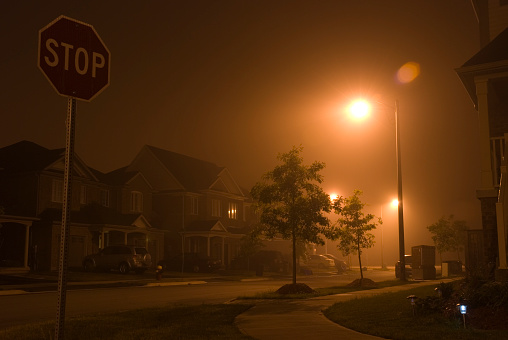
When I walked outside to get the newspaper this morning, tule fog blanketed my world. The blades of grass chilled my slippered feet, and the air bathed my face in cold breath. The street lamps glowed like steaming, yellow jewels. Houses wore shrouds of gauze, and both ends of the street disappeared into a thick, milky blanket.

I grew up in Sacramento where tule fog covers the neighborhoods, hills, and American River from November to early March. When the humidity is high and the nights cool down fast, the condensation lifts from the ground like a thick mist, as white as a clean sheet.

I paused in the front of my house to enjoy the mystical sensation. I couldn’t see any details past about a hundred feet, and the whole morning was clothed in mystery. My heart skipped a couple beats at the excitement of remembering long bicycle rides in the tule fog, not knowing whether I’d be cycling head-on into a mailbox or a person walking on the street. I rode slowly, but deliberately, tempting the fog to clear just in time to save my life from a disaster.

While I was standing outside this morning, my almost bare feet chilling, my arms cupped around my torso, holding my robe together, I felt the thrill of the mystery of not knowing what the fog was hiding.

Mystery is an exciting part of life. We never know what will happen the next day, the next year, or the next decade, even if we plan conspicuously. Life has a way of retaining a sense of mystery.

I thought back to the day when I was nine-years-old, writing my first poem. When I was a teenager and I got up early in the morning to walk in the dew-filled yard just so I could write a poem about how it looked. About when I won the Cadbury’s Essay Contest before I ever knew that writing would become my major passion. Mystery.

I thought back to the times when my parents and nine brothers and sisters celebrated Thanksgiving, Christmas, and Easter, sitting around a plain, mahogany dining room table. Later, when some of us got married and had kids, the food would be set off to the buffet; we’d line up, say prayers, and then jostle for a seat. Lots of fried chicken, sliced ham, potato salad, broccoli salad, a tray of raw vegetables, ranch dip, fruit salad, pecan pie, trifle, and pop out of the can. Never would I have imagined that these family dinners would create an unbreakable bond between me and my siblings that is even more important now that both of our parents have passed. Mystery.

I thought back to my first college adventure when I majored in accounting. I planned to work in finance my whole career since it was a good field for women at the time. I admired my mother’s sharp ability to manage money, and thought that this major would give me the independence I sought. I did. What I didn’t know was that my love of writing would eventually win out, and I’d go to graduate school to become an English professor. The change was exciting, and I’m sure a lot of the excitement came from studying a completely different topic.

I saw myself in a silk wedding dress walking down the aisle of a church in Sonoma, California toward my first husband. The mystery of not knowing that the marriage would become a disaster allowed me to stay married for nineteen years, long enough to almost get my two beloved children raised and launched, and long enough for me to pick my crippled self off the floor and walk decidedly out the door to a healthier life.

So this morning when I stood in my robe in awe at the impenetrable tule fog, I became astutely aware that my life was still full of mystery, and I felt excited. Will I ever truly become fluent in Spanish? Will I ever get the chance to fly to Argentina to visit my son-in-law’s mother and be able to chat with her?

Will I finish writing my novel? If I finish it, will I publish it? If it’s published, will I visit bookstores to read and sign it?

Will I live to be sixty-five, seventy, eighty, or ninety? If I do, will I be able to write until the very end, or will my health limit my ability to follow my passion.

That’s the thing about mystery and the future. We just don’t know what’s going to happen until it happens. This forces us to focus on the present and helps us do the best we can now so that our future has a chance of imitating our dreams.

The tule fog covered the ground for hours this morning, reminding me to make the best of my day. That’s as far as I really can see.