
By Tess Perko, author of LEARNING TO WHISTLE, a Winner for Women’s Fiction in the 2026 International Book Awards
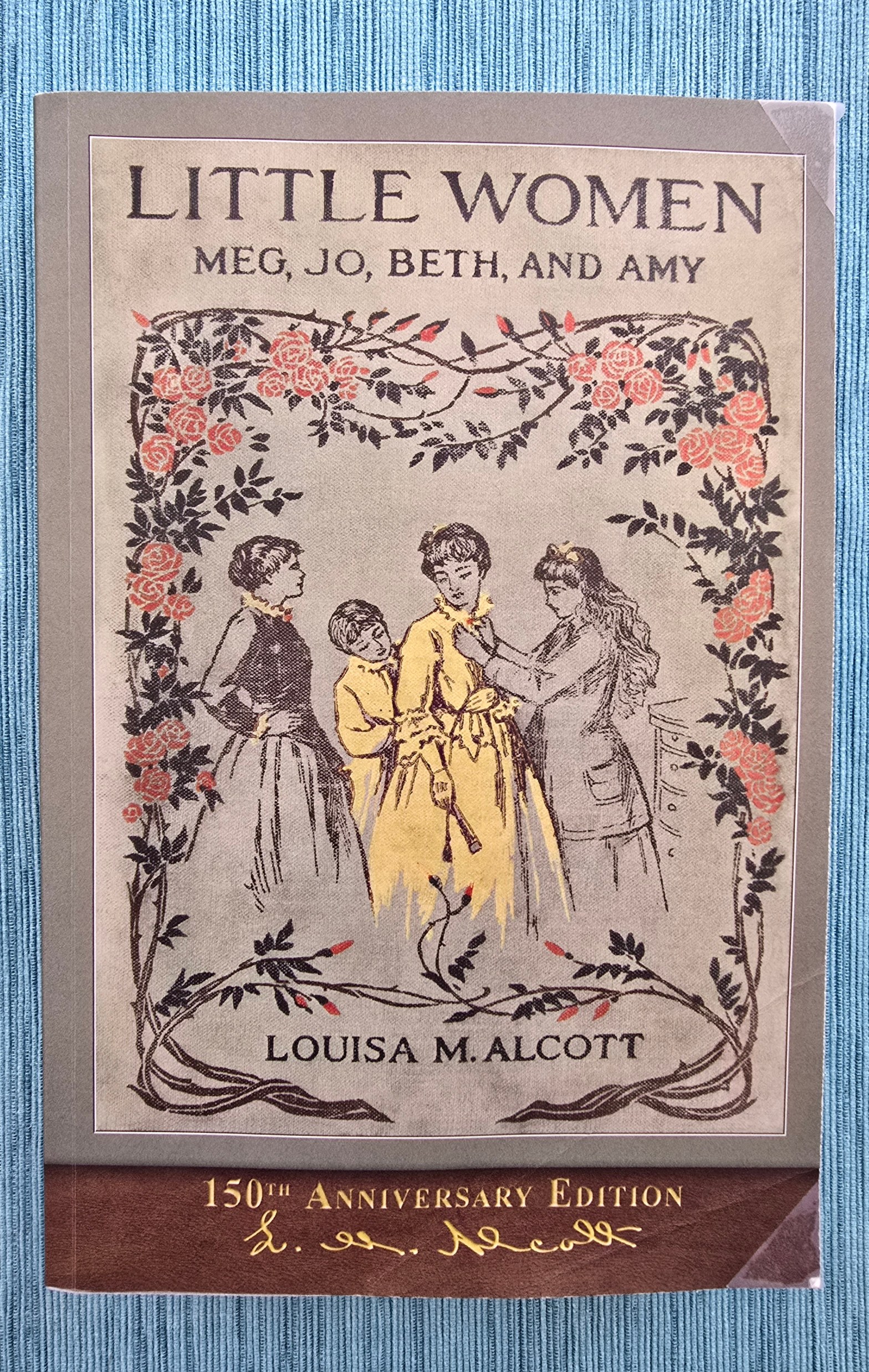
I just finished rereading LITTLE WOMEN by Louisa M. Alcott. I read this novel when I was a girl, but decided to take another look at it from a woman’s perspective. The story, based on the lives of the March family and their rich neighbors, Mr. Lawrence and Laurie, endures because its characters are flawed, endearing, and memorable. My favorite character is still Jo, one of the four March sisters, the one who writes; I identify with Jo’s yearning for independence, love of language, and passion for story-telling. But, besides its enduring characters, the novel is chock full of advice for life. Here is some of the wisdom I found among its pages as I read it for the second time.
Everyone struggles.
Each of the eight main characters in LITTLE WOMEN struggle. Mrs. March gets angry and works hard to overcome it. Mr. March struggles with illness and from being separated from his family. Meg wants pretty things, but she is married to a poor man. Jo wants to be an independent woman, but she’s limited by what society allows women to do. Beth suffers from poor health. Amy desires to be sophisticated, but she doesn’t possess a fine vocabulary or wealth. Mr. Laurence pines for his lost son, and his grandson, Laurie, struggles with laziness and lack of purpose.
Alcott illustrates these personal hardships so vividly that readers soon realize that everyone has difficulties in life even if they don’t talk about them. For example, Jo never realized that her seemingly serene mother had to struggle to control her anger until she revealed it during a private conversation.
Self-reflection helps individuals overcome hardships and grow.
The March family is comprised of extremely self-reflective characters. For example, Meg is so self-aware that when she has her own children, her mother helps her to reflect on how she has ignored her relationship with her husband while trying to be the perfect mother. Someone with less reflection would never admit to this personal failing. Once Meg sees the error of her behavior, she invites her husband, John, to participate in parenting and also sets aside time to spend with him alone.
Travel helps people gain a larger perspective.
Several of the characters in LITTLE WOMEN travel, including Mr. March and Mr. Lawrence, yet the excursions of Jo, Amy, and Laurie illustrate best how travel helps individuals develop a larger perspective. Jo takes a job in New York as a nanny where she meets Friedrich Bhaer. As she develops a friendship with him, she learns how much she appreciates his scholarship, humility, and the opportunity to be his equal. If she hadn’t gone to New York, she wouldn’t have discovered what type of man suited her.
Amy travels across Europe with her rich friends, thinking to find a prosperous husband.She meets Fred Vaughn who is wealthy, and, if he proposes, she plans to accept even though she doesn’t love him. Yet, while she is waiting for Fred to propose, travel teaches her that she’d rather be a “lovable woman” than a woman of high society.
Laurie’s grandfather convinces him to travel to Europe after Jo turns down his proposal of marriage.For the first six months, he spends money on frivolous activities, engages in gossip, and has no purpose. Finally, he meets Amy in Nice, and she scolds him for his wantonness. They have a heart-to-heart talk about his unrequited love for Jo, and, surprisingly, fall in love with each other. Their love never would have developed without distance from the March family and, especially, from Jo.
Grief is devastating, but can be healed.
The saddest part of LITTLE WOMEN is when Beth dies from complications due to Scarlet Fever. For months before her death, Jo cares for her day and night, sleeping in the same room and monitoring each and every need she has. She even takes her to the ocean in the hopes that it will heal her. But, in the end, Beth dies. Jo suffers terribly with her loss. Finally, she confides in her father and together they find comfort in sharing their grief. She also assumes some of Beth’s housekeeping chores. She sings Beth’s songs and adopts Beth’s decorative habits. Over time, these activities bring her a sense of peace.
Kindness mitigates almost any situation.
LITTLE WOMEN includes several selfish moments such as when Amy burns Jo’s book in retaliation for Jo’s dismissive behavior toward her one night. Yet, the story also is filled with numerous examples of kindness which result in strengthening the bonds between the characters in the story. On Christmas morning, Mrs. March and her four daughters give away their own breakfast and firewood to a mother and her six starving children down the street which relieves their cold and hunger. When news arrives that Mr. March is ill, Jo sells her long luxurious hair for $25 to send with her mother, which gives Mrs. March peace of mind that she will have enough money to visit her husband and help him heal. Jo also successfully cheers up Laurie when she sees him staring wistfully out his bedroom window; she visits him and tells him stories. Jo’s act of kindness expels Laurie’s loneliness and establishes a basis for a strong friendship between the two of them. LITTLE WOMEN is a tribute to the power of kindness in alleviating hardships and generating positive outcomes.
The first time I read LITTLE WOMEN, I merely focused on the personalities of the characters, their trials, and their decisions. Like the LITTLE WOMEN in the story, I fixated on the worries of a young woman—the search for an identity, love, and acceptance. I didn’t have the life perspective to contemplate the larger lessons leaking out from between the pages of the story. This time around, though, I identified not only with the LITTLE WOMEN, but also with Mrs. March, an adult, mother, and wife, burdened with personal flaws and family responsibilities, yet striving to live a purposeful and happy life. I paused often, to consider the messages that Alcott may have consciously or subconsciously intended to convey, and connected those messages to my own life. This time, I discovered LITTLE WOMEN’S wisdom.
Please share in the comments if you have ever reread a story and come away with a new perspective. What did you learn?
Also, check out my novel, LEARNING TO WHISTLE, published in 2026 by She Writes Press and distributed by Simon & Schuster, a Winner for Women’s Fiction in the 2026 International Book Awards.

