ADAPTED FORTUNE COOKIE WISDOM

Today, I broke open a fortune cookie to find this fortune: “The really great man is the man who makes everyone feel great.” Since I’m a woman, I immediately changed “man” to “woman” so that I could apply it to myself. Then, the more I thought about it, the more I liked my “adapted” quote better.

When people think about the great characteristics of men, they often include “leadership” as one of those traits. Not so for women. Good traits for great women often include self-effacement, submissiveness, sweetness, and obedience.

I inserted “woman” in this fortune to point out that women don’t have to be doormats or voiceless handmaidens to bring greatness into the world. In contrast, women who act as spineless or voiceless females hurt and limit the potential of both themselves and men. I know women who are their family’s breadwinners, but who still allow their husbands to act as the “head of the family.” I also know women who are treated so badly in their relationships that they have no power whatsoever—no equal voice in their marriage, no personal confidence, and no respect from their children. These situations occur when men act as insensitive partners and women allow men to control and diminish their lives.

Women can be transformative leaders, but it’s going to take a global village to make that become a natural expectation.

 I’ve spent the last five years writing my first novel, Learning to Whistle, about a woman finding her personal power, something that all women struggle to do. My novel is coming out on April 7, 2026 by She Writes Press, a publisher that has been a true blessing in my life.

Through the community of She Writes Press, I’ve learned about the countless ways that women and men can boost the success of women. First of all, I’ve learned that publishing is a process. Experiencing the progressions of editing, rewriting, re-examining, publicizing, and sharing success has given my writing life a bigger vision to follow. With my new perspective, I will forever learn better ways to express myself and to make a difference. My writing career isn’t dependent upon how much I publish, but, instead, about how I nurture my own heart and how many other souls I raise up.

I’ve learned about the power of community and that people who promote the success of others experience their own greater rewards. I’ve cheered for my fellow She Writes Press authors when they win awards and followed their social media pages. I’ve purchased their books, read them, and written reviews.

But, in return, I’ve received immeasurable benefits. Through my fellow She Writes Press authors, I’ve found a reputable company to publish the audio book of my novel. Through Brooke Warner’s Substack posts, I’ve discovered great memoirs, such as Joyride by Susan Orlean and All the Way to the River: Love, Loss, & Liberation by Elizabeth Gilbert, which have exposed me to examples of the grit it takes to be a successful author. Warner also connected me to Jane Friedman, who publishes her own writing blog and offers numerous writing classes. My publicist, Caitlin Hamilton Summie, introduced me to podcasts and blogs that promote writers such as Compulsive Reader that, on December 28, 2025, published an interview of me by my daughter, Rachael Brandt at https://compulsivereader.com/2025/12/28/an-interview-with-tess-perko/ on December 28, 2025. Hamilton-Summie also connected me to the author Suzanne Simonetti, who writes alluringly realistic tales about women and their struggles—good writing I can emulate.

I don’t suppose anyone will ever label me as a “great” woman, but, then again, I don’t seek fame. I seek to be—not a doormat, not a handmaid, not only a mother, not merely a wife, not solely a friend—but a full participant in the human race who happens to have the valuable perspective of being a woman.

What am I going to focus on in 2026—polishing my leadership skills until I lead with grace and ease.

Building a Sentence, Step by Step

Photo by Dmitry Shamis on Unsplash

You know what excites me? Crafting sentences that overflow with content and brim with alluring vocabulary. When I read Stanley Fish’s book, How to Write a Sentence and How to Read One, I became giddy with pleasure, thinking about all the future memorable sentences I could write. In one chapter, Fish demonstrates how to expand a four-word basic sentence into one that reveals character, moves the plot, and illustrates how the setting affects a story. Let me show you what he suggests with my own example.

My basic four-word sentence is: her brother went to the meeting.

Now, if I want to build the character of the brother, I must say something about him. Here’s my first addition: her brother, a tall and lanky 56-year-old with a cantankerous and rude demeanor. But I could say even more. Here goes: her brother, a tall and lanky 56-year-old with a cantankerous and rude demeanor who always arrived twenty minutes late to every appointment and made excuses for his tardiness. Now, the reader knows that this guy is unpleasant and too arrogant to take responsibility for his short-comings.

Next, let me tackle how he went to the meeting. I replace the verb “went” with a more exact one and add some related information: her brother, a tall and lanky 56-year-old with a cantankerous and rude demeanor, who always arrived twenty minutes late to every appointment and made excuses for his tardiness, rolled his wheelchair across the snow-packed sidewalk in thirty-degree weather, wearing a down jacket, gloves, wool hat, and earmuffs. Not only does this addition explain how he got to the meeting, but under what conditions. It also infers that he was determined to go since driving a wheelchair over the snow in freezing weather is tough.

Ok, home stretch here. Let’s finish by adding something about the meeting: her brother, a tall and lanky 56-year-old with a cantankerous and rude demeanor, who always arrived twenty minutes late to every appointment and made excuses for his tardiness, rolled his wheelchair across the snow-packed sidewalk in thirty-degree weather, wearing a down jacket, gloves, wool hat, and earmuffs, to get to his AA meeting. Whoa, I only added one more word, here, but a term full of meaning and content. Now, the reader might associate the brother’s tetchy deportment with his alcohol problem that he is struggling to overcome.

I like this sentence so much I’m going to paste it on the bottom of this post, so I can admire it. Happy sentence-crafting to you, too.

Her brother, a tall and lanky 56-year-old with a cantankerous and rude demeanor, who always arrived twenty minutes late to every appointment and made excuses for his tardiness, rolled his wheelchair across the snow-packed sidewalk in thirty-degree weather-wearing a down jacket, gloves, wool hat, and earmuffs-to get to his
AA meeting.

by Tess Perko

Reference: Fish, Stanley. How to Write a Sentence and How to Read One. Harper. 2005.

Five Ways to Read Like a Writer

Photo by Michael Satterfield on Unsplash

When I was a child, I sat in a corner on the floor, reading fairy tales and getting lost in the dreamy and, sometimes, cruel, plots. I wasn’t yet a writer.

Now that I AM a writer, I read differently. I give myself permission to stop anywhere to observe the author’s craft. Here are five things I do.

Make Notes in the Book

I read books on my Kindle and via paper. The reason I use a Kindle is that it’s easy to hold while reading in bed. But, if I find an author whose writing I want to analyze, such as Barbara Kingsolver’s Demon Copperhead, I buy the paper version, and I write notes in it. Notes are better than highlighting since they help me remember why I marked a particular sentence. I’m not going to give the book away since I know I’ll come back to it over and over again to think about Kingsolver’s wording, sentence placement, or plot twists.

Look Up Words

Building vocabulary is a lifetime endeavor. I’m always finding new words while I read, especially when I read authors from other countries such as England and Australia. Different cultures seem to emphasize different vocabulary. For example, the other day, I came across the word “palaver” which means a prolonged and idle discussion. I look these words up, but I don’t take the paper dictionary off the bookshelf to do this. I’ll either use the dictionary feature on my Kindle or a dictionary app on my phone to make the task more efficient. Then, I’ll think about how the word fits into the author’s sentence and also how I might use it in my own writing.

Think about Word Choice

In Demon Copperhead, Barbara Kingsolver begins Chapter 40 with this sentence: “One look at her and I was gone” (319). The word that caught in my throat was “gone.” When I read it, I couldn’t wait to read the rest of the chapter. I had to find out what she meant by it.

That’s how powerful one word can be. I want to be the kind of writer that can use words to grip a reader, make her heart pump, send pulses through her body, and keep her reading. The only way for me to become better at this is to read how other writer’s do it. Which word does she choose? Where does she put it?

Evaluate How a Sentence is Structured

Believe it or not, sentence structure can make an action more compelling. Short sentences or phrases create tension or drama. Long sentences can paint a picture. Here’s a sentence from Demon Copperhead: “In my high-water jeans and the old-man shoes Mr. Peg had loaned me at Christmas, I joined the tribe of way-back country kids with no indoor plumbing and the Pentecostals that think any style clothes invented since Bible times is a sin.” This sentence not only describes what Demon was wearing, but it also says something about the two types of kids that he hung out with. In other words, it packs a punch.

Think about How an Author Uses Dialogue to Create Character

People don’t use the same words, have similar accents, or form identical sentences. Writers can say a lot about a character by creating dialogue that is unique to him or her. For example, in The Great Alone by Kristin Hannah, Large Marge says, “’Sit down or I’ll knock you down” (162). Large Marge is a big woman who is not afraid to threaten a man and her words illustrate this. If she was small or complacent, she would’ve said something completely different.

The Close

I can’t think of any better way to become a mature writer than to read voraciously. The true writer that gets excited about great prose.

Six Steps Back to Confident

I hate feeling inadequate, unsuccessful, afraid of failure, or irrelevant. But that is exactly how I feel immediately after I read comments about my writing from my editor. Which I did yesterday, a Saturday.

My first reaction to her comments was why was she working on a Saturday and bothering me while I was having a wonderful mother/daughter day? As I read her email of criticism, my chest filled with anxiety and fear infiltrated my whole body. I couldn’t bring myself to open the attached manuscript which contained her specific comments—line by line. My state of mind was so low that I went to bed considering giving up getting published.

Yet, after I fell asleep, I dreamed about how I could revise the story to make it better. I’m a writer down to a cellular level. There’s no escaping it.

When I woke up this morning, I realized that the most important task was to get my confidence back. My writer’s soul needed immediate attention, so I gave up my four-mile walk and took these six steps back to confident.

Allocating Time for Self-Love

I realized a few years ago, that self-love is a crucial part of confidence. I don’t just “find” time for it, I “allocate” time for it. Sometimes, I spend an hour dedicated to self-love, and other times, I spend ten minutes. In any case, it is the first step I take to empower myself.

This morning, I decided to start my morning with self-love. I made a cup of tea and found a place to be.

Doing Something Joyful

Joy is also a part of confidence. When I experience joy, I know I’m valuable enough to deserve it. One writer I know goes for walks. Her joy comes from the breeze in her face and the smells of the flowers. Another friend bakes cookies or bread, filling her kitchen with happy warm and yeasty smells.

I found joy this morning by sitting in a rocking chair on my patio surrounded by my roses, hydrangeas, and gardenias. As I sat, drinking my tea infused with honey, I noticed that the patio tiles were littered with leaves and twigs from the neighbor’s tree. So, I got a broom, swept it, and put the debris in the trash. I also used the broom to clear cobwebs off the solar lanterns on the fence.

Swishing a broom across a floor reminds me of Cinderella and how, after putting her broom in the corner, she dressed up in her ball gown, met her prince, and lived a happier life. I store my broom in a corner of my patio. It represents “renewal.”

As I was sweeping, I saw flower bushes that needed deadheading, so I found clippers and pruned them. Then, once again, I sat in the rocking chair to admire my clean garden. I admired the various pink hues of the flowers and how they complimented the green grass and bushes. I lingered upon the gazing ball and watched how the sun turned it into a prism of rainbows. Bees and tiny orange butterflies flitted from flower to flower, and a hummingbird whizzed through the branches of the mock strawberry tree. The beautiful scene sank into the pores of my skin and filled my body with the love of nature.

Nourishing my Belly

I’m lactose intolerant, so if my belly isn’t comfortable, I’m out of service. Nourishing my digestive system affects my brain, my heart, and my writing soul.

One writer I know eats a carton of ice cream to feel better. Another writer friend eats chocolate. Me? This morning, I ate two pieces of seed bread with mashed avocados on top. It was filling and nourishing to my sensitive stomach. My stomach seems to be the foundation of my well-being.

Taking a Shower

When I look good, I am a better writer. After I found joy in my garden and nourished my belly, I took a warm shower. I didn’t just use water and soap to refresh my body. I used a loofa to scrub my skin soft and facial soap for cleaning my pores. After showering, I lathered my face and body with lotion until I felt renewed and adequately pampered.

Reading Positive Comments about Myself

When someone says I’m friendly, I feel great. If they point out a sentence of mine that they love, I feel fabulous and talented. So, what I did after my shower was to open my editor’s attachment that included her detailed comments. I skimmed over her recommendations and found places where she had complimented me on phrasing, wonderful word choice, or sensational sentences. As I read, the weight in my chest lifted and I no longer felt that she thought I was an inadequate writer. I couldn’t be if I could type out these incredible lines.

Writing Something that I Control

By this time, I was ready to tackle my editor’s criticism and start revising my novel. But I decided to do one more thing —write something that I could publish on my own; therefore, I wrote out this blog. I’m going to post it in just a few minutes, and after I do, I’m going to feel like I’ve accomplished something even before lunchtime.

My confidence is back.

A Writing Exercise for Immediate Satisfaction

I love writing, but sometimes, I tire of working on a huge project, such as a novel. I want to write something that rewards me with instant pleasure.

Last week, I read Stanley Fish’s How to Write a Sentence and How to Read One. In this captivating book-length essay, he includes some exercises to help people write “finely crafted sentences.”

In Chapter 2, he asserts that “a sentence is a structure of logical relationships,” and excellent writers build sentences with a variety of logical relationships.  

To practice, he proposes that a writer begin with a short sentence of three or four words such as my example of “Toby cooked the chicken.” Then, the writer adds a series of logical relationships to this short sentence to make it interesting. Here’s my attempt:

  • Toby, who had arrived at the restaurant at 10:06 a.m. instead of his expected time of 9:00 a.m., cooked, or rather deep-fried the chicken, which the owner purchased at the local butchery that morning before he arrived at 9:00 a.m. on time.

I realize that this isn’t the most incredible sentence of all time, but it says much more than its original version. First, we know that Toby was extremely late to work. We also know that he cooked the chicken with grease since he deep-fried it. He works with his boss, who does the purchasing for the business, and his boss knows he was late since he arrived before Toby. As soon as I wrote it, I felt elated at my new-found skill.

Here are a few more examples of my sentence-relationship-building exercises.

Short sentence: The dog scratched his ear.

Adding logical relationships:

  • The dog, a runt mixture of auburn English Setter and black Poodle, scratched his ear, which was covered with a bandage due to an infection.

Short sentence: Joan called her father.

Adding logical relationships:

  • Joan, who was suffering from the flu and lying in bed with a box of Kleenex, called her father to whom she hadn’t spoken since before she bought her new car.

Short sentence: Dan drove his car.

Adding logical relationships:

  • Dan, a medium-sized guy with a mop of brown hair and a sliver of a mustache, drove his car, a bright red Subaru Outback that he had bought five years ago in Bozeman, Montana.

This exercise is so easy that I plan to do it every day. Why shouldn’t life be fun all the time? Thank you, Stanley Fish.

Source: Fish, Stanley. How to Write a Sentence and How to Read One. Harper. 2005.

What Writing Letters Taught Me

Photo by Hans Isaacson on Unsplash

My mother hated writing letters, but she had three sisters who loved to communicate with her via writing. Mom was. however, an excellent problem-solver; using her exceptional negotiation skills, she convinced me to write letters to her sisters on her behalf.

For someone who didn’t like to write, she was a pretty good writing coach. From her coaching, I developed a passion for writing. This is what she taught me.

Brainstorming is Useful

When Mom asked me to write a letter, I first said, “I don’t know what to write.” Mom asked me to make a list of things I could write about, and she gave me some ideas: the weather, the garden, church, school. After a while, I started coming up with some of my own ideas in addition to these. My list included making cookies, going to the snow, and having my friends over to spend the night.

I still make lists before I write. Sometimes, I get ideas for a blog, like this one, while I’m sleeping. I get out of bed, go to the other room where I keep an arm chair and a pad of paper, and write down the ideas before I forget them.

If I get a dose of writer’s block, I jot down impressions that I want to include in a blog or chapter. I list as much information as I can and then leave it alone for a day or two. The notes help me get into the mood to write, and soon my writing juices are flowing.

How to Warm Up

“I don’t know how to start the letter,” was another refrain I often used. Mom said to start with “How are you? I am fine,” and then move onto another topic.

Asking about someone’s health seemed to be such a gracious opening, and it made me feel like a polite niece. Believe it or not, this introduction helped me warm up for the next subject.

How do I warm up for writing today? I have several methods that I’ve created to get me into the mood.

The first one is to take a walk in my garden where I have dozens of rose bushes that I’ve planted. Sometimes, I prune, other times I fertilize, but I always at least enjoy how beautiful they are. In my garden, I express my creativity, and enjoying it stimulates my creativity for writing.

Another thing I do to warm up is to read one of the affirmations that I’ve posted on my bulletin board to the right of my desk. Currently, I have three affirmations typed on 8 ½ by 11-inch paper to inspire me.

The first one says, “I lead with grace and ease.” When I read this, I see my writing as a way to lead the world to a better place. Thinking about being a leader dispels fear and encourages me to stand tall and feel calm.

The second one says, “I possess perfect self-expression.” I developed this affirmation when I started writing my first novel three years ago. I didn’t want writer’s block to inhibit my progress, so I thought of how I wanted to feel when I sat down to write.

The third affirmation on my bulletin board is, “The Midas Touch.” A few months ago, I was discussing my writing with a friend, and she said, “You possess The Midas Touch.” What she meant was that I was a brilliant and prolific writer. This gave my confidence such a boost that I decided to make it another affirmation for daily motivation.

Sentence Clarity

The letters I wrote on behalf of my mother taught me how to write clear sentences. As any serious writer knows, practice is the key to improvement. My mother had faith in my ability, so I was writing letters to her sisters at least once a month, and I started when I was six years old. Due to my mother’s coaching, my writing career and my writing practice started early in life. I’m sure, by now, I’ve written at least as much as The Beatles sang during their band years.

Paragraphing

Even though mother didn’t like to write or read, she was organized; therefore, she coached me to start a new paragraph every time I started to write about a new topic.

For example, I started each letter with “How are you. I am fine.” If the next topic was the weather, I’d start a new paragraph, which often turned into an interesting slice of my life. Here’s an example:

Today, the weather was sunny. We played outside all afternoon, and the bees were buzzing around the plums that had dropped to the ground. Since I was barefoot, I stepped on three bees and got stung three times. Luckily, Mom took out the stingers and I was fine.

Revising is Okay

If I made mistakes on my letters, my mother coached me to cross them out and to write the corrections after them. If I made too many mistakes, she convinced me to reprint the whole letter.

Maybe I was going to be a writer anyway, but knowing that I could make mistakes and fix them took off the pressure of being perfect the first time. For me, this was an important process to learn since, deep down, I hate making mistakes.

I also learned about revising from the letters I received from my Aunt Mary Ann. Today, Aunt Mary Ann is over 90 years old and still writes letters. If she makes a mistake, she crosses it out and rewrites what she meant to say. She demonstrates the perfect example of the writing process.

The Courage to Write

The other day, I told my five-year-old granddaughter that she could be a writer. Using one of her books, I showed her where her name would appear on the title page. She smiled at that, but then said, “I can’t write a story.”

For many people, writing is a daunting task. I know this since I taught writing at the college level for fifteen years.

Fortunately for me, I had a mother who didn’t take “no” for an answer. She had confidence that I could write.

Even now, when writer’s block stops my creative flow, I write letters: to Aunt Maryann, Aunt Dorothy, my friend in New Mexico, my sister-in-law in Florida.

Where did I get the courage to write? From a non-writer who believed in me.

The Purpose of My Blog

Photo by Sincerely Media on Unsplash

I recently took a free class about blogs from Reedsy, a website that offers professional help to writers.

One of the topics discussed in the online class was the purpose of a blog. While I was reading about this, I realized that I had begun my blog for the purpose of improving my teaching skills; however, now that I’m retired, my focus is on my own writing and my other retirement activities.

The purpose of this post is to explore the current focus of my blog.

Practicing Writing Skills

The biggest focus of my current blog posts is to practice various writing skills.

I am currently exploring the ideas for my second novel so I decided to writing a series of character studies. In each post, a new character finds herself in a different situation. I use distinct character traits to identify her. I choose a unique name and reveal whether she is a child, youth, young adult, or older. I sometimes describe her physical characteristics, especially if they are important to the story.  For example, if she is riding a bicycle, I may describe the strength of her legs.

Since each story is unique, I use specific description to illustration the setting. She may be in a bedroom, on a trail in the country or behind the bar in a night club. In addition to using visual description, I try to add smells and noises to make the setting as vivid as possible. Perhaps, someone has spilled whiskey on the bar or the juke box is blasting out Beatles’ music.

Sharing My Writing Experiences

Since I retired almost three years ago, I have written one novel and over one-hundred blog posts. I also have petitioned several publishers about the publication of my first novel.

Needless to say, I’ve learned a lot in the past three years about my current writing activities. I like to share my experiences so that other writers can benefit from my practice, and so that I can interact with other people who love to write. Writers have so much passion about their work, and that excites me.

When I was writing my first novel, I wrote a post about my experience. You see, I didn’t have much of a clue how this project would go. Maybe I’d write it and find out it was awful. Maybe I’d have to completely rewrite it.

I wrote about telling people about my novel writing. They asked detailed questions. I made no promises. I protected my heart from criticism, but I listened to it as well.

What happened? I actually wrote a novel that is now being considered by a few publishers.

In another post, I wrote about how I evaluated publishers for my first novel. I thought this was important to share with other writers since publishers all have their own missions. Writers waste time if they don’t evaluate which publisher is appropriate for their book.

Sharing My Retirement Experiences

Retirement has turned out well for me because, during the first month, I made a three-part plan of what I wanted to do. The first goal was to write a novel. Second, I wanted to become fluent in a second language, and, third, I wanted to raise money for scholarships for community college and vocational students.

I’ve met so many people in the last three years and I’ve learned that some retired people are happily retired and others are bored. I write blog posts about my retirement experiences to demonstrate how retirement can be a vivacious time of life.

I’ve traveled several times since my retirement, and I’ve written about these trips. Two summers ago, I visited my cousin’s dairy farm in Minnesota. I wrote a blog post about being a “town girl on a dairy farm.” From that same trip, I wrote about how my ancestors came from Kashubia, currently a northern part of Poland. I also wrote about a hike on my great-grandfather’s property, which is now a Minnesota State Park. And I pleased my dozens of cousins when I wrote about how diverse they were.

I joined a philanthropy group named The Alamo Women’s Club since they raise money for college and vocational scholarships. Now, I’m the chair of the AWC Scholarship Committee. I’ve written a blog post about how we awarded eleven scholarships to financially-disadvantaged students in April, 2023. But that’s not all the organization does. We collect coats in the winter for people who need clothing. We assemble food packets for Ukraine refugees in Poland. We sponsor jewelry sales for scholarships. Our activities have provided a host of ideas for my writing blog posts.

Now that I’ve written this post, I’m going to revise my front page to update the purpose of my blog. It’s nice to gain clarity.

Turning Ordinary Events into Writing

I used to think that my life was too ordinary for fostering ideas for writing. But finally, I realized that the best story-telling is about human nature itself. That’s when I started looking for writing ideas everywhere and every day.

In this blog post, I share five ordinary life events that I turned into stories or posts.

The Pancake Contest

When I was five years old, I competed against my brother Don in a pancake contest. The contest happened at home at breakfast time. My mother made as many pancakes as we could eat. My brother lost the contest and I won by one pancake.

Fifty years later, I turned this ordinary childhood event into a funny story with descriptions of my brother groaning in pain and of me raising my arms in victory.

A Picture of a Road Bike

One day at 5 p.m., my son sent me a picture of the handlebars of his new trail bike. By 6 p.m., it was dark outside, and I started to wonder if he was biking out in the hills in darkness. Luckily, he wasn’t.

I wondered what it would be like if a bicyclist did get caught in the middle of the hills in the dark. I wrote a story about a girl who starts her bike ride at dusk and gets distracted when she finds a tarantula. She ends up in a valley at nightfall and has to find her way back to the deserted parking lot while the night wildlife threatens her safety.

Taking a Stuffed Bear to a Cemetery

A week after my mother died, my brother texted me and my siblings to tell me that he took a stuffed bear with him to visit her grave. The bear was created from clothes that my mother once wore.

I invented a story about this visit, which I titled Rain. The story describes a man driving a truck to the cemetery to see his mother as it rains. When he arrives, the rain stops. He thinks about how his siblings have connected via text messages since his mother died. He puts the bear next to her tombstone and says a prayer. As he drives away, the rain starts again.

A Hike in San Francisco

A few years ago, I joined a Meetup group that hosted walks all over San Francisco. One walk started at the Embarcadero and crossed the city from east to west for seven miles until we reached Land’s End. Another hike circled the exclusive neighborhoods of Twin Peaks and climbed up to the Sutro Tower, one of the highest points in the city.

When I was writing my novel Whistle, I used these hiking experiences in one chapter to help my protagonist escape the sorrow of her home after her mother dies. She walks along the ocean to Golden Gate Park.

Filbert Street Steps and Graffiti

When my friend came to town, I met her in San Francisco to climb the Filbert Street Steps. This staircase covers three ascending blocks from Sansome Street to Coit Tower and includes well over two hundred steps. On my way to the city in Oakland, I saw some graffiti on an overpass that said “Resist Authority.”

I turned the staircase and graffiti experiences into a short commentary about how I like to read graffiti so I can hear what the needs of people are. This post received a lot of attention on my blog. It seems like many people identified with it.

Now, I have a fertile writing attitude. My whole life is a garden of ideas, waiting for my creativity to take them from a personal experience into the world.

Darkness and Loss

Photo by Tuvalum on Unsplash

Meira didn’t realize the sun would set so quickly.

Right after she got off work, she had hung her new mountain bike on the rack of her car and driven to Sycamore Open Space, just five miles from home.

She’d rented three different mountain bikes on three different weekends before she decided to buy this one. One bike shop was all the way down in Santa Cruz. She had driven down there to rent a bike and took a ride in the butterfly sanctuary near the ocean.  She’d loved the sanctuary, but not the bike. The other two bikes were from shops in Walnut Creek. Her third rental was the one she fell in love with. Sophisticated gears and a front suspension. It also put a dent in her savings account, but she was excited to have it.

When Meira started to ride up the dirt trail, the sun was dipping toward the west. She thought she’d have at least an hour of daylight in which to ride.

The beginning of the trail was flat. It meandered along the back side of a neighborhood of expensive houses, their manicured yards butting up to the golden weeds of the park. Gigantic oak trees shaded the path with strong leafy arms, and acorns crunched under the wheels of Meira’s bike.

At the end of the neighborhood, the trail rose to follow the curve of a hillside. As Meira increased her peddling, she noticed dried pads of cow manure covering the trail like dollops of brown paste. To her left, a foot-long gopher snake wiggled out of her way and disappeared into the grasses.

It felt wonderful to be out in nature. Work had been stressful. She had four meetings in the morning, one after another with members of her team from all over the world. Exhausting.

She’d spent the afternoon working on the graphics for the training video. Her eyes were tired from focusing so intently as she altered photographs and added special effects in all the right places. The only thing that kept her going was thinking about how she’d go for a bike ride after work.

She didn’t bring any electronics with her, not even her phone. What she needed was to be alone in the quiet landscape. No voices, no conflicts to solve, nothing but stillness.

The trail curved to a higher altitude, and Meira stood on the pedals of her bike to make it to the top of the hill. She noticed the cloudless sky turn a darker shade of blue. Yellow wallflowers poked their heads out from among the dry weeds on both sides of the trail. A few oak trees cast huge shadows over the hill as the sun sank lower.

She took deep breaths as she pumped the bike up the grade. Turning her head side to side to stretch her neck, she pushed her shoulders down and sat up as straight as she could. Finally, she reached the top of the ridge, braked, and put her feet on the ground.

She could see a panorama of golden hills and valleys, the hills rising higher and higher until they created the twin peaks of Mount Diablo. The gray-blue sky perfectly complemented the grasses that had taken on a rusty hue as the daylight waned.

In one of the valleys, a coyote slinked across a trail, its body strong and well-fed. Two hawks sailed overhead. They had red tails and enormous wingspans. She watched them make circles.

The path led down the hill, so Meira followed it in low gear, pumping her brakes to prevent from losing control. That side of the hill was gloomier than the western side. She’d make sure she turned around before it got too dark.

When she reached the bottom of the valley, Meira peddled fast to create momentum for ascending the next hill. She breathed deeply as she started her next ascent and stopped the bike where the trail met a second track halfway up the hill.

She’d never been down the Northgate Trail before, so she turned right and followed it as it circled around the hillside. A clump of golden poppies waved their blossoms from out of the weeds as if they were happy to see her. She was surprised to still see them still blooming in late October. The trail spiraled around the hill, slowly ascending to the top.

All of a sudden, Meira spied a dark, moving object in front of her. It was live, that was for sure. She braked and stopped the bike about a yard in front of it, leaned over the handle bars to get a better look.

A tarantula.

She had forgotten that the tarantulas migrated across the park in October to find a mate. This one was bigger than her hand.

Meira climbed off her bike and carefully set it on the trail. She crept quietly closer to inspect the spider. Fascinating.

The tarantula had long legs with little hooks on the two front ones. It was a male. She knew that the females had fatter bodies and shorter legs. They also didn’t have those little hooks that the males used to hold onto the female during mating.

Meira scanned the trail for signs of holes covered with white threads, places where female tarantulas waited to mate and then lay their eggs. She parted some of the weeds to search harder. No luck.

Well, this poor guy was going to have a long walk to find a mate. She sat down on the dirt about a foot away to watch him slowly crawl across the trail. He didn’t seem to mind her attention. He continued his turtle crawling, one furry leg at a time.

Before Meira realized, the sun had fallen behind the Las Trampus Mountain Range in the distance, washing the sky in a smearing of orange and red streaks.

She stood up, dusted off the back of her jeans, and nodded to the tarantula.

“Gotta go, Buddy. I hope you find yourself a girlfriend soon.”

Meira climbed on her bike and turned it around to follow the trails back to the parking lot. Their outlines were hardly distinguishable from the landscape around them. She pedaled as quickly as she could around the side of the hill to find the four-way stop where she had turned. As she passed by an oak tree, the path became so dark that she couldn’t see to avoid cow paddies or rocks in her way.

Finally, the reflectors on the four-way stop lit up like a single match in the dusk. She turned left.

The problem was, she still had to take the trail up the next hill and down the other side in the dark. Then she had to follow it behind the neighborhood to get to the parking lot.

She drove fast, hoping that she wouldn’t hit a rock and throw herself into the weeds. She reached the valley floor and started up the next hill when she heard the yips and howls of a coyote. Or maybe more than one. She shivered.

The oranges and reds of the sky had turned to reds and purples. Behind her, the sky was indigo. How long before all evidence of light was gone?

When she reached the top of the hill, she stopped to catch her breath. She was wheezing with fear, wondering where those coyotes were.

Would she meet a rattlesnake and not see it? Would she run over a tarantula? They were fine in the daylight, but not at night.

The coyotes insistent yapping cry rose again. Meira held her breath, opened her eyes as wide as she could to see through the dusk, and looked frantically around for moving shadows.

Without seeing more than a few yards in front of her, she started down the trail again, going slow so she wouldn’t fall off the bike. The temperature had dropped at least five degrees; cold air bit her face.

She couldn’t see where the trail flattened out so when she hit the bottom of the hill, the back of her bike jerked up and threw her off. She landed with her right leg stuck under the bike. Her right hand had landed on a rock and she could feel thick warm liquid oozing out of her palm. Blood.

Slowly, hoping she wouldn’t feel a furry tarantula or the scaly body of a snake, she untangled herself from the bike, stood up, groped around to find the handlebars, and pulled the bike up.

The neighborhood of expensive houses was a few yards ahead.

Whew, she was almost there. All she had to do was follow the flat trail behind the neighborhood to the parking lot.

Some of the houses had back lights turned on which cast enough light so that she could at least tell where the fence line was. The other side of the trail was pitch black since the massive oak trees completely blocked the fading sunset.

Meira pushed the pedals as fast as she could, following the porch lights and fence line. Up ahead was a lone street light. The entrance to the parking lot. She hiccupped a breath as she leaned over her handlebars to increase her speed.

The single street lamp created a circle of light on the ground. Meira stopped her bike underneath it and searched the small parking lot to find her car.

There it was. The only car in the lot, covered in shadows from the nearby sycamore trees. The only sounds she heard were the crickets chirping like cell phones in the blackness.

She was safe.

She walked her bike to the back of her car. The straps of the bike rack hung like despondent arms lost in the night. Meira shook her head quickly to dispel her fear, hoisted the bike onto the rack, and strapped it securely.

She unhooked the pack on the back of the seat and removed her water bottle. She had left her cell phone at home, so she didn’t have to worry about that.

It would be good to get back and have dinner.

Meira scanned the perimeter of the lot for signs of movement. Breathing shadows? Hungry animals that hunted in the darkness? Slithering or crawling predators? Seeing nothing but pitch blackness, she took a long, deep breath.

All clear. Let’s go.

She bustled up to the driver’s side of the car and reached into her back jeans pocket for her car keys.

They weren’t there.

Character Study: Lily & Diane

Photo by Derek Duran on Unsplash

Lily parked her car across the street from the restaurant where she was meeting Diane at 11:30 for lunch.

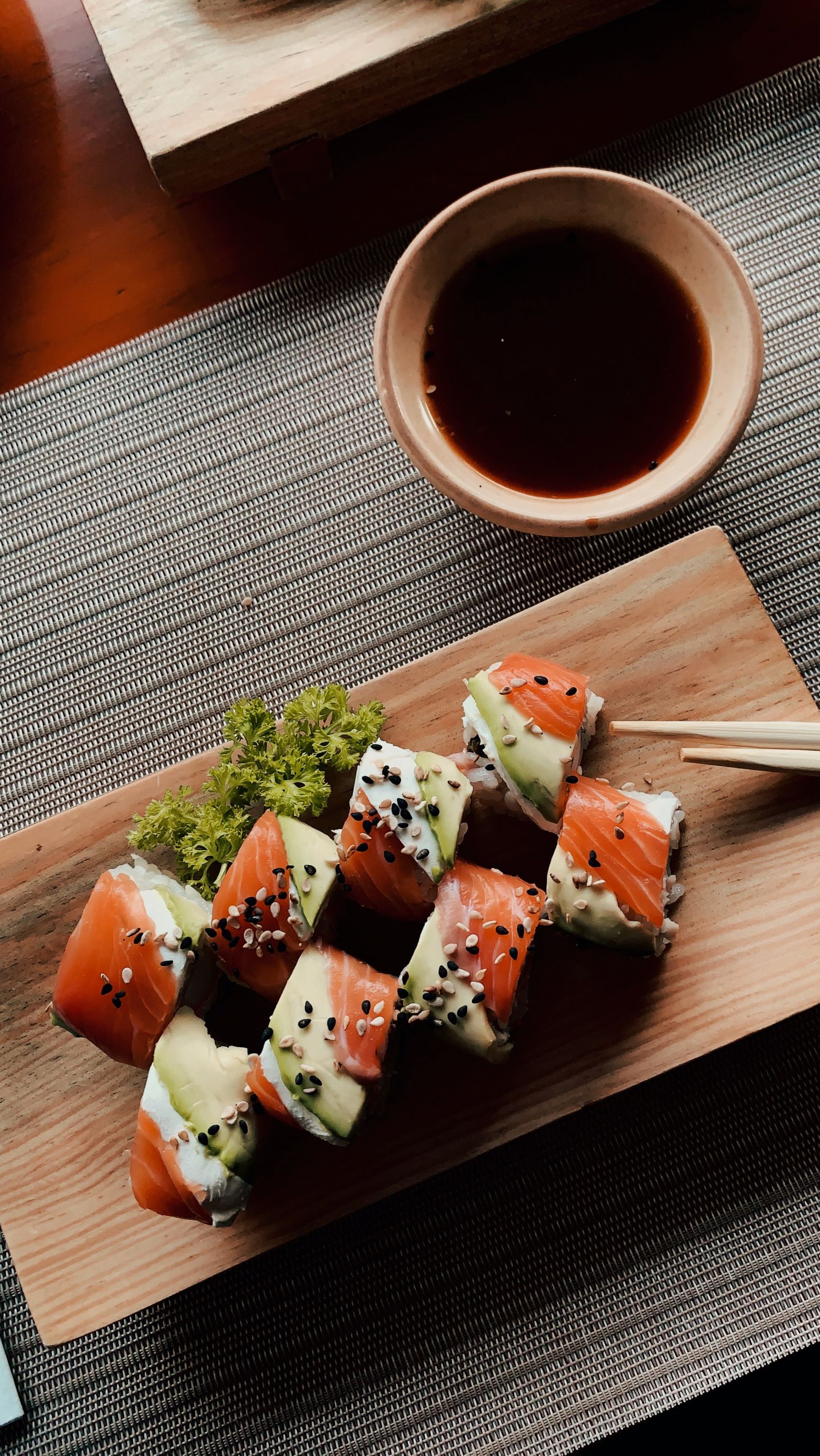
A line of people trailed from the closed door in front of the restaurant. Wow, that place was popular. Everybody loved a good sushi place, especially one that uses the fresh seafood and produce of California.

The pedestrian light turned green and Lily crossed the street. Cars quickly lined up at the perpendicular red traffic light.

Busy street.

Diane was in line, punching something into her cell phone as Lily walked up. Lily, at 5 feet 7 inches, felt like a lighthouse next to Diane’s 5 feet 3-inch frame. Diane was dressed in a tan one-piece short suit and an expensive pair of black sandals. She looked cute, but Lily wasn’t brave enough to wear such a revealing outfit with her long, slender legs and hour-glass figure. After all, she was 66 years old, and she didn’t think she should be wanting that kind of attention.

Precisely at 11:30, a woman dressed all in black unlocked the restaurant’s door. The line moved quickly as two slender hostesses led people to empty tables set with white cloth napkins and tiny plates.

Lily and Diane were given a corner table from where they could view the whole dining room. The north wall, covered in windows, let in a profusion of natural light without the distraction of the bright sun.

A pleasant place for lunching.

Before they could look at the menu, a busser brought a bottle of water and two glasses and set them on the table.

“Your waiter, Lenny, will be right with you,” he said, smiling shyly.

Lily smiled brightly to let him know that she appreciated the water. She nodded her head.

“Tell him to hurry,” said Diane in a brusque voice, rapidly patting the table. “We’re hungry.” She grabbed a menu, opened it and started reading. “What’s good?”

Lily felt her heart sink as she watched the busser negatively react to Diane’s comments. Diane didn’t even seem to notice how rude she sounded. Lily opened her menu.

“I’ve had several of the sushi rolls before. At the top of page two are the spicy versions. Page one lists tempura and noodle dishes,” said Lily, hiding her red face behind the menu. She swallowed before lowering her menu.

“I came here for sushi, not tempura and noodles,” said Diane, continuing to scan her menu like a judge evaluating testimony.

Lily poured water into a glass and put in it front of Diane, who nodded her head in return. Lily then poured herself some water and took a tiny sip of it. She placed her glass quietly on the table and, again, picked up her menu.

The two women read their menus quietly for a minute. Lily decided that she would have the salmon sushi roll that she had ordered before. It was a little spicy but not too hot.

Lenny walked up to the table and smiled. “I’m Lenny, and I’ll be your waiter today. May I start you off with drinks?”

Lily opened her mouth to speak, but Diane interrupted her. “Bring me an iced tea,” she said, sounding like a drill sergeant in front of her platoon, her eyes still focused on her menu.

Lenny’s eyes opened wide for a brief second before he punched the order into his tablet. He then turned to Lily with his smile.

“And you?” he asked her.

“I’m just fine with water, but I’d love a lemon if you have one,” said Lily. She looked into the waiter’s face as she spoke, smiling with dimples.

“Of course,” said Lenny. “I’ll be right back with your lemon and iced tea.” He turned and left.

When Lenny returned, he asked them if they were ready to order their lunch. He turned to take Lily’s order first.

“Bring me a salmon sushi roll and a Hamachi sushi roll,” said Diane, staring at page two of the menu.

“Oh,” started Lenny turning away from Lily and toward Diane “A salmon and Hamachi sushi roll.”

“I want two separate rolls. One is to be made with salmon and the other made with Hamachi. Did you get that right?” asked Diane, looking up at Lenny with a sneer. After speaking, she pursed her lips.

“Yes, I understand,” said Lenny, his smile turning down into a straight line. Slowly, he turned away from Diane toward Lily.

“What would you like?” he asked, his green eyes losing their gleam.

“May I please have a salmon roll,” said Lily, lighting up her smile again. She hoped he could feel her appreciation.

“Anything else?” he asked, his eyes lighting up once more.

“No, that’s enough for me,” Lily replied. “Thank you.”

Lenny turned quickly on his heal and paced toward the kitchen door. Lily saw him take a deep breath before disappearing out of view.

Lily folded her hands in her lap and turned to look at Diane, searching for a topic of conversation.

“I love your outfit,” she said to Diane.

“Oh, thanks. I got this at Talbots. Betty and I both bought one. Betty got the blue one and I bought tan.

“I’m not brave enough to wear anything like that,” Lily said.

“Why not?” asked Diane.

Lily didn’t want to tell Diane that she didn’t think the outfit was appropriate for someone in their sixties. Diane was two years older than her. She’d probably take offense to that.

“Well, I feel it would be too revealing on me, replied Lily. “I’d be self-conscious.”

Diane sneered openly. “Why’s that? If it looks good, you should wear it.”

“What I meant was,” started Lily, “is that, since I have such long legs, it would be too revealing.” Lily hoped Diane wouldn’t think she was insinuating anything about her. She couldn’t endure Diane’s mood when she became snippy.

“That’s so sad,” said Diane. “I feel sorry for you.”

Lily’s heart sank at Diane’s condescending comment. She wasn’t enjoying this lunch at all.

Character Study: Karen

Instead of studying for her state CPA exam, her mother wanted Karen to do housework. After all, she was living at home and should contribute to the household.

Karen had used up all her savings during the first three years of college, paying for rent, tuition, and books. And the summer after her junior year, she took a group trip to Europe.

That trip had opened her eyes. She hung out with six other college students as they traveled from Italy, Austria, Germany, Belgium, to France for a whole six weeks. These students knew all about art and architecture, so they visited historical buildings and art museums in every city.

After the trip was over, however, Karen had to move back home to finish her last year. Since seven of her siblings still lived there, the house was noisy, even though she had her own bedroom.

She left home early for classes and used the university library for studying, coming home at 9:00 at night. When her head hit the pillow, she slept soundly until the alarm rang the next morning. Repeat.

On Saturdays, her mother asked her to fold a mountain of clothes. She needed to study, so she took her accounting books into the large laundry room and propped them open on the counter as she folded. She closed the door to silence the voices of her family in the rest of the house and memorized the laws pertaining to finance as she worked.

She was worried about passing this three-day, six-part exam. She had never taken any test like this before, and she had to pass it all to get her CPA license.

Even her father didn’t believe in her. He lectured her about how women were supposed to get married and have children. They didn’t need a career, and their minds weren’t geared for such intellectual pursuits. That was what men did.

But her parents’ lack of support was why she was so determined to become a CPA and financially support herself.

She was scheduled to graduate in 1978. Karen had wanted to major in journalism, but she didn’t think she’d get a job after she graduated. One day, she went to a lecture about careers and discovered that many women already worked in the accounting field. In fact, CPA firms came to campus every semester to interview graduating seniors for jobs, so she decided to major in accounting.

Karen got perfect grades in every accounting class, except one. In her junior year, she had taken Advanced Accounting and earned only a C. She had been horrified, thinking that she’d never get a job with such as low grade in her major. If she couldn’t get an accounting job, how would she support herself and move out?

She took the class over the next fall and earned an A. Whew! That felt better.

Whenever she could, she had lunch with the friends she had met on the Europe trip. They had all taken art and architecture classes for their elective courses, whereas Karen had taken Anthropology and Psychology. While in Europe with them, Karen had admired the sculptures by Michelangelo in Rome and the paintings by Leonardo and Raphael in the Louvre in Paris. But her favorites were the paintings by the Expressionist Claude Monet. His ephemeral depictions of flowers made her heart quicken.

Talking with these friends felt like a vacation all over again.

She couldn’t wait to graduate, get a good-paying job, and move out. She just knew a job was her ticket to freedom.

Freedom from the oppressive voice of her father. His limited hopes for her. His expectation that she would get married as soon as possible and have babies.

Freedom from drudgery.

She had babysat for years, saving money for college. She had cleaned people’s houses to save money. At home, she had washed dishes, swept floors, folded clothes, ironed tablecloths and men’s shirts, picked vegetables in the garden, made dinner, made cookies, scrubbed walls, and covered beds with clean sheets.

What she hadn’t done was experience freedom to do as she wanted.

When the schedule came out for the accounting interviews, she signed up for as many as she could.  

Character Study: Josette

Photo by Christopher Campbell on Unsplash

I’ve gone to church on Sunday for 18 years.

My parents were Catholic. They named each of their nine children after saints. I was named after St. Joseph, but, since I turned out to be a girl, they changed my name from Joseph to Josette.

I remember sitting in the back seat of our Chevy, four kids across the seat, each with a kid in their lap. Mom held the baby in the front passenger seat while Dad drove. When we got to church, we filed out of the car like sardines that had been packed tightly, but then loosened out of the can one at a time.

Our family always sat in the right third row from the front. Nobody was ever there before us because we got to church early. Early enough for boredom to set in before Mass even started.

I swung my Mary Jane shoes under the pew and out in front of me like a swing. I opened the back of the prayer book and read the words of the songs as if they were poems.

I inspected the architecture and décor of the interior: the brown confessional doors with red lights over them; the blue carpet trailing up the middle aisle like a wide strip of the sky; the podium where the readers stood; the steps to the altar also carpeted in blue; the altar covered with a starched white linen cloth; the silver candlesticks that held thick yellow candles. I even stared at the statues of Mary, Joseph, and Jesus that stood to the sides of the altar. Mary looked like a contented mother. Joseph seemed a little distracted as chubby Jesus gazed up to the ceiling.

On Good Friday, Sister Genevieve took our class to the church to participate in the Stations of the Cross. This was a pre-Easter ritual that involved the priest visiting 14 stations around the church while leading the congregation in a series of prayers. The stations were icons that depicted scenes from Jesus’ last day on earth.  

The whole process took about three hours. My feet ached as I stood on the hard linoleum floor in the pews with my classmates. I became light-headed while watching the priest slowly move from station to station, his figure gradually transforming into a hazy image in the semi-darkness. One time, I feinted backwards and slumped onto the wooden pew. Sister Genevieve scooted between the children on my left, folded me into a seated position and put my head between my knees. I was nauseous for the longest time. Finally, Sister Genevieve stood me up and half-carried me outside. I lay on the cement wall with my arms cushioning my head in the shade until the ritual was over.  

I remember promising myself that, once I was out of Catholic school, I would never attend the Stations of the Cross again.

Now, I am going to college in Los Angeles. There is a Catholic church two blocks from my apartment. In the front of the church is a spacious plaza, perfect for a gathering of friends after a celebration. I have walked past it several times on my way to campus, pedaling faster if people are streaming out the doors.  

Today, I’m going to conduct an experiment. Dad always said that if we didn’t go to church every Sunday, we’d be struck by lightning. I have decided to test this theory.

I open the door to my apartment, turn around and lock it. Then, I walk into the center courtyard of the building where the pool and spa are. My neighbor, Jason, is lying prone on a chaise lounge, mirror sunglasses shielding his eyes, sun tan lotion scenting the air around him. His already-tan skin shines like polished brass. His breathing is slow, so I tiptoe around him to the front hall.

The iron gate locks behind me and I turn right on Santiago Street. Leafy liquid amber trees buffer me from the sun as I stride past apartment complexes, gated communities of families interspersed with college students.

Santiago Street joins Junction Boulevard at a three-way stop. I swing my steps to the left to continue onto Junction. Now, neat, boxy front yards line the sidewalk. Two-story houses rise up behind them. Open windows. Curtains sailing out from inside second-story rooms. Front doors with lion-head knockers, single windows, and brass kick plates. Porch lights left on. Doormats askew.

Now I can see St. Angelo’s Catholic Church ahead on my side of the street. The curb is filled with parked cars. People get out and walk across the church’s front plaza to the wide-open double doors.

I’m in front of the church now. Inside, through the open doors, I see rows of wooden pews that remind me of my childhood. They are spaced like concentric circles around the altar. The church is round.

People are walking inside, dipping their fingers in a water font, and making the sign of the cross: their forehead, chest, shoulder and shoulder. Amen.

My chest tightens as I take a step toward the entrance. I struggle to breathe deeply. I pause in the middle of the plaza as the church bell rings the time. Time for Mass.

Now, several people are rushing past me to get a seat before Mass starts. I watch them, pretending they can’t see me there. No one knows I’m here.

Deliberately, I turn around and tread back to the sidewalk away from organ music that signals the Mass is beginning. Voices sing words like poetry.

I continue walking farther away. My ritual-heavy childhood.

The tree canopies are waving like sails, the sheer blue sky is splashed with sun.

Lightning wouldn’t dare strike me on such a beautiful day.

Character Study: Isabelle

Photo by Priscilla Du Preez 🇨🇦 on Unsplash

I walked up to the double doors of the attractive white building.

I had been retired for only two months, but had committed myself to joining this philanthropy group already. Was I sure I wanted to do this?

I straightened the collar on my jean jacket. Was I underdressed? Overdressed in my long skirt? I stood in front of the door and peered through the glass. The room was full of women. Was I late?

I twisted the door knob to pull the door open and stood just inside, wondering where to go or what to do. Two women were sitting behind a table as if they were signing people in, so I walked up to them.

“Hi, I’m Isabelle Perle. I’m becoming a member today,” I said, smiling so hard that my dimples hurt.

“Isabelle, we were expecting you. Welcome,” said the woman with a short gray bob haircut. She looked down on her sheet, found my name on the list, and put a check mark next to it.

Another woman walked up beside me and the second woman behind the desk, who had brown hair, looked up at her.

I saw some blank paper name tags on the table.

“Should I wear one of these?” I asked.

“Yes, please write your first name and stick it on your jacket. We’ll give you a magnetic name tag once you become a member,” the gray-haired woman replied. I noticed her green name tag with the name “Peggy” etched into it.

“Isabelle, let me introduce you to some of our members,” Peggy said, standing up and coming around to the front of the table. She lightly held my elbow with her hand and led me farther into the room where women were sitting on chairs that had been set up in concentric half circles, facing a podium. A 40-inch video screen hung on the wall above the podium.

The room’s walls were painted in a light gray shade, and white moldings framed the floor and the ceiling. The wood floor looked clean and shiny as if it had just been varnished. I relaxed my shoulders, and Peggy led me to a woman with blonde hair who was speaking excitedly to someone.

“Lynn, this is Isabelle. She’s becoming a member today,” Peggy said. Lynn stopped talking and turned around, her eyebrows arched in animation.

“Well, another member. More hands. Welcome Isabelle. We certainly are excited to have you join us.”

Gee, everyone was so nice here. I didn’t expect that.

Lynn introduced me to Carolyn and Maria who were standing nearby. I nodded my head saying, “Nice to meet you both.”

As Lynn continued talking with Carolyn and Maria about a future work day at the food bank, I stood by with my hands by my side, nervously rubbing the pads of my thumbs with the sides of my index fingers.

Working at a food bank sounded interesting.

I had always liked donating food during the holidays at work when the company brought in the food barrels. For years, I had gone to Target to buy 10 to 20 sets of salt and pepper shakers as donations. Providing seasoning seemed like a great addition for families that had little money to spend.

Lynn spoke with confidence about the food project. I admired how she stood up tall and spoke with assurance and decided she would be someone I would like to emulate.

Later, Lynn and I sat down beside each other as the president called the meeting to begin. We stood up for the Pledge of Allegiance and then sat down to hear about the various philanthropic activities happening during the current month. Lynn announced the food bank work day, and I memorized the date and time of this event. Again, she spoke with clarity and poise. I raised my eyes to watch her speak.

After covering the philanthropies, the president asked the membership director to come up and introduce me as a new member. Lynn patted me on the back, gently pushing me up and out of my chair.

I bit my lip and swallowed, knowing that I’d have to say something about my background and interest in the group. As I walked up beside the podium, I pictured myself as Lynn—confident, well-spoken, and graceful.

Character Study: Hazel

Photo by Hannah Olinger on Unsplash

“You shouldn’t go to college,” said Dad, looking down at us kids. “There’s riots and immoral behavior. You’ll get brainwashed for sure.” Dad sat in his brown recliner with the foot rest down, his hands fiddling with a cigarette and match. The four of us, my two older sisters, me, and my little brother, sat cross-legged on the worn-out carpet in front of his chair, even though we were teenagers. We should’ve been sitting in chairs like him.

The news was on television. Dad had just seen pictures of students rioting at U. C. Berkeley for women’s rights. He had turned down the sound and called us into the room from our bedrooms that were right down the hall. I had been doing my chemistry homework, and I still had to finish math.

A wood-framed picture of the Last Supper hung on the wall right above Dad’s chair. To the side of it on the mantel was a porcelain statue of the Virgin Mary that Dad had bought Mom when he flew an Air Force mission to Portugal. A pile of rosaries filled a basket next to the statue. They reminded me of earlier years when we were ordered to kneel on the scratchy carpet to say the Rosary for 45 minutes. Thank God, Dad didn’t make us do that anymore. I’d never get my homework finished.

“Hazel, give your dad his ice cream,” said Mom from the kitchen. She stood at the counter, a box of vanilla ice cream in front of her. Jars of caramel and chocolate, too. Cherries.

I got up from the floor, happy to escape the lecture that I knew was coming. Whenever Dad got on his soapbox, we were stuck for at least an hour. Backpacks open on the floor in our dark bedroom. Homework books splayed wide on our desks. Pencil case contents spilled over half-used binder paper.

Dad put his cigarette and matches down. I gave him his bowl of ice cream.

“I need a spoon,” he said in his booming voice. A scowl made two deep furrows between his eyes on his sun-tanned face.

I jumped, turned to the kitchen, found a spoon on the counter next to Mom, handed it to him, then sat down.

While Mom finished scooping the ice cream into bowls, Dad, in-between his own bites, talked about how college wasn’t good for kids.

“They preach against religion,” he said.

I had heard Dad defend his religion ever since I was a little girl. The thing was, he didn’t seem to be a happy person, even though he went to church every Sunday, prayed at every meal, and raised money for new church buildings.

What good was it doing him?

I didn’t like how the parish priests treated women and girls either. We were treated like appendages of our fathers. No authority. No voices. No purpose except for one day having babies.

Luckily, our high school was run by nuns who were great examples of what women could do when men didn’t oppress them. The principal was a nun who had been educated in London in both education and school administration. My chemistry teacher was a pretty blonde married woman who one day wanted her own children. Our choir teacher was a nun who had a college degree in music. She taught choir, violin, flute, and piano.

But I loved my English teacher most of all. She’s the one who introduced me to the English and American poets and Edgar Allen Poe. Poe wrote such delicious horror stories. Murder. Psychological torture. Manipulation. People buried alive. So incredibly creative.

In Sister Elena’s class, I wrote my own poetry. She entered our poems in contests. I won first place once. We also read Shakespeare plays and acted them on stage for the whole school. Someday, I’d like to write a sonnet as good as he did.

What these nuns taught me was that my father had a narrow viewpoint when it came to education and women. He sent us to our high school to learn religion. But these nuns had taught us their version of Catholicism, and it had nothing to do with oppressing women.

Dad was still lecturing. His loud voice filled the room, but it wasn’t filling my ears.

Nodding my head “yes” every so often, I was far away. I saw myself walking through a university campus, my arms filled with Shakespeare, Marlowe, Emily Dickenson, Jane Austen, and Elizabeth Barrett Browning.

I definitely was going to college.

Character Study: Grace

Photo by Vinicius “amnx” Amano on Unsplash

Here I am cleaning the bar while they sit on their asses smoking cigarettes. I’m not the only employee here. Why doesn’t the boss yell at Juan and Carlos to clean up?

Juan grinned at me from his bar stool as he let smoke sail out of his pursed lips like the exhaust of an old car. He winked and I cringed. Using his thumb and index finger to put his cigarette back into his mouth, he turned away from me slowly to rejoin the conversation between the boss and Carlos.

They were chatting about one of the women who had come to the bar that night. I couldn’t hear what they were saying, but from the leering looks on their faces, it was derogatory.

The woman had come in alone, walking into the bar around 9 p.m. in a purple satin blouse, a black pencil skirt with a slit up to her panty line, and black stiletto heels. She flipped her dyed-blonde hair over her shoulder as she sat down at an empty table, the lace of her panties showing at the top of the slit in her skirt.

Quickly, both Juan and Carlos had rushed over like ants at a picnic. Together, they bought her a martini.

She stayed for awhile as I made drinks behind the bar and Juan and Carlos waited on tables. She sat alone for only a few minutes because a tall man in a suit asked if he could sit with her. She smiled at his question and waved him into a chair. For two hours, the dyed-blonde and well-dressed man chatted, their elbows on the table as they leaned toward each other.

Finally, they got up. She smoothed down her skirt and tucked in her blouse. He held out his hand. She put her hand in it. They walked across the dimly lit room and out the double door together.

It was 4:30 a.m. The bar had closed at 4 a.m. Since then, I had gathered the dirty glasses from the twenty-six tables in the room and put them in the dishwasher. I had collected the ashtrays, dumped the ashes into the trash, cleaned each of them in a pan of soapy water, and set them to dry in the drying tray.

While I was doing all this, Carlos and Juan had sat down with the boss at one of the high tables. The boss had pulled a bottle of whiskey from the bar and poured it into three glasses. They had been drinking their whiskey for half an hour while I did the cleanup all by myself.

How misogynistic. Juan and Carlos got paid for drinking whiskey with the boss while I played Cinderella?

I wiped down the top of the bar, rubbing it with a cloth until the granite gleamed in the low lighting. I threw the caps and empty bottles of liquor into the recycling trash, counted the remaining bottles of liquor, and wrote the numbers down on an inventory sheet.

Suddenly, I blew a gust of air out of my clenched mouth and banged my fists on the bar.  I turned toward the men drinking whiskey and waved my hands.

“Hey, when are you guys going to sweep and mop the floor and wash the tables?” I yelled over the music that was still blasting from the juke box.

The boss stopped what he was saying, put his glass up to his mouth as his eyes settled on me, and swallowed the last bit of whiskey in his glass. Carlos and Juan’s eyes turned toward me in silence.

“Hey, Grace, you do such a fine job. Why don’t you clean up everything tonight?” the boss said. He cocked his head toward Carlos and Juan ever so slightly as he spoke.

I took a deep breath, my chest expanding like a balloon while anger filled my eyes.

“Boss, the sweeping and mopping is not my job. I’m the bartender. The waiters are supposed to do those chores,” I said, trying to hide my fury.

The boss poured more whiskey into his glass as Carlos and Juan grinned down at their table. Carlos took his hands and pulled the ends of his bowtie to straighten it. Juan flipped one of his hands into the air like he was dismissing a servant.

This was ridiculous. Why would I want to work in a place with such a male-chauvinist crew? I had to show them that I wouldn’t put up with this. No woman should.

I untied the short white apron that was hitched around my jeans, scrunched it up into my right hand, and threw it across the room at the three men. It landed at their feet.

“Whoa, girl. Watch your temper,” the boss said. “Pick this up.” All three men stared at me, spectators watching fish in an aquarium.

Really? They don’t have a clue what I’m saying. I guess I’ll have to make myself crystal clear.

“I quit,” I said. “Pick it up yourself.” I took a pile of coasters from on top of the bar and threw them over the granite. They landed under the bar stools and across the linoleum. Then, I strode to the bar’s swinging door, pushed it open, and slammed it back so hard that it clunked on the cupboard behind me. I paced across the room toward the exit.

“I’ll pick up my last check tomorrow,” I said, twisting back toward them and winking before leaving the building.

Character Study: Frannie

I was afraid of Daddy.

He had a loud voice and big hands. He wore glasses over his eyes. They reflected the light so much that I couldn’t tell what color his eyes were. When he slept on the couch, he snored like a bear. I covered my ears so I couldn’t hear him.

One day, Mama, who had calm blue eyes and smelled like fresh apples, was carrying me from my bedroom through the hallway that led to the living room.

It was morning, and she had just dressed me in a pink shirt and matching pants. She had combed my blonde curls and used a tiny barrette to hold them back from my face.

Momma told me it was time for breakfast. My two older sisters were playing in the family room, waiting for me.

As Momma carried me down the hall, Daddy met us and reached out his hands for me. I started crying.

“What’s wrong, Frannie?” Momma asked me, turning me away from Daddy and peering into my face.

“Not Daddy,” I cried. “Not Daddy.”

Momma turned back toward Daddy, a puzzled look on her face. Daddy reached for me again. I screamed.

“Not Daddy. Not Daddy,” I buried my face in Momma’s apple-scented shoulder and reached my arms around her neck to hold on.

Momma bounced me up and down in the air. I let go of her neck to enjoy the bounce, but kept my face hidden in her shoulder. Quietly, she sang “Ring Around the Rosie”. Suddenly, she pulled me away from her chest. I saw Daddy’s arms get bigger as he reached for me again. Those huge hands with padded fingers.

“Come to Dad,” he boomed.   

I inhaled so sharply that I couldn’t make a sound. My eyes opened like oranges. As Momma continued to rock me in the air, my head dangled like a branch in the wind. Finally, I gripped Momma’s sleeves. My fingers ached.

I howled like I had just fallen and skinned my knee on the sidewalk. Like my knee had been ripped open and blood dribbled down my shin. My mouth was open so wide I could feel the air on my tongue.

“Not Daddy. Not Daddy,” I screamed again, then hiccupped as tears started rolling down my cheeks.

Momma stopped her rocking and slapped me on my padded diapered butt.

“Stop this crying, Frannie. You’re making such a fuss.” She swung me toward Daddy’s arms, then pulled me back to her chest, then swung me again toward Daddy, then back to her again.

I saw myself on the back yard swing, back and forth, up and down. The sand under my feet and then the fence where Momma’s roses bloomed. The sand. Then the fence. The sand. The roses. The sand. I laughed as the air rushed past my face and my curls tickled my neck.

Then I felt Daddy’s big hands catch me and Momma’s arms let me go.

I held my breath, closed my eyes, and shook like a leaf.

Character Study: Ellie

I asked Vicki if I could stop by to visit one of her book club meetings to see if I wanted to join.

“Sure, Ellie, come join us. We’re having a tea party since this month’s book is set in England. We read The Mystery of Mrs. Christie by Marie Benedict.”

Wow. Are their meetings always this fancy? Does each member have to host?

I hadn’t read this book, but I’d seen the movie version and enjoyed it. I thought I’d be able to contribute something to the conversation. And I loved Marie Benedict’s books. I had read The Personal Librarian and Carnegie’s Maid, both historical stories based on true stories. Also, I had loved tea parties every since I lived in England as a child. I eagerly accepted Vicki’s invitation, arriving at her house promptly at 4 p.m.

Three cars were already parked along the pristine curb of the affluent neighborhood. I parked my car across the street. As I sauntered up the paved driveway, I admired Vicki’s front rose garden in full bloom. Red, yellow, white, and even blue roses stretched their petals up toward the warm afternoon sun. Around the edge of the garden, the miniature boxwood hedges were perfectly groomed. A stunning clematis vine with a profusion of purple, pink, and white flowers covered a trellis near the porch. Furry bumble bees danced from flower to flower.

Vicki’s door was a single white paneled portal with a brass acorn knocker. I pushed the doorbell and heard it chime inside. Instantaneously, footsteps approached, and, when the door opened, Vicki smiled, took my hand and pulled me in.

Several women were gathered in the kitchen around bottles of champagne and glasses. Some wore sun dresses and others had on sleeveless blouses with capri-length pants. The chatter was lively. All of these women were members of the Winona Women’s Club, a philanthropic organization, which provided scholarships to college students and conducted a variety of other charitable activities such as coat collections for the homeless and food donation drives for the local food bank.

I had been a member of this group for two years, but I didn’t know anyone except Vicki. I stood at the edge of the circle of women quietly, a pleasant smile pasted on my lips.

Vicki asked if someone knew how to open a champagne bottle. I volunteered. Maybe it was a good way to become involved in the group. I grabbed a dish towel, untwisted the wire over the cork, and covered the cork with the towel. Then I twisted it. Pop! It came loose without any spillage. A few women cheered, and I proceeded to pour the champagne into glasses and pass them around.

After I had poured for everyone and held a glass of champagne in my own hand, I introduced myself to a few women, told them I was visiting the meeting for the day. They were welcoming and encouraged me to join.

Soon, Vicki instructed us to take our drinks into the dining room where her table was decked out in a lace tablecloth, English bone China, and an abundance of roses from her garden. Tiered plates held triangle sandwiches, tiny sausage rolls, petit-fours and chocolates. Small platters displayed warm scones. Two bone China sugar bowls held clotted cream and teeny dishes offered strawberry and orange marmalade jam. Queen Elizabeth would have been delighted.

I noted how similar Vicki’s taste was to my own. Obviously, we were both rosarians, me being an amateur compared to her. I chose a seat in the middle of one side of the long table and sat down in a cushioned chair. The rest of the chatty women eventually all found places. Vicki brought in another chair and place setting for the last woman to sit down, and she took her own seat at the head of the table.

The dining room opened up to a large living room that had a gigantic etagere dark wood bookcase. Photographs of Vicki, her husband, and children on safari; in front of the Taj Mahal; standing on the deck of a yacht; and posing in front of the Eiffel Tower. In-between the photographs were a marble bust of the Virgin Mary; a colorful vase that had to be Murano glass from Venice; and a pair of wooden masks coated with streaks of red and green paint.

But the most unusual part of Vicki’s collection were the heads that she had placed at the very top of the etagere. A Chinese soldier. Buddha. Confucius. A woman who could be the Egyptian Queen Nefertiti. In all, twelve heads stood on their necks, spanning from one side of the furniture to the other.

Vicki had lived. She had traveled far and wide. No wonder I was so enthralled with her. She was undoubtedly full of stories and knowledge.

I twisted my head to watch and listen to Vicki, hopefully my new friend, as she used her silver spoon to get everyone’s attention.

Character Study: Dani

Photo by Jamie Street on Unsplash

I sat down on the wooden bench in Sycamore Park and pulled Sadie’s leash toward me.

Sadie was an English Settler that I had rescued from the San Francisco Animal Rescue Foundation five years ago. The therapist said that she had been flown from Turkey where she lived on the street for several years. When I adopted her, she was only thirty pounds, so skinny that I could see her ribs.

Sadie turned away from the concrete path and sat down in the grass at my feet. She was always looking for a reason to sit down since she was getting old. After five years of good food and snacks, however, she had gained fifteen pounds and was in good shape for her age. Sadie arched her neck to look up at me, showing her crooked grin of contentment.

I sighed loudly, feeling my breath exiting through my teeth. It’s good I had a dog. Otherwise, I’d be completely alone.

Two years ago, I left my husband, Arsen, of five years. Really, I shouldn’t have married him. I was twenty-five and didn’t even know what my values were, much less his. I met him in Greece while I was living there for a year. He moved to San Francisco when we got married, but he brought his Greek values with him. We didn’t think about work the same way. He missed his family and forgot that I was his new family. What a mess we both made of it all. We were still waiting for the final divorce papers.

Since then, I’ve had two jobs. But now I’m unemployed. My boss said I did good work, but the company had to cut me anyway. I could hardly afford to pay my overpriced rent, much less have enough money for food. I thought my mom and dad would give me some money when they found out that I lost my job. But no. Seems like I was on my own.

I spent every day looking for a new job. Application after application. A few interviews and then . . . nothing. Even my friends were losing their jobs. Cali’s husband had just lost his job, and Cali was having a baby the next month. Whoa.

I looked down a Sadie who was now flat on her side with her legs sticking out. She looked comfortable.

My phone buzzed. It was Mom. I let it buzz on.

“Why does Mom keep calling me, Sadie? I don’t want to explain that I spend every single day trying to get a job.” Sadie tilted her head off the ground at the sound of my voice and looked into my eyes.

“She’ll tell me to budget better. I know that.” Sadie tipped her chin up and barked so slightly that it sounded like a cough. “Yeah, you agree with me. Good girl.”

I had met a lot of guys since I left Arsen. First, there was Colin, who was immature and acted like a clown. Then came Philip, a scientist, who soon moved to Boston for a new job. After Philip was Anders. He was smart, but oh-so-boring. And now I was dating Amir, who was born in San Diego, but whose parents immigrated to the United States from Iran.

My friends really liked Amir. They thought he was considerate and stable, something that Arsen never was. They invited him to all their parties and sought him out to talk to him. I was happy about that. They didn’t like Arsen that much.

But sometimes, Amir made me so angry. He was so jealous of Arsen, and never said anything good about him. Arsen always said nice things about Amir. I reached down and rubbed the side of Sadie’s belly. She groaned in appreciation.

“Does that mean that Amir isn’t a nice guy?” I asked Sadie, who closed her eyes as I continued to rub her belly.

I had once asked my mom if it was a mistake that I had left Arsen. She said, “No.” I told her that Arsen had always been excited about asking me about my life. Amir didn’t ask me those questions.

“That’s not what you said when you were married to him, Dani,” she said. “You complained that he wouldn’t eat dinner with you, and he didn’t want to hear about your job. Instead, he’d sit in front of the television until late at night, long after you went to bed.”

I just want life to be the way it was with Arsen when we had good times. I feel so alone.

Character Study: Claire & Alice

Photo by Baptist Standaert on Unsplash

I drove up to Alice’s house in my GMC Terrain and parked the car near the curb. Alice’s home was next to a neighborhood open space. A gigantic hedge, over twelve feet high separated her front yard from the park.

I pushed my purse under the front seat, taking my car key with me. When I opened the door and got out, I tucked the key into my fanny pack where I had already put my cell phone. I put on my walking hat, which was pink and matched my hoodie. It also had a flap to protect my neck from the sun.

It was Tuesday, the day we always walked together. Alice walked her Border Collie while I stayed on her right. For some reason, the dog liked to pull the leash to the left onto the grass.

I’d known Alice since my son was in kindergarten; her son was my son’s best friend. We had met in the kindergarten playground after school while picking up our children. Later, we saw each other at another friend’s house for swimming, and even later when the boys were in middle and high school, they took turns hanging out at Alice’s and my house. In fact, when my son, Zach, graduated from high school at went to college, Alice had said that her grocery bill went down. Apparently, he liked her snacks and chocolate.

But now our sons were grown and working in Silicon Valley for high-tech companies, and we were both divorced from their dads. We were members of a single’s group named Rusty Bindings, which was a ski club for single people over 50. Alice and I were both in our sixties.

We looked pretty good for our age. Both of us had dyed our hair blonde since our thirties when the gray started to show. In addition, we both were avid exercisers, even though we didn’t ski. Alice did Zumba in her kitchen via Zoom and I attended Pilates classes four times a week. And we walked.

I ambled up Alice’s driveway over the flagstones. Her yard was a profusion of flowers and succulents of all kinds. Alice believed that lawns were ridiculous for yards in a state like California which was experiencing a drought, so she had ripped out all her grass and planted flowering bushes. Roses climbed up a metal arbor standing in the middle. African irises punctuated the landscape around the edges, and tea roses of pink, white, and yellow filled in the remainder of the middle.

Under the four-foot-wide eaves of the house, Alice had planted azaleas and gardenias in the shade that were now in full bloom. The gardenias gave off a strong vanilla scent as I walked up to the door.

On the porch, pots of all shapes and sizes held a variety of succulents: red, green, purple, curly, and pointed. The yard was a green thumb’s paradise.

As soon as I knocked on the door, a cacophony of barking began inside the house. Running paws pounded the floor and bodies thumped against the inside of the door. I jumped when the door shook since I had once been bitten by a German Shephard that was off its leash. I still had the scar just above my right ankle, an angry red curve.

After waiting two full minutes, I heard Alice come into the front hallway yelling at her dogs to let her through. The deadbolt clicked and then the door knob clunked as she unlocked the door. When she opened it, the Border Collie and Jack Russel dogs scooted through the narrow opening, jumped clear across the porch and pounced onto my chest with their front paws.

“Here Jack,” Alice called. “Come get your treat.” Jack jumped down, turned like a top, and ran back inside. As he did, Alice handed me the leash for the Border Collie, then she disappeared and closed the door.

I had gotten a little smarter over the years that we had been walking together, so I took a treat out of my pocket and threw it on the ground for Cali, the Collie. When she bent down to eat it, I clipped on her leash in a flash.

Alice came out of the door holding her hat and a flask of water. Her blonde hair was pulled back into a pony tail. She was dressed in blue jeans, a printed blouse, and a buttoned-up red cardigan sweater. She set the flask on the top of her car in the driveway while she put on her hat and I held onto Cali’s leash for life.

“I’m ready,” said Alice.

“Cali’s been ready,” I said.

Cali heard me and took off running with me holding onto the leash like a kite in the wind.

Character Study: Bel

Photo by MontyLov on Unsplash

I was still tired from my business trip to New York. Two weeks in the city. Homelessness on every block and a bitter wind.

I didn’t expect such cold weather, so I had only taken my raincoat which wasn’t warm enough. I froze walking the two blocks from my hotel to the publisher. By the time I reached the editor’s office, my nose and fingers were numb and red. Miserable.

But my trip had been a successful one. The publisher had given me a contract for my novel and requested that I write two more books in the next three years for them. Bel Balfour was finally on the map as an author.

My flight home got in around 7 last night, so Daryl had picked me up at the San Francisco Airport, and we drove into the city for dinner. I was in the mood for a steak, and John’s Grill makes great ones. It’s a few blocks off Union Square, an old-style restaurant with dark wood and photographs of celebrities and politicians lining the walls. At Christmas, every nook and cranny are hung with garlands of pine and hanging bunches of red ornaments.

Daryl ordered a pinot noir from Anderson Valley to celebrate my new contract. The bright red vintage glistened in the light from tiny spot lights in the ceiling. The wine was delicious with the goat cheese and toast appetizer.

For my entre, I ordered a filet mignon, which came with a mound of mashed potatoes and grilled asparagus. The filet was delectable. I can’t make steak that good at home. Restaurants just have better grills.

Daryl ordered grilled salmon stuffed with crab. It was accompanied by rice pilaf and grilled asparagus. He must have loved it since his plate was clean after about only fifteen minutes.

Daryl mentioned that our daughter, Katie, had been hired by a company that was headquartered in Oakland. Her last company had laid her off two months ago, even though they said she was doing an outstanding job. This new company promoted “green” practices within the business industry. Katie would be working in brand marketing, and she’d be going to a conference in Chicago in February.

“Does she like it?” I asked.

“I think so,” said Daryl. “She’s only been working there for a week, though.”

“Will she be able to work at home or have to go into the office?” I asked.

“She can work at home,” Daryl said, “but she wants to go into the office as well. It is a dog-friendly company, so she can take Sandy with her. Also, the garage is secured with a locked gate, so her car won’t be broken into while she’s working.”

Daryl and I had been married for thirty years. Katie was our only child. I had wanted another one, but I never got pregnant again. Katie was 27 years old, not married, so grandchildren were not on the way. I tried not to bug her about it.

It was Saturday. Daryl had left at 8 a.m. to play golf with his three regulars. The house was quiet, and I had already stripped the king-size bed of its sheets and pillowcases and laundered them. I bent down to the dryer to pull them out, smelling the lavender sachet that I had tossed in with them. Holding the warm bedding in my arms, I paced through the family room, up the stairs into the master bedroom. I dropped the bedding on top of the window seat at the far end of the room near the armoire. Then, I untangled the sheets to find the fitted one.

As I bent over and tucked one end of the sheet over a corner at the bottom of the mattress, I noticed something red sticking out from under the bed. I knelt down on the carpet to take a better look. The only thing that I ever put under our bed was my shoe storage box. I didn’t like clutter and even vacuumed regularly under the bed with the vacuum extension.

A pair of panties?

They weren’t mine. I had given up wearing lacy panties years ago because they were too itchy.

But whose were these? Why were they there?

Daryl?

Daryl!