What Really Makes Me Tick (Happy)

Wouldn’t it be a better world if everyone knew what they needed to be happy? I’m retired, and I loved my teaching job; however, now that I don’t have to commute to work five days a week or grade college essays on the weekends, I just want to do things that make me happy. Here they are.

Admiring Flowers

Stopping to smell a rose may seem like an unimportant action, but, when I do it, it brings me joy. I have rose bushes in my front yard and back yard, and every morning, I wander outside to inspect every bush to see the new blooms. I sniff and stare and smile to my heart’s content.

I remember the flowers of my childhood, too. In January, crocuses poked out of the soil in the flower beds in the front yard. In February, the daffodils came. Tulips arrived in March, and Irises after them.  By the time Lent was over, Easter Lilies grew like sophisticated ladies in white hats in our back yard. And in May, the meadows were carpeted with Bluebells.

For four years of my childhood, I lived in England with my family, and I was impressed by the colorful blooms of summer that thrived in the temperate climate. Rambling roses climbed up cottage walls. Cosmos waved their rainbow heads in the breezes like pretty bonnets. Hydrangeas brightened shady nooks of gardens with their puffy burst of blue and pink. I was entranced by their beauty.

At Christmas, my mother bought at least one Poinsettia to decorate the house. She bought red poinsettias, white poinsettias, and ones with white flowers with red stripes. Sometimes, she had an amaryllis bulb growing in a pot. Every day, I’d inspect it to see whether it was blooming or not. I was in more of a hurry than it was.

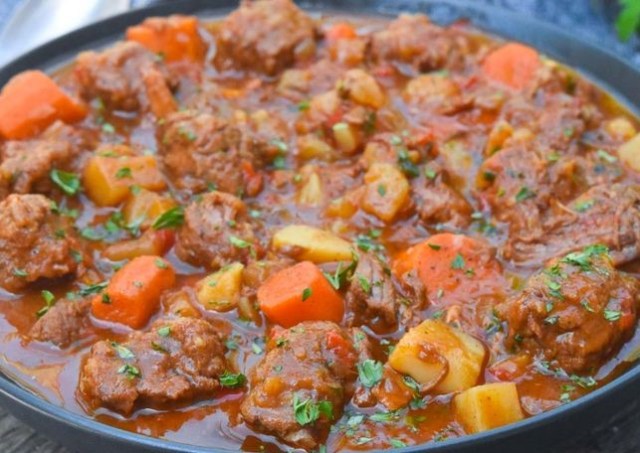
Making a Stew or Pot of Soup

Whenever my dad cooked, he made “water” soup. He added pieces of beef and vegetables to a pot of water to create soup. Ugh. We kids would cringe when we saw him taking out a pot. His were the worst soups I’ve ever tasted.

Maybe that’s why I love making delicious soups.

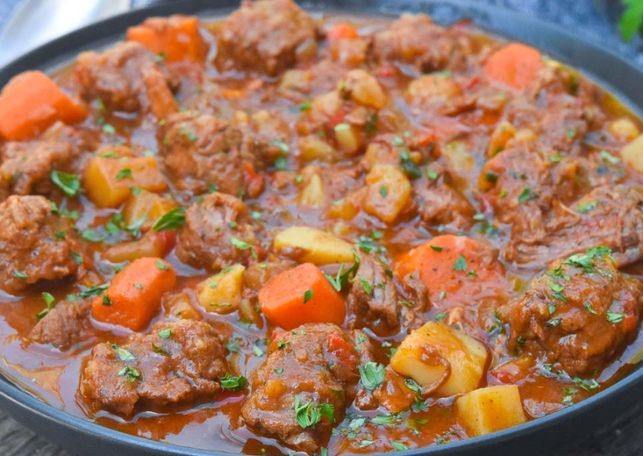
I own an old Dutch oven that is the perfect size for making one-pot meals. Some mornings even before I change out of my pajamas, I scour the refrigerator and pantry for the ingredients for a minestrone—onions, celery, carrots, zucchini, chick peas, barley, chicken broth, chopped tomatoes, oregano, salt, and pepper. Sometimes I add cooked shredded chicken. Often, I don’t.

Or I find the fixings for chicken noodle soup for a recipe from a William’s Sonoma Soups book that I bought a long time ago. While I’m chopping the carrots and celery for this soup and simmering the chicken breasts in the broth, I think back when I made this for my two children who loved it. I see their little faces above their steaming bowls, their hands holding spoons, their mouths filled with savory egg noodles.

On one European trip, I bought cookbooks in the Czech Republic and Austria, so when I want to make goulash, I search for recipes from those books. My favorite goulash is a beef, onion, and smoked paprika concoction that is topped with cornmeal dumplings. I first ate cornmeal dumplings at the restaurant at the Belvedere Palace Museum in Vienna. I’m still practicing to make mine taste as good as those were.
Reading Inside When It’s Cold Outside

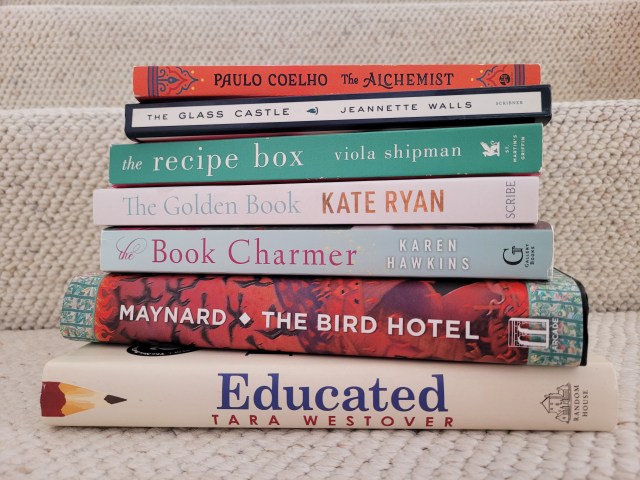
To me, the essence of decadence is waking up in the morning, seeing that it’s cold and rainy outside, then reaching for a novel and reading it in bed. To take all the time in the world to read a story, then stopping and thinking about it is heaven on earth.

Reading when its cold outside reminds me of when I read as a child. I had time to sit on the floor in a corner of the house with a treasured book of fairy tales and get lost in another world. When my mother took me to the open-air market, I found the bookstore, walked to the back shelves, pulled out a tome, and read it while sitting on the floor. I was always afraid that the shop owner would find me and kick me out, but he never did.
Decorating My Home

When I was a child, we never had an expensive home, but that didn’t keep us from making it beautiful. In the spring and summer, I picked flowers in the meadows, poked them into vases and brightened every table and dresser in the house. In the fall, I cut branches of colored leaves for the mantel in the living room. For winter, my mother and I found pine cones and spray-painted them silver and gold for Christmas. We added holly and pine branch garlands in-between them.

Today, when a new season comes, I still have the irresistible urge to celebrate it with seasonal décor. Right now, I have a collection of pumpkins on my front porch accompanied by a little witch. I also have put pumpkins on the table on the back patio so we can feel the season when we go outside in the afternoons. Every time I pass these decorations, I feel like celebrating.
Writing

I wrote my first poem when I was nine years old, and I’ve been writing ever since. Sometimes, I use writing to help me sort out a problem. Currently, I’m the chair of a scholarship committee for a charitable organization. When I’m planning the meeting agendas, I write them to organize my thoughts. When I’m thinking about how to improve my author’s platform, I write my thoughts down. I write down daily affirmations and New Year’s Eve resolutions. I write every day.

Even when I’m traveling, I have a journal that I use to take notes or write a spontaneous poem. I remember one vacation that I took by myself to Boston. After I toured Paul Revere’s tomb and all of Boston’s historic sites, I drove north up the Atlantic coast. I stopped in Salem and visited another graveyard where a huge oak tree that had gotten so big over the centuries that tombstones were poking out of its bark halfway up. There was so much to write about. Finally, I stopped the car at the edge of the road near a beach. As I sat in the sand and gazed over the surging navy-blue sea, I wrote a poem about the peace that I felt.  

When I visited Sorrento, Italy, I stayed in the Grand Hotel Excelsior Vittoria. Our room had a large terrace that overlooked the Sorrento Harbor. Across the Bay of Naples with its slate-blue ripples, we could see Mount Vesuvius. Every day, I sat at the patio table on this terrace with my journal to write about the gorgeous scenery or about my excursions into the town of Sorrento or its nearby attractions. I wrote how my husband had to scrunch down going into the Blue Grotto Cave in Capri. I described the ceramic factories that we toured in Almalfi. With words, I wondered what it was like to be a citizen of Pompeii in 79 AD when Mount Vesuvius spewed its lava all over the populated city.

Now that I think about it, I’ve been doing these happy things my whole life. Naturally. Now, though, I have more time to do them. What joy.
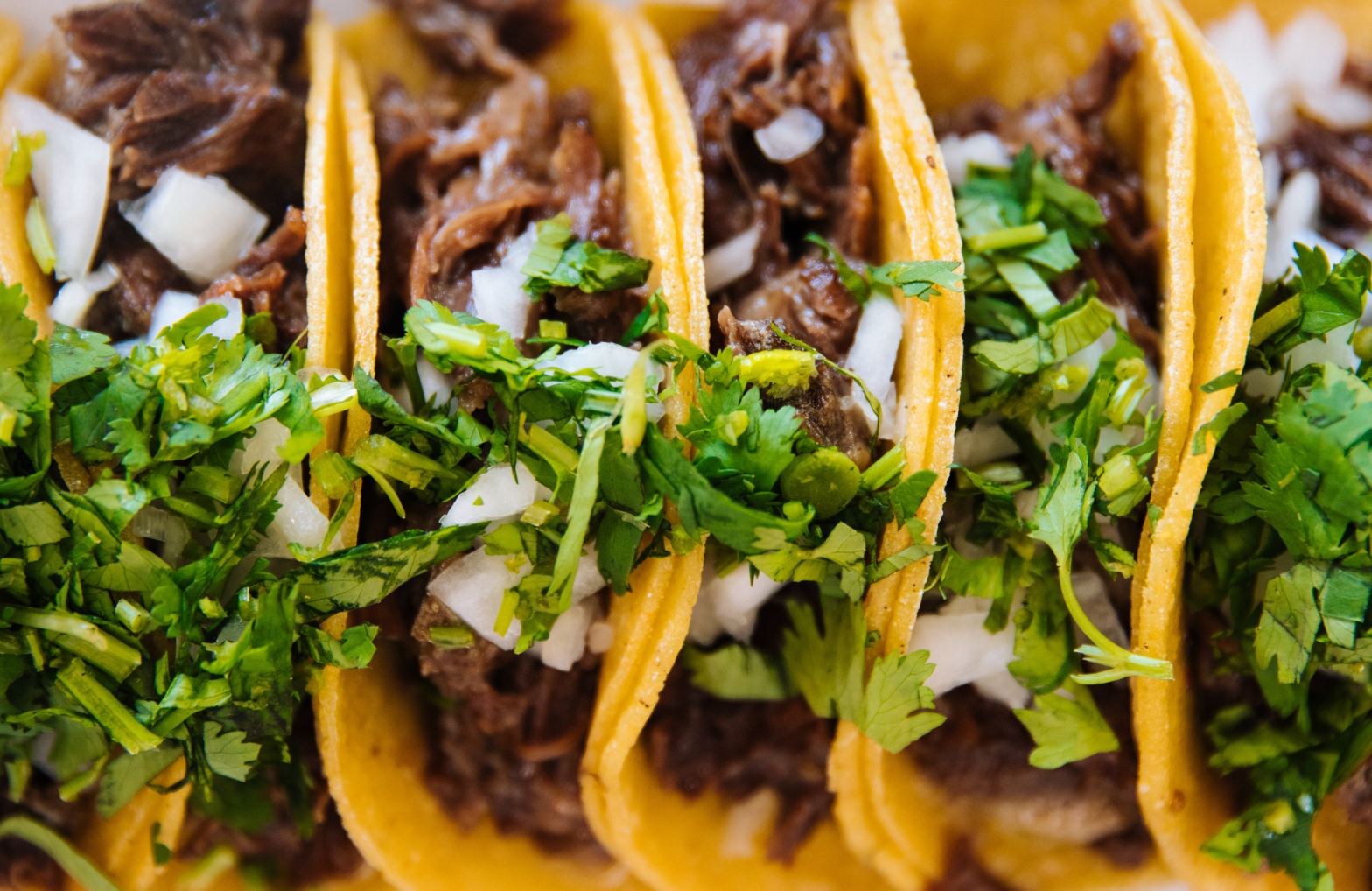
Leona’s Tacos

Photo by Jeswin Thomas on Unsplash

My friend Leona taught me how to make tacos when I was in my early twenties. She was the grandmother of one of my college friends, and I stayed with her for two weeks when I first moved to Los Angeles. Leona was fifty years older than me, but we developed a deep friendship.

Leona lived on Verde Street, on a hill in East Los Angeles in a house built by hand by her late husband. All the houses on the street looked homemade, each one like a small collection of shoe boxes glued together on tiny lots overlooking the San Bernadino freeway.

When Leona made tacos, she browned ground beef in one pan. She didn’t add any spices, not even salt and pepper. In another pan, she fried tortillas in vegetable oil until they were golden on each side, then flipped one half over the other to make a half-moon. With a spatula, she tossed the slightly crispy tortillas on a plate, using paper towels between each one to soak up the oil. She put grated cheddar cheese and a jar of mild salsa on the tiny chrome and Formica kitchen table.

When everything was ready, we sat down and combined the simple ingredients to make our own tacos while we looked out the window. From our eagle’s perch, we could watch the freeway as automobiles, trucks, and police cars lit up the night like Christmas. We also talked about the people in our lives, her children, her grandchildren, my friends, and each other. This is when I learned that the best lives are simple ones, no drama, no difficult entanglements, easy to manage. Those were the first tacos I had ever eaten, and I loved them.

While raising my two kids, I made tacos all the time. My dad was an avid fisherman, yet he didn’t like to eat fish; therefore, he brought freezer chests full of frozen fish to my house for us to eat. From his bounty, I made fish tacos—long before they became popular in restaurants. I invented sturgeon tacos with lettuce, sour cream, cilantro, and salsa. I created salmon tacos with fresh guacamole, basil leaves, shredded lettuce, and salsa. When we ran out of grandpa’s fish, I made tacos with shrimp, ground turkey, left-over steak, and pork chops. My kids loved them and, at the end of every taco meal, the serving plates were empty. In between bites, my kids told me about what had happened at school that day, what their friends were doing, and how they had to write papers for English and history class. As their mother, I learned to listen to them carefully before jumping in with advice and was thrilled they were confiding in me.

Now my kids are grown, and they have to feed themselves. My son is a taco specialist. For two years, he lived off of rice and bean tacos with shredded carrots, lettuce and salsa. It was his way of eating healthy and saving money at the same time.

The other day, I stopped at a farmer’s market on my way home from Sacramento. I bought red onions, peaches, cilantro and peach salsa. At home, I had some leftover roasted leg of lamb and spinach tortillas, and had decided I was going to make tacos for dinner.

Like Leona taught me, I fried the tortillas on each side until they were golden and then flipped one half over the other to make a half-moon. I transferred each one to a plate with paper towels to soak up the oil, even though I was using olive oil instead of vegetable oil.

I chopped up some red onion, cilantro and peaches, then sliced the lamb in finger-sized pieces and warmed it up in the same skillet that I had used for the tortillas. When everything was ready, I assembled the tacos: roast lamb, chopped red onion, chopped peaches, cilantro leaves, and peach salsa. I arranged two tacos on each of two dinner plates and called my husband to supper. Before we started eating, we expressed our gratitude for each other and the life we had built together. From listening to my husband’s prayer, I have learned that he is most grateful for having me in his life.

Leona and I were friends until she died at the age of ninety-five. We drove together from Los Angeles to Sacramento to visit our respective families. We stopped to taste olives and almonds. We visited missions. We ate lunch at Bob’s Big Boy and Denny’s. She made quilts while watching movies, and I made needlepoint pillows.

Leona taught me that life was a journey, and that every stop along the way was just one sojourn in a series of manageable experiences. Simply, Leona was a precious friend. I still love her, and am most grateful that she taught me how to make tacos. From that first day when she made them for me until today when I make them for my husband, I’ve learned that the relationships in my life are my most important possessions.

The Sugar Cookie Grandma

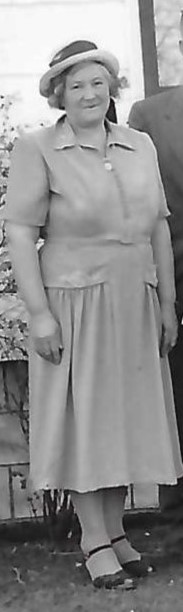
Grandma Lillian in her 40s

Back in my grandmother’s day, women didn’t get much notoriety, so I decided to write a blog about my Grandma Lillian. She’s not famous, but she deserves some long-overdue attention.

Grandma Lillian was born in Winona, Minnesota on November 9, 1903. Both of her parents’ families were originally from Trhove Swiny, South Bohemia, which is now part of the Czech Republic. This town dates back to the 1200s as part of an ancient trade route. In the 1400s, King Vladislaus II, who was then King of Bohemia, authorized the town to build a market. The town’s name comes from the Czech word trh which means market. The two most popular sites in Trhove Swiny are The Most Holy Trinity Church, which replaced a Catholic pilgrimage chapel, and an iron mill called Buškův hamr.

My Grandma Lillian, however, never visited the Czech Republic. In fact, she never traveled outside the United States except for Canada. She was a short woman, less than five feet tall, and a little plump. When she first married my grandfather Leon Jr., she lived in his father’s house on an 800-acre piece of property that is now a Minnesota State Park. Later, she and her husband bought their own house in Goodview, a town next to Winona. The house was painted white and sat on a flat parcel of land covered in shamrock green grass with a large vegetable garden in the back. Her brother Leo lived next door.

Grandma Lillian’s House in 2022

Grandma Lillian had five children, including my father who was the oldest. Then came David, Mary, Gerald, and Daniel. My father moved to California with the United States Air Force which stationed him at Mather Air Force Base. Once my parents came to California, they settled down to stay.

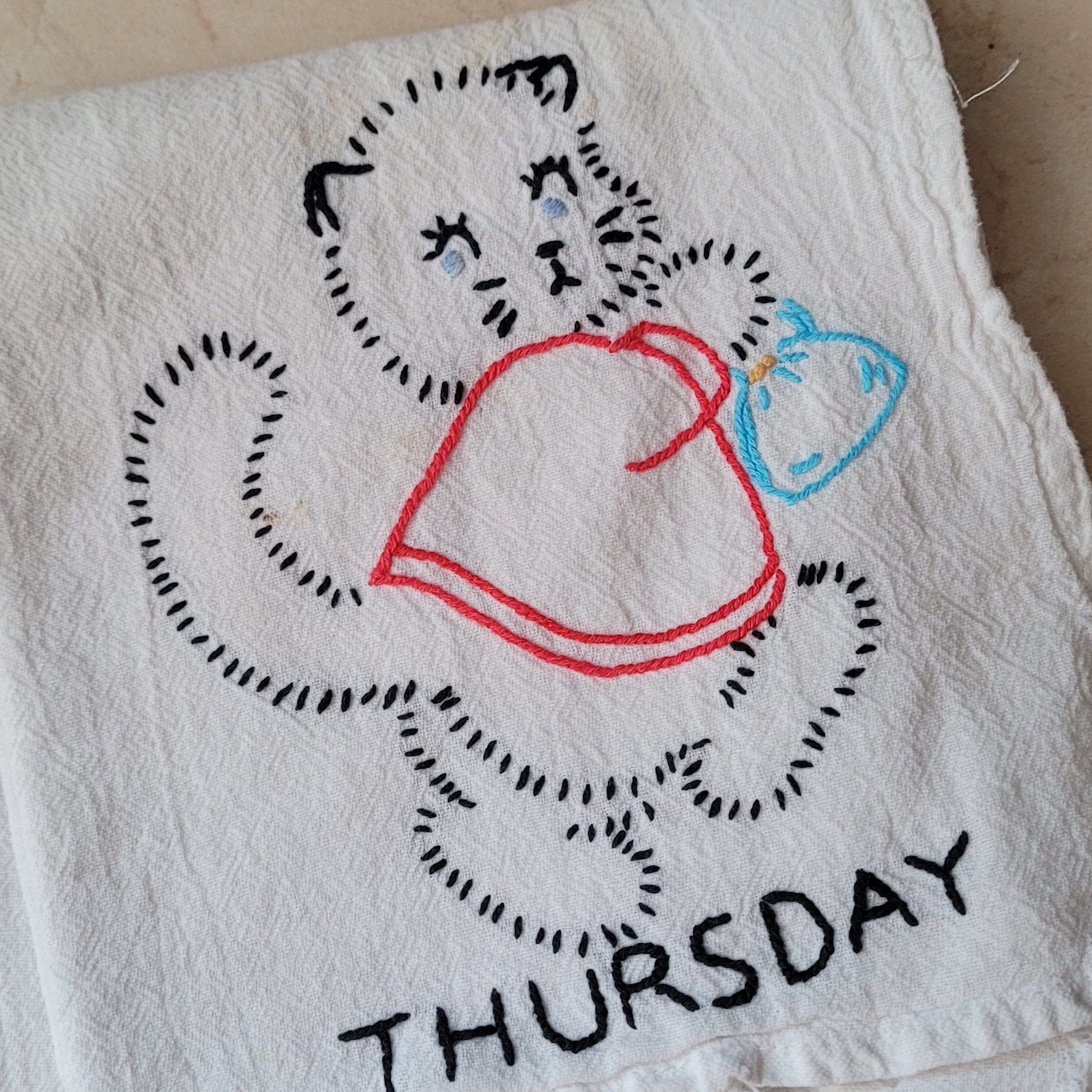
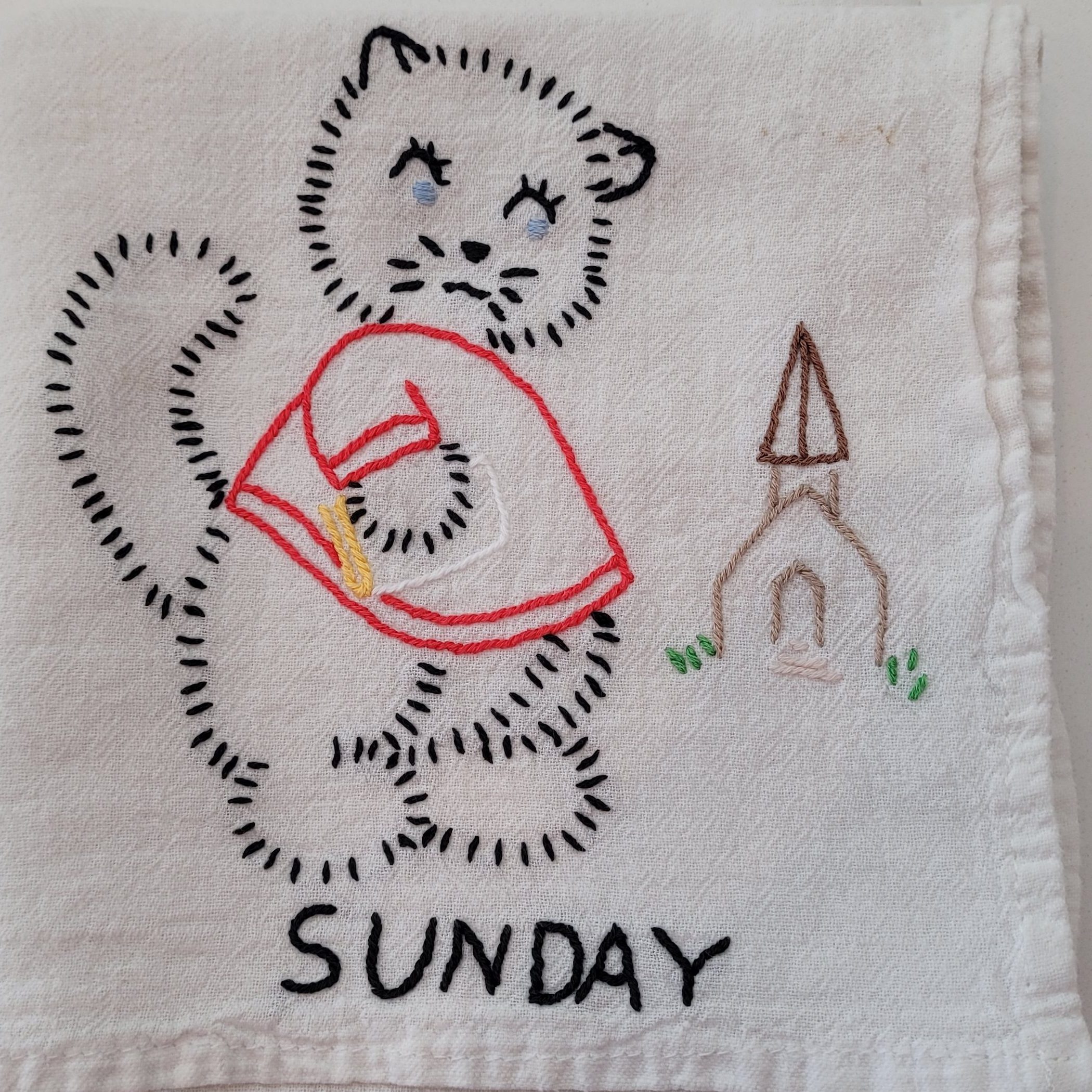
Grandma Lillian took the train to California several times to help my parents when my mother was in the hospital having another child. During these times, I learned about who she was as a person. I watched her embroider cotton tea towels, one for every day of the week. For each day, she embroidered a kitten performing a different kitchen task with one exception. For example, on Thursday’s towel, the kitten was carrying a tea kettle to the stove. On Sunday, the kitten was not doing kitchen work since she was going to church. She taught me how to embroider, but I was too impatient to make the stitches neat.

Even though Grandma Lillian didn’t ever travel to Bohemia, she used many recipes that came from the old country. She was famous for her Refrigerator Pickles. To make these, she combined seven cups of sliced cucumbers and one sliced yellow onion with a tablespoon of salt. She let the salt leach some of the water out of the cucumbers for about an hour. For the dressing, she combined one cup of vinegar, two cups of sugar, and one teaspoon of celery seed. She poured this over the cucumbers and stored the dish in the refrigerator to use as needed. By the time her recipe reached my family, we were eating the pickles as a side salad, all in one day.

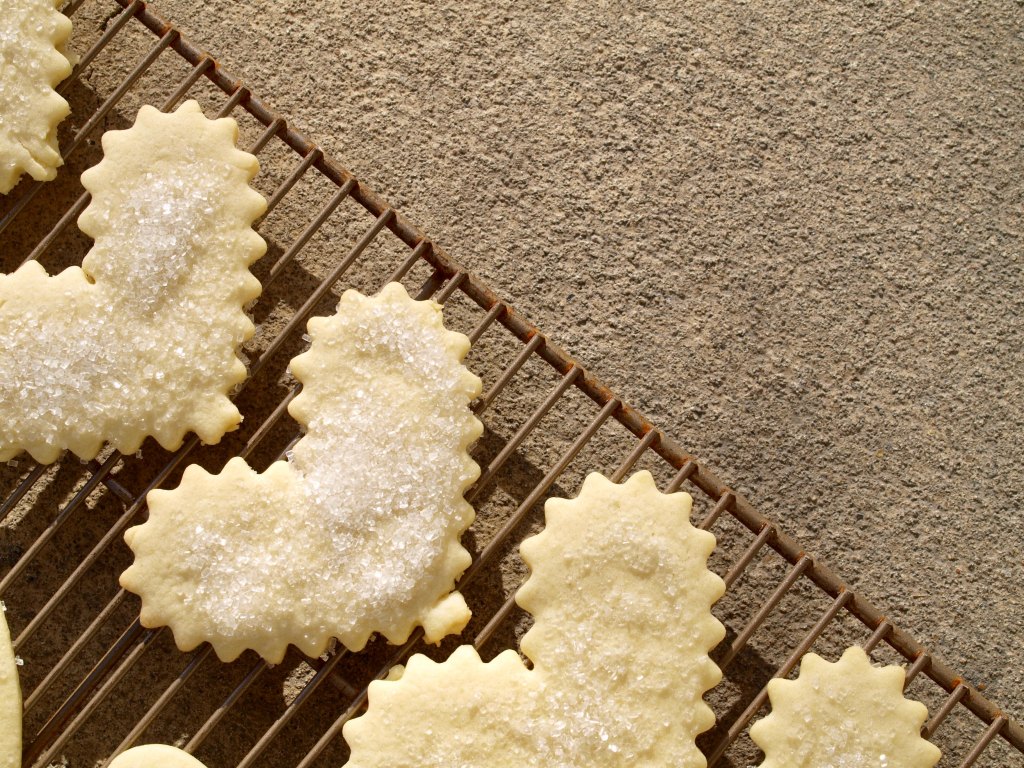
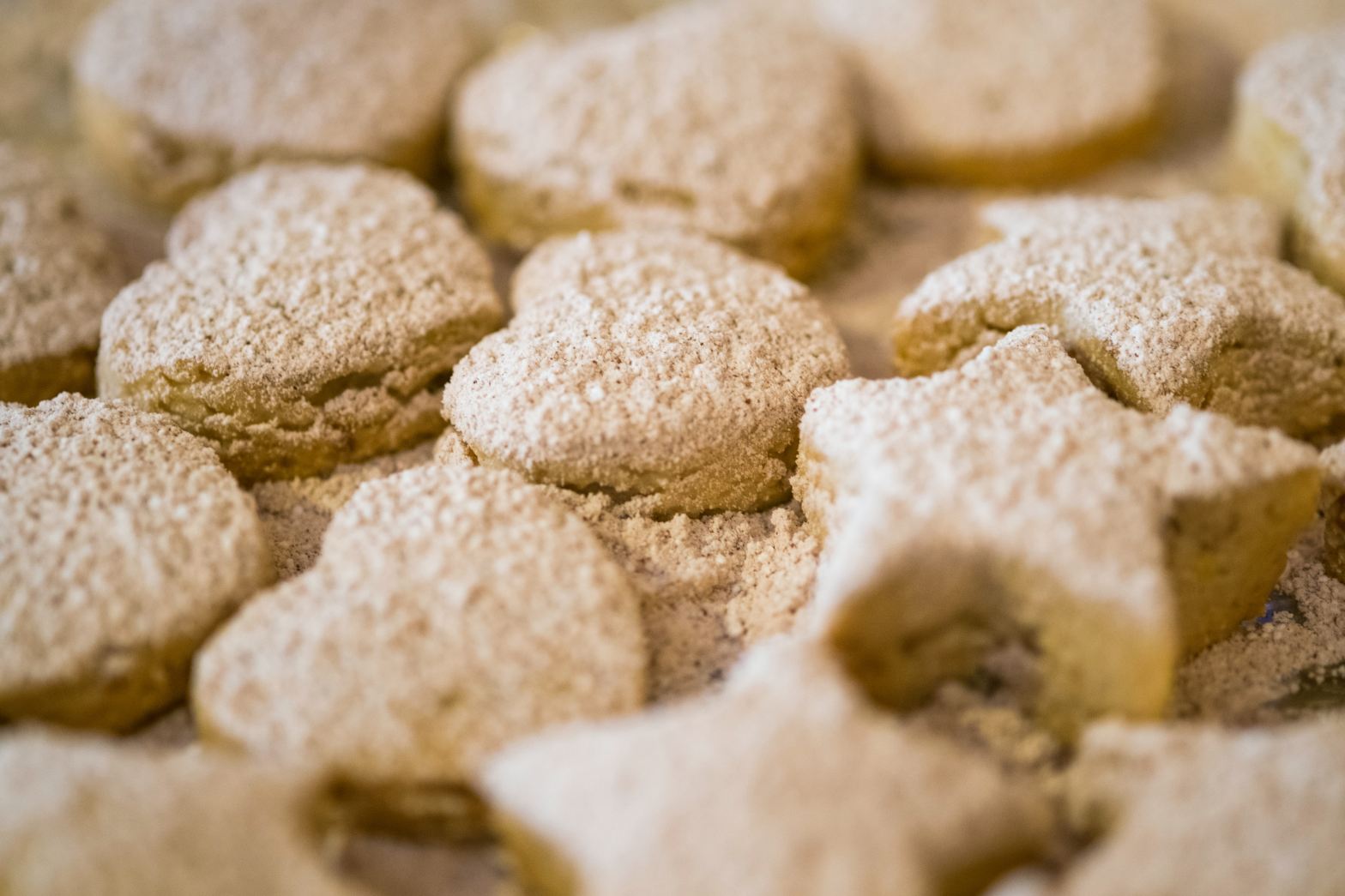
My favorite memory about Grandma Lillian was how she made sugar cookies. Maybe we didn’t have cookie cutters. Maybe we didn’t have the shapes of cookie cutters that Grandma wanted. I don’t recall, but I do remember how Grandma folded a piece of newspaper in half and used scissors to cut out a heart about the size of her hand. Then she placed the heart shape over the rolled-out cookie dough and cut the dough with a sharp knife to make heart-shaped cookies. She placed the hearts on a cookie sheet and decorated them with colorful sprinkles. When we ate them warm out of the oven, they were buttery sweet.

Grandma loved to garden both vegetables and flowers. Many days, she spent hours out in her garden weeding, pruning, harvesting and enjoying the ambiance. My father inherited her green thumb since he also cultivated a big garden every year to feed his family.

Grandma Lillian was in her garden when she died on July 16, 1991. The weather was over 100 degrees, and my cousin Karen found her late in the day. Now, she is buried next to her husband Leon and her youngest son Daniel in a country cemetery. She didn’t become a movie star, a Congress woman, a Supreme Court judge, or even a newscaster on television. Yet, she lives on in the lives of her thirty-one grandchildren and more than forty great-grandchildren. That’s an accomplishment of which I am proud.

Photo by Diane Helentjaris on Unsplash

Too Many Goulash Gourmets

About 40 minutes by bus from Budapest, Hungary is a colorful town named Szentendre. Situated right on the Danube River, this village is laid out over cobblestone streets where brightly painted storefronts and houses offer tourists charm and entertainment.

While we were visiting Szentendre, our tour took us to the Szabadtéri Néprajzi Muzeum (The Hungary Open Air Museum), established in 1967, to illustrate the typical country life of Hungarian folk.

When our group of about 30 people arrived, the museum’s guide gathered us around long wooden tables, arranged under a wooden pavilion outside. A tiny fire was burning in a pit near the front of the pavillion, and, on the flame, rested an old dented black cast iron pot.

A guide, dressed in old jeans and a button-down shirt with holes in the elbows, sauntered up in front of the group with his hands deep in his pockets. “My name is Taksony. I’m going to supervise you in cooking a pot of the national Hungarian dish known as goulash.” He took his hands out of his pockets, grabbed a thick gray potholder, lifted the cast iron pot off the fire, and set it on the dirt in front of him.

I hadn’t washed my hands when I got off the bus. No one had, and we were going to cook something? I wrinkled my nose.

“The word goulash,” he said, “comes from the ancient Hungarian word gulyás, which means herdsmen or cowboys. People out in the country made goulash from whatever beef, vegetables, and spices they had on hand. Since paprika is widely grown in Hungary, it became the favored spice for the dish.”

Each person had a knife on the table in front of them. Mine was a small paring knife with a worn wooden handle and dull blade. I thought about the sharp knives I had at home to slice, chop, mince, and quarter my vegetables. This frail little blade didn’t look too promising. I looked over at the knife in front of my husband. His was longer than mine, but so skinny that it didn’t seem to be useful either.

Girls in gathered skirts wandered around the long wooden tables and gave each of us a vegetable to chop. I was given a tomato and my husband was given a pepper, the likes of which I’d never seen at home. Our vegetables sat right on top of the wooden table tops, which contained knife marks from hundreds of lessons in making goulash. Was this sanitary?

By the time we all got our vegetables—onions, tomatoes, potatoes, or peppers—the guide was cutting off a piece of lard into the cast iron pot.

“I’m going to brown the beef first.” He put the pot back on top of the fire and the lard sizzled as it heated up.

“Who wants to be an assistant?” Taksony asked, and he pointed to a man from our group who was over six-feet tall and wore a grin that lit up his face. “What’s your name, sir?” Taksony asked him.

“Richard,” said the man with the bright grin.

“I need you to dump these cubes of beef in the lard and stir them until they get brown. Don’t let them burn!”

Taksony gave Richard a long-handled wooden spoon and the bowl of beef. We watched Richard dump the beef into the pot and jump back as the lard hissed and sputtered. He began to stir.

“What’s your name, miss?” Taksony asked a sixty-year-old woman in a yellow sun dress. He waved her up to the front next to Richard.

“Carol,” she said, biting her lip. Her hands were tightly clenched in front of her.

“Carol, here’s the garlic and paprika. Please count out six cloves of garlic and put them in the pot. Take the paprika and spoon in 4 heaping tablespoons.”

Carol bent over the bowl of garlic that Taksony was holding and counted. She tossed six heads into the pot. He handed her the canister of paprika and a measuring spoon. She pried off the lid, gave it to Taksony, then heaped the dark red powder onto the spoon four times and tipped it into the mixture.

“The meat is burning, Richard! Here, take it off the fire with this.” Taksony gave Richard the pot holder. Richard lifted the pot by its handle and placed it on the ground.

Taksony bent over the pot and whistled. “Saved it. Now keep stirring,” he said to Richard. “Carol, you can go back to your table.”

The guide looked out at all of us. “O.K. Cut your vegetables into slices.

I took my old paring knife into my right hand, the tomato in my left hand, and attempted to slice it. The blade barely made a mark in the tomato’s skin, it was so dull, but I persevered. Finally, after using the point of the knife to poke holes into the skin, I managed to create slices, the juice of the tomato oozing into the wood of the table top.

My right-handed husband was holding his knife in his left hand and staring at his four-inch yellow pepper as if it were a venomous snake. His giant basket-ball-sized hands floated in the air in front of his chest.

“Cut it,” I said.

“I don’t know how,” he said. “A deep furrow appeared between his eyebrows. “This is a knife. I only know how to use a microwave.”

“You can do it,” I replied as sweetly as I could manage while thinking what a complete idiot he was.

His hands kept floating in front of his chest like he was swimming the dog-paddle.

“No. You do it for me, honey. You’re so good at cooking.” He gave me his knife and rolled the pepper towards my tomato slices.

“Fine,” I said, looking quickly around to see what all the other men in our group were doing. I didn’t see anyone else handing his knife over to his wife. They were all bent over their tomatoes, onions, potatoes, and peppers and diligently stabbing their food with worn-out knives. Geez.

I admired the four-inch little pepper before attempting to cut it, and then used my husband’s skinny little knife to slice the pepper into several rounds. I didn’t remove the seeds since no one had mentioned anything about that. When I was done, I used the knife to push the pepper slices back over in front of my husband. Nobody seemed to notice that we cheated.

The girls in long, gathered skirts came to each of us and scraped our vegetables off the top of the wooden tables into large bowls. They took them over to Taksony who ladled them into the cast iron pot and placed it over the fire again. 

“Richard, keep stirring.” Richard bent his tall frame over the smoking fire and stirred the vegetables into the meat mixture. I could smell the toasty aroma of the paprika as he stirred while I thought about all the germs swirling around the spoon.

“This is going to take awhile to cook,” said Taksony, so you guys can go wander around the open-air museum to see what a country village in Hungary once looked like. Come back in forty-five minutes to eat lunch.” He waved his hands to shoo us out of the pavilion.

Wiping our hands with the little sanitary wipes we were given, we wandered out into the dirt roads to view the church, the mill, the knitting house, the store, the bakery, and the cottages where villagers lived. Since we were all hungry, however, in forty-five minutes, we were back in the pavilion ready to eat.

Taksony showed us into a room filled with newer wooden tables with benches. We sat down side by side and poured lemonade into our glasses from pitchers on the table. The girls in the swishing skirts brought baskets of coarse bread and placed them in the center of the long tables, one basket at about every two feet. Then they carried steaming bowls of goulash in flat bowls and placed them in front of each person. My mouth watered as I hoped that all the germs in the pot had evaporated in the heat. I squeezed my eyes shut.

Heat did kill germs, didn’t they? I hoped so. Nevertheless, I thought I’d ask a question.

Taksony was standing at the front of the room watching the girls bring out the bowls of goulash. I raised my hand. He nodded at me to indicate I had his attention.

“Are we eating the goulash that we made out in the pavilion?” I asked, trying not to wrinkle my nose. I glanced down at my bowl, trying to reassure myself that the cooking process had surely eliminated any dangerous microorganisms.

“Oh, no!” said Taksony, chuckling. “We gave that pot to the pigs.”

“Thank goodness,” I said, dipping my spoon into the delicious-smelling concoction in front of me. I immediately imagined the pigs eagerly scarfing up the national dish of Hungary. I bet they liked it.

Dreaming of Wine Windows

I love wine and live in California where it is delicious and abundant, so when I visited Italy a month ago, I was eager to enjoy Italian vintages. I drank Pino Grigio while eating pizza garnished with creamy mozzarella and sweet anchovies, Soave with pasta tossed in freshly-made pesto, and Chianti with salami and cheese.

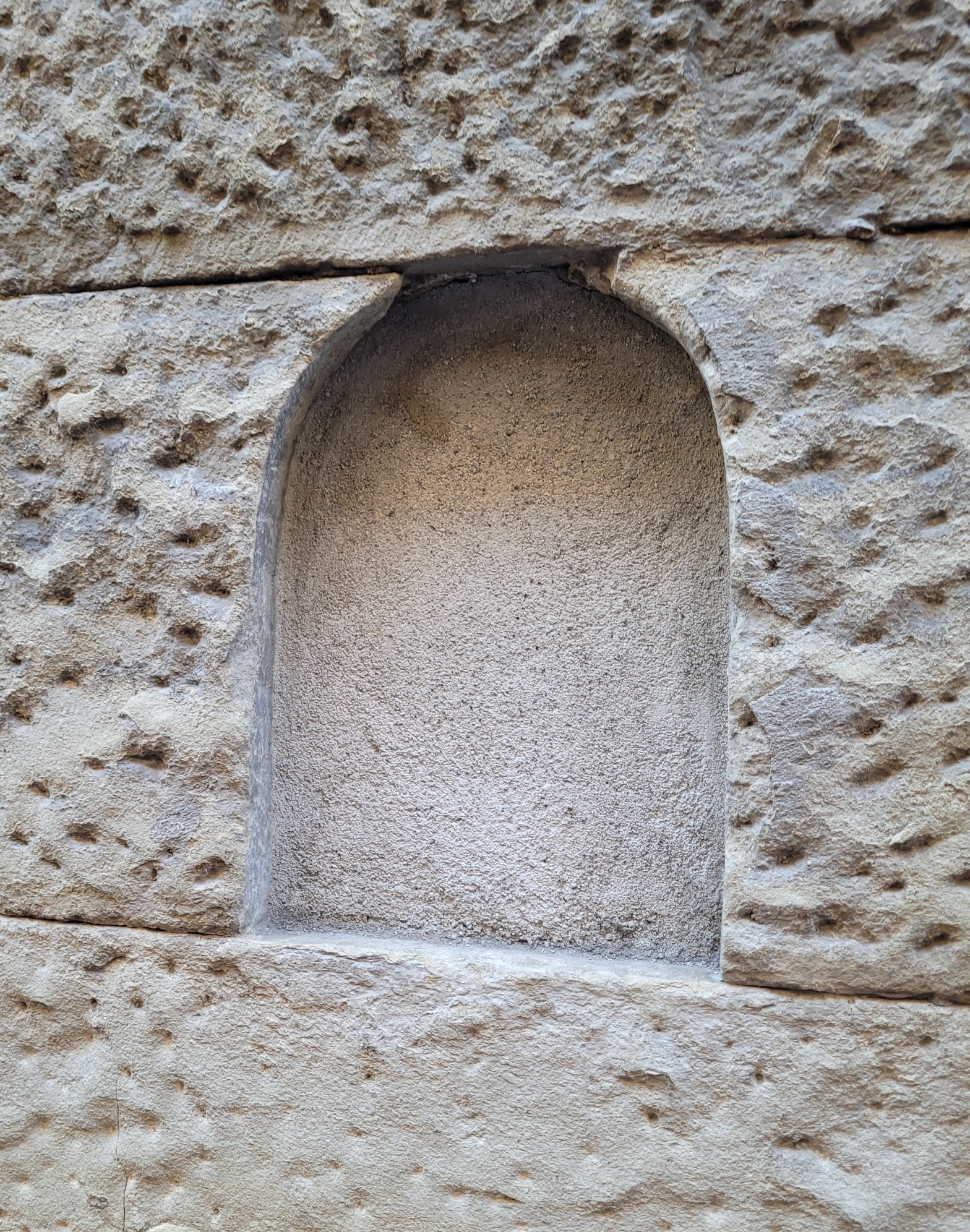
What I didn’t expect was that Italian architecture had been influenced by the wine culture of Italy. One day, while we were walking to the Uffizi Gallery in Florence, I came across a tiny, filled-in window on the side of a grand palace. The Italian friend who was walking with us told us that it was a wine window from the late medieval times.

Families, such as the Strozzi, Albizi, Pazzi, Ricasoli, and Antinori, who owned vineyards in the country often built palaces in Florence and other towns. Most of the wine grown in Italy in the late medieval times and early Renaissance era was sold to local customers. The wine families installed the tiny windows into the sides of their palaces so they could sell wine to customers without allowing the public into their homes or without coming into contact with them. For a reasonable price, customers could purchase a wicker wine bottle or glass of wine and maybe some ham to go with it. These tiny portals, once referred to as wine tabernacles were popular in Florence from the 15th Century to the early 20th Century.

The Italian word for this architectural feature is buchette. Each one is about 15 inches high and most are little arched doors carved into the stone wall of the noble palaces. This shape has also been used to hang street lanterns, and these are referred to as false buchette. Another type of false buchette is an arched, stone border used to frame a sacred image made out of fresco, terra cotta, or porcelain. These religious images were placed higher up on the wall of a building and served as protector for the inhabitants.

The Association Buchette del Vino has counted 179 buchette windows in Florence and about 280 in the Tuscany Region. I couldn’t find any indication of buchette that were still functioning as wine windows; now, most are filled in with stone, but some serve other purposes today. The portal of the Palazzo Landi on Borgo degli Albizi 17 is now a mailbox. Two others serve as doorbells and some others have been filled in with sacred pictures of Christ or the Virgin Mary.

Last night, I dreamed that I was standing on the outside of a buchette ordering a glass of Pino Grigio. It was a blistering, hot day—the sun beat on my head like a furnace. I ordered a Pino Grigio with a small bowl of olives. Mmm. Nothing tastes better than a Pino Grigio when the heat parches your throat.

I hope the buchette tradition catches on in California like the Little Free Libraries. When I go walking in my neighborhood, I walk past three of these tiny libraries and have so much fun perusing through the titles. I think a glass of wine would be wonderful to accompany my reading.  

Sources:

Cornsini, Diletta and Lucrezia Giordano. Wine Windows in Florence and Tuscany. 2021.

Gheesling, Robbin. Wine Doors of Florence. 2021

“Le Buchette del Vino, Florence’s Little Wine Tabernacles.” L’Italo Americano. August 31, 2017. litaloamerican.org/buchette-vino/.

The Brother-Sister Dollar-Pancake Contest

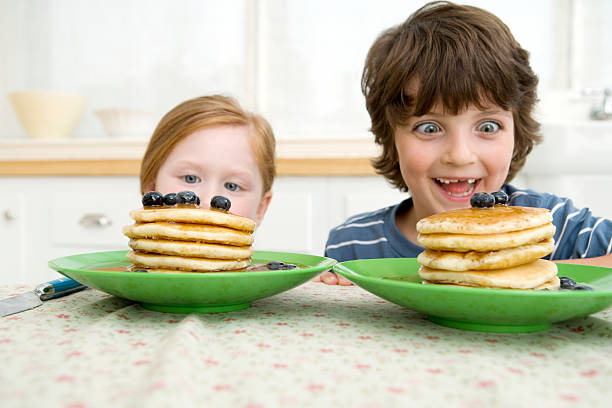
Every kid in my family loved pancakes. Most of the time, we drenched our “cakes” in squares of butter and maple syrup.

My mother stood at the stove making the pancakes while us kids sat around the table eating them, so they were hot from the griddle. The butter was cold, but it melted into a golden pudding on top. My mother warmed the syrup bottle in a pan of water, and then she poured the syrup into a child-sized pitcher for the table. It smelled like an autumn hot toddy and dripped down the sides of the stacked pancakes like teeny waterfalls.

One morning, after the rest of our siblings had left the table, my brother Don and I were still cutting into helpings of pancakes with all their sticky toppings. As I chewed on my sweet breakfast, I said, “I bet I can eat more pancakes than you can.” I was five with a confident attitude, and my brother was four with a hollow stomach.

“No, you can’t. I’ll beat you,” Don said with a full mouth.

“Mom, Don and I are havin’ a pancake-eating-contest. Will you make us some more?”

My mother looked into the mixing bowl and found out that she still had batter left, so she agreed. “I’ll make dollar-sized ones for you.”

First of all, I have to tell you that my mother made pancakes using Betty Crocker’s Bisquick. Her pancakes were bready and fluffy with a flavor that you just can’t replicate without the secret Bisquick recipe. 

She had taught us what dollar-sized pancakes were.  Her regular pancakes were about 6 inches in diameter, and Don and I had already had about four of them that morning. Dollar-size pancakes, on the other hand, were about only 3 inches. They apparently were about the size of a silver dollar, but I’ve never seen a 3-inch silver dollar. 

We started counting from 1. My mother gave us each a small stack of three dollar-sized pancakes. I melted the butter and swirled the syrup on top, then cut the cakes down the middle and scarfed them down. Don ate his too.

The next helping came. More butter and syrup. More chowing down. Don had a smile on his face like the Cheshire Cat from Alice in Wonderland. He was feeling assured of his success, so I stuck out my tongue at him. Mom couldn’t see me because she was up the three stairs and behind the kitchen wall. 

The next helpings came. Don rubbed his stomach and groaned. I didn’t dare complain that I was full. Winning was important.

The next helping came. By this time we both had eaten 12 little pancakes, not to mention the 6-inch ones we had eaten before we started recounting. Syrup was dripping out of the sides of our mouths, and the butter plate was empty.

Mom used a spatula to set three more pancakes down on each of our plates. I scraped the butter plate for any leftover bits, and poured the syrup in between my pancakes so they were nice and moist all the way through. Easier to digest that way. Don was stooped over the table like an old man, looking down at his plate. I kept my back tall, and my Buddha belly rounded out in front of me like a balloon. We kept eating.

Both of us ate through the next helping slowly. The syrup failed to make the pancakes irresistible. I felt like throwing up.

Soon, another little stack of three was on my plate. Don poured the syrup, and cut into his stack like a drunken sailor. When he got half-way through, he pushed his plate away from him, put his head down on the table, and let out a deep moan. “Mom, I can’t do it,” he said.

There wasn’t enough syrup for me to pour it in between each pancake, so my stack of pancakes was a little dry. I used both my knife and fork to cut the stack, chewed the dry pancakes into a pulp, and swallowed the damp pulp of dough down my throat. Don was finished. All I had to do was get through this whole stack and I would be the winner.

I chewed and swallowed without tasting. The stack got smaller and smaller with each bite. I belched. I swallowed some more. Finally, I jabbed the last piece of pancake onto my fork, stuffed it into my mouth, chewed, swallowed, and put my fork back down.

I sat up straight, acting as if my stomach didn’t ache like an overblown balloon and raised my arms up into the air, my fists together like a champion. A full and painful stomach would pass. The feeling of retching would too. Winning was everything.

Green Beans & Marshmallows

My relationship with food started with a tummy ache.

 When I was born, my parents soon learned I was allergic to cow’s milk. My mother had grown up on a farm in Wisconsin where her father milked his cows to provide milk on the table. My father loved cow’s milk so much that he scooped the cream off the top of pasteurized milk with a spoon and put it in his mouth, right over the bottle. So my allergy to milk was unusual for them. To solve the problem, they bought a goat, milked it, and put the goat’s milk into my bottle.

Our family was large—two parents and ten children to feed. This meant that the preparation of food required a major effort, not just by my mother but the whole family. Since my father grew up on a farm, our first home was a rented farmhouse on top of a barn on a two-acre property in Fair Oaks, California. My dad’s day job was in the military, but before he went to work and after he got home, he milked the goat and cow, fed the chickens and ducks, collected their eggs, gave lettuce to the rabbits, sheered the sheep, picked fruit from the fruit trees, and planted, weeded, and harvested the vegetable garden.

When I was three, my parents bought a house right down the street on a half-acre lot, and it was the most prolific half-acre I’ve ever known. We didn’t keep a cow there, but we still had sheep, ducks, chickens, fruit trees, and a year-round vegetable garden. Radishes, carrots, lettuce, and green onions in the spring. Zucchini, cucumbers, tomatoes, and peppers in the summer. Pumpkins and acorn squash in autumn, and potatoes in the winter.  I remember running bare-foot under the plum trees over fallen, ripe plums that were magnets for the honey bees. Before I went to Kindergarten, I had been stung dozens and dozens of times each summer.

We weren’t legally allowed to work when we were kids, except as harvesters in my father’s garden. Under the blazing summer sun, I stooped between the rows of tomato plants and picked tomatoes until my arms itched with rashes. When I complained, I was switched over to the rows of green beans where the purple dragon flies terrified me as they flitted among the bean plants’ twirling tendrils.  I hated the hot sun, the rashes, the dragon flies, and the repetition of picking.

One day at the dinner table, I came up with the incredible idea that I didn’t like green beans, and, if I didn’t like them, I wouldn’t have to pick them anymore.  With this inventive scheme in mind, I looked down at the green beans on my plate and said out loud, “I don’t like green beans.” As fast as lightening, my brother stuck his fork in my green beans and lifted them over to his plate. All I had left were fish sticks and mashed potatoes, and the serving dishes on the table were all empty. Nevertheless, I spent my whole childhood hating green beans.  It wasn’t until I was around thirty that I tried them again and discovered they were delicious. 

Cow’s milk and green beans weren’t the only foods that traumatized me. My mother was a decent cook, but she often lost track of the vegetables cooking on the stove. By the time she remembered to turn off the zucchini, it had turned into a gelatinous mass of green sludge, and she made us eat it anyway. 

My mother employed her daughters as helpers in the kitchen as soon as we could reach over the counter. When we had French fries for dinner, I had to peel ten pounds of russet potatoes and slice them into French fry fingers. Then, Mom deep-fried them in oil and we cooled them on racks placed over cookie sheets. 

I never complained about not liking French fries. I loved them as much as everyone did. In fact, if I didn’t protect the fries on my plate, one of my siblings would snitch them when I wasn’t looking. The best course of action was to eat the French fries on your plate first, get another helping, then eat the rest of your food. To this day, I don’t dip my French fries in catsup while I’m eating them. When I was a kid, I didn’t have time.

Some of my food trauma also stems from the creative ways that my father punished us when he caught us committing food crimes. I think my dad could have earned a PhD in psychology if he had the notion to get more than a two-year college degree. He was thoughtful, and, because his sentences were so inventive, they were effective.  One time after dinner, he caught me popping a large marshmallow into my mouth. “You still hungry?” he asked. “Next time you eat when you’re at the dinner table.” He made me sit at the table and finish eating the leftover pork and beans. That was a “tooty” experience that I never forgot. Today I don’t even like marshmallows.