The Yellow Rose

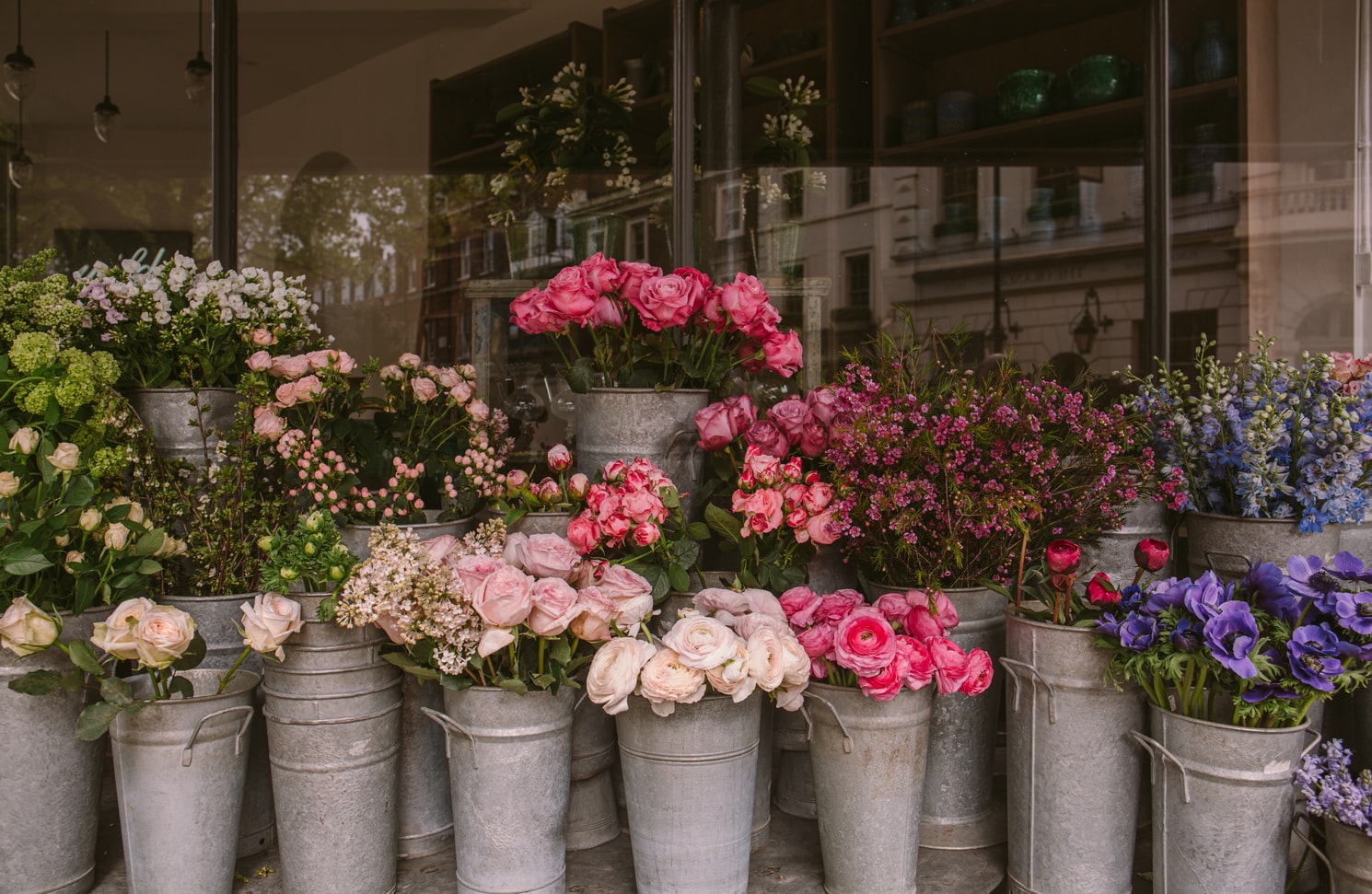
Friday was the last day of class, and Profesora Casti lead her students to Almagro, the part of Buenos Aires known for its flower vendors.  First, the group wandered among the flower stalls on Acuňa de Figueroa where baskets of roses filled the air with intense fragrances.  Leonie bent over the bunches to breathe in their perfume, and she took turns saying their names out loud with her classmates.  They chatted with the vendors who told them where they grew their flowers and how they worked from early in the morning until late at night planting seeds, hand-watering, and pruning in order to produce the most beautiful blooms. 

The vendors chatted about Mother’s Day, weddings, and baptisms for which they sold the most flowers.  Some stayed open 24 hours a day.  The best time to buy flowers, they said, was late at night or early in the morning.  These really were the most romantic times of the day anyway. 

The class meandered to Calle Sarmiento where even more vendors had their shops.  One shop, filled with tuberose and jasmine, perfumed the air outside its door with heady floral fragrances.  Inside, the vendor was wrapping flower bouquets in cellophane paper for a woman and her two daughters. 

Leonie wandered away from the group to admire the lilies of another vendor.  While she was reaching out to touch a petal, a woman dressed in a green apron came out to greet her. 

“Your lilies are gorgeous,” exclaimed Leonie.

“Thank you.  My grandfather used to sell flowers on the streets of Buenos Aires.  My father sold flowers in the old market in stall 8, and, now, I rent this shop here to continue our family tradition.”

Leonie moved under the shade of the willow tree that grew right in front of the storefront.  “I love flowers,” she said.

“I love flowers, too,” replied the vendor.  “I’ll sell them until I’m old and frail.”

Leonie paused in thought, running the woman’s response through her mind.  Forever was a long time to do just one thing.  Leonie didn’t know that she would ever find something that she wanted to do for so long.  The woman in the green apron smiled at her, her face flushed with the essence of intense happiness, her eyes like shining opals. 

“So,” Leonie asked, “You don’t ever wish that you could do anything else?”

The woman smoothed down the front of her green apron with hands crusted with dirt, chapped from years of digging and planting.  “No, never. I never wish to do anything else. Each day in my flower shop I get to express my creativity, and that gives me intense joy.  Besides, I know that I like to be around beautiful things, and what could be more beautiful than a shop full of flowers.”

“You seem so content.”

“You see this willow tree that’s giving you shade?  A willow tree symbolizes fulfilling wishes of the heart.  It also symbolizes inner vision.  I’m lucky to know what fulfills my life.  That knowledge is my inner wisdom.”

The vendor showed Leonie around her tiny shop, identifying the names of all the flowers and inviting her to smell their fragrances.  Leonie told the vendor that she was about to take a trip to search for her life’s purpose.  As the woman listened to her story, her eyes glistened and a whisper of a smile set upon her lips.

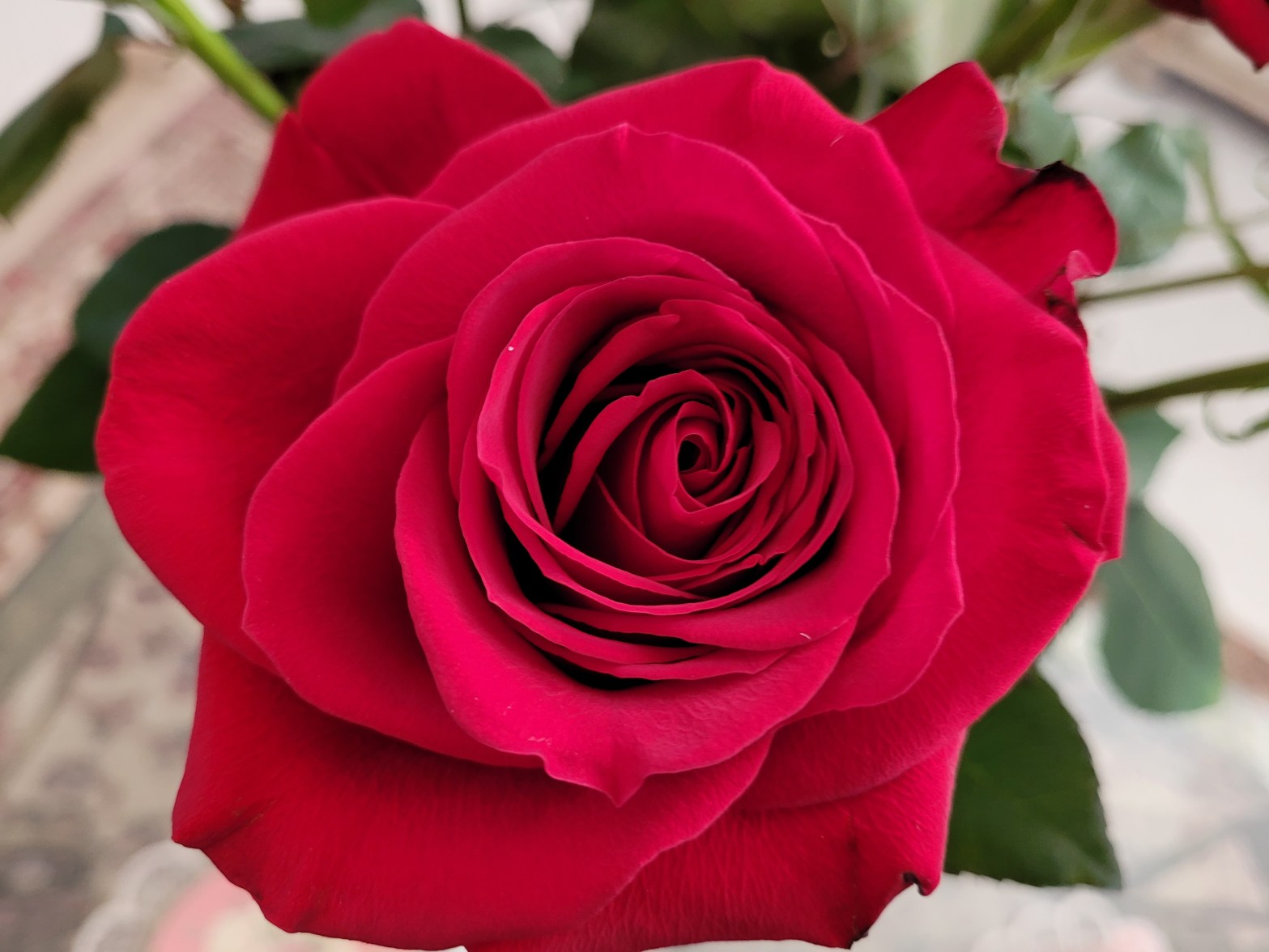
Before Leonie left, the woman held out a yellow rose.  “This rose symbolizes our new friendship,” she said.  “Friends are one of the most precious treasures of your life.  From now one, you and I are lifelong friends.  I wish you success on your trip and hope that you find your version of life fulfillment. 

That night, just before Leonie went to bed, she sat at her desk to write in her journal.  I know what fulfills me, she wrote.  After setting down her pen, she felt anxious.  But I don’t know what fulfills me, she worried.  I don’t know what I want to do with the rest of my life.  I don’t know what makes me happy day after day after day. 

Leonie looked at the yellow rose that the flower vendor had given her.  Its yellow petals brightened up the shadows of her room.  She remembered how gently the woman had picked up each flower and described its characteristics, moving among her flowers with grace, touching each blossom with respect and admiration; her movements were filled with love. 

Now Leonie knew.  The woman had been a messenger from her own soul to teach her how to find her own purpose.  Love was an integral part of finding fulfillment.  When she found out what she loved, she would find her contentment. 

Leonie touched the yellow rose, and her heart filled with joy when she remembered that the woman promised that they would be friends for life.  Friendship, she thought.  I have love already. 

My Selfish and Rewarding Writing Strategies

I’ve had writer’s block, and I always get over it. The way I do this is by acting like an extremely selfish writer. I follow the following writing strategies; all of them continually boost my writing self-esteem and fuel my passion to become the best writer than only I can be.

I Read What I Want to Write

I know, I know. You’ve heard this before, but let me explain how I read because my selfishness makes a difference.

Right now, I’m writing a novel about a young woman who has graduated from college and who decides to travel to find her life’s purpose. I want the story to move as she develops courage and clarity, so I search for stories of other young people who are on a similar quest. I also examine stories that are driven more by character than by plot to learn the techniques of character building. When I’m reading, I pause and think about the way authors incorporate the settings into their story and how the settings affect their character.

For example, in The Alchemist by Paulo Coelho, Santiago is a shepherd who has never traveled. His lust for seeing new places inspires him to leave his family home. He’s young and he makes mistakes, so when he’s in Tariq, a thief steals all of his money, and he has to work in order to continue on his dream.

I keep a little stack of books next to my writing desk; their paper-clipped pages have sticky notes inserted in them to mark passages that I want to emulate.

I Have Fun

The best writers obviously don’t sit at their desks all day because, if they did, they wouldn’t have enough life experience to fuel their writing. I’ve come to realize that my life is a canvas for my writing.

In my daily life, I engage in a variety of activities, including those that I’m not comfortable with at first: yoga, attending live basketball games, eating with new people at new places, taking Spanish classes, or hiking all day next to the Pacific Ocean where I can explore tidepools, meet people from all over the world, and hear sea lions bark.

Not only do my adventures keep me healthy, but they help me maintain a positive outlook, and all writer’s need that to overcome writer’s block, the struggle for clarity, and the never-ending learning curve.

I Maintain Friendships with Other Writers

To be a good dolphin, you need to swim with other dolphins. The same with writing. Being friends with writers is like taking a class in writing except it’s more fun. When I walk with my writing friends, they tell me about how they struggle with their editors. They also reveal where some of their writing ideas are generated, and they always come from the writer just living his or her life.

One of my longest writing friends is a children’s book writer, but she’s now writing a book for adults about relationships. For the last year, she’s shared how she has to collaborate with the other inexperienced writer of the book, careful not to bruise her ego but continually striving to maintain a style that will keep their readers engaged.

Some writers join groups where they take turns reading their stories. Other writer’s create roundtables through email. Others, still, have writer therapy sessions where they share and hash out their frustrations and receive advice.

I, on the other hand, just have a group of writing friends. I walk or go out to lunch with them. We have other interests besides our writing. Sometimes, I only email them once in a while, but I keep a connection. Others, I see when I pursue other interests like raising money for scholarships for college students.

I Study Writing Like I’m Hungry

I study writing like a hungry person would search for a bag of potato chips.

I stop in the middle of reading novels, newspaper articles, essays, emails, or blogs. I think about how writers say things. How they found out about World War II when they didn’t live during that time. How they researched about a character’s life when she lived a hundred years ago.

I also study the writing style of writers whose style makes me stop after particularly good phrases or sentences. I think about their use of vocabular and figures of speech, and I think about how the same techniques might improve my own writing.

Yesterday, in fact, I read a newspaper article about the Golden Stare Warrior’s basketball player Klay Thompson. The title of the article used a literary reference to Elizabeth Barrett Browning’s famous poem “How Do I Love Thee.” I was struck at how effective it was to associate such a poem to a current sport’s icon.

I Keep an Idea Journal

“Jot That Down” is embossed on the front of my gold writing idea journal. I have no rules when it comes to saving ideas. I wake up at one o’clock in the middle of the night and write down an idea that just popped into my head.

My journal is messy. Words are scratched out. Ideas are saved in phrases, outlines, paragraphs, or whatever I need to keep my idea safe until I can use it.

The journal is small enough to take anywhere–doctor’s offices, trips to National Parks, and weekends away with friends–because I never know when an idea will strike me, and if I don’t write it down, I forget it.

I Only Make Promises to Myself

I said that I was a selfish writer, and I’m extremely egotistic when it comes to writing promises. I may never publish another short story or poem, essay or article. When people find out that I’m writing a novel, they want to know when it will be published. Some people want to read it.

My answer is this. My novel’s going extremely well. I don’t know when I’ll be finished. I don’t know if I’ll ever publish it, but I’m having a fabulous time writing it right now.

It took me a lifetime to find the confidence to be this selfish. Halleluiah.

A Tule Fog Morning

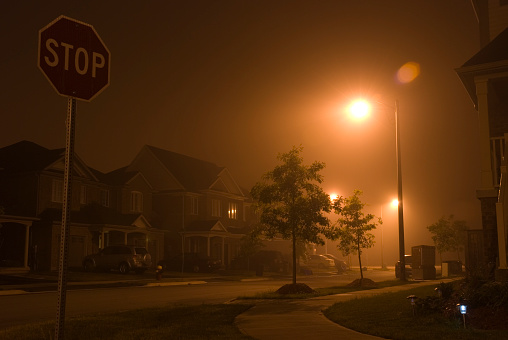
When I walked outside to get the newspaper this morning, tule fog blanketed my world. The blades of grass chilled my slippered feet, and the air bathed my face in cold breath. The street lamps glowed like steaming, yellow jewels. Houses wore shrouds of gauze, and both ends of the street disappeared into a thick, milky blanket.

I grew up in Sacramento where tule fog covers the neighborhoods, hills, and American River from November to early March. When the humidity is high and the nights cool down fast, the condensation lifts from the ground like a thick mist, as white as a clean sheet.

I paused in the front of my house to enjoy the mystical sensation. I couldn’t see any details past about a hundred feet, and the whole morning was clothed in mystery. My heart skipped a couple beats at the excitement of remembering long bicycle rides in the tule fog, not knowing whether I’d be cycling head-on into a mailbox or a person walking on the street. I rode slowly, but deliberately, tempting the fog to clear just in time to save my life from a disaster.

While I was standing outside this morning, my almost bare feet chilling, my arms cupped around my torso, holding my robe together, I felt the thrill of the mystery of not knowing what the fog was hiding.

Mystery is an exciting part of life. We never know what will happen the next day, the next year, or the next decade, even if we plan conspicuously. Life has a way of retaining a sense of mystery.

I thought back to the day when I was nine-years-old, writing my first poem. When I was a teenager and I got up early in the morning to walk in the dew-filled yard just so I could write a poem about how it looked. About when I won the Cadbury’s Essay Contest before I ever knew that writing would become my major passion. Mystery.

I thought back to the times when my parents and nine brothers and sisters celebrated Thanksgiving, Christmas, and Easter, sitting around a plain, mahogany dining room table. Later, when some of us got married and had kids, the food would be set off to the buffet; we’d line up, say prayers, and then jostle for a seat. Lots of fried chicken, sliced ham, potato salad, broccoli salad, a tray of raw vegetables, ranch dip, fruit salad, pecan pie, trifle, and pop out of the can. Never would I have imagined that these family dinners would create an unbreakable bond between me and my siblings that is even more important now that both of our parents have passed. Mystery.

I thought back to my first college adventure when I majored in accounting. I planned to work in finance my whole career since it was a good field for women at the time. I admired my mother’s sharp ability to manage money, and thought that this major would give me the independence I sought. I did. What I didn’t know was that my love of writing would eventually win out, and I’d go to graduate school to become an English professor. The change was exciting, and I’m sure a lot of the excitement came from studying a completely different topic.

I saw myself in a silk wedding dress walking down the aisle of a church in Sonoma, California toward my first husband. The mystery of not knowing that the marriage would become a disaster allowed me to stay married for nineteen years, long enough to almost get my two beloved children raised and launched, and long enough for me to pick my crippled self off the floor and walk decidedly out the door to a healthier life.

So this morning when I stood in my robe in awe at the impenetrable tule fog, I became astutely aware that my life was still full of mystery, and I felt excited. Will I ever truly become fluent in Spanish? Will I ever get the chance to fly to Argentina to visit my son-in-law’s mother and be able to chat with her?

Will I finish writing my novel? If I finish it, will I publish it? If it’s published, will I visit bookstores to read and sign it?

Will I live to be sixty-five, seventy, eighty, or ninety? If I do, will I be able to write until the very end, or will my health limit my ability to follow my passion.

That’s the thing about mystery and the future. We just don’t know what’s going to happen until it happens. This forces us to focus on the present and helps us do the best we can now so that our future has a chance of imitating our dreams.

The tule fog covered the ground for hours this morning, reminding me to make the best of my day. That’s as far as I really can see.

Retiring Is Hard to Do

I retired just over a year ago, and I’m just starting to figure out what “retirement” is all about.

I must admit, that before I gave my retirement notice, I didn’t spend a lot of time thinking about what I would do. I was, after all, still working as a college English professor, a job that seemed to require a 24-hour-a-day, 7-days-a-week commitment. I knew, however, that I wouldn’t be lying around on a beach chair in Hawaii; I wanted to continue to make a difference in people’s lives. I just didn’t know what that would look like.

I spent the first month of my new life walking around like a zombie. I cooked elaborate dinners, went on long hikes with my girl friends, and spent hours and hours pulling weeds in my garden and making tiny changes in my front yard landscape.

But I didn’t really feel like I knew what I was doing. I was “just keeping busy” enough to fool myself that I “was retired.”

Finally. about two months into this new endeavor, I made some critical decisions. Not that I was sure of them. Not that I was confident that I’d continue to do them forever. I just felt like I needed to make some decisions in order to be productive.

I continued to create new recipes and post them on my recipe blog. That was fun for about nine months, and then, all of a sudden, I decided that the pressure of posting recipes every day was a bit like working again. Since the beginning of 2022, I’ve only posted one new recipe. I feel fine about that. Instead, I’m enjoying watching my older sister post gorgeous photos of her cooking on FACEBOOK. I like to think that I’ve inspired her to display her own cooking talent with confidence and pride.

During the summer, I planted an herb garden that tickled me to my very core. I had basil, thyme, oregano, chives, parsley and mint growing lushly in pots just outside my kitchen window. I used the herbs in my new recipes, blended them into pestos and herb sauces, and dropped them into pitchers of water for cool summer evening thirst-quenchers. Along the way, I learned some incredible secrets about how to enrich the soil with calcium and when to plant cilantro, an herb that doesn’t grow well in summer.

I decided to take up Spanish again since I hadn’t been able to practice much while I was teaching English courses. I found my old Spanish books and got to work. Every day, I wrote sentences, used a flash card app to practice vocabulary, and even told my Argentine son-in-law what I was doing. That, I thought, was brave.

I also started writing a novel that had been simmering in my head for a couple of years. I told people I was doing this, but I also explained that I didn’t have any requirements except to write it. As soon as you tell people you are writing a novel, they ask questions like, “When will it come out on Amazon?” “What percentage of the book have you written so far?” “Can I read what you’ve written so far?” I decided that, since I was retired, I wanted to experience complete freedom in my writing: no deadlines, no demands, no rigid outlines, just the sheer joy of being creative and writing from my heart.

I also took a giant step. I joined a women’s club so that I could help raise money and award scholarships to students going to college. This was my jackpot activity, I thought. By working with this club, I would continue to make a difference for college students; however, what a commitment it might turn out to be.

At one of the women’s club meetings, one woman said, “Retirement is a time when you keep reinventing yourself.” After about six months, I knew that was true.

My Spanish practice was fine, but, whenever I tried to speak it aloud, I forgot all my vocabulary. My brain fogged up and my eyes got buggy as I dug around in my head for words, so I signed up to practice with a tutor online. Jessica was fabulous, but, I noticed that after twenty minutes into an hour lesson, I was watching the clock and getting frustrated. Finally, a friend told me about some weekly, online adult ed classes which would allow me to learn at a less strenuous pace. I signed up for a summer course and found the right fit. I’m now taking Spanish 2 for this year, and I can keep taking these classes up to level 5. After that, I’ll reinvent my Spanish learning.

The writing of my novel has proven to be more successful than I ever dreamed. My main character has traveled across Argentina and into Chile in pursuit of finding out what she wants to do with her life. She’s gutsy, intelligent, and courageous, and, most importantly, I like her. I’m still getting those annoying questions from people about deadlines, but I’m more confident about asserting that I have “no rules or expectations.” What they don’t know is that when I get to the end of my story, I’m going to start at the beginning and rewrite it. They must think that my writing is so good that my first draft drips with eloquence and comes complete with sophisticated figures of speech. I’m okay if they think that. I’m just enjoying the writing.

I’ve given myself a break when it comes to cooking, and my husband and I go out to eat more often. My herb garden is dormant for the winter, and my freezer is stocked with pestos and herb sauces. And you’ll never guess what happened just nine months after I retired and only six months after I joined the women’s club. I volunteered to be the Chair of the Scholarship Committee even though the other women on the committee all have at least ten more years of philanthropy experience than I do. I’ll try to act like a student of philanthropy and listen as I lead a group that is much wiser than I.

One day, I sat down in my living room to take a break from all my projects. My husband was sitting in a big arm chair. His Kindle was on the table beside him, and he was staring straight ahead of him, his eyes and mouth relaxed and content. “What are you doing?” I asked him.

“I’m relaxing,” he said. “I spent my whole life working hard. I’m going to spend my retirement relaxing and having fun.”

Oh, I thought. I don’t know how to do that.

Hmmm. It’s time to reinvent myself, again.

My Christmas Story

I had a fabulous Christmas with my husband and family. My spouse’s eyes lit up like candles when he kissed me and said, “Merry Christmas.” My two-and-a-half year old granddaughter spent two hours drawing on the paper tablecloth with me at Christmas Eve lunch. Her impish smile radiated up as she labeled her squiggly circle as a “rock.” These moments made me happy, but my Christmas blazed with joy on December 20 when I helped Youth Homes organize a holiday party for their former foster young adults at Clayton Valley Bowl in Concord.

Youth Homes is a non-profit organization that provides homes for youth who have grown too old to be housed in foster care, but who don’t have enough experience or financial means to live on their own. Most of their youth take daily medication to help regulate anxiety or other emotional conditions resulting from their troubled pasts. Some have been sexually abused. Others are victims of physical violence. Some have experienced homelessness under cold freeway overpasses, and others have lost parents to prison or untimely death.

With my partner from the Alamo Women’s Club, I arrived at Clayton Valley Bowl at 2 p.m. with boxes of gifts and envelopes of gift cards. We wore double masks to ward off any Covid viruses that might be floating around in such a public place and carried the heavy boxes through the glass doors of the building, across the tattered carpet to the back of the dull, cavernous room.

My friend is a miniature five-foot-tall, sixty-five-year-old woman, but she and I pulled ten foot folding tables out of the side hallway and set them up against the dirty white walls to display our gifts. I wet a paper towel in the nearby restroom to clean sticky patches off of two round tables.

On one long table, we arranged knit hats made by the knitting group of our club; they came in every color imaginable, knitted by hand and by looms by senior women who felt good sharing their talents with people who needed them. Next to the hats, we lined up pillow cases made from floral, Christmas, cowboy, leaves, patchwork and other fabric designs. Each youth would get to take home two of these. Beside the pillow cases, we spread out rows of brightly colored placemats, also made by talented women, generous with their money and time. Each youth could choose two of these.

On the second table, we set up an assortment of prizes, such as a George Forman burger grill, little purses, cozy socks, hand knit scarves, gift bags of candies, and make-up kits. Each youth could trade in his or her raffle ticket for one of these.

The manager of Youth Homes arrived just before 3 p.m. and he greeted us with sparkling eyes, a Christmas mask that wrinkled when he smiled, and knuckle handshakes. Slowly, one by one and two by two, the youth arrived with shy faces and quiet demeanors.

Most of the youth seemed to be about eighteen to twenty two years old. They were tall, small, skinny, overweight, light-skinned, dark-skinned, male, female, happy, and sad.

One girl, taller and larger than me, with dark skin and a head of long, black braids, had taken great care with her outfit. She wore fashionably-torn blue jeans, a plain white Tshirt, and a pretty turquoise, brushed-cotton plaid, long-sleeved shirt. I complimented her immediately and guided her to the two round tables so she could first sign the thank you cards for the donors of all the gifts. When she got to the raffle prize table, she chose the George Forman hamburger grill so she could cook hamburgers in her bedroom.

One young man, about five-feet, six-inches tall, messy dark curly hair, and a warm voice chose all of his presents with his mother in mind. For her, he chose a flowered placemat, a pink pillowcase, and a pink hat with a large tassel. The light in his eyes was soft and tender as he picked up a gift bag of candy for Mom at the raffle-prize table.

Another youth showed my partner and I her artistic eye make-up and proudly proclaimed that she was now working as an event planner. “My job requires a lot of creativity,” she said. She signed the donor thank you cards with a large, flamboyant signature.

Also arriving one-by-one, came the counselors, who worked with these youth, guiding them in their daily living and helping them overcome emotional handicaps and the lack of family support. Ed wore blue jeans and a bright blue shirt; his jolly, outgoing, gregarious personality made us feel appreciated and welcome.

Cheyenne remembered me from two of the online college success workshops that she had conducted for the youth from the interior of her car. During these workshops, I taught the youth how college differed from high school and gave them tips for being successful in college. When she recognized me, I really felt part of the Youth Homes family.

Later, I found out that these counselors would have dinner with the youth on Christmas Day and then take them out for a movie so that none of them would be alone on the holiday. I knew I would be spending Christmas with my family, but part of me wanted to tag along with them, doing what I could to show them how much I wished for them to be happy.

For two hours, we guided the young adults through the gift lines, ensuring that they all received hand-made presents. We gave them $50 gift cards from Target or Kohl’s, and we watched the counselors set up bowling teams, bring out boxes of pizza and jugs of soda, and circle among the youth like they were the best of friends.

Finally, we boxed up the remaining beanie hats, pillowcases, placemats, and raffle prizes for the manager to take back to the office for any youth who couldn’t make it. We tucked the left-over gift certificates into the envelope and handed them over for safe keeping. New youth came into the program at any time, and they all needed clothes, personal items, and financial support.

The counselors masks wrinkled into beaming smiles as they wished us a happy holiday. Some of the youth looked up with big eyes from their pizza as we passed by their tables. Others shouted “thank you” and waved. Two of the larger youth continued playing a competitive bowling game, so when both of them bowled a strike back to back, I raised my firsts and yelled, “Alright!”

Christmas was still a few days away, but, this day, this afternoon that I spent in a dim-lighted bowling alley with no manger scene, no Santa Claus, no reindeer, no twinkling lights, became my favorite day of Christmas 2021.

A Place for All of Us

Last week, I saw Steven Spielberg’s remake of West Side Story with Rachel Zegler as Maria and Ansel Elgort as Tony.  Rita Moreno, who played Anita in the 1961 version, played Valentina, the wife of Doc, who was the original owner of Valentina’s drugstore. 

This fabulous musical—which whips emotions into a frenzy with enthusiastic dancing and impassioned characters—was relevant back in 1961, a time when racism was high in the United States.  For goodness sakes, the Civil Rights Act wasn’t even passed until 1964, three years after this original musical. 

The Civil Rights Act outlawed discrimination based on race, color, religion, sex, national origin, and later sexual orientation and gender identity.  This act sought to establish equality for voter registrations, prohibited racial segregation in schools and public places, and outlawed discrimination in employment.

West Side Story, first written in 1957 by Jerome Robbins was inspired by Shakespeare’s Romeo and Juliet.  Remember, Romeo and Juliet came from two different feuding families in Verona.  Robbins wanted his lovers to come from two different religions in America—Maria was to be a Jewish girl and Tony was supposed to be from a Catholic family.

But when Laurents and Leonard Bernstein started collaborating on the musical, they drew inspiration from the Chicano riots in Los Angeles.  By the time the musical was complete, the setting had been moved to New York and the opposing gangs were represented by the Puerto Ricans and poor white communities of the city’s West Side.

The 2021 version is spectacular, and as relevant as ever.  The two opposing factions could be any community in America: men verses women, Whites verses Blacks, heterosexuals verses gays, Christians verses Muslims.  Even though the 1964 Civil Rights Act was supposed to establish equality for every person in the United States, it didn’t.   

People aren’t equal here, and diversity still seems to threaten our various cultures.  Women have not achieved equal pay for equal work, and, even when they work, they experience inequality at home when they are expected to bear most of the responsibility for raising children and doing housework. 

African American men are viewed as dangerous and irresponsible and too often become the targets of police officers or white vigilantes. Furthermore, African Americans are dehumanized for their dark skin and course and curly hair.   

Muslims are labeled as terrorists just because they share the same religion with terrorists on the other side of the world. 

When gay couples want to have children, they are criticized and ostracized.  Transgender individuals are the victims of rape and ridicule. 

American society is still a white supremist society, and most white people don’t understand how pervasive this damaging attitude is to the non-white cultures of our country.  So when two people from different cultures fall in love, their ability to sustain that love is fraught with hatred from their respective communities. 

In Steven Spielberg’s version of West Side Story, Rita Moreno sings the song that begins with “There’s a place for us, some where a place for us.”  She sings about a place with peace, quiet, and open air.  She sings about a time for togetherness, time for recreation, time for learning and caring. 

The poor and discriminated in the United States don’t live in places of peace and quiet.  They live in places filled with pollution, noise, and stress.  They don’t enjoy togetherness when families break down due to financial hardship and lack of opportunity.  They don’t have time to play.  Stress takes up their opportunities to learn, and they don’t feel like anyone cares. 

I cried in the dark theater as Rita Moreno sang this song. 

When will women ever feel as equal as men in American society?  When will their assertiveness and leadership be valued as much?  When will African Americans overcome the cavernous damages that slavery imposed upon them?  When will religions ever learn to respect every individual no matter their gender, sexual orientation, or creed? 

Rita Moreno sang about how, if we hold hands, we can be “halfway there.”  Holding hands requires empathy for one another.  We’re not practicing empathy too well these days.

Let’s really get into each other shoes.  Choose the people who are the most unlike you, and ask yourself, “How would I like to be treated?”  Maybe then, we can start holding hands and finding a place for all of us. 

The Maid and the Parking Valet

We stayed four nights in an expensive hotel on the beach in Central California.  Every night, I slept fitfully in a luxurious bed with the ocean waves rolling right outside our sliding glass door.  It was heaven near the sea.

As we left our room each day, we said “Good Morning” to Lili, our maid, who cleaned all the rooms on our floor.  She spent about 45 minutes to an hour in each guest room—picking up the wet towels, wiping down the shower doors, polishing the faucets, making up the king-size beds, vacuuming, cleaning the coffee pot, arranging soaps and shampoos near the tub and at the sink, and moving the patio furniture back into place. 

I had read Nickel and Dimed: On (Not) Getting By in America by Barbara Ehrenreich so I knew that hotel maids earned minimum wages or not much higher.   When I saw Lili’s envelope on the dresser after her first cleaning, I thought about the book and made a note to leave a tip at the end of our stay. Meanwhile, we wished Lili a good morning each day before she came in to clean our room.  When we came back each afternoon before dinner, our room was immaculate and inviting—an oasis by the sea, the waves making music just outside.

On the morning we were packing up to leave, I saw her tip envelope again.  “Let’s leave a tip for the maid,” I said to my husband, a retired, successful man.

“I don’t usually tip the maid,” he quipped.

“We should,” I said.  I went to my wallet and found a twenty-dollar bill.  While I was slipping it into the envelope, my husband handed me a ten-dollar bill.  “No, I’ve got it,” I said.

I tucked the envelope’s flap inside and carried it with my luggage down the hall until I found Lili’s cleaning cart outside of another room.

“Lili, I have a tip for you,” I stated across the open room where she was arranging the curtains.

Lili’s face registered total surprise.  She walked up to me and took the envelope with two hands.  “Thank you so much.”  She didn’t seem to get too many tips.  I wanted to watch her open the envelope to see her reaction, but I thanked her again for her wonderful work and continued down the hall with my husband. 

As we were walking out to the front entrance, we decided that I would go get the car that was parked in the lot up the hill and drive it to the front where my husband would wait with the luggage.

When we got to the open door, the parking valet wished us a good morning.  “You were here four months ago, weren’t you?” I asked.

“Yes.  I’m Sean.  I thought I recognized you.”

My husband proceeded to chitchat with Sean while I got the car.  By the time I came back with the car, he had found out that Sean had two sons and Sean coached both of them in soccer.  Since my husband had been an athlete and a coach for our sons, he enjoyed this conversation quite a bit. 

Sean put our two suitcases and two other bags into the trunk for us.  He also got us a bottle of cold water to take on our drive home.  My husband tipped him outside while I waited in the driver’s seat.

When he got in the passenger seat, I asked my husband how much he tipped Sean. 

“Six dollars.”

“What?  For only a little conversation and lifting four items?  At the most, he was with you for ten minutes.”

“He was a good guy,” my spouse said.

I’m sure he is a great guy, but I’m curious as to why Lili didn’t get the same equal treatment.  The inequality built into the exclusive hotel system left a cruel impression. 

Wisdom of the Trees: Chapter 4

Chapter 4 – Willow

Friday was the last day of class, and Profesora Casti lead her students to Almagro, the part of the city known for its flower vendors.  First, the group wandered among the flower stalls on Acuňa de Figueroa where baskets of roses filled the air with intense fragrances.  Leonie bent over the bunches to breathe in their perfume, and she took turns saying their names out loud with her classmates.  They chatted with the vendors who told them where they grew their flowers and how they worked from early in the morning until late at night planting seeds, hand-watering, and pruning in order to produce the most beautiful flowers. 

The vendors smiled when they talked about Mother’s Day, weddings, and baptisms for which they sold the most flowers.  Some vendors stayed open 24 hours a day.  The best time to buy flowers—late at night or early in the morning.

Then, the class meandered to Calle Sarmiento where even more vendors had their shops.  One shop was filled with tuberose and jasmine, which filled the shop and the air outside its door with heady perfume.  Inside, the vendor was busy wrapping flower bouquets in cellophane paper for a woman and her two daughters. 

Leonie wandered away from the group to admire the lilies of another vendor.  While she was reaching out to touch a petal, a woman dressed in a green apron came out to greet her. 

“Your lilies are gorgeous,” exclaimed Leonie.

“Thank you.  My grandfather used to sell flowers on the streets of Buenos Aires.  My father sold flowers in the old market in stall 8, and, now, I rent this shop here to continue our family tradition.”

Leonie moved under the shade of the willow tree that grew right in front of the storefront.  “I love flowers,” she said.

“I love flowers, too,” replied the vendor.  “I’m sure I’ll sell flowers until I’m old and frail.”

Leonie paused in thought, running the woman’s response through her mind.  Forever was a long time to do just one thing.  Leonie didn’t know that she would ever find something that she wanted to do for so long.

“So,” Leonie asked, “You don’t ever wish that you could do anything else?”

The woman smoothed down the front of her green apron with hands that were crusted with dirt and chapped from years of working with plants.  “No, I never wish to do anything else,” she finally said.  “I feel that each day in my flower shop is another day where I get to express my creativity, and doing that gives me intense joy.  Besides, I know that I like to be around beautiful things, and what could be more beautiful than a shop full of flowers.”

“You seem so contented,” said Leonie.

“You see this willow tree that’s giving you shade?  A willow tree symbolizes fulfilling wishes of the heart.  It also symbolizes inner vision.  I’m lucky to know what fulfills my life.  That knowledge is my inner wisdom.”

The vendor showed Leonie around her tiny shop, identifying the names of all the flowers and inviting her to smell their fragrances.  Leonie told the vendor that she was about to take a trip to search for her life’s purpose.  As the woman listened to her story, her eyes glistened and a whisper of a smile set upon her lips.

Before Leonie left, she held out a yellow rose.  “This rose symbolizes our new friendship,” she said.  “Friends are one of the most precious treasures of your life.  From now one, you and I are lifelong friends.  I wish you success on your trip and hope that you find your version of life fulfillment. 

That night, just before Leonie went to bed, she sat at her desk to write in her journal.  I know what fulfills me, she wrote.  After setting down her pen, she felt anxious.  But I don’t know what fulfills me, she worried.  I don’t know what I want to do with the rest of my life.  I don’t know what makes me happy day after day after day. 

As she sat, she thought about the vendor in the green apron and how she had found fulfillment.  She remembered how gently the woman had picked up each flower and described its characteristics.  She had moved among her flowers with grace, touching each blossom with respect and admiration; her movements were filled with love. 

Now Leonie knew.  The woman had been a messenger from her own soul to teach her how to find her own purpose.  Love was an integral part of finding fulfillment.  When she found out what she loved, she would find her contentment. 

Wisdom of the Trees: Chapter 2/3

Chapter 2 – Birch

During the last week of class, Profesora Casti took the class on field trips so the international students could experience the culture of Buenos Aires.

On Monday, the class walked to the Manzana de Las Luces.  Profesora Casti explained that this was the Block of Enlightenment and contained some of the oldest buildings in Buenos Aires, including the Baroque church of San Ignacio, a church built by the Jesuits between 1686 and 1722. 

The students listened as their instructor explained how the Jesuits also built a school, museum, and pharmacy on the site, and operated all of them until the Spanish came and suppressed the Jesuits.  Since then, the site has been transformed into a university, cathedral, and Argentina’s first medical college.  Later, the Spanish opened Buenos Aires’ first printing press and orphanage on the site, extending its colorful and diverse history. 

What most fascinated Leonie was the warren of tunnels underneath the street, once used to store ammunition during Argentina’s fight for independence.  The students followed each other single file through the narrow, brick tunnels, stooping their heads low under the arched ceilings.  Here and there, the tunnels stopped, the entryways blocked by dirt and rocks from centuries of neglect. Utility lights lit up the corridors, and the lights created shadows on the walls that walked with them. 

When they came outside again, the sunlight blinded Leonie, and she shielded her eyes with her arm, squinting and squeezing her eyes shut until they became adjusted to the brightness.  The students sat down on stone walls in the courtyard to rest.

Leonie sat next to an older woman who was wearing a straw hat and drinking out of a metal flask.   Beside the woman leaned a walking stick, hewn out of white wood marled with yellow scars.  Leonie had never seen a walking stick so beautiful and unusual.

“Are you wondering about my stick?” the woman asked suddenly.

Leonie looked down at the ground quickly, fluttering her eyelids.  “Yes, I am,” responded Leonie.  “It’s so unusual.  What kind of wood is that?”  She slowly raised her eyes to look at the stick and then noticed the woman’s smile.

“I carved this out of birch wood when I was about your age, a wood that signifies new beginnings.  I can see that you are about to start a long journey, one that will give you a new beginning and help you find out your life’s purpose.”

Leonie opened her eyes wide and stared into the woman’s face.  “How did you know that I was going on a journey?  How did you know I was searching for my purpose in life?”

“I am an old soul, and old souls can read energy.  From your energy, I can see that you have suffered a great loss, but this loss will help you gain wisdom and strength, and, in the end, the loss will become your constant companion.”

“My mother died, and I miss her terribly.”  Leonie sank onto the rock perch, remembering the last time she saw her mother’s face.  Her mother had been beautiful, even when she suffered from the cancer.  Her face always glowed with an even sunny complexion, and her smile lit up her eyes like emeralds under a jeweler’s lamp light. 

“The first thing you need to do is to write down your affirmations,” said the old woman, rustling her wide skirts as she turned more to face Leonie.  “Whatever you wish to have, write it down like your already have it.”

“I don’t know what you mean.”  Leonie scratched the back of her head.

“An affirmation is a positive assertion that claims something is true.  When you put forth a personal affirmation, all of creation conspires to help you attain it.” 

“That sounds very interesting,” said Leonie, “but my father wants me to go home right after I finish this Spanish class.  I keep thinking I should stay here longer so I can find out what to do with the rest of my life.”

“You must learn how to believe in yourself and not to rely on the opinions of anyone else.  Your father cares for you, but your life is not his.  You must follow your own heart, or you will feel like you are not living.”  The woman stuck one of her tanned hands into the folds of her skirt and took out a small book, about the size of Leonie’s cell phone. 

“This is a gift from me.  Inside this journal are blank pages.  Today, start writing down your affirmations, and then your life and fulfillment will begin.”  The woman smiled at Leonie just as the sun poked through the branches of an oak tree.  Leonie had to close her eyes it was so bright, and when she opened them, the woman with the birch walking stick was gone.

That night, Leonie sat up in bed, the journal opened before her, a pen in her hand.  She wrote—I want to make a difference.  No, that wasn’t right.  The old woman had told her to write as if what she wanted was already true.  She put a line through the sentence and tried again—I am making a difference, she wrote.

Pressing the journal to her chest, she leaned back to see if she felt better.  No.  She still felt like she hadn’t a clue of what to do or how she could contribute to the world. 

Contribute—a good word, she thought.  She wrote another sentence underneath the first one—I am contributing something positive to the world.  Now she felt a little better.  The way she would make a difference would be by contributing something positive.  She didn’t know what that was yet, but she was determined to find out. 

Leonie placed the journal and pen on her nightstand, turned out the lamp, laid her head on her pillow, and fell asleep with a feint smile on her face.

Chapter 3 – Myrtle

On Wednesday, Profesora Casti took the class to Iglesia de Santa Felicitas on Calle Isabel la Catolica in the Barracas District.  The students learned that this church was built in the early nineteenth century in honor of Felicia Antonia Guadalupe Guerrero, considered to be the most beautiful woman in Buenos Aires.  Her husband died from yellow fever, leaving her a widow.  Later, she was killed by her rejected suitor, Enrique Ocampo. 

Leonie walked through the eclectic gothic interior of the church, gazing into the faces of the marble statues of Felicitas and her son and husband.   Around the perimeter of the church, she paused in front of the stained-glass windows, looking into the faces of the saints and admiring the colors of the roses.  She was so intrigued by how the natural light lit up the panes of glass that she didn’t see the young girl until she bumped into her.

“I’m sorry, said Leonie.  I didn’t see you there.  I was so interested in these beautiful windows.”

The girl didn’t respond.  She seemed lost in thought and sad.

“Are you o.k.?” asked Leonie.  She gently touched the girl on her wrist, which she noticed was tied with a long, red ribbon.

The girl was about the same age as Leonie.  She had long brown hair, big brown eyes, full lashes, and a mouth that was wide and voluptuous.  Leonie thought she was beautiful. 

The girl looked at her.  “Oh, I was lost in thought.”  Her eyelashes scanned Leonie from head to toe, and then she smiled.  “Are you a student at the university?”

“Yes, I am.  I’m on a field trip with my Spanish professor.  This is the last week of classes, and we’re touring around Buenos Aires to learn more about the Argentine culture.  May I ask you why you are here?”

“I’m looking for love,” said the girl, waving her wrist in front of her. 

“I don’t understand,” responded Leonie.

“We have a tradition.  If a girl wants love, she comes to the cathedral and ties a ribbon on a branch of the myrtle tree in the garden, which symbolizes romantic and devoted love.  Soon, she will find a love that will be true and lasting.”

“What a nice tradition.”  Leonie smiled at the girl.

“Did your professor tell you that this church is haunted by its namesake?”

“No. What do you mean?”

“The woman for whom this church was built, Felicia, was murdered.  She was shot in the back by her suitor and died on January 30.  People say that on that day, a woman with a pale face and dark hair, dressed all in white, walks from the garden, opens the door to the church, proceeds down the aisle to the main altar and leaves a trail of tears behind her. 

“That’s such a sad story.”

“Now, Felicia brings love to all the women who request it by tying their ribbons on the myrtle tree.  She has turned her tragedy into positive deeds—bringing love to all women of her beloved city.”

“So, you are going to tie your ribbon on the gate?”

“Yes, to find my love.”

“May I help you?”

“I’d like that. Let’s go.”

The two girls walked out of the church together, smiling and chatting as they went.  Once they reached outside, they walked through the roses in the garden until they reached the myrtle tree.  The brown-eyed girl untied the ribbon from her wrist and, with Leonie’s help, tied it around one of the tree’s branches. 

“Thank you for helping me,” said the girl.  “I believe I will find my love even faster because of your kindness.”

“I was honored to share your dream,” said Leonie. 

“Let’s tie a ribbon on the tree so you can find your love.”

“Oh, I’m not ready for love,” said Leonie.

“That doesn’t matter.  Your love will arrive when you are ready.  Here, I have another ribbon.”  The girl pulled another red ribbon out of her pocket and handed it to Leonie.

Leonie raised her chin back and laughed which sounded like the rise and fall of a musical scale.  “I guess it won’t hurt.”  She chose another branch close to the girl’s ribbon and tied hers around it in a bow.

“I’m happy that you will find love too,” said the girl.  The girl smiled at Leonie, placed her hands on her shoulders, and kissed her lightly on each cheek.  Her eyes shone like topaz.

“I will never forget you,” said the girl, and she walked away, her skirts swishing gently from side to side. 

That night, before Leonie fell asleep, she wrote in her book of affirmations.  She wrote—I provide love to the world.  She looked at the words that she had written and thought about the girl with the full lashes who wanted to find love. 

I must first find out what I want, Leonie thought.  Until I know who I am and what my purpose is, I won’t attract the right kind of love. 

One thing I know.  I know I can provide love to others.  I’ll do this first and then, when the time is right, I’ll let someone love me. 

She turned out the light and dreamt about the myrtle tree and its red ribbons.

Wisdom of the Trees: Chapter 1

Photo by DARIAN PRO on Unsplash

From ancient times, trees have symbolized physical and spiritual nourishment, transformation and liberation.

Chapter 1 – Oak

One more week and she was done.  Graduated with a double major.  College over.  More educated than most of the people on earth. 

And you know what?  She wasn’t going back home, even when this class was over.  Her father had paid for a round trip ticket to Buenos Aires, but she was going to cash it in and stay.

This was her chance to really be independent, to find out what her values were without her father’s advice about this job or that apartment, this guy or that outfit. 

She missed her mother though, but her mother wasn’t at home anyway.  When Leonie was supposed to be having the time of her life in college, her mother had contracted breast cancer.  After three surgeries, six months of chemotherapy that sapped her effervescent energy, and twelve weeks of radiation that burned her skin red, the cancer came back. 

Just before she passed away, Leonie and her mother had sat under the oak tree in the back yard, the shadows of its branches spreading like arms across the grass. 

“I can’t lose you, Mom.”  She had wept beside her mom, the shade of the giant tree darkening her tears like black pearls.

“You won’t feel the same, but you’ll never lose me.  You’ll just have to learn how to live with me differently.” 

Leonie had felt so confused.  She stared at her mother’s face so that she could remember it—her gray-blue eyes, silky skin, a mouth that always held the hint of a smile.  She stared deep into her eyes, holding on, wishing for more time.

“I’ll be with you,” said her mother.  “I’ll guide you from a new place, a place you cannot see, but that is nevertheless powerful.  You’ll feel me.”

Leonie clutched her mother’s hand.

“I want you to find your inner strength.  Emulate this oak tree.  Every time you feel weak or lost, visualize yourself as an oak tree, rising strong, spreading wide, enduring challenge and finding the sun.  You won’t be alone because I’ll be beside you, breathing my love into your heart.”

“But I won’t see you.  You’re my inspiration.  I’ll be lost without you.”

“My love will remain here.  When you can no longer physically see me, you can find other women to inspire you.  Choose many, in fact.  One to follow for leadership skills, another to learn the art of love, and another to learn how to live with joy.  She may be one of your professors, a co-worker, a girl friend, a friend’s mother, or a woman you meet only one time in your life. Whatever you wish to be, you can find a woman to inspire you.”

“How can you be so strong?  You’re dying!”

“I’m content because I know that I will continue my life in another form.  My spirit is not dying.  My soul will continue, and I’ll grow from its future experiences.  I have many things to look forward to.”

Leonie remembered this conversation as she held her mother’s ashes six months later, secured in a pearlescent urn shaped like a heart.  Leonie kissed the top of the urn before placing it in the niche at the cemetery.   “Enjoy your journey, Mom,” she whispered.

Later, as she sat in the back yard next to her mother’s chair, Leonie thought she heard her mother’s voice.  No, maybe it was the breeze rustling the limbs of the oak tree instead. 

“My journey will be right alongside you,” said the breeze.

Staying focused on her studies was impossible after her mother’s death, but her girl friends had helped, and then Leonie decided to go overseas for a change of scenery—a much needed distraction that she needed to survive.

So now, she was in Buenos Aires and hungry.  She lived in a shabby dorm room in the basement of the university and tutored students in English to make money, but it wasn’t enough. 

Leonie searched through her backpack for something to eat: an empty plastic juice bottle, a paper envelope from the bocadillo she had for lunch.  She poked her fingers deeper.  Something waxy.  She grabbed at it and pulled out an apple, a little bruised, but it was food.

The next morning, Leonie woke up with a growling stomach and the sound of traffic.  Engines racing, horns blaring, and brakes squealing invaded her tiny room through the high window that wasn’t even big enough for her to crawl through.  Leonie grabbed her shampoo and towel, opened the door, and paced to the single shower room. 

Whew!  It was empty.  The water felt refreshing on her wet head, rinsing off the humidity and sweat of her body from the sweltering night.

Today, she was going to meet a friend that she had met in her Spanish class.  Clarissa was a native Argentinian and Leonie wanted to ask her about traveling throughout the country. 

Upstairs in the dormitory lobby, a canister of coffee stood on a table next to a large blue box of sweet pastries.  Leonie poured the thick, viscous liquid into her own mug, stuck a pastry between her teeth, and whisked out the door.

Clarissa was sitting at a table in the corner of the café with her laptop open when she arrived.  A cup of mate steamed to the right of her computer, Clarissa wildly typing on the keyboard.

“Hey, how’s it going?” asked Leonie, grabbing the back of the chair opposite her, scraping it across the floor, flinging her backpack over a post, and sitting down.

“Hey,” murmured Clarissa, finishing a sentence.

“You know, this Spanish class is my last college class, and I’ve got to figure out what to do with the rest of my life.  I feel lost without my mother, and I don’t want to go home without a plan.  I don’t even know if I want to live there anymore.”

Clarissa picked up her mate, sipped it, and looked up at Leonie. “I suggest that you travel and meet as many people as possible.  They’ll give you new ideas, and you’ll learn that you have endless options,” said Clarissa.

“That does sound good,” said Leonie.  “How should I start?”

“Just go,” said Clarissa. “Don’t think too much.  Don’t plan too much, but be ready to make your trip work each step of the way.  I’m emailing my sister.  She works at the Belmond Hotel, a few miles from Iguazu Falls.  Maybe she can get you a free room.  Iguazu Falls is one place you should go!”

“Oh, I’m so nervous about traveling by myself.  Maybe I’ll just stay here,” responded Leonie.

“Oh, no you won’t,” said Clarissa. “You’re going, and that’s that.”

“We’ll see,” said Leonie.  I have a whole week of classes left.”

“Yes, a whole week to build up your courage and begin your new life.”

Hidden

Photo by Anton Darius on Unsplash

Sylvia had a secret.  One that rolled around in her stomach like a marble in a maze, bashing against the walls until they bruised, swirling her energy into anxiety.

Sylvia’s friend Ruth told detailed stories about how her mother psychologically abused her during her teenage years.  When they were cleaning out her grandmother’s house after her death, Susan had wanted her grandmother’s wooden chest full of yarn.  Her mother refused to let her have it, and, instead, gave it to Susan’s older sister who didn’t even knit.  Susan wondered for decades why she wasn’t good enough to have such a treasured keepsake and why her mother had favored her sister over her.  Ruth told everyone about the hurts in her background, but she still walked around like a broken doll, permanently damaged, as if nothing could ever erase the scars she had suffered.

When Ruth talked about her feelings, Sylvia flashed her own memories across her mind about how her father had favored her sister over her.  “Isn’t she beautiful,” she remembered he had said.  Sylvia had looked in the mirror countless times wondering why no one ever called her beautiful.  She had clear skin, thick hair, blazing green eyes.  Weren’t green eyes as pretty as blue ones? 

Her friend Paul had told her about how his father was never around.  He never played sports with him, never sat with him on the couch for a game of chess, never even got to his high-school graduation until Paul had already walked across the stage and waved to his mother who was frantically waving back with both hands, as if she was waving for two.  Even today, Paul’s father didn’t act like a father, but like a distant friend who sent him an article once in awhile about a topic that never related to Paul’s life.  Paul had worked hard to build self-confidence, but struggling with a narcissistic father made that an up-and-down journey.

Sylvia’s friend Jen talked about her childhood, too.  She told Sylvia how a sixteen-year-old neighbor boy had raped her when she was eleven, luring her into his backyard shed one afternoon and slowly removing her clothes while he talked to her about the different birds in the garden.  Jen said that it was therapeutic to talk about it after so many years of keeping it hidden.  At first, she was embarrassed that it had happened to her.  What did she do to encourage that boy anyway?  Why did she let him get her into the shed by herself?  Didn’t she know better?  Sylvia didn’t see how Jen had let go of the trauma if she still had all these questions in her mind.

When Jen talked, Sylvia nodded empathetically: “It wasn’t your fault.  He took advantage of you.  He was stronger, and you couldn’t have stopped him.”  Inside her chest, however, Sylvia carefully drew a curtain in front of her own heart, shielding it from the memory of her own secret, stopping her from the minute-by-minute re-enactment of the scene, her shame, her acquiescence, her fear of exposure. 

Sylvia didn’t want her friends to know she had suffered so much, had been irreparably violated.  Maybe someone would use the information about her secret as revenge if they ever got angry at her.  They would expose her in front of people she didn’t trust, and she would endure more embarrassment than she could handle. 

Sylvia had spent years searching for her own self-esteem, her worthiness to be loved, her value as a treasured friend, her worth as an employee, her right to be happy at all.  She thought that she should go talk to someone about her secret so that she could get it off her chest.  Would that even work? 

Finally, she made an appointment with a female minister at a church she did not attend.  She told the woman about her secret, and asked her what she should do to heal from it.  

“First, ask God for forgiveness.  God will forgive anyone, even if you can’t forgive.  Once, you’re comfortable that God has forgiven you, then forgive yourself and anyone else involved.”

Sylvia had worked on forgiving herself and the other person involved for years.  Nevertheless, the memories, surfaced again and again like a nightmare when she least expected them.  Sometimes, she even invited them into her thoughts as if she could purge them out of existence by focusing on them one last final time. 

Nothing stopped the nightmares.  They came while she was sleeping in a vivid stream, and her fear rose incrementally during the dream until she would awaken all of a sudden, gasping for breath like she had been under water the whole time.  Her forehead was drenched with sweat, her heart tight with shame.

Sylvia did feel the pain of her friends, and because she did, she could listen to their stories and offer some solace just by suffering with them.  She also understood the pain that her students told her about. 

Samantha was a student in Sylvia’s college composition class.  Samantha’s mother had kicked her and her three-year-old daughter out of the house, and, now Samantha experienced anxiety that interfered with her performance at school.  Sylvia had counseled Samantha through several episodes of anxiety, and she had passed her English class in spite of her mother.

Van suffered from post-traumatic-stress-syndrome ever since he returned from Iraq, and his significant other left him right in the middle of the semester.  Since Sylvia knew what anxiety and poor self esteem felt like, she coached Van step by step until he, too, passed his writing class.

So many of her community college students needed emotional support in order to pass their classes.  Owen’s father beat him.  Misty lived with five family members in a noisy, two-bedroom apartment.  Monica’s parents wanted her to get married like a dutiful Islam daughter and give up going to school.  Randall had spent two weeks living out of his car during the semester until his uncle let him live in his garage. 

Sylvia knew that if she put in more effort to help these students, they could succeed and improve their lives through education and awareness of other opportunities.  Yet, sometimes, as Sylvia sat beside one student or another, she felt like a broken human being trying to help another broken soul.    

Was it true that people who never felt loved died of heart attacks?  Most mornings, she woke up with a tight chest.  She lay in bed breathing in and out of her nose until her chest relaxed a little, but the tightness never fully went away. 

Most people had a secret, didn’t they?  Weren’t most people walking around, hiding their secrets underneath their shirts, their polite manners, their rudeness, their abusive characters, their anxiety, their bullying, their surrender, and their repeated attempts at survival?

Yes, they were, Sylvia knew.  She was, too.  She had endured so many scars and affronts to her character, yet here she was, carrying her secret around like a satchel of wisdom.

Really, she thought she deserved a medal.

An Old Rose

She was worried about her mother who seemed to struggle to stay present, something pulling her focus away or inward.  Some days she sat in the arm chair by the window, staring straight ahead, her gray-blue eyes lost in deep thoughts. 

When Sestina tried to talk to her, her mother struggled to respond.  “Wait a minute,” she would say, then, with a determined set to her mouth, she’d squeeze her eyes shut for a brief moment, open them wide, and glare at Sestina while she slowly made a lucid response. 

Her mother woke up early every morning, took a spit-bath at the sink in her bathroom, put on her clothes, and combed her golden white curls until she looked neat and ready for an outing.  After breakfast—not a big one mind you—just a piece of bacon and half a piece of toast with butter and strawberry jam—she sat down in the chair by the window and disappeared into her private thoughts.  Her breathing was labored, and she raised her shoulders every time she inhaled, her chest rising slowly, and she exhaled by opening her mouth and releasing a small burst of air.

On Wednesday, while her mother was sitting in her arm chair, Sestina went out to prune the old roses off the rose bushes.  She knew her mother not only loved flowers, but she loved roses most of all, and Sestina wanted the roses to look perfect when her mother looked out the window.   Eight tea rose bushes grew in the redwood planter, a raised bed so that the roses bloomed at the same height as the window.  The planter was about six feet from the window so when her mother looked out, she could see the stems wave gently in the breeze and glow in the sun. 

The yellow rose bush was the heartiest with big blossoms that bloomed like cabbages.  One bush grew lavender roses, medium in size with delicate petals and a hue that took Sestina’s breath away.  Four of the bushes bloomed with various versions of red flowers, each a unique shade of red and shaped petals.  The two white bushes bloomed with the most flowers, always producing plenty of blossoms so that Sestina could cut some and bring them in the house.

Sestina held the kitchen shears in her right hand and pulled back a single stem from a rose bush, looking for the perfect compound leaf of five leaflets so she could prune the dead rose at just the right angle and place to encourage more growth. 

As she made the cut, the daylight intensified into a blaze of light all around her.  Insects’ voices grew loud into a hum like a Gregorian chant, and she heard the wind rush under the wings of a swallowtail butterfly who hovered over a rosebush nearby.  The butterfly glided toward her, waved its wings close to her nose, and she thought that she heard it whisper, it’s time for her, time for her.   Its black face smiled, and its eyes looked deep into hers, speaking wordlessly of love.  She heard the breath of the breeze travel through the petals of each rose, and the scissors snapped the rose’s stem like a clap of thunder.  She heard the leaves of the lemon tree give birth to new cells and buds of fruit.  Then, suddenly, the breaths of the insects and flying creatures, echoes of the growing plants, and pneuma of the wind were silent, and the garden was still.

When Sestina got back to the cottage, she found that her mother had died.   Her face was turned toward the open window and her hands were folded over each other like a final prayer.

Seed Man

The Seed Man’s birthday came on February 11, and he walked out of his apartment, down the shaded path, past Martha’s porch, through the community garden area, in between the garden filled with camellias and hydrangeas, out to the row of mailboxes near the street. 

The Seed Man’s birthday came on February 11, and he walked out of his apartment, down the shaded path, past Martha’s porch, through the community garden area, in between the garden filled with camellias and hydrangeas, out to the row of mailboxes near the street. 

His mailbox was the one at the far end.  He flipped down the metal door and inside was a little stack of letters.  “Mmm,” the Seed Man said.  “More mail than usual.”

When he got back to his apartment, he sat down in his brown arm chair to open his letters.  “Lots of cards today,” he mumbled.  “Oh, yeah.  It’s my birthday.  I’m turning 64 today.  I’ve never been 64 before, so let’s see how it goes.”

One of the birthday cards was fat.  It was from his sister Claire, and the Seed Man opened it with a knife, slitting it across the top. 

The card was sweet, but inside the card were four packages of seeds—2 carrots and 2 radishes. “Oh,” he said. “I love seeds.  What a perfect birthday present!”

The man set up all his birthday cards on the window sill by his dining room table.  He poked the seed packages into a shelf which was also near the table.  This was his special shelf—for his seeds.  He had vegetable seeds on the left—carrots, radishes, green onions, tomatoes, zucchini, and pumpkins.  The flower seeds filled the tiny slots on the right—poppies of all colors and varieties, sun flowers, alyssum, marigolds, Sweet Williams, geraniums, and several packets more. 

The Seed Man loved planting seeds.  He loved this so much that sometimes he planted seeds when it was too cold, and the seeds died. 

He learned how to plant from his father who had grown up on a farm when he was a kid.  Every spring, the Seed Man and his father planted rows and rows of seeds, they sprouted, drank water, grew some more, until when summer came, the rows were filled with bushes of green beans, zucchini, pumpkins, tomatoes, peas, peppers, carrots, and onions. 

The man wanted to plant his birthday seeds as soon as possible, so he walked out of his apartment, down the shaded path, past Martha’s porch, to the community garden. 

The garden consisted of six planter boxes of about six by eight feet filled with soil.  One of the boxes had shoots of lettuce poking through the soil.  Those were from seeds that he had planted a month ago, and he bent down to inspect them.  “I can’t wait to eat you,” he said, smiling down at the lettuce babies. 

None of the other boxes had any plants.  The seed man had cleaned up the boxes in the fall from last year’s planting season.  He had picked all the pumpkins and placed one on each doorstep of the apartments so that the little old ladies who lived there could each have a pumpkin for Halloween. He had ripped out old tomato bushes and pumpkin vines and turned and loosened the soil.

The Seed Man chose another planter box for his birthday seeds.  Using his big, brown hands, he mixed new soil with the dirt in an empty planting box.  He squatted over the box and made little furrows in the fresh dirt, and then carefully shook the seeds out of his seed packets into the furrows.  Finally, he covered his carrot and radish seeds with a light coating of earth and watered the rows with a sprinkling can. 

From his tool bag, he took out a sign which he placed in the garden box which said, “These rows belong to the Seed Man. Please be careful!”

The Seed Man knew that the seeds would take about thirteen to twenty-one days to germinate, but he visited them every day anyway.  When the Seed Man went to the mail box, he visited his seeds.  Before he drove out to get groceries, he visited his seeds.  As he came back from visiting his mother, he visited his seeds like a loyal friend checking to see if they were alright.

On day thirteen, tiny green shoots peeked out of the soil.  As the Seed Man watered the shoots, he talked to them about how the sun was warm and how they would be just fine.  He told them about his seed collection and how, one day, he would plant them, too, and they would grow in the rain and sun.  The baby plants grew taller and taller every day, turning  from a delicate light jade to a robust emerald green, and then, a few weeks later, he knew the carrots and radishes were ready to eat. 

He brought a metal pail out to the garden.  With two thick brown fingers, he tugged a single carrot out of the soil, washed it off, and took a bite.  “Mmm.  So good,” he said.  He tugged at a few more and noticed how all of the greens were strong and the carrots and radish tops were bursting out of the soil.  

“Oh, dear.  They’re all ready to be harvested,” said the Seed Man to himself, so he pulled and pulled and pulled and pulled them out of the dirt until he had a gorgeous mound of carrots and radishes in his pail.  

When he stood up, Martha was standing on the other side of the planter box watching him, her bent frame leaning over her polished wooden cane.  “Whatcha got there?” she asked the Seed Man.

“I just harvested some carrots and radishes.  They’re all ready at the same time.  I can’t eat them all.  You want some for a salad?”

“I’d love some fresh carrots and radishes!” said Martha.  “Do you have enough for me to give Ellen some, too, for her lunch today?”

“Sure, I do,” said the Seed Man.  “Take what you like.”

The Seed Man had to hold the pail up so that Martha could reach in and take what she wanted.  She chose six carrots and six radishes.

“Thanks so much,” said Martha.  “You’ll have to plant something else now since you’ve pulled out all the carrots and radishes.

“I’m going inside to look at my seed packets said the Seed Man.  It’s April now and warmer.  I can start planting the spring and summer vegetables now.

When the Seed Man went inside, he took a picture with his phone of all his carrots and radishes and sent it to his sister Claire to thank her for the birthday seeds.  Then, he made himself a salad for lunch, and he forgot to look at his seed packages. 

He had a lot to do that day.  Since he was the maintenance man at the apartment complex, he had to rake the leaves on the front lawn, empty all the trash bins, and clean out an empty apartment.  By the time the day was over, he was so tired that he spent the evening stretched out on his brown arm chair browsing through a seed catalogue. 

The next morning, the Seed Man was excited to check his garden, so he walked out of his apartment, down the shaded path, past Martha’s porch, to the community planter boxes.  He sauntered over to the box where he had planted the carrots and radishes and looked down to inspect them. 

They were gone!  Missing!  Someone had come and picked all of them overnight.  The Seed Man felt like his heart was breaking.  A sadness started growing in the middle of his chest and spread outward until even his eyes were filled with gloom.

Martha hobbled down the path with her wooden cane to the garden while the Seed Man squatted dejectedly beside the empty planter box. 

“Those carrots and radishes sure were delicious!” she yelled in a shrill but excited voice even before she reached him.

“What?” said the Seed Man, scratching his head.

“I cut up the carrots and radishes you gave me and put them in a salad for my lunch,” said Martha.  “They tasted like rain and sunshine.  Thank you very much for sharing them.”

All of a sudden, the Seed Man remembered that he had picked all the carrots and radishes the day before and given some to Martha.  The sadness filling his chest popped like a balloon and he felt happy again—the air, the sun, and Martha’s company making his spirit soar again like a bird.

“I forgot that I picked them all,” he said, laughing.  “You know Martha, I just turned 64 a few months ago.”

“Did you now?” she said back.

His mailbox was the one at the far end.  He flipped down the metal door and inside was a little stack of letters.  “Mmm,” the Seed Man said.  “More mail than usual.”

When he got back to his apartment, he sat down in his brown arm chair to open his letters.  “Lots of cards today,” he mumbled.  “Oh, yeah.  It’s my birthday.  I’m turning 64 today.  I’ve never been 64 before, so let’s see how it goes.”

One of the birthday cards was fat.  It was from his sister Claire, and the Seed Man opened it with a knife, slitting it across the top. 

The card was sweet, but inside the card were four packages of seeds—2 carrots and 2 radishes. “Oh,” he said. “I love seeds.  What a perfect birthday present!”

The man set up all his birthday cards on the window sill by his dining room table.  He poked the seed packages into a shelf which was also near the table.  This was his special shelf—for his seeds.  He had vegetable seeds on the left—carrots, radishes, green onions, tomatoes, zucchini, and pumpkins.  The flower seeds filled the tiny slots on the right—poppies of all colors and varieties, sun flowers, alyssum, marigolds, Sweet Williams, geraniums, and several packets more. 

The Seed Man loved planting seeds.  He loved this so much that sometimes he planted seeds when it was too cold, and the seeds died. 

He learned how to plant from his father who had grown up on a farm when he was a kid.  Every spring, the Seed Man and his father planted rows and rows of seeds, they sprouted, drank water, grew some more, until when summer came, the rows were filled with bushes of green beans, zucchini, pumpkins, tomatoes, peas, peppers, carrots, and onions. 

The man wanted to plant his birthday seeds as soon as possible, so he walked out of his apartment, down the shaded path, past Martha’s porch, to the community garden. 

The garden consisted of six planter boxes of about six by eight feet filled with soil.  One of the boxes had shoots of lettuce poking through the soil.  Those were from seeds that he had planted a month ago, and he bent down to inspect them.  “I can’t wait to eat you,” he said, smiling down at the lettuce babies. 

None of the other boxes had any plants.  The seed man had cleaned up the boxes in the fall from last year’s planting season.  He had picked all the pumpkins and placed one on each doorstep of the apartments so that the little old ladies who lived there could each have a pumpkin for Halloween. He had ripped out old tomato bushes and pumpkin vines and turned and loosened the soil.

The Seed Man chose another planter box for his birthday seeds.  Using his big, brown hands, he mixed new soil with the dirt in an empty planting box.  He squatted over the box and made little furrows in the fresh dirt, and then carefully shook the seeds out of his seed packets into the furrows.  Finally, he covered his carrot and radish seeds with a light coating of earth and watered the rows with a sprinkling can. 

From his tool bag, he took out a sign which he placed in the garden box which said, “These rows belong to the Seed Man. Please be careful!”

The Seed Man knew that the seeds would take about thirteen to twenty-one days to germinate, but he visited them every day anyway.  When the Seed Man went to the mail box, he visited his seeds.  Before he drove out to get groceries, he visited his seeds.  As he came back from visiting his mother, he visited his seeds like a loyal friend checking to see if they were alright.

On day thirteen, tiny green shoots peeked out of the soil.  As the Seed Man watered the shoots, he talked to them about how the sun was warm and how they would be just fine.  He told them about his seed collection and how, one day, he would plant them, too, and they would grow in the rain and sun.  The baby plants grew taller and taller every day, turning  from a delicate light jade to a robust emerald green, and then, a few weeks later, he knew the carrots and radishes were ready to eat. 

He brought a metal pail out to the garden.  With two thick brown fingers, he tugged a single carrot out of the soil, washed it off, and took a bite.  “Mmm.  So good,” he said.  He tugged at a few more and noticed how all of the greens were strong and the carrots and radish tops were bursting out of the soil.  

“Oh, dear.  They’re all ready to be harvested,” said the Seed Man to himself, so he pulled and pulled and pulled and pulled them out of the dirt until he had a gorgeous mound of carrots and radishes in his pail.  

When he stood up, Martha was standing on the other side of the planter box watching him, her bent frame leaning over her polished wooden cane.  “Whatcha got there?” she asked the Seed Man.

“I just harvested some carrots and radishes.  They’re all ready at the same time.  I can’t eat them all.  You want some for a salad?”

“I’d love some fresh carrots and radishes!” said Martha.  “Do you have enough for me to give Ellen some, too, for her lunch today?”

“Sure, I do,” said the Seed Man.  “Take what you like.”

The Seed Man had to hold the pail up so that Martha could reach in and take what she wanted.  She chose six carrots and six radishes.

“Thanks so much,” said Martha.  “You’ll have to plant something else now since you’ve pulled out all the carrots and radishes.

“I’m going inside to look at my seed packets said the Seed Man.  It’s April now and warmer.  I can start planting the spring and summer vegetables now.

When the Seed Man went inside, he took a picture with his phone of all his carrots and radishes and sent it to his sister Claire to thank her for the birthday seeds.  Then, he made himself a salad for lunch, and he forgot to look at his seed packages. 

He had a lot to do that day.  Since he was the maintenance man at the apartment complex, he had to rake the leaves on the front lawn, empty all the trash bins, and clean out an empty apartment.  By the time the day was over, he was so tired that he spent the evening stretched out on his brown arm chair browsing through a seed catalogue. 

The next morning, the Seed Man was excited to check his garden, so he walked out of his apartment, down the shaded path, past Martha’s porch, to the community planter boxes.  He sauntered over to the box where he had planted the carrots and radishes and looked down to inspect them. 

They were gone!  Missing!  Someone had come and picked all of them overnight.  The Seed Man felt like his heart was breaking.  A sadness started growing in the middle of his chest and spread outward until even his eyes were filled with gloom.

Martha hobbled down the path with her wooden cane to the garden while the Seed Man squatted dejectedly beside the empty planter box. 

“Those carrots and radishes sure were delicious!” she yelled in a shrill but excited voice even before she reached him.

“What?” said the Seed Man, scratching his head.

“I cut up the carrots and radishes you gave me and put them in a salad for my lunch,” said Martha.  “They tasted like rain and sunshine.  Thank you very much for sharing them.”

All of a sudden, the Seed Man remembered that he had picked all the carrots and radishes the day before and given some to Martha.  The sadness filling his chest popped like a balloon and he felt happy again—the air, the sun, and Martha’s company making his spirit soar again like a bird.

“I forgot that I picked them all,” he said, laughing.  “You know Martha, I just turned 64 a few months ago.”

“Did you now?” she said back.

“Yep, and I’m finding out how difficult being old can be.”

Child of Light

That child of mine. 

She was like the black sheep of the family, but that didn’t mean there was anything wrong with her.  On the contrary.  Ever since she was a little girl, she walked like she was floating on air—her feet swishing out from beneath her, her body gliding like a spirit, her head held up and her eyes cast high like she was watching a movie in the sky. 

Little Beth had a heart-shaped face, her blue eyes spaced perfectly apart and framed with blonde eyebrows, her pale rosy cheeks glowing like pink pearls, her plump cherub mouth, and soft chin.  But she was a shy creature and shunned the limelight, so most people didn’t notice her as she peeked into the room around a wall, hid in a corner on a stool, or swung on the swing outside, alone, when the rest of the kids were in the house. 

After Beth turned seven and received her Holy Communion, I walked up behind her to Communion at one Sunday Mass.  When Beth reached the priest, his eyes opened wide as he looked into her face, his hand paused with the wafer above the chalice.  After a frozen moment in time, he said, “The face of God.”

What did he mean?

My daughter stood there with her hands joined together, her fingers pointing to the ceiling like dove wings.  Finally, the priest fluttered his eyes, seeming to compose himself and said, “The body of Christ.”

“Amen,” said Beth, her voice rising like a musical whisper.  She stuck out her tongue and the priest placed the wafer there, then she circled around so I could see her. 

And then I knew.  A spotlight from the ceiling lit up her face, and I saw a glow in her eyes like the sun breaking through the clouds after a rain, radiant globes of love.  A warmth filled my body as she passed me, and I knew from then on that I was extraordinarily blessed to have her in my life. 

The priest’s eyes followed her as she left, and, because he was preoccupied, I also turned around and watched her glide down the aisle like a sail on the breeze.   Quickly, I faced the altar again, but still had to wait for him to recover and remember that more people waited in line for Holy Communion. 

***

My husband and I asked Beth to be the executor of our will.  We asked her because she studied finances in college and we thought she’d be qualified to deal with the mechanics of disbursing our assets. 

Peter died young so he wasn’t around when I started to go blind and I couldn’t write checks, cook on the stove, or drive my car anymore.

Beth told me that it was time that she took care of me.  She helped me move into an assisted living place where three of my friends already lived.  She helped me sort through the sixty years of belongings in my house, found charities to pick up unwanted furniture, hired a gardener to keep the lawn cut until the house could be sold, worked with my realtor, accepted a great offer on the house, and filled my bank account with the money. 

“You have enough money to live for 35 more years,” she told me.  “You saved and scrimped, and now, I’m going to make sure you are treated like a queen.”

I couldn’t see very well, but Beth knew that I could still smell the roses, so every time she came to visit, she brought a dozen roses, a chrysanthemum plant, Easter lilies, Gerber daisies, or an African violet to put on my windowsill. 

I died on a December morning instead of a January afternoon because Beth was beside me in the hospital, making sure that the medical professionals didn’t exceed their zeal in pointlessly extending my life with hoses down my throat, catheters in my neck, and countless blood transfusions. 

She ordered a giant spray of red roses to cover my coffin at the viewing and to decorate my grave after I was buried.  Red roses signify eternal love. 

That child of light of mine. 

Rosie’s Resistance

Photo by Repent of Your Sins & Seek Lord Jesus on Unsplash

“Who gave you the right to run my life?’

Rosie was leaning on the dining room table in her house, sitting with her daughter Claire.  As she asked this question, she leaned her elbow on the table and rested her hand under one cheek.

“Mom, you did,” responded Claire.  Rosie thought Claire looked sad, but determined.  “You and Dad asked me to take care of your trust, and, now, you need someone to take care of you.”

“I’m fine,” Rosie insisted.

“Every day you ask one of your children to come over here to help you with something.  You drop your pills and can’t see to pick them up.  This is a big house.  You need someone to dust, wash floors, vacuum, and even cook for you.  You can’t live here alone anymore.  It’s too dangerous.”

“They can help me.  That’s O.K.”

“Mom, they all have families to take care of.  You said that you didn’t want to be a burden to your children.”

Rosie didn’t answer.  She looked down at the table silently.

“Asking them to come over every day is too much.  This house is big.  Your yard is huge.”

“It doesn’t hurt them to help out,” Rosie responded.

“Mom, now you’re being selfish.  You can move into Sunrise Assisted Living just a mile away.  Three of your good friends live there.”

“I don’t want to.”

“It’s time, Mom.  Think about it and when you want to move.”  Claire wiped her cheek as she turned away, then pursed her mouth into a smile as she turned to look back at her mother.


One year later, Rosie was sitting at the dining room table again, this time with her grand-daughter Leonie.

“I’m sure your apartment will be nice, Grandma.  Don’t worry.”

Claire and her sister were packing clothes into boxes.  Her brothers—Joe, Don, and Ron—were carrying furniture out the door and into the back of Ron’s truck: a double bed, the new red recliner, a dresser, a tiny desk, the T.V. and its stand. 

A few months before, Claire and Rosie had gone to Sunrise Assisted Living and filled out a lease for Rosie’s apartment.  They had lunch, too, and Claire thought it was good.

Today, Claire and her siblings left Rosie at home with Leonie while they set up Rosie’s new apartment.  Minnie was busy arranging Rosie’s clothes in the closet.  Claire made the bed once it was moved in.  Ron hung pictures.  Joe unpacked dishes and put them into the two cupboards in the tiny kitchen.  Don hung up shelves and arranged Rosie’s collection of egg cups on them.  Nobody was smiling.  Everyone had a furrowed forehead and looked as if they were going to cry.

“I’ve got a joke,” said Ron, all of a sudden.

“No jokes today, Ron.  I’m not in the mood,” Claire said.

“No, seriously, you’ll appreciate it.”

“No, we won’t,” said Minnie.

“Come on, I know you will.  It’ll be O.K.”

“Go ahead, Ron, but don’t be surprised if we don’t laugh,” said Claire leaning over a corner of the double bed which she had just covered with a flowered bedspread. 

“I found this on the Internet.  One day, a famous man went to a nursing home to see all of his friends again and see how they were doing. When he got there EVERYBODY greeted him [because, of course, everybody knew him]. One man he noticed didn’t come up to him or say anything to him, so, later, he walked up to the man and asked him ‘Do you know who I am?’ and the old man replied “No, but you can go to the front desk and they’ll tell you.’”

Claire was sitting on the floor next to the bed.  She rolled over and held her stomach as her laughter erupted.  Minnie stopped sorting the clothes in the closet, turned to look at Ron, and made a loud, long musical chuckle.  Joe stopped unpacking dishes and guffawed.  Don stopped arranging egg cups, smirked, and exploded into a happy groan. 

But Ron laughed most of all.  His big frame started jiggling first.  He opened his mouth wide, showing his perfect white teeth, and a deep, cascading huh-huh-huh-huh-huh sprang into the room, reverberating off the four walls and enveloping his sibling audience. 

Everyone expelled their laughter like a long exhale, then grew silent and looked at each other.

“O.K. That was funny,” said Claire.  “You’re so good at bringing out the humor, Ron.”

They worked for three hours, setting up picture frames on the wide window sill, arranging a bouquet of flowers on the dresser, placing the T.V. remote next to the tiny side table beside the recliner.  They plugged the beside lamps into the outlets, set the digital clock with the huge numbers, hung the towels in the bathroom, and arranged the soap and lotion on the bathroom counter. 

Soon the studio was perfectly arranged in its décor of pinks and greens.  The blinds of the window let in the afternoon sunshine, and the window was open to allow the autumn breeze to filter into the room.

Claire and Minnie drove back to Rosie’s house to pick her up.  When they got there, Leonie and Rosie were still sitting at the dining room table.  Rosie fidgeted with her hands and Leonie looked up with worry in her eyes.

“Your beautiful studio is ready, Mom,” said Minnie, putting on a smile.

The three girls drove Rosie to Sunrise.  They guided her through the front lounge.  On one side, other residents watched T.V. in a common room.  The lounge had an autumn wreath over the front arch.  They pushed the button on the elevator while talking to the assistant at the front desk.  They took her arm and guided her down the hall to her studio, and then opened the door.

Rosie stepped into the room.   She walked through the tiny kitchen, past the bathroom, and into the conjoined bedroom and living area.  Her head swiveled from side to side, surveying the bed and its bedspread, the digital clock, the lamps, the recliner, the window sill with all its pictures, the dresser with the vase of chrysanthemums, the T.V. stand, and the tiny desk with its statue of Mary and cup of pens.  Then her head swiveled up and back to inspect the egg cup shelves, the collection of spoons, the large family picture of her and her children, the trees through the window, her wedding photo, and the metal picture of The Last Supper.   Finally, a small, almost imperceptible sound escaped from her lips—a cross between approval and satisfaction.

Her children and grand-daughter guided her to the recliner and helped her sit down Claire sat down on the floor to her left. Minnie knelt down right in front of her. Ron sat on the bed and stretched his tree trunk legs out in front of him. Leonie sat next to her mother Claire, and Joe and Don sat on the floor on Rosie’s right and leaned their backs against the wall under the window. Rosie looked down at them all and her eyes shone as blue as a California sky.

The Imagination Grandpa Story 3: The Multiplication Staircase

 Grandpa walked into Rosie’s hospital room with a handful of daisies.

“I brought you some flowers today, Rosie,” he said.  He grabbed one of Rosie’s tall water cups from her side table and put the flowers right into the water left in the cup.

Rosie smiled.  She was so happy to talk to someone who wasn’t a nurse or a doctor. 

“I used my imagination this morning to make up a new story for you,” said Grandpa.

“I’m ready to hear it!” replied Rosie.

So Grandpa began.


The Multiplication Staircase

Rosie lived in a house that was older than her grandmother.  Her family’s Berkeley home was a cottage really, a tiny home with a brick staircase leading up from the street.  On both sides of the stairs, hydrangeas grew in the spring and summer under the shade of the ancient redwood trees that stood like giant sentinels on each side of the steps. 

Every front yard on Rosie’s street had one or two coastal redwood trees, natives that had been planted when the houses were built in the early 1900’s.  None of the houses matched, but each of them looked cozy with their open front porches; low-pitched gable roofs; and earth-tone sidings of wood, stone, or brick.   The street was a tidy three-block stretch of narrow sidewalks, and, on the east side, a 43-step stone staircase descended to Euclid Street where, her mother told her, a street car once stopped to take passengers to San Francisco.    

Rosie was born on this street–Hawthorne Terrace, and had spent her eight years of life walking around all the winding streets and staircases with her mother.  Now, she was in third grade, and every day when she walked from school to home, she paused on Buena Vista Way, a hilly street, where she could see a staggering view of the San Francisco Bay—Oakland, the Bay Bridge, San Francisco’s ever-changing skyline, the small and big islands in the Bay, and the Golden Gate Bridge. 

But today, when she reached the section of Buena Vista where she could get the best view, she was lost in thought.  Today, Rosie had failed her math test.

Failed. 

She just couldn’t memorize her multiplication tables.  The numbers got all jumbled up inside her head, and when she sat at her desk staring at the test, the numbers filled her mind with fear and confusion. 

Rosie turned right on Euclid while a tear dropped onto her cheek.  She wiped it off quickly with her fingers and took a sharp left to ascend the 43 steps to Hawthorne Terrace.  Rosie grabbed the black wrought-iron bannister and pulled each foot up the cement stairs, one by one.  Usually, she counted the stairs to make the trek easier, but, today, she thought about how she had to tell her mother that she had failed her test. 

Rosie slipped on one of the stairs, her body twisting around the arm that held onto the bannister, like a flag being whipped by a cruel wind around a flag pole.  She rammed into the bannister as she fell, hitting her hip hard on the vertical bars.  She let go of the bannister and plopped onto a cement stair, her legs crossed beneath her. 

How did Mom climb these stairs without falling when she walked to the store or caught the bus on Euclid Way?  Every day that Rosie had to climb them, she ran out of breath before she reached the top and, often, she fell and scraped a knee or grazed her hands. 

Mom was snipping the hydrangeas in the front yard when Rosie finally reached home.  “Hey, buddy, how ya doin’?” Mom said, standing up from her garden stool, her hands clutching her shears.  A pail of old blossoms stood next to her stool.  The hydrangea bushes were bursting with vibrant pink blossoms behind her—each flower bursting like a ballerina’s dancing tutu on a crowded stage of dancers. 

Rosie looked down at her shoes, one of which was untied and dragging behind her.

“What’s up?” Mom laid her shears on the stool, stepped over to the stairs where Rosie was standing, and put her arms around her.  “Did something happen at school today?” she asked, lines furrowing her brow.

“Well, you’re going to be disappointed,” Rosie said, staring but not seeing anything.

“You must tell me anyway,” Mom said.  “Otherwise, I can’t help you.”

Finally, Rosie sat down on the brick steps next to Mom and told her about the test.  “I just can’t remember them,” she said, wringing her hands in her lap.  “Not only that, when I was climbing the stairs today, I fell and hurt my hip, bloodied my leg, and scratched my arm.”  Rosie rubbed her hip and showed her mother her injuries.

“Hmm,” said her mother.  “We’ll have to think about how to solve your problem, and I believe I have an idea.  Let’s first have a snack and rest, then, we’ll figure this out.”

Rosie and her mom ate slices of apples and cheese while they sat on the front porch watching the bees flitting among the hydrangeas.  Rosie told Mom about how she had painted a pink hydrangea with dots of watercolor paint during art time.   “I can’t wait until you see it, Mom,” Rosie said, her face lighting up as she spoke.  “I think it’s really good.  After I used pink dots to make the flower, I used a leaf coated with bright green paint as a press to make the flower’s leaves.” 

Her mom put her arm around her.  “I can’t wait to see it.  Maybe we’ll have to frame it when you bring it home.  Well, it’s time for your math lesson,” she said.  “Let’s take a walk.”

“What?” Rosie looked up at her mother with a question on her face. 

Rosie’s mom stood up and reached for Rosie’s hand.  She pulled Rosie to her feet and they walked down the brick stairs together. 

“Where are we going, and what does a walk have to do with math?”

“You’ll see,” said Rosie’s mother.  When they reached the narrow street sidewalk, they turned left and walked north where another set of stairs on the street rose up to Scenic Avenue.  This staircase was made out of thick eight-foot wide old railroad tie planks, each dark step set into the hill and secured with large, iron bolts.  The bannister was built out of redwood posts with a diagonal lattice in-between.

Rosie’s mother sat down on the bottom step and gestured for Rosie to sit down next to her.

“Aren’t we going to climb the stairs?” Rosie asked, rubbing her forehead with the back of her right hand.

“We will,” said her mother.  “When you’re ready.” 

Rosie sat down.

“Multiplication tables are like addition which repeats itself,” said Rosie’s mom.  “We’re going to practice the two-times-table while sitting on this step.”

Rosie looked up at her mother out of the corner of one eye.  “Hmmp!” she said.

“Two times one is just a single two.  Two times two is two 2s.  If I hold up two 2s with my fingers and count them—one, two, three, four, I find out that I’m just adding two—two times.”

“That makes sense,” said Rosie.  She nodded her head and counted her mother’s fingers.

“If I add another two, then I have four plus six,” said her mother.

“And another two is eight.  Another two is ten.  Six twos is twelve!  This is easy,” said Rosie. 

Rosie and her mother sat on the bottom step while Rosie figured out how to multiply two from one to twelve.  Her mother tested her several times and soon, she wasn’t making any mistakes. 

“Time to move,” said Rosie’s mother.  She inched herself up to the next big step.  While Rosie and her mother sat on the second step, Rosie practiced the three times table.  She used her fingers at the beginning, but pretty soon she was seeing the number three multiply in her head and she soon memorized all the threes up to twelve.

“Let’s go up,” said Mom, scooting up one more stair.

Rosie memorized the four times table in less time than she had memorized the three times table.  The breeze felt good on her face and the velvety, seashell-shaped gardenias blooming on the bushes nearby filled the air with a heavy perfume.

“One more up,” said Mom, lifting herself with her arms to the next step.

First, Rosie’s mom counted in fives, “5, 10, 15, 20, 25, 30, 35, 40, 45. Can you do that?” She asked Rosie.

“I don’t know,” said Rosie, but she tried anyway.  “5, 10, 15,” counted Rosie all the way up to 60.

“You just gave me the answers to all the five-time tables,” said Rosie’s mom. 

Rosie’s eyes opened wide.  She started with five times two and the rest were easy.  Before her mom could even move, Rosie rolled herself up to the next step. 

Rosie worked hard memorizing the six-, seven-, eight-, nine-, and ten-times tables.  Each time she completely memorized a number’s multiplication table, Rosie and her mom moved up another step.  After ten, they practiced the elevens.  After the hard elevens, they practiced the twelves. 

By the time Rosie had memorized from the twos to the twelves, Rosie’s stomach was growling.  It was almost dinner time.

“The final challenge,” said Rosie’s mom, rising to the next step.  Rosie followed her. 

On each step, Rosie’s mom tested her with a time table from two to twelve.  Each time Rosie got the right answer, until, just before the top of the stairs, she got the answer wrong for 11 times 11. 

Rosie’s mom wasn’t worried at all.  She just worked with Rosie on the same step while Rosie reviewed all the answers for the 11 times table.   Then, Rosie’s mom tested her again, “What’s 11 times 11?” she asked.

“121!” shouted Rosie, clapping her hands together and raising them above her head like a champion.

“Up to the last stair!” said her mom.  “You’ve won the championship of the Staircase Multiplication Tables!” she said, clapping wildly. 

Rosie shook her head in disbelief.  Just a few hours ago, she had been crying about failing her math test, and, now, she knew she’d never fail a multiplication test again.

“How’d I do that, Mom?” 

“You just climbed one step at a time until you were ready for the next one,” said Rosie’s mom.

Rosie looked up at the cloudless, azure blue sky that rose upward into forever and ever.  She imagined all kinds of staircases up there: wooden, cement, tile, and marble stairs; ascending and descending stairs; stairs with flowers growing through their cracks; stairs in the rain; stairs with tears of joy and sadness; and stairs full of families and friends.

Rosie wrinkled her brow and stared down the stairs for a minute, reaching out for her mother’s hand.  She knew that she would always have to climb staircases, but, now she knew how—one step at a time.


“Wow,” said Rosie, looking up from her bed at Grandpa who was now sitting in a chair beside her bed.  “I need to learn my multiplication tables, too.”

“You won’t have any trouble at all,” said Grandpa.  My imagination just showed you the best way to learn them.”

Grandpa put on his beret, stood up from his seat, and bent over to kiss Rosie on her forehead.

“Your imagination is a genius!” said Rosie, her eyes glistening like diamonds. 

The Imagination Grandpa Story 2: Blooming Wisdom

Grandpa came to visit Rosie just after the nurse had taken away her lunch tray. She wanted so badly to get out of bed, but Grandpa put his arm on her shoulder and said, “Time to rest. Let me tell you another story from my imagination.”

“Oh, I’d love that,” Rosie said.

So Grandpa began his story . . .


Before their daughter Rosie was born, Mr. and Mrs. Grower bought a farm in Northern California where the winters were mild and the summers were long and hot.  They named their property Ollybrook Farm after the small stream that wandered through the valley from the great Sacramento River.  The farm began in the valley and rose over the hills that turned gold in the summer. 

Mr. and Mrs. Grower planted olive trees that grew into gnarly sculptures, their arms reaching up to the blue sky.  In spring, the trees bloomed with creamy flowers like drops of milk from every branch. 

Rosie’s parents harvested the ripe green olives from September to November, using ladders to reach the fruit and carefully pick the olives off each branch, tree by tree.  Sometimes, more than 1,000 olives hung on a single tree, making picking a slow and arduous task. 

Then, they soaked the olives in water, changing the water twice a day until the olives lost their bitter flavor.  After soaking out the bitterness, Rosie’s parents submerged their olives in a saltwater brine for about a month.  Finally, they removed the pits and stuffed their olives with pimientos, capers, almonds, jalapenos, or anchovies.  They packed the stuffed olives into tall, skinny jars and sold them to produce markets and grocery stores all over California. 

Rosie first watched her parents work from the baby seat that her father set up in the shade in the orchard.  She cooed in the mornings and drank her milk from a tiny cup with a lid and two handles.  In the warm autumn afternoons, Rosie fell asleep listening to the warblers chirp in the trees.

Soon, Rosie was walking and, while her parents harvested the trees, she wandered on her own, picking the wildflowers that she found growing in both the sun and the shade of the orchard—handfuls of yellow mustard, coppery poppies, and fragrant purple and blue lavender. 

“I’m growing flowers,” Rosie repeated as she picked the blooms.  “I’m a flower farmer.”  Rosie’s mother smiled down at her from her perch in the tree and laughed.  Rosie thought that her mother’s laugh was as beautiful as a bird’s song, rising and falling in the air in a multitude of tones. 

When the day was done, Rosie brought her flowers into the house and stuck them in little vases to decorate the dinner table.

“Why don’t we grow flowers?” she asked her mom and dad. 

“Our olives take enough time,” said her father.  “We don’t have time to grow flowers, too.”

Year after year, Rosie picked the wildflowers while her parents picked the olives, until, one year, because Rosie’s aunt Lily was getting married, Rosie and her parents drove to Berkeley to attend her wedding. 

Rosie’s mom drove the car into the parking lot on a hill.  The sun hung like a lemon drop in the pale blue tablecloth of sky, and, in the distance, Rosie could see the wide caerulean San Francisco Bay where the Golden Gate and Oakland Bay Bridges crossed the water like glittering, diamond necklaces.  Looking at such beauty, Rosie’s eyes opened up like saucers and she sighed, “Oh.” 

When Rosie and her parents entered through a gate into the wedding garden, Rosie gasped.  The hill before them, shaped like a half circle, was planted with row after row of rose bushes.  Yellow, white, pink, orange, lavender, red, scarlet, and burgundy flowers bloomed from every bush and the air was filled with fragrances that made Rosie feel like she was floating into the air.  Wedding guests strolled through the rows in their fancy dresses and suits which perfectly complimented the colors of the roses. 

In one row, a lady with a sun hat and pair of shears was snipping old roses off of a rose bush one by one.

“What are you doing?” asked Rosie.

“I’m making sure that the rose bush stays beautiful,” said the sun hat lady.

“Cutting the old flowers one by one takes a lot of work I think,” said Rosie.

“Yes, it does,” said the sun hat lady.  “But flowers are so important that we should work hard to keep them beautiful.  They make people smile.  They offer a pretty setting for special occasions like weddings.  They help people forget their troubles, relax from their daily chores, and feel happy to be alive.  Just as food nourishes our body, flowers feed our spirit.”

Rosie nodded her head slowly; the roses had made her incredibly happy as soon as she walked into the garden.

After Aunt Lily got married, the guests threw rose petals over the bride and groom’s heads to congratulate them.  Rosie saved one of the petals by putting it into the pocket of her dress. 

That night when she got home, Rosie put the pink rose petal up to her nose and inhaled the sweet fragrance again and again.

“I’d like to plant a rose bush,” said Rosie to her mother the next morning.

“I was hoping you would,” her mother said.  “I bought a rose bush from the Berkeley Rose Garden flower shop yesterday, and I need some help in planting it.”

“What color did you buy, Mama.  I saw pink, orange, yellow, red, purple and white roses yesterday.  What did you choose?”

“I bought a pink rose called Blooming Wisdom,” Mama said.  “Let’s plant it by the front porch.”

So Rosie and her mother dug a hole into the rich earth by the steps of the front porch and planted Blooming Wisdom.  The rose bush thrived in the hot sun of the summer and produced dark, pink and red blooms with a powerful floral scent that Rosie could smell all evening as she sat on the porch to watch the sun go to bed. 

Rosie grew tall and strong and helped her parents harvest the olives and plant vegetables in the garden behind the house.  She saved her money, and every January, she bought new rose bushes to plant near the front porch.  In a few years, she had planted a row of roses all the way across the front of the house. 

Rosie and her mother went to the library to read about roses.  They learned that rose hips, the knob just beneath the bloom, contains Vitamin C, A, and E and can be used to fight colds and flu.  Together, they soaked the rosehips from their own roses in honey and sold the honey in clear jars with pink lids.  They infused glycerin water with the rose petals and used it to clean their faces at night, leaving their skin glowing and clean. 

“I want to grow more flowers,” Rosie told her parents one night at the dinner table.  “I love the colors, scents, variety, and beauty.”

“We don’t have room for more flowers, Sweetie,” said her father.  “Our olive trees cover most of our property, and we need them to pay our bills.  Let’s just be happy with the rose bushes in front of the house.

But Rosie was determined.  Every week when she went to the library, she found more books about flowers.  She memorized their names: tulips, ranunculus, larkspur, lilies, aster, belladonna—all of which grew in California.  Peonies grew in the sun and azaleas grew best in the shade.  Orchids liked humid climates, and they came in hundreds of colors. 

When Rosie and her mother went for walks, Rosie took pictures of the flowers in other people’s yards.  She wrote the names of each flower on the back of the photos and pinned them onto the bulletin board above the desk in her room.  She read about flowers in magazines and newspapers and roamed through her family’s orchards to find as many wild flowers as she could. 

“Let’s grow more flowers,” she often suggested to her mom and dad.

“We need to grow olives because we know how to,” answered her father.  “Sorry, Rosie, just be happy with your row of rose bushes. 

By the time Rosie went to college, she knew more about flowers than anything else, so she decided to get a degree a floriculture farming.  The classes taught her about how certain flowers grew better in certain areas and how farmers had to take care of the soil in order for the flower crops to be successful.  She graduated in no time at all because she was so interested in what she was learning.

When Rosie came home after graduation, her father said that he had a surprise for her.  “My Uncle Bob in Oceanside retired and gave me his tiny one-acre farm.   I’ll give it to you as a graduation present, if you like, so you can have your own farm.”

“Oh, yes!” shouted Rosie.  She squeezed her dad around his skinny waist until he couldn’t breathe. 

Soon, Rosie moved to Oceanside to become a farmer.  She named her tiny farm Blooming Wisdom Flower Farm after the first rose bush that she and her mother had planted by the front porch. 

Rosie tilled her new farm’s soil until it was dark and loamy and planted roses.  She sold her flowers to the local florists for their bouquets.  The next year, she planted ranunculus, gerbera daisies, and freesia, and she sold her flowers to the local flower markets.   The more flowers she grew, the more flowers she sold, and soon, Rosie bought more and more land until her farm was as big as her parent’s olive tree farm.

When her mom and dad came to visit, she showed them her acres and acres of flower crops.  They wondered at the colorful rows of petals that covered the hills and valleys of Rosa’s flower farm.  In the rows grew ranunculus, stock, larkspur, callas, aster belladonna, gerbera daisies, and roses, covering the land like rows of rainbows.   

“I can’t understand why you want to grow flowers so much,” said her father, shaking his head.  “You can’t eat them.  You can only look at them.”

“You’re wrong about that Dad.  I sell some of my flowers to local grocery stores because they are edible.”

“Well, I’ll be,” her dad replied, his eyes widening as he looked around.

“But most of all, I grow flowers because they are beautiful.  People need food for their bodies to grow and beautiful flowers for their spirits to be happy,” Rosie said, beaming like a bright pink gerbera daisy.

“Well, being here in front of your beautiful fields makes me incredibly happy,” said Rosie’s father.  “But my body’s hungry.  Got anything I can eat?”

“I’m hungry, too.  Come inside, and I’ll make you some rosewater pancakes.”

Rosie opened the kitchen door for her parents and they stepped in.  Before she went in behind them, she turned her head and looked back up to the hills at the rainbows of flowers.

She had learned so much from her flowers, but even more, they had kept her spirit happy.


“Thank you, Grandpa. I can see the beautiful rows of flowers that Rosie grew in her flower farm.”

“Do you feel happier, now?” Grandpa asked.

“Yes. Rosie has my name so we are alike. Flowers make me happy too.”

Grandpa opened a bag that he had placed on the little table by the door and pulled out a bouquet of pink gerbera daisies. “These are for you, to feed your spirit when I’m not here with you.”

Rosie couldn’t speak for a few minutes, she was so happy. Grandpa put the flowers on the table beside her hospital bed where she could see them.

“I love you, Grandpa, and I love your imagination.”

“I’ll bring you another story tomorrow,” Grandpa said. “You’re my flower, and you feed my spirit.”

“Oh,” Rosie said, nodding her head. Because Grandpa had told her about Rosie’s Blooming Wisdom Flower Farm, she knew exactly what he meant.

Rosie’s Blooms

My mother’s name was Rose Marie—most appropriate for when she attended church, sitting at the end of the third row, her mouth pursed into a straight line and her eyes staring obediently at the altar.  Yet, one of her male friends called her “Rosie,” which, most of the time, suited her better.  She was feisty, knew how to get you to do what she wanted, and a woman with the most interesting hobbies.  One of her favorite hobbies was her appreciation of flowers. 

It’s not surprising, then, that I’ve loved flowers since I was a little girl.  When I was four years old, playing house with my younger brother, my mother grew calla lilies in a corner of the back yard.  I admired heir smooth, white bell-shaped flowers and bright, yellow pistils, and my mother called them “resurrection” flowers because they bloomed around Easter time when Jesus rises from the dead. 

My mother cut the lilies and took them indoors to decorate our dining room table.  I loved their intoxicating scent–a comforting aroma of clover mixed with a lemony fragrance.  Their creamy-textured petals exuded luxury, and they lasted longer than most other cut flowers.

When we lived in Air Force base housing for four years in England, my mother planted bulbs in the rectangular planting beds under the windows in the front yard.  After the snow melted in late January, daffodils poked their green shoots out of the brown soil.  Day by day, I watched them grow bigger and taller.  The flower knobs soon formed, and, slowly, pastel yellow flowers peeked out from the green stalks until one day they brightened our simple front yard with happy yellow fringed trumpets. 

After the daffodils lost their blaze, the tulips came up behind them like copycats—rising like slender dolls out of the earth until, in a few weeks, their red cups of petals swayed in the light breezes of March.  My mother told me to never pick a tulip because they represented perfect love, and she wanted them to bloom for as long as possible to bring good luck to our home. The variety of tulips that she grew were just right—not too showy, not too dramatic, not overly romantic.  When they were blooming, our front yard felt comfortable and stable.

Across the street from this house on Shepherd’s Way was a forest where bluebells bloomed in mass profusion every April and May.  English bluebells are associated with fairies, those miniature creatures that cause mischief for humans.  I had a wistful imagination, and I spent hours walking amongst these bluebells with their sticky stems, watching for fairies and feeling grateful for the experience of being lost in a sea of blossoms. 

My mother let me take a bucket out to the forest and fill it full of bluebells.  I brought them home and arranged them in as many vases I could find, and when the vases were full, I used Mason jars for the rest of the flowers.  I placed vases and jars full of the humble bluebells on bookcases, tables, dressers, and night stands, and my mother’s blue eyes lit up when she saw them.

My high school years were dominated by carnations.  Homecomings, proms, dances, and balls called for corsages, and corsages always came as carnations.  After the dances, I saved each corsage by sticking its stem into a tiny vase of water.   Later, I dried it out on a saucer on my dresser, and, often, lifted it to my nose to inhale its floral and peppery scent. My mother didn’t like them because their scent reminded her of funerals and sadness.

When I was seventeen, my mother and I visited The Berkeley Rose Garden, a colorful display built into the hills of Berkeley comprised of hundreds of varieties of roses and thousands of individual rose bushes.  The rose beds were terraced on the hills into the shape of an amphitheater and separated by flagstone paths. 

My mother taught me the differences between polyantha roses, floribunda roses, and tea roses, and she explained how new roses were developed by cross-breeding every year.  I liked the polyantha buses for their smaller heights and tightly packed blooms.  I liked the floribunda bushes for their profusion of blossoms on branching stems, especially the varieties that produced variegated blooms like “purple tiger”—roses with streaks of purple, lavender, and white in each flower.  These showy bushes had other dramatic names, too, like Celestial Night, Scentimental, Sweet Madame Blue, and Forever Amber. 

Most of all, I adored the tea roses—their thick stems punctuated by large thorns and leaves that grew in patterns of five, with the stems ending in large graceful blooms of circling petals.   The names for these sophisticated blooms were grandiose—Double Delight, Mister Lincoln, Chantilly Cream, Love Song, and Oympiad.

Arbors held the climbing roses like the orange Top of the World, the pink Pearly Gates, and the lavender Long Song varieties.  Shrub roses and tree roses filled in every nook and cranny so that the whole garden produced a cacophony of colors for our eyes.

Together, we read the names of as many varieties as we could, pausing at the ones that were the most fragrant or dazzling.  I nestled my nose into the blooms as deep as I dared, trying to memorize the smells forever.  Never before had I been in the midst of such splendor, unrivaled beauty, and mesmerizing fragrances.

According to Mother, each color of rose had its own meaning and the number of roses given has a significance as well.  Yellow roses are for friendship and red roses show love.  Six roses means a growing affection and a dozen roses demonstrates complete love. 

The Berkeley Rose Garden also possessed an incomparable backdrop for our mother-daughter conversation.  As we walked together between the rows, we wondered at the vast view of the San Francisco Bay where the Golden Gate Bridge spread across the Bay’s exit like the arms of a graceful goddess.  The water changed from denim to indigo to periwinkle to cerulean to navy to slate depending on how the surrounding hills cast their shadows, the currents massaged its surface, and the sun penetrated into the prisms of the ocean’s molecules. 

Back at home, around the perimeter of my mother’s Sacramento patio grew dozens of camellia bushes under the shade of a giant mulberry tree.  From November to April, these glossy green overgrown bushes produced hundreds of curly, pink blossoms.  Mother told her children that camellias mean “young sons and daughters,” which seemed so fitting for my mother’s house since she had ten children who were easily outnumbered by the profusions of camellias in her garden.

When my mother moved into an assisted living apartment, she made sure that she had a vase in her cupboard for flowers.  This vase was about 8 inches high and made out of white milk glass; any type of flower would look beautiful in it.   

She had developed macular degeneration in both eyes, so she couldn’t read or, sometimes, even find the food on her dinner plate; she could, however, always sense when you held a bouquet of flowers in your hands to give her.  A smile that matched the petals of a pink rose would light up her face as she took them from you. 

She asked you to put them in her vase or find a place for them on her desk or window sill.  Every few days, she called and told you how they looked or smelled, or how many blooms were still perky or drooping, until one day, she called and told you that she was cleaning out the vase.  I gave her lilies at Easter, red roses during the summer, chrysanthemums during the fall, and a poinsettia at Christmastime.  Her favorite were always the roses because, after all, she was named after them.

I ordered the flowers for my mother’s casket when she died.  The funeral representative recommended a spray of red roses and red carnations, but I knew better.  Never would I allow carnations to come near my dear mom.  I ordered the largest spray of red roses I could because I knew that nothing less would make her happier.

The officiate at the gravesite told us that red roses were such an appropriate choice.  “Red roses symbolize eternal love,” he said.  We placed our spray of eternal love over her gravesite after the service, and their blooms thrived for weeks in the chilly California air of December and January. 

Two months later, my husband bought me a dozen deep red roses for Valentine’s Day.  I carefully extracted them, one by one, from the brown wrapping paper, snipped each stem with a pair of sharp pruning scissors by about one inch, and arranged them in a tall, clear crystal vase filled with fresh water and rose food.  Then, I ceremoniously placed the vase of love on the coffee table in the living room—a place visible from most places in our house during the day. 

One day, as he sat in an arm chair in front of these red roses, he told me how wonderful he felt looking at their beauty.  “I’ve never thought about how beautiful flowers looked before,” he said, with joy filling his eyes.  “I want to sit here forever.”

I realized then, that my mother’s appreciation of flowers was so strong that its influence had passed from her to me, and through me, to my husband.  My love for flowers also positively influences my son, my daughter, my friends, and even people I don’t know with the optimistic power of beauty. 

My mother—my Rosie knew that the delicate blooms of flowers—so ethereal in their form and beauty—are most extraordinary at communicating the powerful, yet intangible nature of love.

The Imagination Grandpa Story 1: The Clock Man’s Wise Clocks

Photo by Ella de Kross on Unsplash

Instead of going to Third Grade, Rosie was in a hospital bed with tubes connected all over her body.  Rosie’s heart had a problem and the doctors took her into an operating room one day to fix it.  Now, she had to lie down in bed all the time, and she couldn’t play.

The day after the operation, Grandpa Joy came in to visit Rosie.  He wore his blue jean jacket that had lots of pockets.  When he came in the door, he took off his beret and placed it on the table beside Rosie’s bed. 

“Should I tell you a story?” he asked.

“O.K.” said Rosie.  She was so bored just lying in bed. 

Grandpa started his story. 


Once upon a time, an old man owned a clock shop.  The shop was a huge room, and clocks covered every inch of the four walls.  He had clocks with black hands, silver hands, gold hands, and bronze hands.  Some clocks had round faces with 12 birds to mark the numbers.  Some clocks were carved out of wood with long pendulums hanging from the clock faces all the way to the bottom of the cases.  On one wall, a whole line of coocoo clocks hung silently, their birds frozen in various stages of entering or leaving through the coocoo doors. 

In the middle of the great room, large trunks were propped on their sides, and, against these great boxes, grandfather and grandmother clocks leaned silently.  No ticking escaped from their chambers because all the them were broken. 

In fact, all of the clocks in the whole store were broken and quiet.  The only noise in the vast room was the scratching from a mouse family that lived inside one of the walls and came out whenever the old man dropped crumbs and bits of cheese from his sandwiches.

One day, a young man came in to buy a clock.  He smiled at the old clock seller when he opened the creaking door and walked right up to the counter.  This young man wanted a clock to give to his wife for her birthday

“What kind of clock should I buy for my wife?” the young man asked. 

“Well, a grandmother clock might be nice,” said the old man.  I have several of them leaning against these big trunks.  Which one do you like?”

The young man hemmed and hawed.  He tucked his first under his chin and looked at the clocks with big eyes.  He peered into the clocks’ faces, and inspected inside the glass doors that held the pendulums. 

“I like this one,” the smiling man said.  “but it doesn’t seem to be working.”

“All of these clocks are broken,” said the old man.  “I get them from people who no longer want to fix them, and I save them until someone new comes along that will appreciate them.  Some of these clocks are over a hundred years old.  When someone wants to buy one, I fix it until it works perfectly again.”

“Is an old clock be better than a new one?” asked the young man.

“I’d say so,” said the clock man.  “Old clocks have seen so many years go by.  They’ve watched girls and boys fall in love, lovers get married, babies being born, Christmases and Easters and Passovers celebrated.  And as they’ve watched these stories, they’ve saved these memories as wisdom to pass onto their next owners.  A new clock is just a metal face or a wooden box, but an old clock is a treasure chest of life.”

The smiling man stood in thought for a long minute, and then looked straight into the clock man’s face.  “Well, someday my wife and I would like to have a family, and we’re going to need a lot of wisdom when we do.” 

He peered again into the Grandmother clock standing next to him.  Her face shone like mother-of-pearl and the numerals glistened in the tiny spotlights that hung from the ceiling.  The face was set into a rosewood box and the rose-bronze pendulum matched the numerals.

“I’ll take this one,” said the smiling man.  “My wife will not only love how beautiful it is, but she’ll also love the stories that come with it.”

So the clock man fixed the clock.  He bought new wheels and whirs and inserted them behind the face so that the hands of the clock started moving and the pendulum swung gently from side to side.  He rubbed the face until it shone like a pearl and the rosewood until it gleamed like a shiny chestnut, and he cleaned and dusted every part inside and out.  One week later, the clock was ready.

The next day, the smiling man came into the shop.  With him, he brought a pile of blankets.  He looked around for his clock and his eyes found it standing under a single spotlight, glistening like a mermaid in the sun.

“My wife is going to be so happy,” the smiling man said.  “I can’t wait to get this home.”

The two men helped each other wrap a small blanket around the pendulum inside the clock case.  They covered the outside of the clock with more blankets and tucked the blankets securely so the clock wouldn’t get broken.  Then the smiling man paid for the clock and carried it out the door, his eyes shining like buttons. 

For a whole year, the clock man ate his sandwiches inside his clock shop where only his silent clocks kept him company.  Every day, he dropped crumbs and cheese bits from his sandwiches, and the mouse family darted into the room to pick them up, then rushed back to the hole in the wall. 

People came in to give him their old clocks, and other people came in to buy one of the broken clocks.  The man worked hard to make the clock customers happy, but he was lonely.

Then one day, the smiling man opened the creaking door and stood back.  Inside walked a young smiling woman holding a baby in her arms.  The smiling man walked in behind her.

“I want you to meet my family,” said the smiling man.  “This is my wife Sharon and my new daughter Rosie.”

The old man was so surprised that, at first, he couldn’t speak.  He just stood by the counter and opened and closed his mouth like a goldfish for several long seconds.

“I’m so happy to meet you,” he finally uttered.  “Did you like your birthday present?”

“Oh, yes!” replied Sharon.  “My birthday clock is so beautiful that it inspired me to name our new daughter Rosie, like the beautiful rosewood and the mother-of-pearl face.”

The clock man beamed like a shiny copper penny.

“You were right about old clocks,” said the smiling man.  “Sharon’s clock not only inspired us to name our daughter, but it also reminds us to sing every hour, and that makes us happy.”

The old man’s face lit up like a flashlight.

“Would you mind if we visited you once a week so that Rosie gets to know you and learns about your shop of wise clocks.

The clock man looked around his clock shop as if he had never really looked at it before. These clocks were all potential friends, he thought. Then he looked back at the rosewood clock family and knew then that he’d never feel lonely again.


Grandpa was finished with his story, and Rosie looked up at him with shining eyes.

“That was a wonderful story, Grandpa,” she said.  “That baby had the same name as me?  Was it a true story?”

“No, Rosie.  I used my imagination to make it up.  Of course, the idea for the story is true.”

“What do you mean Grandpa?”

“Well, I wanted to tell you a story that started with you, and so I told my imagination to use your name to invent one.”

“Oh, I like that Grandpa.  That makes me happy.”

The Grandpa kissed Rosie’s cheek and tucked her blankets around her.  “When I come back tomorrow, I’ll tell you another story,” he said.  “Meanwhile, you can use your imagination to keep you company until your next visitor comes.”

“O.K. Grandpa.”  Rosie snuggled into her blankets and feel asleep a few minutes later, her face glowing . . .

Taunting Mr. Kingsley

On Saturday, I went with my mother to Cornhill Market. We waited at the wooden bus stop for the red double-decker bus which arrived tardily after 8 a.m. Side by side, we sat for the forty minute ride to town, propping empty market baskets on our laps.

Up ahead in the old seats, I noticed a hat that looked familiar–a collard-green hat with a tuck on the top and a medium brim all the way around. The man wearing it wore a heavy wool coat. HIs big neck was lined with sagging skin and his hair was pewter gray. Mr. Kingsley, it was. I swallowed hard.

Mr. Kingsley was the man who monitored the children on the school bus. He was old, and when it was cold outside, he stomped his heavy, brown shoes on the metal floor in rhythm with the turning of the wheels on the bus. Every day, he wore a full length wool coat and beat his covered hands crossways against his chest to keep warm. Like a teapot, each blow on his chest released a burst of steam from his mouth.

As our market bus followed the rolling hills of farms and meadows, I watched the collard-green hat nod over the old man’s chest. Once in a while, I gazed out the window at the squares of empty fields covered in frost.

The children on the bus feared Mr. Kingsley. “Keep away from that door, you ragamuffins!” he yelled at the boys who wandered out of their seats.

We created stories about him. We told each other how he lived in a dark castle, dined alone at a long, wooden table, and ate the legs and arms of poor children for dinner. After dinner, he sat in a huge arm chair in front of a blazing fire, reading the gospel of Satan and blowing smoke rings with his pipe.

Soon, the frosty fields outside my window dissolved into the red brick factories and churches of the town Bury St. Edmunds. The bus would soon leave us off at the bus station near Cornhill Market.

I had never provoked Mr. Kingsley, but had laughed heartily at the boys who did. Some boys, those with a higher dose of daring, knocked off his hat when his back was turned, baring his baldness as if it were a hole in his armor. Kingsley would swirl around and swat at them while they tossed the dull hat from one seat to another.

Once, when his hat fell into my lap, Kingsley snapped it up and scowled into my face, “You’re naughty children, you are. Some day you’ll pay for this. Just you wait.”

The bus rolled into the station at the corner of Cornhill Market. In my haste to get off before Kinsley saw me, I dropped my basket in the aisle. I bent down, grabbed the basket’s handle, reached for my mittens which had fallen out, and hurried behind my mother to the exit.

“Meet me here at 11:30,” my mother said as she set out with both baskets towards the food stalls which filled the market. The stalls were covered in a kaleidoscope of colorful awnings which shaded slanted displays of farm vegetables, baskets of berries of all kinds, fish on ice, and jars of mincemeat, currant jellies, lemon curd, and pickles. I waved to my mother and rushed away before Mr. Kingsley appeared behind her.

First, I walked briskly to the shops surrounding the open market. In the chemist shop, I climbed the stairs to the second floor to smell the scents of the bath cubes lined up like tiny gifts. I closed my eyes and imagined gardens full of blooming flowers: violets, roses, sweet peas, and jasmine.

When I opened my eyes, I saw Mr. Kingsley coming up the stairs and heading my way. I dropped the bath cube I was holding and heard it crumble inside its wrapper. Some customers blocked his way, and I circled around several perfume aisles until I reached the stairs, skipped down the steps and out of the store.

My breath made puffs of smoke in the cold air. I must have left my scarf in my basket, so I swaddled my collar around my neck and looked for an escape. Curry’s Book Store was just around the corner of the market, so I decided to go there to hide and keep warm.

“Could you direct me to the young adult section, Sir?” I asked the man behind the counter.

“Yes, darlin’. It’s in the very back behind the dictionaries.”

I passed through the rows of best sellers with the big signs until I reached the very back of the store. Scanning the shelves, my eyes lit upon a section full of fairy tale volumes. Stooping down, I read the titles and slipped one out titled Old English Folk Tales. At the end of the bookcases was an empty space in the corner. I squatted up to it with my back and scrunched my body into its opening until I was hidden and began to read, raising the book to cover my face.

Every few minutes, I leaned out to see if Mr. Kingsley had followed me, but I seemed to have lost him. I read “Herne the Hunter,” a scary story about a ghost who haunts Windsor Park with a pack of hounds.

Suddenly, I heard Mr. Kingsley talking to the man at the front of the store. Soon, I heard his heavy shoes pacing toward the back, so I jumped up. Holding my breath and clenching my hands inside my pockets, I poked my head out, scooted, slipped behind the shelves of dictionaries, and crept along the rows at the edge of the store until I reached the door and escaped.

What would he do if he caught me? I imagined being stuffed into a black laundry bag, hurled over his shoulder, and carried on his back across open fields all the way to his black castle.

The market clock pointed to 10:30. Running into the stalls, I searched for my mother’s coat and ocean blue scarf. At every vendor, ladies in navy coats were selecting potatoes and turnips, tasting berries, and talking over codfish.

I dashed in a zigzag across the square to Moyses Hall, the town museum. Kingsley wouldn’t guess I was in there. Children never went to museums by themselves.

Moyses Hall, a massive flint and stone house, was the largest building surrounding the square. It was shaped like two huge but simple houses, connected by a thick stone pillar. At the base of the pillar was a smooth stone with the year 1180 carved into it. I had been inside during a school field trip and learned that it was once housed a Jewish family, and built as strong as a fortress. An air of mystery hid in its shadows as if the ghosts of the family were still there, witnessing the visitors who wandered in and around their former hearth.

I ran inside and caught my breath against the cold stone wall beside a life-sized suit of armor. After a few minutes, I wandered around the glass cases filled with cracked cups and bowls, fat statues of gnomes and dwarfs, hand shovels, coins, torture chains and screws. I read all the display descriptions waiting for the next hour to pass until I would meet my mother at Purdy’s, next to the bus station.

At 11:30, my mother was waiting. Two fat baskets leaned together on the ground next to her feet. I ran, anxious to hear the security of her voice. “Hi, Mom! Can we get some sausage rolls?”

“Claire, I already bought them from Purdy’s. Let’s hurry or we’ll miss the bus.” I didn’t tell her about Mr. Kingsley following me. She didn’t know how the children taunted him, and she wouldn’t like it. We boarded the bus and perched the heavy baskets on our laps.

Heavy shoes stomped up the back stairs. They sounded like Mr. Kingsley stamping his feet on the metal floor of the old school bus. I hunched my shoulders and bent my head down behind the basket on my lap.

A gruff voice bellowed right behind us: “At last, I’ve caught up with you.” Mr. Kingsley towered over me in the aisle. His eyebrow hairs stuck out like bent stickpins. Looking up, I saw the yellowness of his teeth and the gray hairs inside his nostrils, and I shivered as a chill swirled at the base of my neck and crept down the back of my coat.

“Mr. Kingsley?” my mother said with her eyes opening wide.

Mr. Kingsley thrust his gnarled hand into his oversized pocket. I squeezed my eyes shut. Seconds filled with silence. Cautiously opening my eyes, I saw that Mr. Kingsley was holding my red plaid scarf out to me. “Claire, I saw you leave the bus this morning. You dropped your scarf on your way out,” he said, a smile spreading beneath his salt and pepper mustache.

My mouth dropped open. I reached out a hand, took the scarf, and twisted it self-consciously around my hands. “Thank you.”

“Well, I have more shopping to do before I go home. I’d better get off this bus before it takes off. See you Monday, Claire.”

“Goodbye Mr. Kingsley. Stay warm,” said my mother.

The picture of Mr. Kingsley’s twinkling eyes lingered in my thoughts as I rolled the scarf around my neck.

“What a nice man Mr. Kingsley is,” my mother said. “and I’m glad he found your scarf. Get warm now.” My mother smiled and looked out the window.

The bus jerked into motion. Maybe Mr. Kingsley didn’t live in a black castle and eat children for dinner. Maybe he liked children instead and that was why he took care of us on the school bus.

The next time I saw him, I would smile and wish him a “Good morning.” Maybe those boys would get to like him, too.