The Seed Man’s birthday came on February 11, and he walked out of his apartment, down the shaded path, past Martha’s porch, through the community garden area, in between the garden filled with camellias and hydrangeas, out to the row of mailboxes near the street.
The Seed Man’s birthday came on February 11, and he walked out of his apartment, down the shaded path, past Martha’s porch, through the community garden area, in between the garden filled with camellias and hydrangeas, out to the row of mailboxes near the street.
His mailbox was the one at the far end. He flipped down the metal door and inside was a little stack of letters. “Mmm,” the Seed Man said. “More mail than usual.”
When he got back to his apartment, he sat down in his brown arm chair to open his letters. “Lots of cards today,” he mumbled. “Oh, yeah. It’s my birthday. I’m turning 64 today. I’ve never been 64 before, so let’s see how it goes.”
One of the birthday cards was fat. It was from his sister Claire, and the Seed Man opened it with a knife, slitting it across the top.
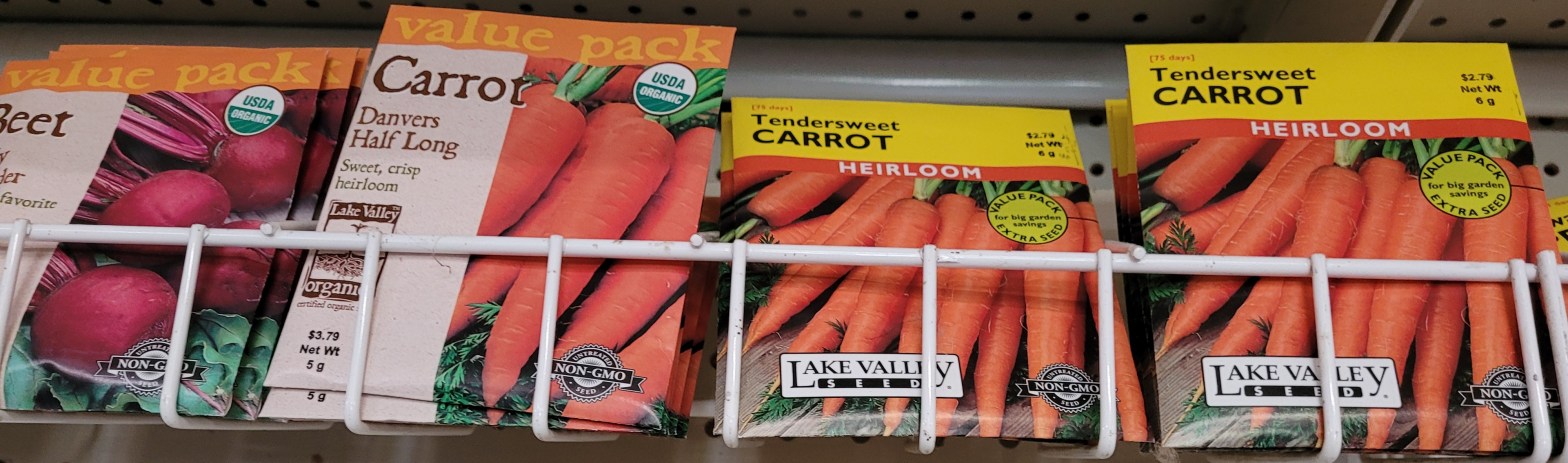
The card was sweet, but inside the card were four packages of seeds—2 carrots and 2 radishes. “Oh,” he said. “I love seeds. What a perfect birthday present!”
The man set up all his birthday cards on the window sill by his dining room table. He poked the seed packages into a shelf which was also near the table. This was his special shelf—for his seeds. He had vegetable seeds on the left—carrots, radishes, green onions, tomatoes, zucchini, and pumpkins. The flower seeds filled the tiny slots on the right—poppies of all colors and varieties, sun flowers, alyssum, marigolds, Sweet Williams, geraniums, and several packets more.
The Seed Man loved planting seeds. He loved this so much that sometimes he planted seeds when it was too cold, and the seeds died.
He learned how to plant from his father who had grown up on a farm when he was a kid. Every spring, the Seed Man and his father planted rows and rows of seeds, they sprouted, drank water, grew some more, until when summer came, the rows were filled with bushes of green beans, zucchini, pumpkins, tomatoes, peas, peppers, carrots, and onions.
The man wanted to plant his birthday seeds as soon as possible, so he walked out of his apartment, down the shaded path, past Martha’s porch, to the community garden.
The garden consisted of six planter boxes of about six by eight feet filled with soil. One of the boxes had shoots of lettuce poking through the soil. Those were from seeds that he had planted a month ago, and he bent down to inspect them. “I can’t wait to eat you,” he said, smiling down at the lettuce babies.
None of the other boxes had any plants. The seed man had cleaned up the boxes in the fall from last year’s planting season. He had picked all the pumpkins and placed one on each doorstep of the apartments so that the little old ladies who lived there could each have a pumpkin for Halloween. He had ripped out old tomato bushes and pumpkin vines and turned and loosened the soil.
The Seed Man chose another planter box for his birthday seeds. Using his big, brown hands, he mixed new soil with the dirt in an empty planting box. He squatted over the box and made little furrows in the fresh dirt, and then carefully shook the seeds out of his seed packets into the furrows. Finally, he covered his carrot and radish seeds with a light coating of earth and watered the rows with a sprinkling can.
From his tool bag, he took out a sign which he placed in the garden box which said, “These rows belong to the Seed Man. Please be careful!”
The Seed Man knew that the seeds would take about thirteen to twenty-one days to germinate, but he visited them every day anyway. When the Seed Man went to the mail box, he visited his seeds. Before he drove out to get groceries, he visited his seeds. As he came back from visiting his mother, he visited his seeds like a loyal friend checking to see if they were alright.
On day thirteen, tiny green shoots peeked out of the soil. As the Seed Man watered the shoots, he talked to them about how the sun was warm and how they would be just fine. He told them about his seed collection and how, one day, he would plant them, too, and they would grow in the rain and sun. The baby plants grew taller and taller every day, turning from a delicate light jade to a robust emerald green, and then, a few weeks later, he knew the carrots and radishes were ready to eat.
He brought a metal pail out to the garden. With two thick brown fingers, he tugged a single carrot out of the soil, washed it off, and took a bite. “Mmm. So good,” he said. He tugged at a few more and noticed how all of the greens were strong and the carrots and radish tops were bursting out of the soil.
“Oh, dear. They’re all ready to be harvested,” said the Seed Man to himself, so he pulled and pulled and pulled and pulled them out of the dirt until he had a gorgeous mound of carrots and radishes in his pail.
When he stood up, Martha was standing on the other side of the planter box watching him, her bent frame leaning over her polished wooden cane. “Whatcha got there?” she asked the Seed Man.
“I just harvested some carrots and radishes. They’re all ready at the same time. I can’t eat them all. You want some for a salad?”
“I’d love some fresh carrots and radishes!” said Martha. “Do you have enough for me to give Ellen some, too, for her lunch today?”
“Sure, I do,” said the Seed Man. “Take what you like.”
The Seed Man had to hold the pail up so that Martha could reach in and take what she wanted. She chose six carrots and six radishes.
“Thanks so much,” said Martha. “You’ll have to plant something else now since you’ve pulled out all the carrots and radishes.
“I’m going inside to look at my seed packets said the Seed Man. It’s April now and warmer. I can start planting the spring and summer vegetables now.
When the Seed Man went inside, he took a picture with his phone of all his carrots and radishes and sent it to his sister Claire to thank her for the birthday seeds. Then, he made himself a salad for lunch, and he forgot to look at his seed packages.
He had a lot to do that day. Since he was the maintenance man at the apartment complex, he had to rake the leaves on the front lawn, empty all the trash bins, and clean out an empty apartment. By the time the day was over, he was so tired that he spent the evening stretched out on his brown arm chair browsing through a seed catalogue.
The next morning, the Seed Man was excited to check his garden, so he walked out of his apartment, down the shaded path, past Martha’s porch, to the community planter boxes. He sauntered over to the box where he had planted the carrots and radishes and looked down to inspect them.
They were gone! Missing! Someone had come and picked all of them overnight. The Seed Man felt like his heart was breaking. A sadness started growing in the middle of his chest and spread outward until even his eyes were filled with gloom.
Martha hobbled down the path with her wooden cane to the garden while the Seed Man squatted dejectedly beside the empty planter box.
“Those carrots and radishes sure were delicious!” she yelled in a shrill but excited voice even before she reached him.
“What?” said the Seed Man, scratching his head.
“I cut up the carrots and radishes you gave me and put them in a salad for my lunch,” said Martha. “They tasted like rain and sunshine. Thank you very much for sharing them.”
All of a sudden, the Seed Man remembered that he had picked all the carrots and radishes the day before and given some to Martha. The sadness filling his chest popped like a balloon and he felt happy again—the air, the sun, and Martha’s company making his spirit soar again like a bird.
“I forgot that I picked them all,” he said, laughing. “You know Martha, I just turned 64 a few months ago.”
“Did you now?” she said back.
His mailbox was the one at the far end. He flipped down the metal door and inside was a little stack of letters. “Mmm,” the Seed Man said. “More mail than usual.”
When he got back to his apartment, he sat down in his brown arm chair to open his letters. “Lots of cards today,” he mumbled. “Oh, yeah. It’s my birthday. I’m turning 64 today. I’ve never been 64 before, so let’s see how it goes.”
One of the birthday cards was fat. It was from his sister Claire, and the Seed Man opened it with a knife, slitting it across the top.
The card was sweet, but inside the card were four packages of seeds—2 carrots and 2 radishes. “Oh,” he said. “I love seeds. What a perfect birthday present!”
The man set up all his birthday cards on the window sill by his dining room table. He poked the seed packages into a shelf which was also near the table. This was his special shelf—for his seeds. He had vegetable seeds on the left—carrots, radishes, green onions, tomatoes, zucchini, and pumpkins. The flower seeds filled the tiny slots on the right—poppies of all colors and varieties, sun flowers, alyssum, marigolds, Sweet Williams, geraniums, and several packets more.
The Seed Man loved planting seeds. He loved this so much that sometimes he planted seeds when it was too cold, and the seeds died.
He learned how to plant from his father who had grown up on a farm when he was a kid. Every spring, the Seed Man and his father planted rows and rows of seeds, they sprouted, drank water, grew some more, until when summer came, the rows were filled with bushes of green beans, zucchini, pumpkins, tomatoes, peas, peppers, carrots, and onions.
The man wanted to plant his birthday seeds as soon as possible, so he walked out of his apartment, down the shaded path, past Martha’s porch, to the community garden.
The garden consisted of six planter boxes of about six by eight feet filled with soil. One of the boxes had shoots of lettuce poking through the soil. Those were from seeds that he had planted a month ago, and he bent down to inspect them. “I can’t wait to eat you,” he said, smiling down at the lettuce babies.
None of the other boxes had any plants. The seed man had cleaned up the boxes in the fall from last year’s planting season. He had picked all the pumpkins and placed one on each doorstep of the apartments so that the little old ladies who lived there could each have a pumpkin for Halloween. He had ripped out old tomato bushes and pumpkin vines and turned and loosened the soil.
The Seed Man chose another planter box for his birthday seeds. Using his big, brown hands, he mixed new soil with the dirt in an empty planting box. He squatted over the box and made little furrows in the fresh dirt, and then carefully shook the seeds out of his seed packets into the furrows. Finally, he covered his carrot and radish seeds with a light coating of earth and watered the rows with a sprinkling can.
From his tool bag, he took out a sign which he placed in the garden box which said, “These rows belong to the Seed Man. Please be careful!”
The Seed Man knew that the seeds would take about thirteen to twenty-one days to germinate, but he visited them every day anyway. When the Seed Man went to the mail box, he visited his seeds. Before he drove out to get groceries, he visited his seeds. As he came back from visiting his mother, he visited his seeds like a loyal friend checking to see if they were alright.
On day thirteen, tiny green shoots peeked out of the soil. As the Seed Man watered the shoots, he talked to them about how the sun was warm and how they would be just fine. He told them about his seed collection and how, one day, he would plant them, too, and they would grow in the rain and sun. The baby plants grew taller and taller every day, turning from a delicate light jade to a robust emerald green, and then, a few weeks later, he knew the carrots and radishes were ready to eat.
He brought a metal pail out to the garden. With two thick brown fingers, he tugged a single carrot out of the soil, washed it off, and took a bite. “Mmm. So good,” he said. He tugged at a few more and noticed how all of the greens were strong and the carrots and radish tops were bursting out of the soil.
“Oh, dear. They’re all ready to be harvested,” said the Seed Man to himself, so he pulled and pulled and pulled and pulled them out of the dirt until he had a gorgeous mound of carrots and radishes in his pail.
When he stood up, Martha was standing on the other side of the planter box watching him, her bent frame leaning over her polished wooden cane. “Whatcha got there?” she asked the Seed Man.
“I just harvested some carrots and radishes. They’re all ready at the same time. I can’t eat them all. You want some for a salad?”
“I’d love some fresh carrots and radishes!” said Martha. “Do you have enough for me to give Ellen some, too, for her lunch today?”
“Sure, I do,” said the Seed Man. “Take what you like.”
The Seed Man had to hold the pail up so that Martha could reach in and take what she wanted. She chose six carrots and six radishes.
“Thanks so much,” said Martha. “You’ll have to plant something else now since you’ve pulled out all the carrots and radishes.
“I’m going inside to look at my seed packets said the Seed Man. It’s April now and warmer. I can start planting the spring and summer vegetables now.
When the Seed Man went inside, he took a picture with his phone of all his carrots and radishes and sent it to his sister Claire to thank her for the birthday seeds. Then, he made himself a salad for lunch, and he forgot to look at his seed packages.
He had a lot to do that day. Since he was the maintenance man at the apartment complex, he had to rake the leaves on the front lawn, empty all the trash bins, and clean out an empty apartment. By the time the day was over, he was so tired that he spent the evening stretched out on his brown arm chair browsing through a seed catalogue.
The next morning, the Seed Man was excited to check his garden, so he walked out of his apartment, down the shaded path, past Martha’s porch, to the community planter boxes. He sauntered over to the box where he had planted the carrots and radishes and looked down to inspect them.
They were gone! Missing! Someone had come and picked all of them overnight. The Seed Man felt like his heart was breaking. A sadness started growing in the middle of his chest and spread outward until even his eyes were filled with gloom.
Martha hobbled down the path with her wooden cane to the garden while the Seed Man squatted dejectedly beside the empty planter box.
“Those carrots and radishes sure were delicious!” she yelled in a shrill but excited voice even before she reached him.
“What?” said the Seed Man, scratching his head.
“I cut up the carrots and radishes you gave me and put them in a salad for my lunch,” said Martha. “They tasted like rain and sunshine. Thank you very much for sharing them.”
All of a sudden, the Seed Man remembered that he had picked all the carrots and radishes the day before and given some to Martha. The sadness filling his chest popped like a balloon and he felt happy again—the air, the sun, and Martha’s company making his spirit soar again like a bird.
“I forgot that I picked them all,” he said, laughing. “You know Martha, I just turned 64 a few months ago.”
“Did you now?” she said back.
“Yep, and I’m finding out how difficult being old can be.”


 Tess Perko's Blog