Leona’s Tacos

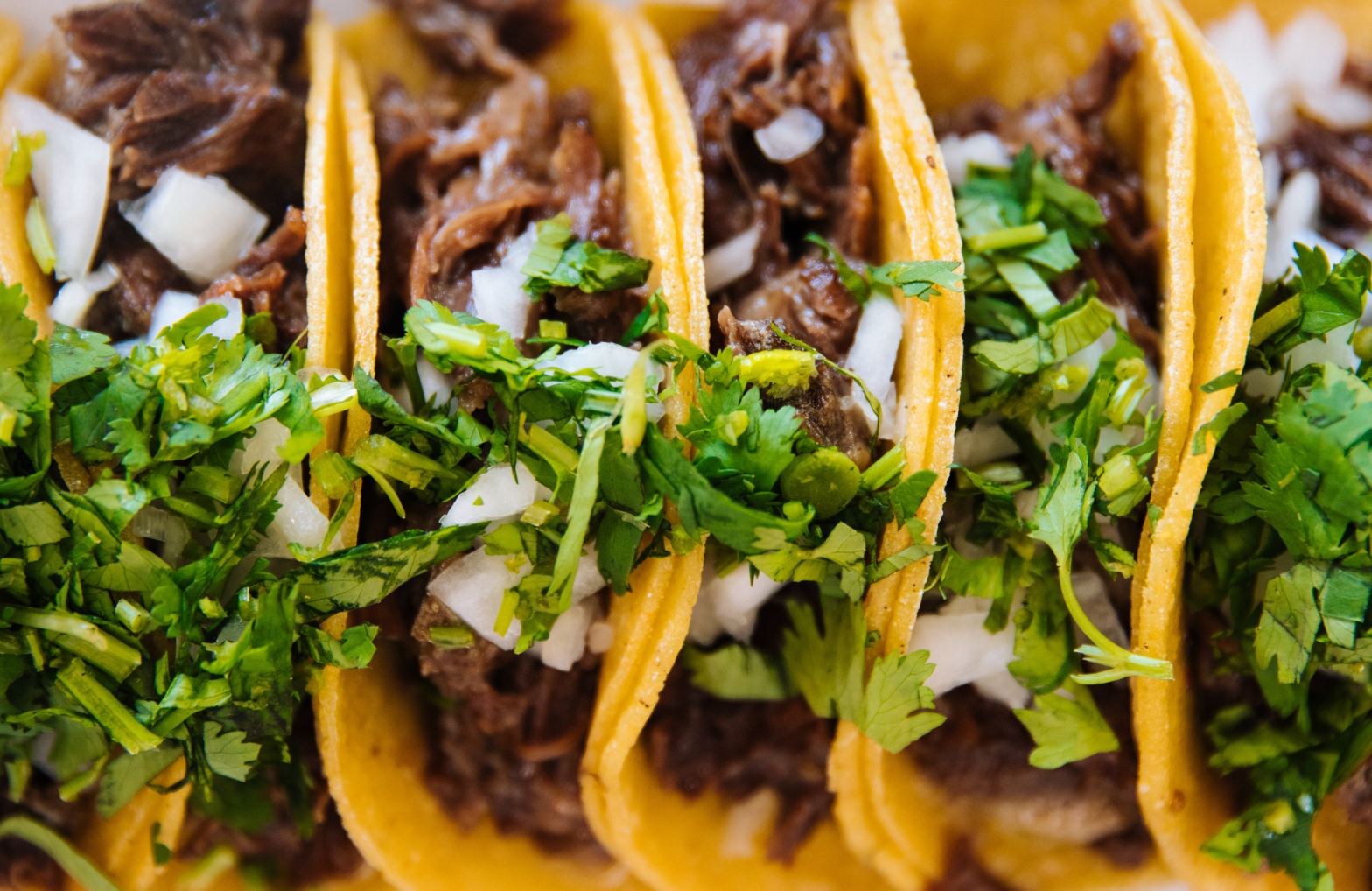
Photo by Jeswin Thomas on Unsplash

My friend Leona taught me how to make tacos when I was in my early twenties. She was the grandmother of one of my college friends, and I stayed with her for two weeks when I first moved to Los Angeles. Leona was fifty years older than me, but we developed a deep friendship.

Leona lived on Verde Street, on a hill in East Los Angeles in a house built by hand by her late husband. All the houses on the street looked homemade, each one like a small collection of shoe boxes glued together on tiny lots overlooking the San Bernadino freeway.

When Leona made tacos, she browned ground beef in one pan. She didn’t add any spices, not even salt and pepper. In another pan, she fried tortillas in vegetable oil until they were golden on each side, then flipped one half over the other to make a half-moon. With a spatula, she tossed the slightly crispy tortillas on a plate, using paper towels between each one to soak up the oil. She put grated cheddar cheese and a jar of mild salsa on the tiny chrome and Formica kitchen table.

When everything was ready, we sat down and combined the simple ingredients to make our own tacos while we looked out the window. From our eagle’s perch, we could watch the freeway as automobiles, trucks, and police cars lit up the night like Christmas. We also talked about the people in our lives, her children, her grandchildren, my friends, and each other. This is when I learned that the best lives are simple ones, no drama, no difficult entanglements, easy to manage. Those were the first tacos I had ever eaten, and I loved them.

While raising my two kids, I made tacos all the time. My dad was an avid fisherman, yet he didn’t like to eat fish; therefore, he brought freezer chests full of frozen fish to my house for us to eat. From his bounty, I made fish tacos—long before they became popular in restaurants. I invented sturgeon tacos with lettuce, sour cream, cilantro, and salsa. I created salmon tacos with fresh guacamole, basil leaves, shredded lettuce, and salsa. When we ran out of grandpa’s fish, I made tacos with shrimp, ground turkey, left-over steak, and pork chops. My kids loved them and, at the end of every taco meal, the serving plates were empty. In between bites, my kids told me about what had happened at school that day, what their friends were doing, and how they had to write papers for English and history class. As their mother, I learned to listen to them carefully before jumping in with advice and was thrilled they were confiding in me.

Now my kids are grown, and they have to feed themselves. My son is a taco specialist. For two years, he lived off of rice and bean tacos with shredded carrots, lettuce and salsa. It was his way of eating healthy and saving money at the same time.

The other day, I stopped at a farmer’s market on my way home from Sacramento. I bought red onions, peaches, cilantro and peach salsa. At home, I had some leftover roasted leg of lamb and spinach tortillas, and had decided I was going to make tacos for dinner.

Like Leona taught me, I fried the tortillas on each side until they were golden and then flipped one half over the other to make a half-moon. I transferred each one to a plate with paper towels to soak up the oil, even though I was using olive oil instead of vegetable oil.

I chopped up some red onion, cilantro and peaches, then sliced the lamb in finger-sized pieces and warmed it up in the same skillet that I had used for the tortillas. When everything was ready, I assembled the tacos: roast lamb, chopped red onion, chopped peaches, cilantro leaves, and peach salsa. I arranged two tacos on each of two dinner plates and called my husband to supper. Before we started eating, we expressed our gratitude for each other and the life we had built together. From listening to my husband’s prayer, I have learned that he is most grateful for having me in his life.

Leona and I were friends until she died at the age of ninety-five. We drove together from Los Angeles to Sacramento to visit our respective families. We stopped to taste olives and almonds. We visited missions. We ate lunch at Bob’s Big Boy and Denny’s. She made quilts while watching movies, and I made needlepoint pillows.

Leona taught me that life was a journey, and that every stop along the way was just one sojourn in a series of manageable experiences. Simply, Leona was a precious friend. I still love her, and am most grateful that she taught me how to make tacos. From that first day when she made them for me until today when I make them for my husband, I’ve learned that the relationships in my life are my most important possessions.
Friendly Italians

A whole country full of friendly people. That’s Italy. Besides the beauty of the countryside and beaches, the outstanding history, the scrumptious food, the satisfying wine, the awe-inspiring architecture and art, the people of Italy are incredibly welcoming, social, hospitable, approachable, and responsive. I visited Italy last August and I can remember so many encounters with friendly Italians.

The Limoncello Merchant

First, there was the shop-owner in Sorrento, Gino, who sold limoncello and other liquors. He started a conversation with me as soon as I entered his shop. I learned that he had a family in Naples and he rode a scooter to work every day, even in the rain. He thought it might be time to buy a car.

As I wandered around his miniature shop, I enjoyed the brightly-colored bottles of limoncello, meloncello, and other treats. He kindly pointed out the advantages of each size of bottle. Some were small enough to tuck into carry-on luggage so they wouldn’t break. Some were sold in sets with one bottle of three different flavors. As we chatted about the liquors, I told him I was from San Francisco, and he said that he visited there with his family a few years back. They also went to Yosemite and loved the hiking. We talked about the different trails and the gorgeous views in the City.

Finally, I chose some bottles of cello, and he wrapped them up for me in brown paper to protect them. We smiled at each other when he was done, and then he reached out around my shoulders and gave me a hug.

“I can tell what a nice person you are,” he said. “I will never forget you.”

I know that I will never forget Gino.

The Florentine Woman with Beautiful Hair

Then there was the day in Florence when I got lost in the warren of cobblestone streets. I had started out from The Basilica of Santa Croce where I had visited the tombs of Michelangelo and Galileo, and walked north on Borgo Allegri, knowing that I’d have to turn left on a street in order to find the Mercato Centrale. I turned left onto Via Sant’Egigio and walked and walked until it turned into Via del Pucci. Unfortunately, Via del Pucci ended at Basilica de San Lorenzo, and I was lost. I couldn’t even tell the direction of the Arno River which would help me get back to my hotel. I walked, and turned, and walked, and turned, and finally stopped an elderly Italian woman to ask for directions.

This olive-skinned beauty with graying but lustrous hair wore a black pencil skirt, a maroon cardigan, and a white blouse. I was worried that she would be bothered by my question, but she smiled at me right away.

“The river is that way,” she pointed. “You’re not too far. Just keep following this street and you’ll see it in a few blocks.”

“Grazie, grazie,” I repeated to her, and her smile became even warmer. Her eyes twinkled in the shadow of the narrow street, and I felt so much better. We gave each other a lasting smile and she waved to me as I walked away, following her directions.

The Venetian Painter

I met a painter in Venice in front of my hotel, the Danieli, which was situated on the waterfront of the Canale di San Marco, right across from the island of San Giorgio Maggiore and a few steps away from the Doge’s Palace and Piazza San Marco.  His miniature pop-up stand stood in a row with the stands of two other painters, their paintings hung on every side of their stands’ frames and propped up on the sidewalk.

The old painter, with white hair, a scruffy T-shirt, and paint-splattered trousers, welcomed me when I stopped to look at one of his paintings—an impressionistic portrait of a café with colorful tablecloths and umbrellas that sat on an island between two canals. I loved the flashes of paint that let my imagination wonder about the details that were elusive to the eye. 

The old man gave me a tour of all his paintings. He described where they had been painted by pointing in all directions of Venice. Most of the paintings were realistic, and these took more time to finish, he said. The impressionistic one, the only one in his collection, took less time since the detail was left up to the viewer’s imagination. 

My eyes kept trailing back to the impressionist café, and I paid for it, but this painter wasn’t done with me. He held out the painting and made suggestions as to how to frame it, how to make the picture look like it continued beyond the canvas. We stood in the hot, September sun and discussed color and materials, technique and effect. Finally, the old painter rolled up my canvas, slid it into a thick, cardboard cube, and handed it to me with a bow. I walked away feeling that I had purchased not only a painting but a cherished memory.

Oh those Italian gente (people). They clearly believe that happiness is found in relationships most of all. I believe, they’re right. When I think back on my Italian trip, I remember the people I met more than anything else.

Retirement Richness: Nourishing Relationships

Photo by Ekaterina Shakharova on Unsplash

When people think about retirement, they often struggle to think about what activities they will do to fill their days.  Some take up golf.  Others start biking.  Others work for the local food bank.  Retired teachers go back and teach a single class, and retired nurses volunteer for essential posts at the local hospital.   

I have a suggestion about another way to think about retirement and a rewarding focus for this special opportunistic time in life. 

Relationships are key to our happiness, and during our working years, we often fail to nourish them due to time constraints or career responsibilities.  In retirement, however, people have more time and can be more flexible with it.  I suggest spending some of that time to renew old relationships and build fulfilling new ones. 

One of the most gratifying sources of happiness is a positive relationship with a significant other.  When I retired, my husband had already been retired for a few years and he was just waiting in the wings to spend more time with me.  After a few weeks, we settled into a flexible routine for our retirement days.  We both have individual activities, but we consciously set aside several times during our day to spend with each other.  For example, on most days, we eat lunch together.  We sit down at our dining room table with a bowl of homemade soup or some takeout from a local restaurant and we share 45 minutes feeling grateful for each other and for the wonderful food and food providers in our lives.  Before we start eating, we even express our gratification to make it formal.

Another way we spend time together each day is by sitting down to talk at 4 p.m. until we eat dinner at 6.  Part of that time, we may sit outside if the weather is fine or make dinner in the kitchen.  We talk about foods we love, friends we talked with during the day, and what is happening in our extended family.  What makes this time so special is that we are both committed to being present with each other.

If you have been blessed with grandchildren by the time you retire, you can spend more time with them to enrich not only their lives, but also your own.  One retired couple that I know visit their grandchildren three afternoons a week after school to help them with their homework or to play games.  They interact with their grandchildren before the parents come home from work and they don’t stay for dinner.  They are not babysitting since the children’s nanny is there too.  The focus is on developing meaningful and loving relationships.

Retirement is also a wonderful time to spend more time with your own children.  By this time, they will be busy in their own careers, but retirement gives you the flexibility to meet them during times when they’re available and to participate in the development of their lives.  For example, one morning at 9:00 a.m., I helped my daughter practice for a future interview for a new job using Google Meetups.  Throughout the day, I play chess with my son using an app on my computer.  When they are free, we go for walks together.  I babysit my daughter’s dog while she gets her hair cut which keeps me in tune with her interests.  The key is to participate in their lives so they have time for you and feel comfortable sharing their life with you.

Perhaps you have retired and your parents are still living out the twilights of their lives.  Retirement gives you extra time to spend with them, too.  One person I know cuts his mother’s lawn every two weeks.  A woman whose mother lives in an assisted living facility visits her once a week to play games, help her with her tax return, make crafts, or eat a meal together.  I know from personal experience that this late-in-life time with a parent can prove to be the most cherished of all.

One extremely rewarding opportunity in retirement is renewing the relationships with siblings.  I come from a large family and have nine siblings.  Recently, my siblings and I have started keeping group chats going throughout each day.  We discuss family history, our goals, our exercise activity, problems. And more. I recently helped one of my brothers write his will and apply for retirement.  I helped another brother buy cremation services, and I got help from one of my sisters to plan a memorial service for someone.  This renewal of our relationships takes me back to the carefree days of my childhood when we played in the backyard until dark.  Only now, we are seasoned and more diverse in our experiences which makes our conversations so much more interesting.

Even relationships with extended family can blossom into beautiful connections.  As soon as I retired, one of my nephews asked me to read the novel he was writing and provide him with feedback.  I jumped at the chance and carved out a space in my schedule to achieve this.  From our connection, we have become much closer, I have helped him form a writer’s network, and we converse all the time. 

One of my mother’s sisters is a prolific letter writer, so I’ve decided to write her letters back and enjoy hers, too. Sometimes, instead of writing letters, I send her a short story that I’ve written about my mother or some other family member. She loves the connection, and writing letters helps me slow down and enjoy my connection with her, and through her, with my late mother.

When I was teaching English at a community college, I rarely had time to meet with my girlfriends, and, now that the pandemic has curbed my activity as well, I’m still not seeing them enough, yet I still am refreshing my friendships with my treasured women friends in a variety of ways.  One friend and I share our blog postings with each other, providing support and inspiration.  With another friend, I share new recipes, wine ideas, and plans for future travel.  Another friend and I go for socially-distanced walks and enjoy our spiritual connection with nature all around us. 

I’ve noticed that my husband works hard at nourishing his guy friendships as well.  He plays golf about once a week, not for the purpose of playing a great game, but for the opportunity to spend time with three of his favorite buddies.  They talk about travel, the news, sports, and their family lives.  One of his childhood friends keeps him in contact with friends from grade school, high school, and college.  They share pictures of their former sports’ teams and provide financial support for old friends who fall upon hard times.  On golf days, he comes home rested and happy, and, with his old friends, he and I share lots of laughter.

In retirement, our lives take on a new perspective.  We aren’t teachers, managers, salespersons, congressmen and women, cashiers, hairdressers, or waiters anymore, but the summation of those deep and diverse experiences that our careers have created; we, then, also may wish to develop new friends to accompany us in our new pursuits.

A few years ago, I joined a chorus comprised of mostly retired singers.  I only sang with them for three and a half years, but when I quit the chorus, I didn’t quit those cherished friendships.  Now, I attend their concerts as a listener instead of a performer.  I support their individual singing events, and I’ve made even more friends through my association with them.  I share their joys, witness their talents, and happily rejoice in their accomplishments.  And through all of these musical experiences, I nourish my own love of music.

Retirement is a new beginning—a time to rediscover the people who make us bigger than ourselves, better with company, and happier with connection.