
A whole country full of friendly people. That’s Italy. Besides the beauty of the countryside and beaches, the outstanding history, the scrumptious food, the satisfying wine, the awe-inspiring architecture and art, the people of Italy are incredibly welcoming, social, hospitable, approachable, and responsive. I visited Italy last August and I can remember so many encounters with friendly Italians.
The Limoncello Merchant
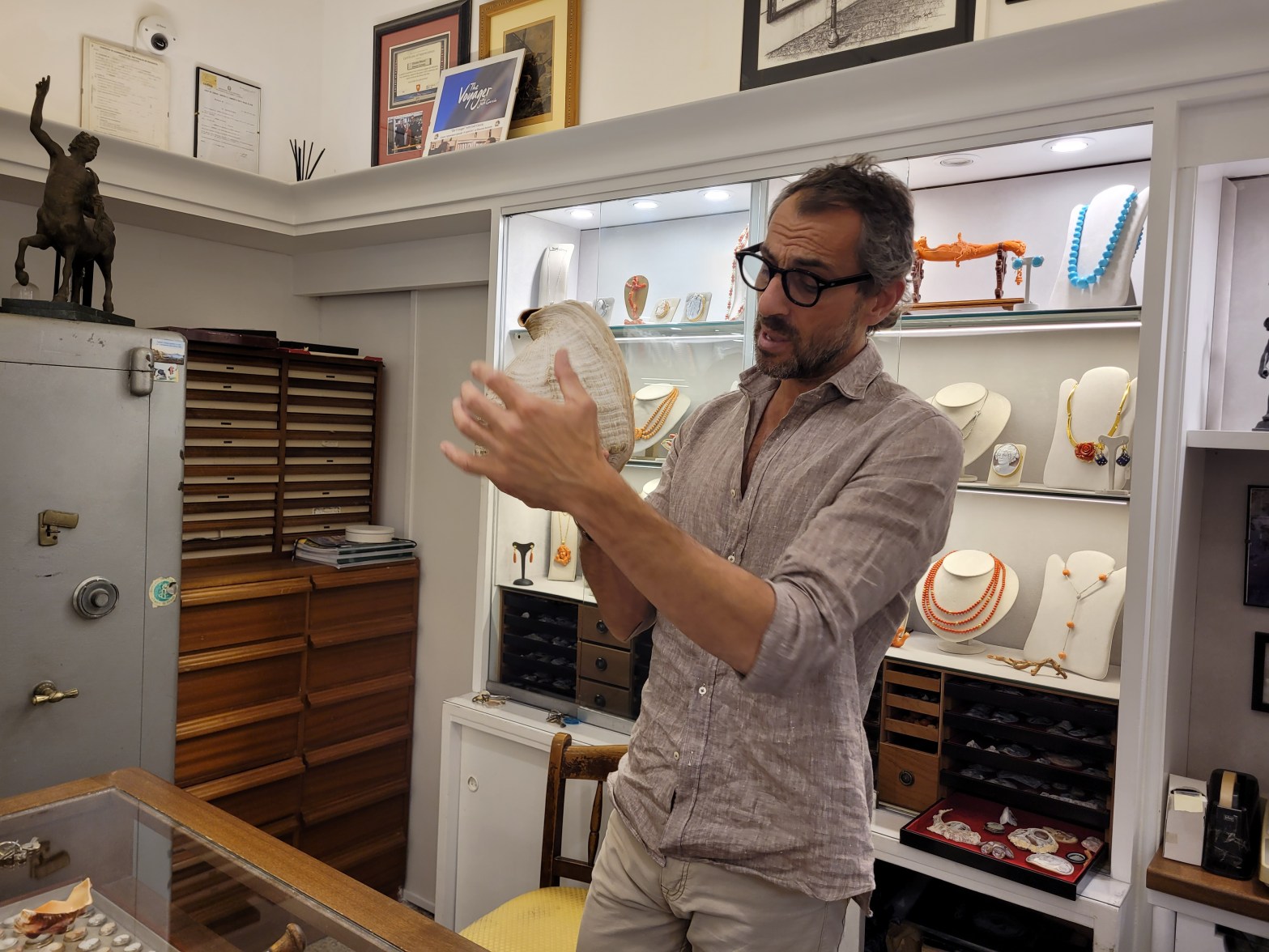
First, there was the shop-owner in Sorrento, Gino, who sold limoncello and other liquors. He started a conversation with me as soon as I entered his shop. I learned that he had a family in Naples and he rode a scooter to work every day, even in the rain. He thought it might be time to buy a car.
As I wandered around his miniature shop, I enjoyed the brightly-colored bottles of limoncello, meloncello, and other treats. He kindly pointed out the advantages of each size of bottle. Some were small enough to tuck into carry-on luggage so they wouldn’t break. Some were sold in sets with one bottle of three different flavors. As we chatted about the liquors, I told him I was from San Francisco, and he said that he visited there with his family a few years back. They also went to Yosemite and loved the hiking. We talked about the different trails and the gorgeous views in the City.
Finally, I chose some bottles of cello, and he wrapped them up for me in brown paper to protect them. We smiled at each other when he was done, and then he reached out around my shoulders and gave me a hug.
“I can tell what a nice person you are,” he said. “I will never forget you.”
I know that I will never forget Gino.
The Florentine Woman with Beautiful Hair
Then there was the day in Florence when I got lost in the warren of cobblestone streets. I had started out from The Basilica of Santa Croce where I had visited the tombs of Michelangelo and Galileo, and walked north on Borgo Allegri, knowing that I’d have to turn left on a street in order to find the Mercato Centrale. I turned left onto Via Sant’Egigio and walked and walked until it turned into Via del Pucci. Unfortunately, Via del Pucci ended at Basilica de San Lorenzo, and I was lost. I couldn’t even tell the direction of the Arno River which would help me get back to my hotel. I walked, and turned, and walked, and turned, and finally stopped an elderly Italian woman to ask for directions.
This olive-skinned beauty with graying but lustrous hair wore a black pencil skirt, a maroon cardigan, and a white blouse. I was worried that she would be bothered by my question, but she smiled at me right away.
“The river is that way,” she pointed. “You’re not too far. Just keep following this street and you’ll see it in a few blocks.”
“Grazie, grazie,” I repeated to her, and her smile became even warmer. Her eyes twinkled in the shadow of the narrow street, and I felt so much better. We gave each other a lasting smile and she waved to me as I walked away, following her directions.
The Venetian Painter
I met a painter in Venice in front of my hotel, the Danieli, which was situated on the waterfront of the Canale di San Marco, right across from the island of San Giorgio Maggiore and a few steps away from the Doge’s Palace and Piazza San Marco. His miniature pop-up stand stood in a row with the stands of two other painters, their paintings hung on every side of their stands’ frames and propped up on the sidewalk.
The old painter, with white hair, a scruffy T-shirt, and paint-splattered trousers, welcomed me when I stopped to look at one of his paintings—an impressionistic portrait of a café with colorful tablecloths and umbrellas that sat on an island between two canals. I loved the flashes of paint that let my imagination wonder about the details that were elusive to the eye.
The old man gave me a tour of all his paintings. He described where they had been painted by pointing in all directions of Venice. Most of the paintings were realistic, and these took more time to finish, he said. The impressionistic one, the only one in his collection, took less time since the detail was left up to the viewer’s imagination.
My eyes kept trailing back to the impressionist café, and I paid for it, but this painter wasn’t done with me. He held out the painting and made suggestions as to how to frame it, how to make the picture look like it continued beyond the canvas. We stood in the hot, September sun and discussed color and materials, technique and effect. Finally, the old painter rolled up my canvas, slid it into a thick, cardboard cube, and handed it to me with a bow. I walked away feeling that I had purchased not only a painting but a cherished memory.
Oh those Italian gente (people). They clearly believe that happiness is found in relationships most of all. I believe, they’re right. When I think back on my Italian trip, I remember the people I met more than anything else.
 Tess Perko's Blog