Character Study: Claire & Alice

Photo by Baptist Standaert on Unsplash

I drove up to Alice’s house in my GMC Terrain and parked the car near the curb. Alice’s home was next to a neighborhood open space. A gigantic hedge, over twelve feet high separated her front yard from the park.

I pushed my purse under the front seat, taking my car key with me. When I opened the door and got out, I tucked the key into my fanny pack where I had already put my cell phone. I put on my walking hat, which was pink and matched my hoodie. It also had a flap to protect my neck from the sun.

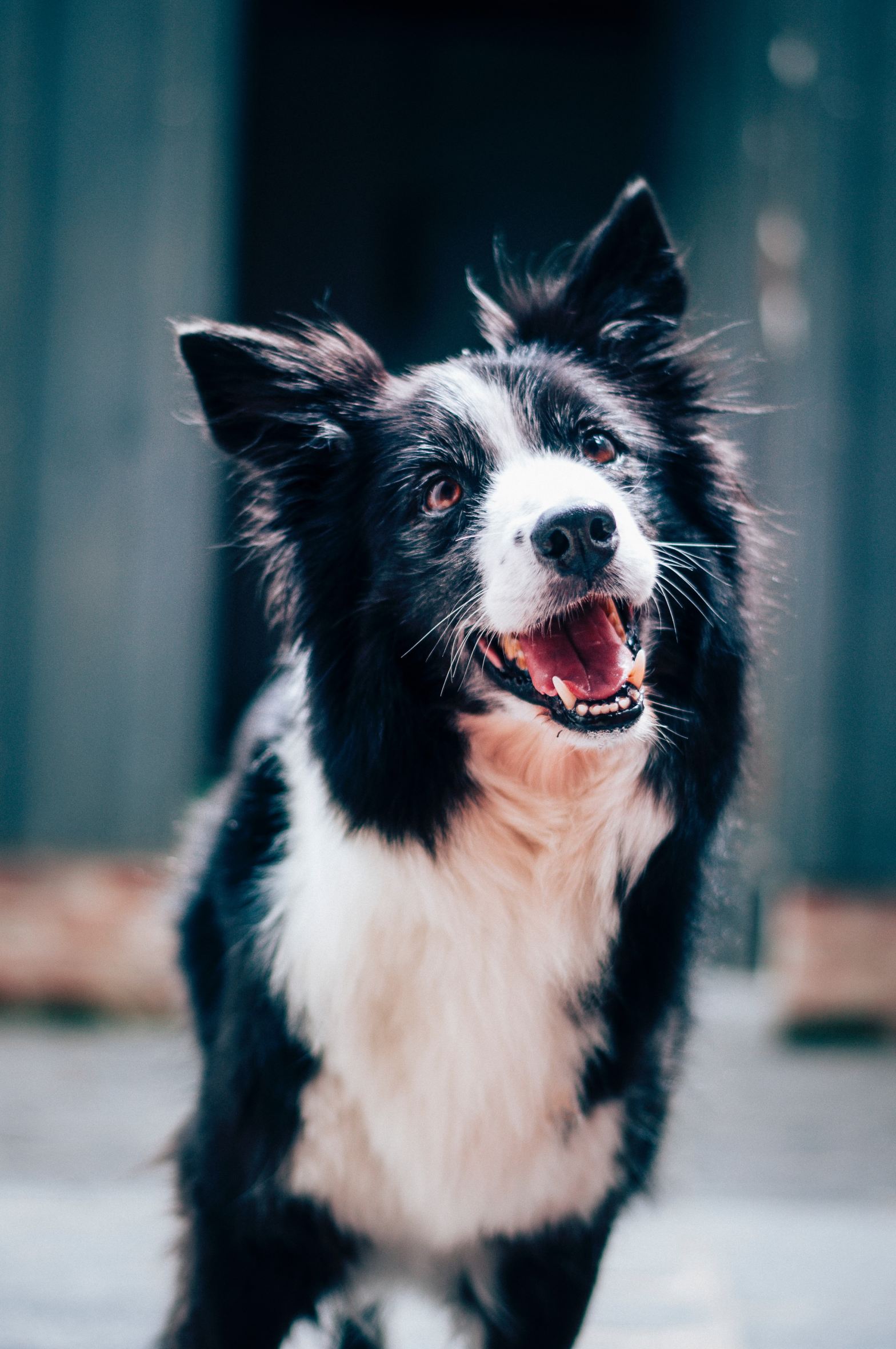
It was Tuesday, the day we always walked together. Alice walked her Border Collie while I stayed on her right. For some reason, the dog liked to pull the leash to the left onto the grass.

I’d known Alice since my son was in kindergarten; her son was my son’s best friend. We had met in the kindergarten playground after school while picking up our children. Later, we saw each other at another friend’s house for swimming, and even later when the boys were in middle and high school, they took turns hanging out at Alice’s and my house. In fact, when my son, Zach, graduated from high school at went to college, Alice had said that her grocery bill went down. Apparently, he liked her snacks and chocolate.

But now our sons were grown and working in Silicon Valley for high-tech companies, and we were both divorced from their dads. We were members of a single’s group named Rusty Bindings, which was a ski club for single people over 50. Alice and I were both in our sixties.

We looked pretty good for our age. Both of us had dyed our hair blonde since our thirties when the gray started to show. In addition, we both were avid exercisers, even though we didn’t ski. Alice did Zumba in her kitchen via Zoom and I attended Pilates classes four times a week. And we walked.

I ambled up Alice’s driveway over the flagstones. Her yard was a profusion of flowers and succulents of all kinds. Alice believed that lawns were ridiculous for yards in a state like California which was experiencing a drought, so she had ripped out all her grass and planted flowering bushes. Roses climbed up a metal arbor standing in the middle. African irises punctuated the landscape around the edges, and tea roses of pink, white, and yellow filled in the remainder of the middle.

Under the four-foot-wide eaves of the house, Alice had planted azaleas and gardenias in the shade that were now in full bloom. The gardenias gave off a strong vanilla scent as I walked up to the door.

On the porch, pots of all shapes and sizes held a variety of succulents: red, green, purple, curly, and pointed. The yard was a green thumb’s paradise.

As soon as I knocked on the door, a cacophony of barking began inside the house. Running paws pounded the floor and bodies thumped against the inside of the door. I jumped when the door shook since I had once been bitten by a German Shephard that was off its leash. I still had the scar just above my right ankle, an angry red curve.

After waiting two full minutes, I heard Alice come into the front hallway yelling at her dogs to let her through. The deadbolt clicked and then the door knob clunked as she unlocked the door. When she opened it, the Border Collie and Jack Russel dogs scooted through the narrow opening, jumped clear across the porch and pounced onto my chest with their front paws.

“Here Jack,” Alice called. “Come get your treat.” Jack jumped down, turned like a top, and ran back inside. As he did, Alice handed me the leash for the Border Collie, then she disappeared and closed the door.

I had gotten a little smarter over the years that we had been walking together, so I took a treat out of my pocket and threw it on the ground for Cali, the Collie. When she bent down to eat it, I clipped on her leash in a flash.

Alice came out of the door holding her hat and a flask of water. Her blonde hair was pulled back into a pony tail. She was dressed in blue jeans, a printed blouse, and a buttoned-up red cardigan sweater. She set the flask on the top of her car in the driveway while she put on her hat and I held onto Cali’s leash for life.

“I’m ready,” said Alice.

“Cali’s been ready,” I said.

Cali heard me and took off running with me holding onto the leash like a kite in the wind.

Learning a Language for a Better Life in Retirement

Photo by Jon Tyson on Unsplash

I’ve been retired for two and a half years, and a month after I retired, I started taking Spanish lessons. I previously took French in high school and college and two years of Spanish in graduate school, but I hadn’t used either language much at all. Now, my goal is to be fluent in Spanish one day.

It turns out that taking Spanish during retirement is a great idea. It’s great for health and also enhances my social life. Here’s how.

Learning a Language Sharpens Memory

Because studying a new language involves absorbing new information and practice, it is good for retaining the brain’s memory capability. According to Carly Spence at Cambridge.org, “[language] students learn new words and grammatical constructs and spend time reviewing and building on their previous knowledge as part of the learning process. This . . . is . . . an effective brain workout and protects older learners against dementia and other degenerative neurological conditions.” My memory is just as sharp as it was thirty years ago, and I want to keep it that way, so I guess I’ll be studying Spanish for years to come.

Learning a Language Boosts Cognition

Learning a language can also make a person smarter or help her stay sharp as she ages. In The Sydney Morning Herald, Evelyn Lewin explained the positive effects of studying a new language as determined by a 2019 Italian study. The study “looked at the effects in adults aged between 59 and 79 and found that, after just four months, people learning a second language scored significantly better on two research-backed measures of brain health and acuity: global cognition (such as thinking, understanding and problem-solving) and functional connectivity.” Many elderly people take it for granted that they will lose their ability to think clearly or maintain their intelligence, but this isn’t true for people who continue to use the high-level functions of their brains such as in studying another language.

Learning a Language Makes Travel More Fun

I just traveled to France for almost a month, and everywhere I went, I had opportunities to speak French. A French friend suggested that I always greet a French person by saying Bonjour first as a polite gesture. This small habit helped me engage in many lovely conversations in which I learned about the area I was visiting and the wonderful people I was meeting. As I continued my trip, French phrases popped up in my brain from my old French classes so that I could extend my conversations in French more and more. I felt proud of my capability and had much more fun.

Learning a Language Improves Creativity

Studying a language promotes a student’s creative abilities. According to Carly Spence at Cambridge.org, “This could be the result of the thought processes involved in language learning. These include translation, language switching and disciplined study, along with a willingness to learn and adapt.” Learning a language takes courage and humility, which are two characteristics of a creative person as well. A language learner believes that it is possible to learn to speak and understand a new language, and a creative person believes in new thought processes or ideas, so learning Spanish and being creative are truly close companions.

One of my goals is to do something creative every day since creating makes me happy. I’m a writer, but I also cook, garden, and decorate my home and yard. When I retired, I started to write a novel, and now that novel is almost ready for publication. I’ve been amazed at my creative power during the last two-and-a-half years. I believe my study of Spanish has enhanced my ability to create in other areas.

Learning a Language Leads to New Friendships

I’ve been taking Spanish classes for two-and-a-half years now, and this fall, I’ll be in Spanish 4. Each of my classes has consisted of over twenty students, most of them being retired. Often, the teacher arranges students into small groups to practice verb tenses or other tasks. When students work in groups, conversations become more trusting and students learn about what they have in common with their classmates.

I’ve made two new good friends in my classes. One is a former chemist who is married to an Indian man and has adopted two Indian children. The other woman is a former physician assistant whose husband is also studying Spanish. In-between classes, I meet with these friends at a coffee shop or for lunch to practice conversational Spanish. We share favorite restaurants, talk about our vacations, and reminisce about our childhoods.

Studying a language is not only educational and fun; it makes retirement a happier and healthier time of life.

Retirement Richness: Nourishing Relationships

Photo by Ekaterina Shakharova on Unsplash

When people think about retirement, they often struggle to think about what activities they will do to fill their days.  Some take up golf.  Others start biking.  Others work for the local food bank.  Retired teachers go back and teach a single class, and retired nurses volunteer for essential posts at the local hospital.   

I have a suggestion about another way to think about retirement and a rewarding focus for this special opportunistic time in life. 

Relationships are key to our happiness, and during our working years, we often fail to nourish them due to time constraints or career responsibilities.  In retirement, however, people have more time and can be more flexible with it.  I suggest spending some of that time to renew old relationships and build fulfilling new ones. 

One of the most gratifying sources of happiness is a positive relationship with a significant other.  When I retired, my husband had already been retired for a few years and he was just waiting in the wings to spend more time with me.  After a few weeks, we settled into a flexible routine for our retirement days.  We both have individual activities, but we consciously set aside several times during our day to spend with each other.  For example, on most days, we eat lunch together.  We sit down at our dining room table with a bowl of homemade soup or some takeout from a local restaurant and we share 45 minutes feeling grateful for each other and for the wonderful food and food providers in our lives.  Before we start eating, we even express our gratification to make it formal.

Another way we spend time together each day is by sitting down to talk at 4 p.m. until we eat dinner at 6.  Part of that time, we may sit outside if the weather is fine or make dinner in the kitchen.  We talk about foods we love, friends we talked with during the day, and what is happening in our extended family.  What makes this time so special is that we are both committed to being present with each other.

If you have been blessed with grandchildren by the time you retire, you can spend more time with them to enrich not only their lives, but also your own.  One retired couple that I know visit their grandchildren three afternoons a week after school to help them with their homework or to play games.  They interact with their grandchildren before the parents come home from work and they don’t stay for dinner.  They are not babysitting since the children’s nanny is there too.  The focus is on developing meaningful and loving relationships.

Retirement is also a wonderful time to spend more time with your own children.  By this time, they will be busy in their own careers, but retirement gives you the flexibility to meet them during times when they’re available and to participate in the development of their lives.  For example, one morning at 9:00 a.m., I helped my daughter practice for a future interview for a new job using Google Meetups.  Throughout the day, I play chess with my son using an app on my computer.  When they are free, we go for walks together.  I babysit my daughter’s dog while she gets her hair cut which keeps me in tune with her interests.  The key is to participate in their lives so they have time for you and feel comfortable sharing their life with you.

Perhaps you have retired and your parents are still living out the twilights of their lives.  Retirement gives you extra time to spend with them, too.  One person I know cuts his mother’s lawn every two weeks.  A woman whose mother lives in an assisted living facility visits her once a week to play games, help her with her tax return, make crafts, or eat a meal together.  I know from personal experience that this late-in-life time with a parent can prove to be the most cherished of all.

One extremely rewarding opportunity in retirement is renewing the relationships with siblings.  I come from a large family and have nine siblings.  Recently, my siblings and I have started keeping group chats going throughout each day.  We discuss family history, our goals, our exercise activity, problems. And more. I recently helped one of my brothers write his will and apply for retirement.  I helped another brother buy cremation services, and I got help from one of my sisters to plan a memorial service for someone.  This renewal of our relationships takes me back to the carefree days of my childhood when we played in the backyard until dark.  Only now, we are seasoned and more diverse in our experiences which makes our conversations so much more interesting.

Even relationships with extended family can blossom into beautiful connections.  As soon as I retired, one of my nephews asked me to read the novel he was writing and provide him with feedback.  I jumped at the chance and carved out a space in my schedule to achieve this.  From our connection, we have become much closer, I have helped him form a writer’s network, and we converse all the time. 

One of my mother’s sisters is a prolific letter writer, so I’ve decided to write her letters back and enjoy hers, too. Sometimes, instead of writing letters, I send her a short story that I’ve written about my mother or some other family member. She loves the connection, and writing letters helps me slow down and enjoy my connection with her, and through her, with my late mother.

When I was teaching English at a community college, I rarely had time to meet with my girlfriends, and, now that the pandemic has curbed my activity as well, I’m still not seeing them enough, yet I still am refreshing my friendships with my treasured women friends in a variety of ways.  One friend and I share our blog postings with each other, providing support and inspiration.  With another friend, I share new recipes, wine ideas, and plans for future travel.  Another friend and I go for socially-distanced walks and enjoy our spiritual connection with nature all around us. 

I’ve noticed that my husband works hard at nourishing his guy friendships as well.  He plays golf about once a week, not for the purpose of playing a great game, but for the opportunity to spend time with three of his favorite buddies.  They talk about travel, the news, sports, and their family lives.  One of his childhood friends keeps him in contact with friends from grade school, high school, and college.  They share pictures of their former sports’ teams and provide financial support for old friends who fall upon hard times.  On golf days, he comes home rested and happy, and, with his old friends, he and I share lots of laughter.

In retirement, our lives take on a new perspective.  We aren’t teachers, managers, salespersons, congressmen and women, cashiers, hairdressers, or waiters anymore, but the summation of those deep and diverse experiences that our careers have created; we, then, also may wish to develop new friends to accompany us in our new pursuits.

A few years ago, I joined a chorus comprised of mostly retired singers.  I only sang with them for three and a half years, but when I quit the chorus, I didn’t quit those cherished friendships.  Now, I attend their concerts as a listener instead of a performer.  I support their individual singing events, and I’ve made even more friends through my association with them.  I share their joys, witness their talents, and happily rejoice in their accomplishments.  And through all of these musical experiences, I nourish my own love of music.

Retirement is a new beginning—a time to rediscover the people who make us bigger than ourselves, better with company, and happier with connection.