Making a Plan to Have Fun

This is not my idea. I got it from my daughter who is the most entertaining person in our family. She’s an adult—thirty-three-years-old—who loves to have fun. What she did is to make a list of things she wanted to do during Fall to make her life more enjoyable. She downloaded a free template from Canva and made one column for the activity and another for checking it off when she completed it.

What did she include in the columns? Well, for one, nothing cost a lot of money. One thing she wrote was to buy paper Halloween cups to enjoy when she had coffee. She has a dog, so she walks a lot, and a holiday coffee cup would be a super conversation starter for all the other dog walkers in her neighborhood.

Here are some things I would write:

  • To make lamb stew
  • To read On Writing: A Memoir of the Craft by Stephen King
  • To watch a movie in a movie theater
  • To take flowers to a friend that needs cheering up
  • To go to a craft fair with a friend
  • To take a hike to a natural labyrinth near my house
  • To visit my local library
  • To wander around in a large nursery
  • To prune my roses
  • To send my daughter a card for no reason except to say “I love you.”

Darkness and Loss

Photo by Tuvalum on Unsplash

Meira didn’t realize the sun would set so quickly.

Right after she got off work, she had hung her new mountain bike on the rack of her car and driven to Sycamore Open Space, just five miles from home.

She’d rented three different mountain bikes on three different weekends before she decided to buy this one. One bike shop was all the way down in Santa Cruz. She had driven down there to rent a bike and took a ride in the butterfly sanctuary near the ocean.  She’d loved the sanctuary, but not the bike. The other two bikes were from shops in Walnut Creek. Her third rental was the one she fell in love with. Sophisticated gears and a front suspension. It also put a dent in her savings account, but she was excited to have it.

When Meira started to ride up the dirt trail, the sun was dipping toward the west. She thought she’d have at least an hour of daylight in which to ride.

The beginning of the trail was flat. It meandered along the back side of a neighborhood of expensive houses, their manicured yards butting up to the golden weeds of the park. Gigantic oak trees shaded the path with strong leafy arms, and acorns crunched under the wheels of Meira’s bike.

At the end of the neighborhood, the trail rose to follow the curve of a hillside. As Meira increased her peddling, she noticed dried pads of cow manure covering the trail like dollops of brown paste. To her left, a foot-long gopher snake wiggled out of her way and disappeared into the grasses.

It felt wonderful to be out in nature. Work had been stressful. She had four meetings in the morning, one after another with members of her team from all over the world. Exhausting.

She’d spent the afternoon working on the graphics for the training video. Her eyes were tired from focusing so intently as she altered photographs and added special effects in all the right places. The only thing that kept her going was thinking about how she’d go for a bike ride after work.

She didn’t bring any electronics with her, not even her phone. What she needed was to be alone in the quiet landscape. No voices, no conflicts to solve, nothing but stillness.

The trail curved to a higher altitude, and Meira stood on the pedals of her bike to make it to the top of the hill. She noticed the cloudless sky turn a darker shade of blue. Yellow wallflowers poked their heads out from among the dry weeds on both sides of the trail. A few oak trees cast huge shadows over the hill as the sun sank lower.

She took deep breaths as she pumped the bike up the grade. Turning her head side to side to stretch her neck, she pushed her shoulders down and sat up as straight as she could. Finally, she reached the top of the ridge, braked, and put her feet on the ground.

She could see a panorama of golden hills and valleys, the hills rising higher and higher until they created the twin peaks of Mount Diablo. The gray-blue sky perfectly complemented the grasses that had taken on a rusty hue as the daylight waned.

In one of the valleys, a coyote slinked across a trail, its body strong and well-fed. Two hawks sailed overhead. They had red tails and enormous wingspans. She watched them make circles.

The path led down the hill, so Meira followed it in low gear, pumping her brakes to prevent from losing control. That side of the hill was gloomier than the western side. She’d make sure she turned around before it got too dark.

When she reached the bottom of the valley, Meira peddled fast to create momentum for ascending the next hill. She breathed deeply as she started her next ascent and stopped the bike where the trail met a second track halfway up the hill.

She’d never been down the Northgate Trail before, so she turned right and followed it as it circled around the hillside. A clump of golden poppies waved their blossoms from out of the weeds as if they were happy to see her. She was surprised to still see them still blooming in late October. The trail spiraled around the hill, slowly ascending to the top.

All of a sudden, Meira spied a dark, moving object in front of her. It was live, that was for sure. She braked and stopped the bike about a yard in front of it, leaned over the handle bars to get a better look.

A tarantula.

She had forgotten that the tarantulas migrated across the park in October to find a mate. This one was bigger than her hand.

Meira climbed off her bike and carefully set it on the trail. She crept quietly closer to inspect the spider. Fascinating.

The tarantula had long legs with little hooks on the two front ones. It was a male. She knew that the females had fatter bodies and shorter legs. They also didn’t have those little hooks that the males used to hold onto the female during mating.

Meira scanned the trail for signs of holes covered with white threads, places where female tarantulas waited to mate and then lay their eggs. She parted some of the weeds to search harder. No luck.

Well, this poor guy was going to have a long walk to find a mate. She sat down on the dirt about a foot away to watch him slowly crawl across the trail. He didn’t seem to mind her attention. He continued his turtle crawling, one furry leg at a time.

Before Meira realized, the sun had fallen behind the Las Trampus Mountain Range in the distance, washing the sky in a smearing of orange and red streaks.

She stood up, dusted off the back of her jeans, and nodded to the tarantula.

“Gotta go, Buddy. I hope you find yourself a girlfriend soon.”

Meira climbed on her bike and turned it around to follow the trails back to the parking lot. Their outlines were hardly distinguishable from the landscape around them. She pedaled as quickly as she could around the side of the hill to find the four-way stop where she had turned. As she passed by an oak tree, the path became so dark that she couldn’t see to avoid cow paddies or rocks in her way.

Finally, the reflectors on the four-way stop lit up like a single match in the dusk. She turned left.

The problem was, she still had to take the trail up the next hill and down the other side in the dark. Then she had to follow it behind the neighborhood to get to the parking lot.

She drove fast, hoping that she wouldn’t hit a rock and throw herself into the weeds. She reached the valley floor and started up the next hill when she heard the yips and howls of a coyote. Or maybe more than one. She shivered.

The oranges and reds of the sky had turned to reds and purples. Behind her, the sky was indigo. How long before all evidence of light was gone?

When she reached the top of the hill, she stopped to catch her breath. She was wheezing with fear, wondering where those coyotes were.

Would she meet a rattlesnake and not see it? Would she run over a tarantula? They were fine in the daylight, but not at night.

The coyotes insistent yapping cry rose again. Meira held her breath, opened her eyes as wide as she could to see through the dusk, and looked frantically around for moving shadows.

Without seeing more than a few yards in front of her, she started down the trail again, going slow so she wouldn’t fall off the bike. The temperature had dropped at least five degrees; cold air bit her face.

She couldn’t see where the trail flattened out so when she hit the bottom of the hill, the back of her bike jerked up and threw her off. She landed with her right leg stuck under the bike. Her right hand had landed on a rock and she could feel thick warm liquid oozing out of her palm. Blood.

Slowly, hoping she wouldn’t feel a furry tarantula or the scaly body of a snake, she untangled herself from the bike, stood up, groped around to find the handlebars, and pulled the bike up.

The neighborhood of expensive houses was a few yards ahead.

Whew, she was almost there. All she had to do was follow the flat trail behind the neighborhood to the parking lot.

Some of the houses had back lights turned on which cast enough light so that she could at least tell where the fence line was. The other side of the trail was pitch black since the massive oak trees completely blocked the fading sunset.

Meira pushed the pedals as fast as she could, following the porch lights and fence line. Up ahead was a lone street light. The entrance to the parking lot. She hiccupped a breath as she leaned over her handlebars to increase her speed.

The single street lamp created a circle of light on the ground. Meira stopped her bike underneath it and searched the small parking lot to find her car.

There it was. The only car in the lot, covered in shadows from the nearby sycamore trees. The only sounds she heard were the crickets chirping like cell phones in the blackness.

She was safe.

She walked her bike to the back of her car. The straps of the bike rack hung like despondent arms lost in the night. Meira shook her head quickly to dispel her fear, hoisted the bike onto the rack, and strapped it securely.

She unhooked the pack on the back of the seat and removed her water bottle. She had left her cell phone at home, so she didn’t have to worry about that.

It would be good to get back and have dinner.

Meira scanned the perimeter of the lot for signs of movement. Breathing shadows? Hungry animals that hunted in the darkness? Slithering or crawling predators? Seeing nothing but pitch blackness, she took a long, deep breath.

All clear. Let’s go.

She bustled up to the driver’s side of the car and reached into her back jeans pocket for her car keys.

They weren’t there.

What Really Makes Me Tick (Happy)

Wouldn’t it be a better world if everyone knew what they needed to be happy? I’m retired, and I loved my teaching job; however, now that I don’t have to commute to work five days a week or grade college essays on the weekends, I just want to do things that make me happy. Here they are.

Admiring Flowers

Stopping to smell a rose may seem like an unimportant action, but, when I do it, it brings me joy. I have rose bushes in my front yard and back yard, and every morning, I wander outside to inspect every bush to see the new blooms. I sniff and stare and smile to my heart’s content.

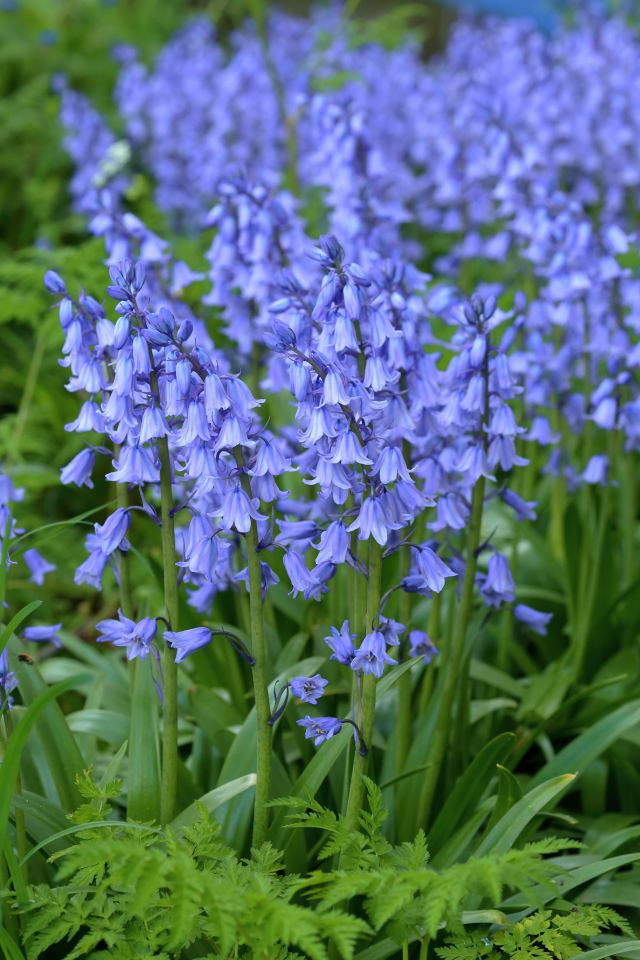
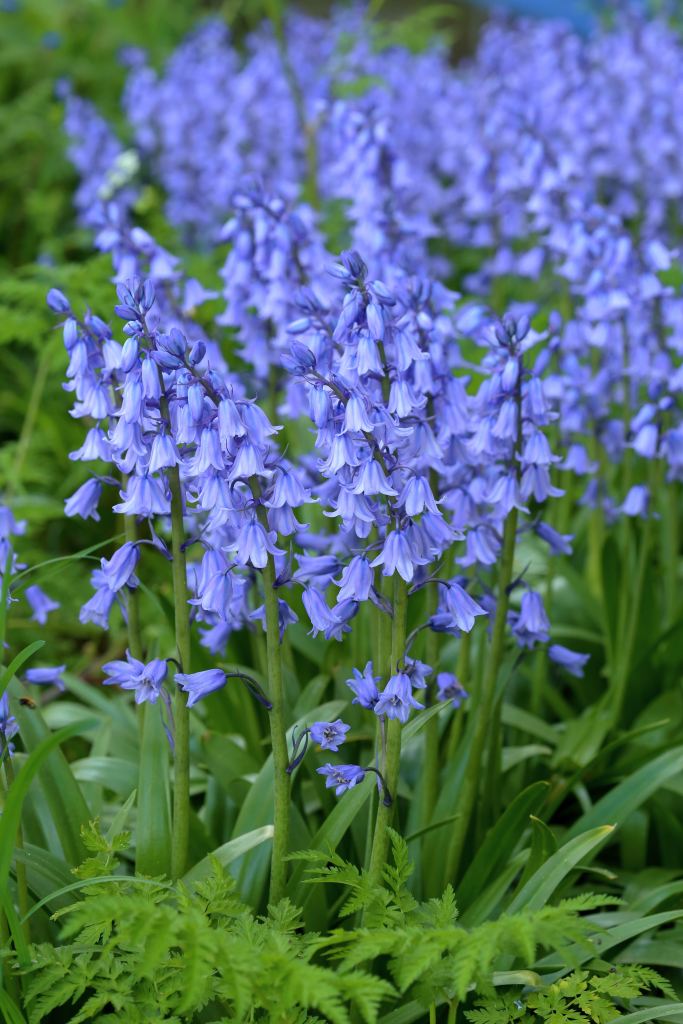
I remember the flowers of my childhood, too. In January, crocuses poked out of the soil in the flower beds in the front yard. In February, the daffodils came. Tulips arrived in March, and Irises after them.  By the time Lent was over, Easter Lilies grew like sophisticated ladies in white hats in our back yard. And in May, the meadows were carpeted with Bluebells.

For four years of my childhood, I lived in England with my family, and I was impressed by the colorful blooms of summer that thrived in the temperate climate. Rambling roses climbed up cottage walls. Cosmos waved their rainbow heads in the breezes like pretty bonnets. Hydrangeas brightened shady nooks of gardens with their puffy burst of blue and pink. I was entranced by their beauty.

At Christmas, my mother bought at least one Poinsettia to decorate the house. She bought red poinsettias, white poinsettias, and ones with white flowers with red stripes. Sometimes, she had an amaryllis bulb growing in a pot. Every day, I’d inspect it to see whether it was blooming or not. I was in more of a hurry than it was.

Making a Stew or Pot of Soup

Whenever my dad cooked, he made “water” soup. He added pieces of beef and vegetables to a pot of water to create soup. Ugh. We kids would cringe when we saw him taking out a pot. His were the worst soups I’ve ever tasted.

Maybe that’s why I love making delicious soups.

I own an old Dutch oven that is the perfect size for making one-pot meals. Some mornings even before I change out of my pajamas, I scour the refrigerator and pantry for the ingredients for a minestrone—onions, celery, carrots, zucchini, chick peas, barley, chicken broth, chopped tomatoes, oregano, salt, and pepper. Sometimes I add cooked shredded chicken. Often, I don’t.

Or I find the fixings for chicken noodle soup for a recipe from a William’s Sonoma Soups book that I bought a long time ago. While I’m chopping the carrots and celery for this soup and simmering the chicken breasts in the broth, I think back when I made this for my two children who loved it. I see their little faces above their steaming bowls, their hands holding spoons, their mouths filled with savory egg noodles.

On one European trip, I bought cookbooks in the Czech Republic and Austria, so when I want to make goulash, I search for recipes from those books. My favorite goulash is a beef, onion, and smoked paprika concoction that is topped with cornmeal dumplings. I first ate cornmeal dumplings at the restaurant at the Belvedere Palace Museum in Vienna. I’m still practicing to make mine taste as good as those were.

Reading Inside When It’s Cold Outside

To me, the essence of decadence is waking up in the morning, seeing that it’s cold and rainy outside, then reaching for a novel and reading it in bed. To take all the time in the world to read a story, then stopping and thinking about it is heaven on earth.

Reading when its cold outside reminds me of when I read as a child. I had time to sit on the floor in a corner of the house with a treasured book of fairy tales and get lost in another world. When my mother took me to the open-air market, I found the bookstore, walked to the back shelves, pulled out a tome, and read it while sitting on the floor. I was always afraid that the shop owner would find me and kick me out, but he never did.

Decorating My Home

When I was a child, we never had an expensive home, but that didn’t keep us from making it beautiful. In the spring and summer, I picked flowers in the meadows, poked them into vases and brightened every table and dresser in the house. In the fall, I cut branches of colored leaves for the mantel in the living room. For winter, my mother and I found pine cones and spray-painted them silver and gold for Christmas. We added holly and pine branch garlands in-between them.

Today, when a new season comes, I still have the irresistible urge to celebrate it with seasonal décor. Right now, I have a collection of pumpkins on my front porch accompanied by a little witch. I also have put pumpkins on the table on the back patio so we can feel the season when we go outside in the afternoons. Every time I pass these decorations, I feel like celebrating.

Writing

I wrote my first poem when I was nine years old, and I’ve been writing ever since. Sometimes, I use writing to help me sort out a problem. Currently, I’m the chair of a scholarship committee for a charitable organization. When I’m planning the meeting agendas, I write them to organize my thoughts. When I’m thinking about how to improve my author’s platform, I write my thoughts down. I write down daily affirmations and New Year’s Eve resolutions. I write every day.

Even when I’m traveling, I have a journal that I use to take notes or write a spontaneous poem. I remember one vacation that I took by myself to Boston. After I toured Paul Revere’s tomb and all of Boston’s historic sites, I drove north up the Atlantic coast. I stopped in Salem and visited another graveyard where a huge oak tree that had gotten so big over the centuries that tombstones were poking out of its bark halfway up. There was so much to write about. Finally, I stopped the car at the edge of the road near a beach. As I sat in the sand and gazed over the surging navy-blue sea, I wrote a poem about the peace that I felt.  

When I visited Sorrento, Italy, I stayed in the Grand Hotel Excelsior Vittoria. Our room had a large terrace that overlooked the Sorrento Harbor. Across the Bay of Naples with its slate-blue ripples, we could see Mount Vesuvius. Every day, I sat at the patio table on this terrace with my journal to write about the gorgeous scenery or about my excursions into the town of Sorrento or its nearby attractions. I wrote how my husband had to scrunch down going into the Blue Grotto Cave in Capri. I described the ceramic factories that we toured in Almalfi. With words, I wondered what it was like to be a citizen of Pompeii in 79 AD when Mount Vesuvius spewed its lava all over the populated city.

Now that I think about it, I’ve been doing these happy things my whole life. Naturally. Now, though, I have more time to do them. What joy.

My Passion for Flowers

My first recollection of flowers was when I was ten and my family lived in the countryside in England. Across the road from our house was a forest which, that spring, was carpeted in bluebells.

I took my family’s scrub bucket into those woods, squatted down in the middle of the bluebells, and picked them. Milky juice squirted out of their stalks and trailed down my arms, making me sticky from hand to shoulder. When the bucket was full, I took it back home into the kitchen, knelt down to find my mother’s vases, and cut the bluebells’ stems to fit into them. Soon all the vases were full, but I found some quart Mason jars and filled them, too. Then, I put a vase of flowers on every bookcase and dresser in the house. My mother smiled when she saw them.

I love flowers. Flowers in my garden. Flowers in vases. The floral department in the grocery store. Flower fabrics and clothes. Flower pillows and bedspreads. Flower photographs and paintings. I just can’t get enough of them. Let me describe how my fascination with flowers has made my world beautiful.

Flowers Connect Me to My Mother

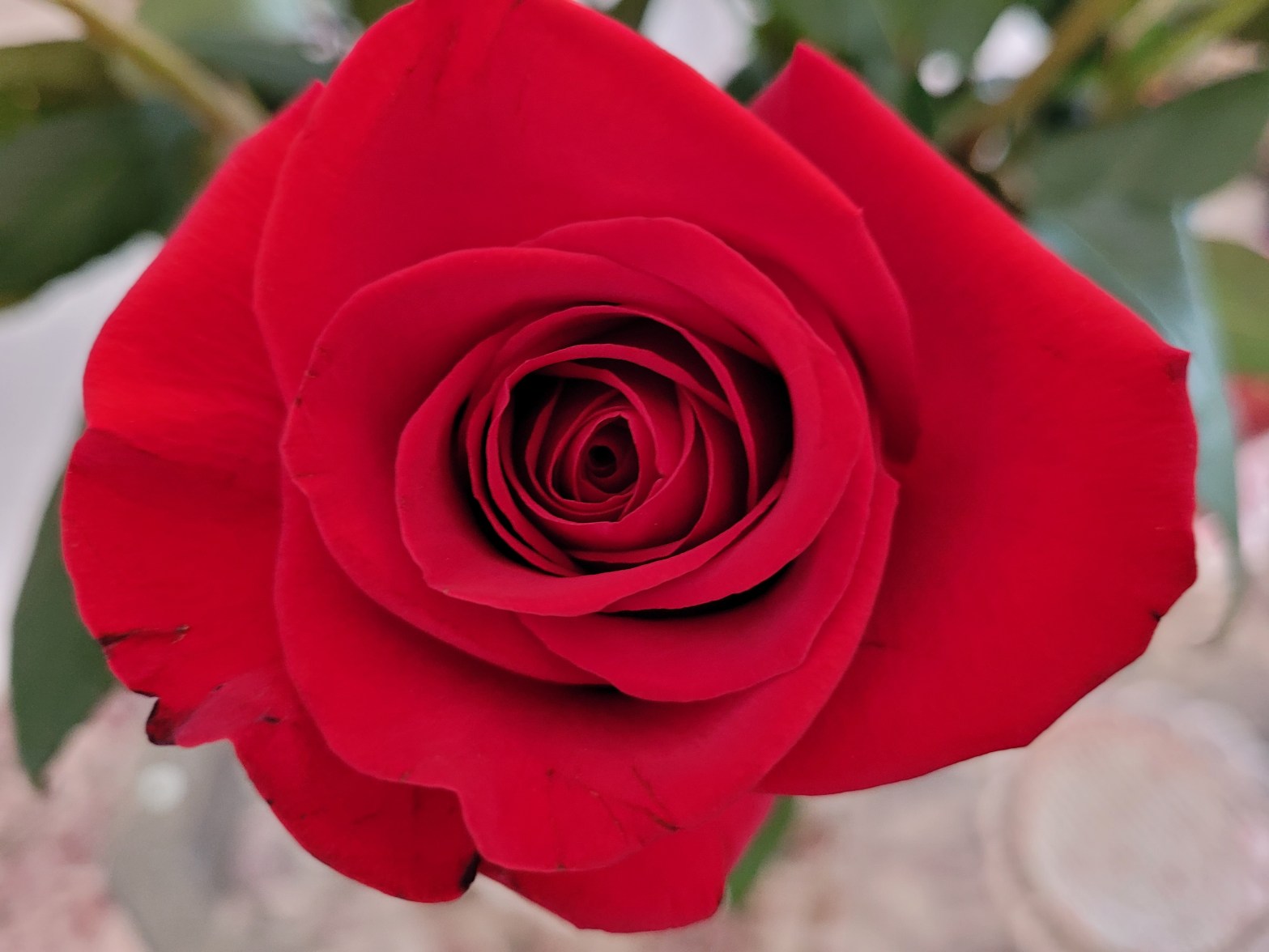
My mother loved flowers, too. Her name was Rose Marie and her favorite flower was a rose. When she lived in an assistant living facility near the end of her life, I brought her a bouquet of roses every time I visited. After my visit was over and I went back home, she would call me to tell me how the flowers were doing, when she had watered them, and where she had placed them in her studio.

But my mother had demonstrated her love for flowers all through my childhood. While we lived in England, she planted tulip and daffodil bulbs in front of our living room window. In spring, those bulbs bloomed like happy children and made our simple home bright and cheery.

When we moved back to California, my parents planted flowers all over their property. They took out the front yard grass and planted daffodils under the trees. Some of the trees were orange trees, and the combination of the yellow daffodils and the oranges was striking.

Easter lilies were planted in the back yard so that they would bloom for the Easter season, which was important to my family. Azaleas were planted in the shade, and my parents planted camelia bushes all along the patio railing. They bloomed all winter like red, pink, and white Christmas ornaments hanging amongst the glossy leaves. My mother would often comment on the camelias during our phone calls. Their buds were out. They were just about to bloom. They were in full bloom. One bush was white and the next was red. The humming birds liked them. We could have a whole conversation about her flowers.

A Flower Library

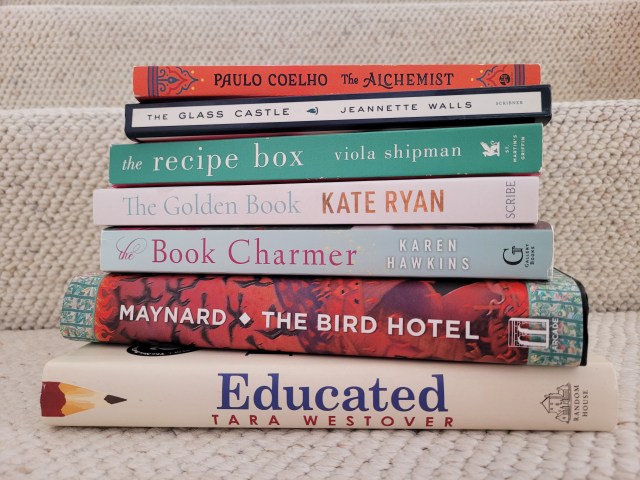
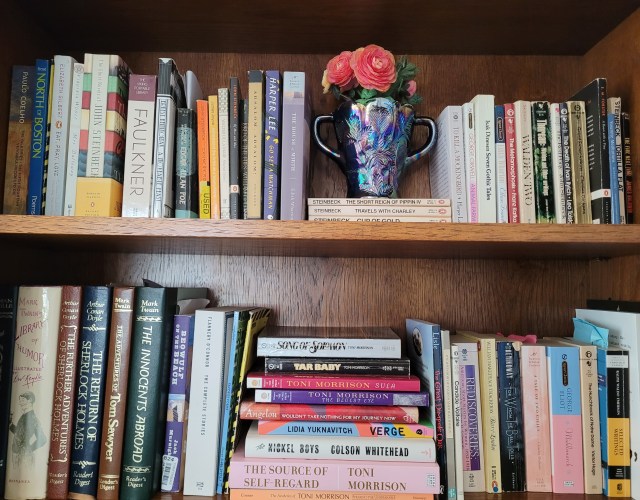
I’m an avid reader and have a library in my house. In my library, are books that I used during my teaching career such as the plays of William Shakespeare, The Norton Anthology of African American Literature, poems by Robert Frost, and the novels of more contemporary authors such as Toni Morrison and Tara Westover. But I’m retired now, and I’m starting a new collection of books based on the theme of flowers.

I was inspired to start a library about flowers when I read an article about Martha Stewart’s flower library. In the magazine, I found a picture of her bright book room with books stacked on mismatched tables around the perimeter and in the middle of the room. Every wall was filled with windows above the tables, making the room fabulous for reading. The books themselves were beautiful covered with photographs of roses, azaleas, and bouquets of every kind.

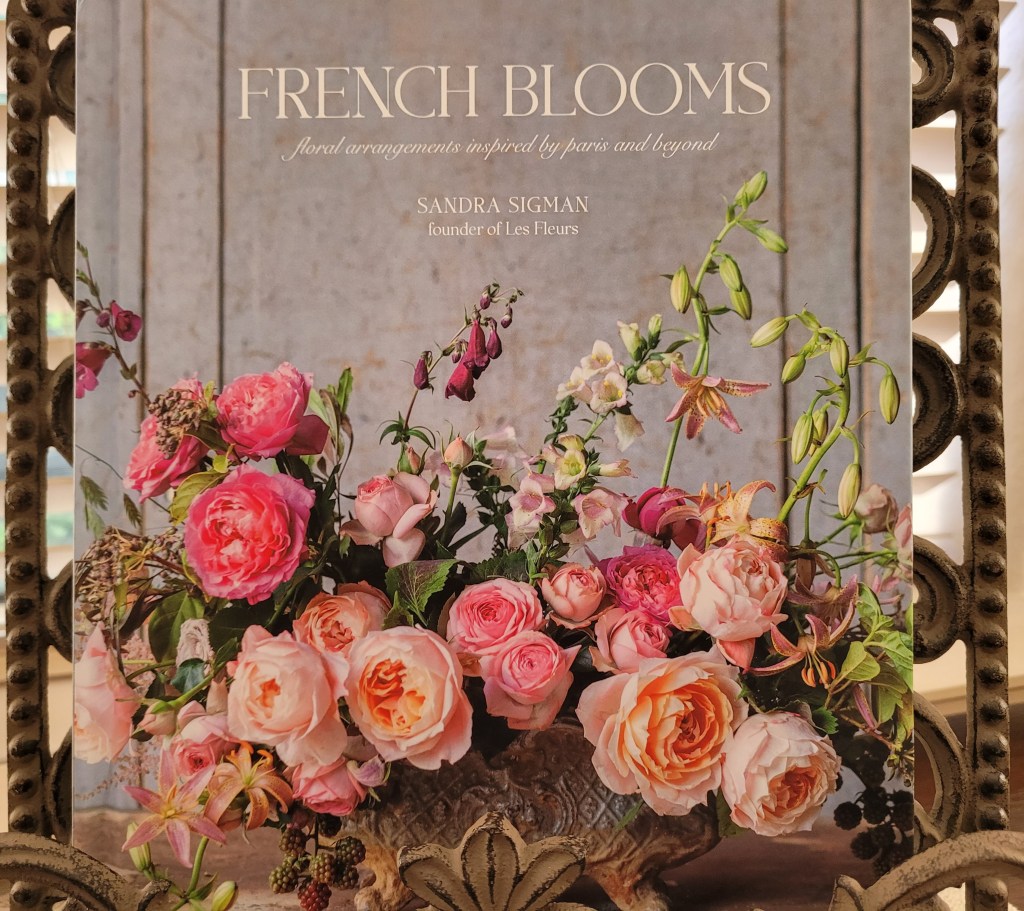
Now that I’m retired, I have more time for gardening, and, this summer, I’m in the middle of re-designing my front and back yards. To do this right, I bought a book about hydrangeas so I can do what I need to do so they grow healthy and vibrant. I also bought a book about 300 varieties of tea roses since I’m going to plant six new rose bushes along my new western fence. Oh yes, I also bought a book about French flower arrangements that I have displayed in my French décor living room.

Flowers, Flowers, Everywhere in the House

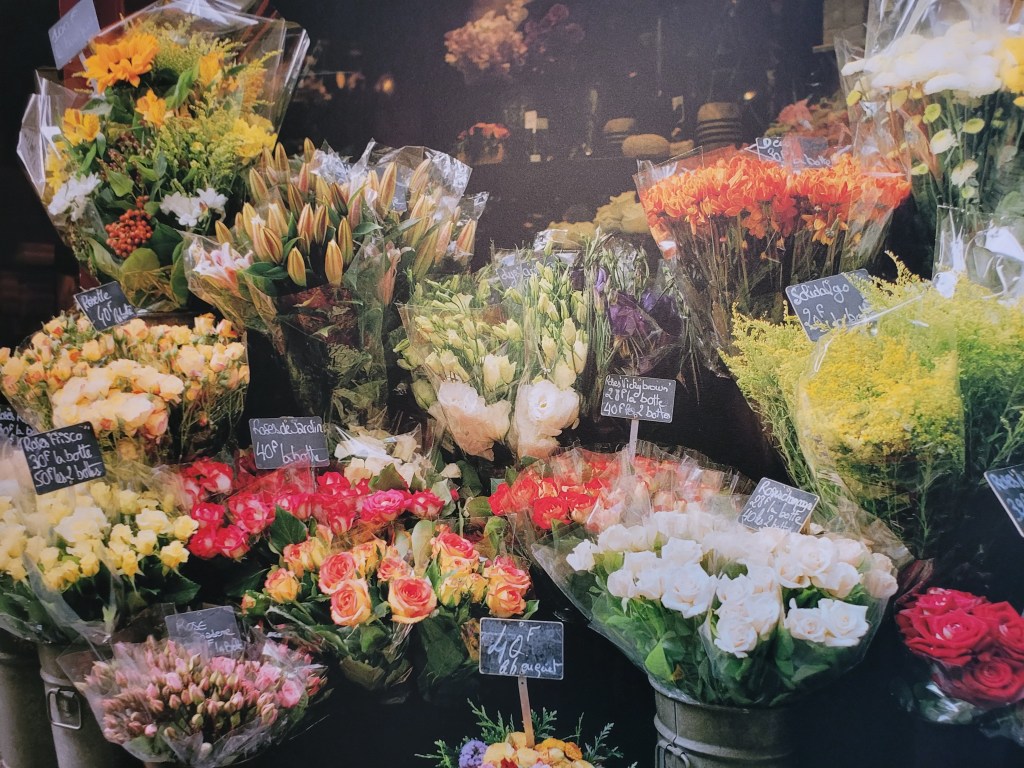
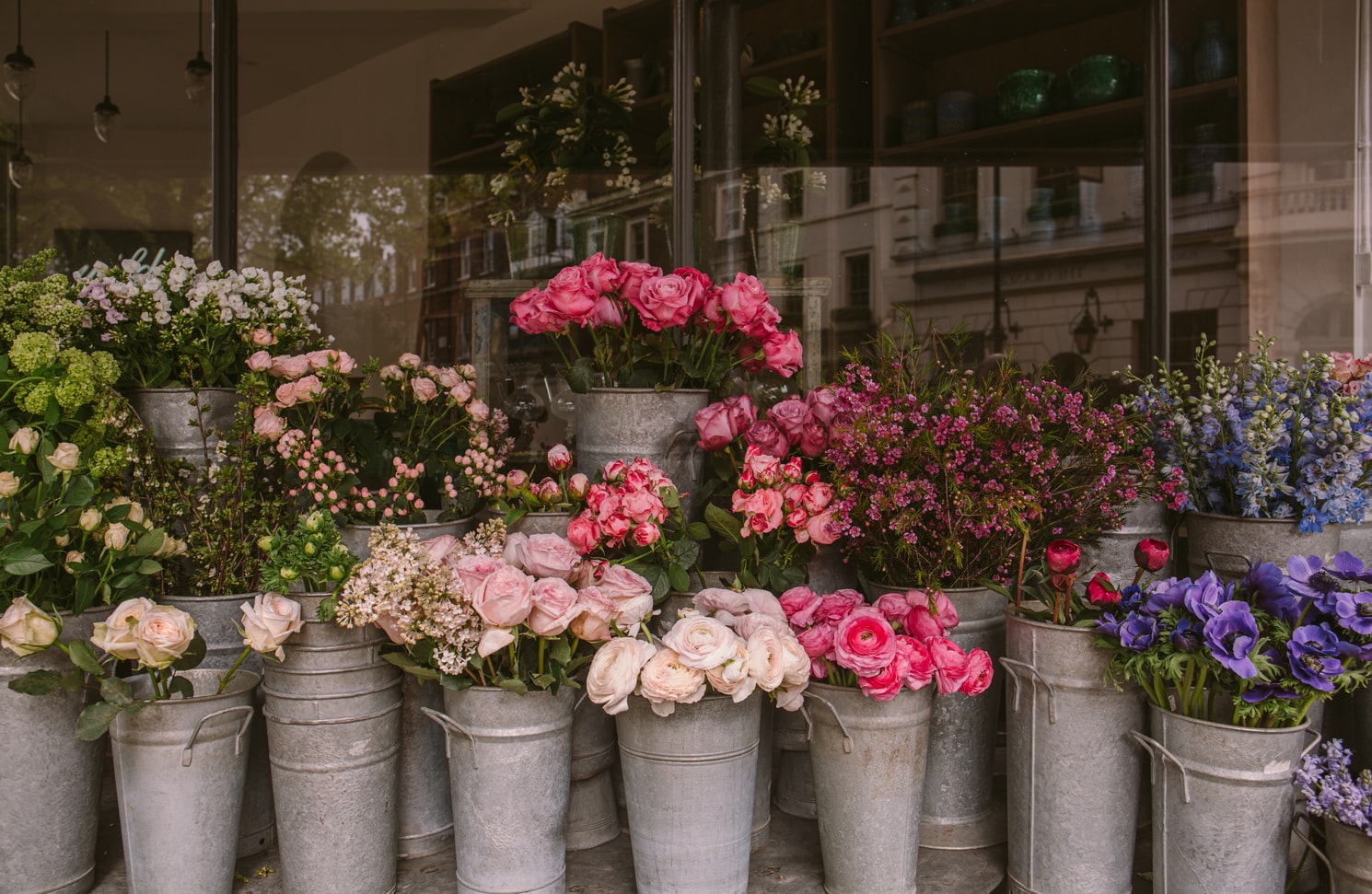
As soon as people step into my home, they learn how obsessed I am with flowers. In the living room, I am using three artificial flower arrangements to create a beautiful ambiance. Currently, I also have a vase filled with over a dozen red, yellow, and white roses from my own rose bushes in the back yard. I have bouquets of artificial flowers in each of the three bedrooms, flower urns in the library, and a real Christmas cactus in the family room. My bedroom walls all have pictures of flowers in them. The guest room, which also has a French theme, has a photograph of a flower vendor shop in Paris.

Flowers, Not Chocolate

Here’s a secret. I can be bribed, not with chocolates, but with flowers. When anyone gives me flowers, my heart melts like a warm candle. My husband gives me roses and sometimes other types of flowers on Christmas, my birthday, and Valentine’s Day. I love each and every bouquet as if it is the only bouquet I’ve ever received.

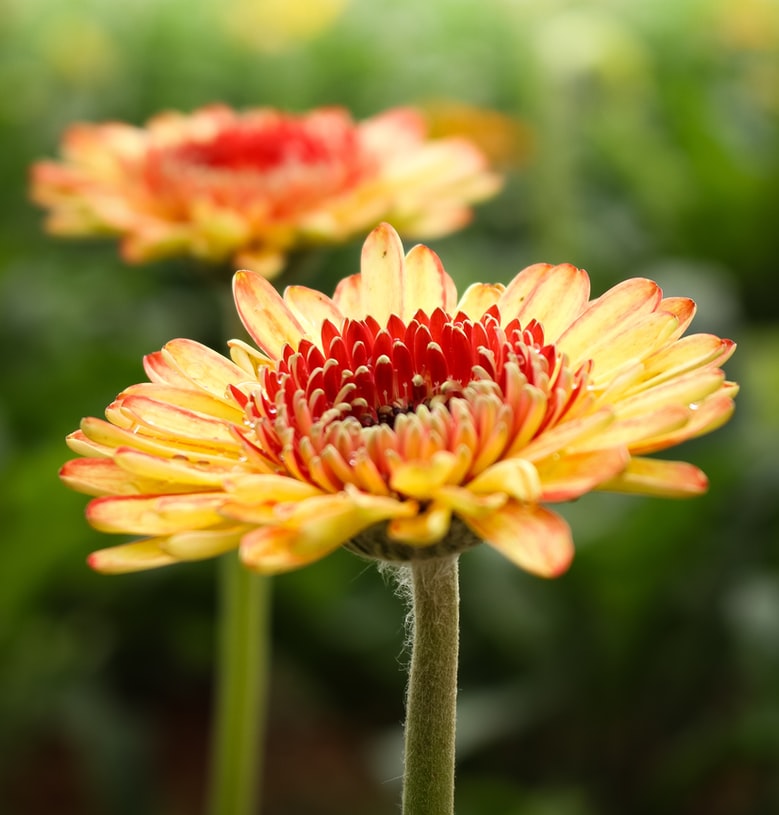
My daughter gives me flowers often because she loves flowers too. Her favorite flower is the Gerber Daisy. When I want to get her some blooms, I look first for those.

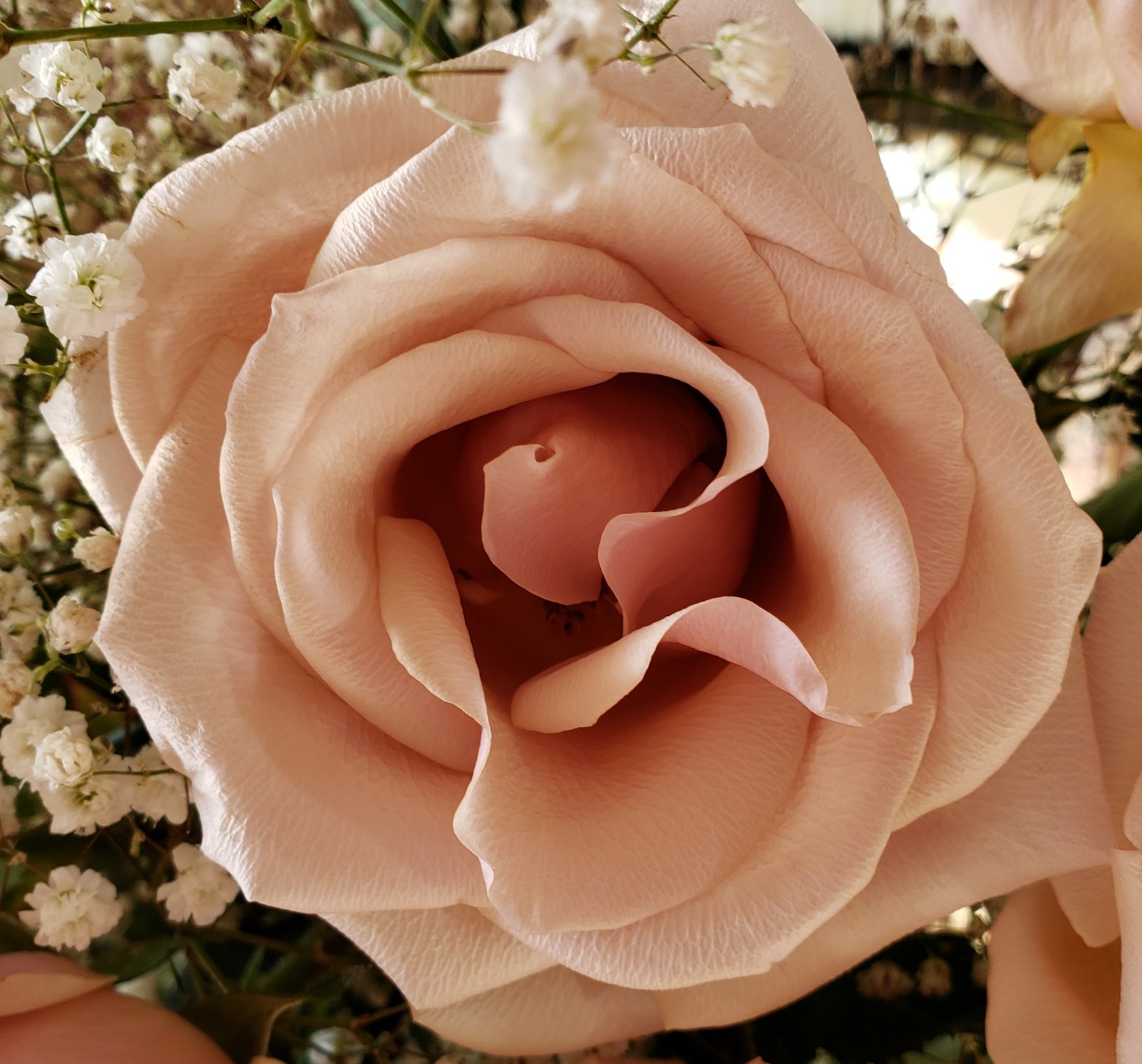
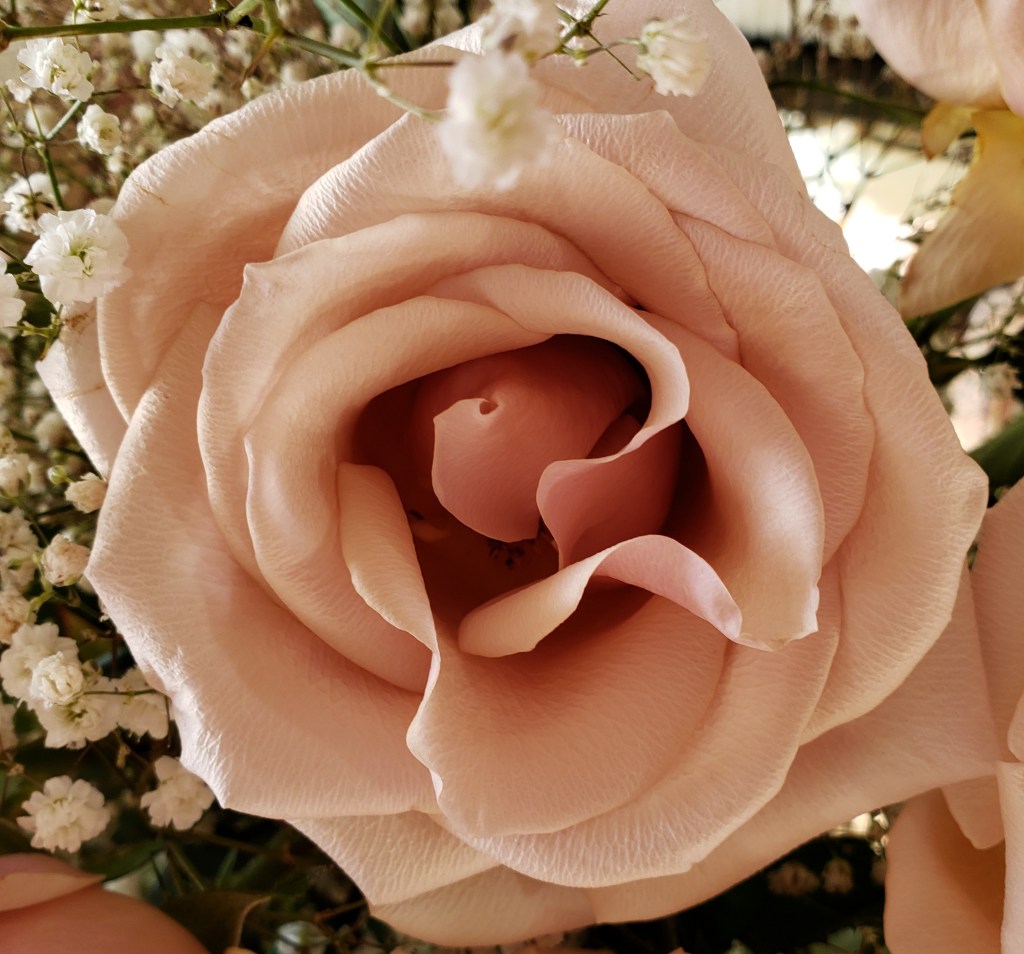
The most beautiful flowers I have ever received, however, were pink roses from my son. The pink was so delicate and the roses were incredible as buds and astonishing when they were fully bloomed. I took photo after photo of them, and, now, I have two photographs of these roses upstairs. My heart skips a beat whenever I see them.

I’m inspired by beauty and that’s why I love flowers. This afternoon, I plan to read more about how to perfect hydrangeas and how to promote more blooms on all my blossoming plants. You can find me sitting in my garden amongst my flowers. Where else?

The Yellow Rose

Friday was the last day of class, and Profesora Casti lead her students to Almagro, the part of Buenos Aires known for its flower vendors.  First, the group wandered among the flower stalls on Acuňa de Figueroa where baskets of roses filled the air with intense fragrances.  Leonie bent over the bunches to breathe in their perfume, and she took turns saying their names out loud with her classmates.  They chatted with the vendors who told them where they grew their flowers and how they worked from early in the morning until late at night planting seeds, hand-watering, and pruning in order to produce the most beautiful blooms. 

The vendors chatted about Mother’s Day, weddings, and baptisms for which they sold the most flowers.  Some stayed open 24 hours a day.  The best time to buy flowers, they said, was late at night or early in the morning.  These really were the most romantic times of the day anyway. 

The class meandered to Calle Sarmiento where even more vendors had their shops.  One shop, filled with tuberose and jasmine, perfumed the air outside its door with heady floral fragrances.  Inside, the vendor was wrapping flower bouquets in cellophane paper for a woman and her two daughters. 

Leonie wandered away from the group to admire the lilies of another vendor.  While she was reaching out to touch a petal, a woman dressed in a green apron came out to greet her. 

“Your lilies are gorgeous,” exclaimed Leonie.

“Thank you.  My grandfather used to sell flowers on the streets of Buenos Aires.  My father sold flowers in the old market in stall 8, and, now, I rent this shop here to continue our family tradition.”

Leonie moved under the shade of the willow tree that grew right in front of the storefront.  “I love flowers,” she said.

“I love flowers, too,” replied the vendor.  “I’ll sell them until I’m old and frail.”

Leonie paused in thought, running the woman’s response through her mind.  Forever was a long time to do just one thing.  Leonie didn’t know that she would ever find something that she wanted to do for so long.  The woman in the green apron smiled at her, her face flushed with the essence of intense happiness, her eyes like shining opals. 

“So,” Leonie asked, “You don’t ever wish that you could do anything else?”

The woman smoothed down the front of her green apron with hands crusted with dirt, chapped from years of digging and planting.  “No, never. I never wish to do anything else. Each day in my flower shop I get to express my creativity, and that gives me intense joy.  Besides, I know that I like to be around beautiful things, and what could be more beautiful than a shop full of flowers.”

“You seem so content.”

“You see this willow tree that’s giving you shade?  A willow tree symbolizes fulfilling wishes of the heart.  It also symbolizes inner vision.  I’m lucky to know what fulfills my life.  That knowledge is my inner wisdom.”

The vendor showed Leonie around her tiny shop, identifying the names of all the flowers and inviting her to smell their fragrances.  Leonie told the vendor that she was about to take a trip to search for her life’s purpose.  As the woman listened to her story, her eyes glistened and a whisper of a smile set upon her lips.

Before Leonie left, the woman held out a yellow rose.  “This rose symbolizes our new friendship,” she said.  “Friends are one of the most precious treasures of your life.  From now one, you and I are lifelong friends.  I wish you success on your trip and hope that you find your version of life fulfillment. 

That night, just before Leonie went to bed, she sat at her desk to write in her journal.  I know what fulfills me, she wrote.  After setting down her pen, she felt anxious.  But I don’t know what fulfills me, she worried.  I don’t know what I want to do with the rest of my life.  I don’t know what makes me happy day after day after day. 

Leonie looked at the yellow rose that the flower vendor had given her.  Its yellow petals brightened up the shadows of her room.  She remembered how gently the woman had picked up each flower and described its characteristics, moving among her flowers with grace, touching each blossom with respect and admiration; her movements were filled with love. 

Now Leonie knew.  The woman had been a messenger from her own soul to teach her how to find her own purpose.  Love was an integral part of finding fulfillment.  When she found out what she loved, she would find her contentment. 

Leonie touched the yellow rose, and her heart filled with joy when she remembered that the woman promised that they would be friends for life.  Friendship, she thought.  I have love already. 

Wisdom of the Trees: Chapter 4

Chapter 4 – Willow

Friday was the last day of class, and Profesora Casti lead her students to Almagro, the part of the city known for its flower vendors.  First, the group wandered among the flower stalls on Acuňa de Figueroa where baskets of roses filled the air with intense fragrances.  Leonie bent over the bunches to breathe in their perfume, and she took turns saying their names out loud with her classmates.  They chatted with the vendors who told them where they grew their flowers and how they worked from early in the morning until late at night planting seeds, hand-watering, and pruning in order to produce the most beautiful flowers. 

The vendors smiled when they talked about Mother’s Day, weddings, and baptisms for which they sold the most flowers.  Some vendors stayed open 24 hours a day.  The best time to buy flowers—late at night or early in the morning.

Then, the class meandered to Calle Sarmiento where even more vendors had their shops.  One shop was filled with tuberose and jasmine, which filled the shop and the air outside its door with heady perfume.  Inside, the vendor was busy wrapping flower bouquets in cellophane paper for a woman and her two daughters. 

Leonie wandered away from the group to admire the lilies of another vendor.  While she was reaching out to touch a petal, a woman dressed in a green apron came out to greet her. 

“Your lilies are gorgeous,” exclaimed Leonie.

“Thank you.  My grandfather used to sell flowers on the streets of Buenos Aires.  My father sold flowers in the old market in stall 8, and, now, I rent this shop here to continue our family tradition.”

Leonie moved under the shade of the willow tree that grew right in front of the storefront.  “I love flowers,” she said.

“I love flowers, too,” replied the vendor.  “I’m sure I’ll sell flowers until I’m old and frail.”

Leonie paused in thought, running the woman’s response through her mind.  Forever was a long time to do just one thing.  Leonie didn’t know that she would ever find something that she wanted to do for so long.

“So,” Leonie asked, “You don’t ever wish that you could do anything else?”

The woman smoothed down the front of her green apron with hands that were crusted with dirt and chapped from years of working with plants.  “No, I never wish to do anything else,” she finally said.  “I feel that each day in my flower shop is another day where I get to express my creativity, and doing that gives me intense joy.  Besides, I know that I like to be around beautiful things, and what could be more beautiful than a shop full of flowers.”

“You seem so contented,” said Leonie.

“You see this willow tree that’s giving you shade?  A willow tree symbolizes fulfilling wishes of the heart.  It also symbolizes inner vision.  I’m lucky to know what fulfills my life.  That knowledge is my inner wisdom.”

The vendor showed Leonie around her tiny shop, identifying the names of all the flowers and inviting her to smell their fragrances.  Leonie told the vendor that she was about to take a trip to search for her life’s purpose.  As the woman listened to her story, her eyes glistened and a whisper of a smile set upon her lips.

Before Leonie left, she held out a yellow rose.  “This rose symbolizes our new friendship,” she said.  “Friends are one of the most precious treasures of your life.  From now one, you and I are lifelong friends.  I wish you success on your trip and hope that you find your version of life fulfillment. 

That night, just before Leonie went to bed, she sat at her desk to write in her journal.  I know what fulfills me, she wrote.  After setting down her pen, she felt anxious.  But I don’t know what fulfills me, she worried.  I don’t know what I want to do with the rest of my life.  I don’t know what makes me happy day after day after day. 

As she sat, she thought about the vendor in the green apron and how she had found fulfillment.  She remembered how gently the woman had picked up each flower and described its characteristics.  She had moved among her flowers with grace, touching each blossom with respect and admiration; her movements were filled with love. 

Now Leonie knew.  The woman had been a messenger from her own soul to teach her how to find her own purpose.  Love was an integral part of finding fulfillment.  When she found out what she loved, she would find her contentment. 

An Old Rose

She was worried about her mother who seemed to struggle to stay present, something pulling her focus away or inward.  Some days she sat in the arm chair by the window, staring straight ahead, her gray-blue eyes lost in deep thoughts. 

When Sestina tried to talk to her, her mother struggled to respond.  “Wait a minute,” she would say, then, with a determined set to her mouth, she’d squeeze her eyes shut for a brief moment, open them wide, and glare at Sestina while she slowly made a lucid response. 

Her mother woke up early every morning, took a spit-bath at the sink in her bathroom, put on her clothes, and combed her golden white curls until she looked neat and ready for an outing.  After breakfast—not a big one mind you—just a piece of bacon and half a piece of toast with butter and strawberry jam—she sat down in the chair by the window and disappeared into her private thoughts.  Her breathing was labored, and she raised her shoulders every time she inhaled, her chest rising slowly, and she exhaled by opening her mouth and releasing a small burst of air.

On Wednesday, while her mother was sitting in her arm chair, Sestina went out to prune the old roses off the rose bushes.  She knew her mother not only loved flowers, but she loved roses most of all, and Sestina wanted the roses to look perfect when her mother looked out the window.   Eight tea rose bushes grew in the redwood planter, a raised bed so that the roses bloomed at the same height as the window.  The planter was about six feet from the window so when her mother looked out, she could see the stems wave gently in the breeze and glow in the sun. 

The yellow rose bush was the heartiest with big blossoms that bloomed like cabbages.  One bush grew lavender roses, medium in size with delicate petals and a hue that took Sestina’s breath away.  Four of the bushes bloomed with various versions of red flowers, each a unique shade of red and shaped petals.  The two white bushes bloomed with the most flowers, always producing plenty of blossoms so that Sestina could cut some and bring them in the house.

Sestina held the kitchen shears in her right hand and pulled back a single stem from a rose bush, looking for the perfect compound leaf of five leaflets so she could prune the dead rose at just the right angle and place to encourage more growth. 

As she made the cut, the daylight intensified into a blaze of light all around her.  Insects’ voices grew loud into a hum like a Gregorian chant, and she heard the wind rush under the wings of a swallowtail butterfly who hovered over a rosebush nearby.  The butterfly glided toward her, waved its wings close to her nose, and she thought that she heard it whisper, it’s time for her, time for her.   Its black face smiled, and its eyes looked deep into hers, speaking wordlessly of love.  She heard the breath of the breeze travel through the petals of each rose, and the scissors snapped the rose’s stem like a clap of thunder.  She heard the leaves of the lemon tree give birth to new cells and buds of fruit.  Then, suddenly, the breaths of the insects and flying creatures, echoes of the growing plants, and pneuma of the wind were silent, and the garden was still.

When Sestina got back to the cottage, she found that her mother had died.   Her face was turned toward the open window and her hands were folded over each other like a final prayer.