Sorrento and Capri: The Most Beautiful Places

Photo by Krystian Tambur on Unsplash

I love nature and architecture, so when I think of beauty, I think of these things.

In 2022, I toured Italy with my husband Bob. The first stop was Sorrento where we stayed at Excelsior Vittoria Sorrento, a gorgeous hotel on the Bay of Naples.

I don’t remember what the room looked like, but I remember the large veranda that overlooked a patio of the hotel and the crystal blue water. The patio had lounge chairs and a table and chairs. On each pillar around the edge were pots of red geraniums. Across the water, Mount Vesuvius rose to the sky and the Atlantic Ocean stretched out to the west.

I sat at the little table with my diary and wrote descriptions of the view. It was a magical setting.

One morning we woke up early to take a tour of the Blue Grotto, a cave in the cliffs that was nearby in Capri. When the bus dropped us off at the edge of the cliffs, we climbed down some rickety iron stairs and crawled into little touring boats that were being rowed by husky Italian saliors.

The tide was high that day, so we had to lie down in the boat as we entered the cave’s entrance. Once inside, however, we were surrounded by the most beautiful cobalt blue water, clear and luminous in the light from the cave’s doorway.

The saliors rowed the boats around the interior of the cave and sang to us. Their voices echoed through the halls of the cavern.

What Really Makes Me Tick (Happy)

Wouldn’t it be a better world if everyone knew what they needed to be happy? I’m retired, and I loved my teaching job; however, now that I don’t have to commute to work five days a week or grade college essays on the weekends, I just want to do things that make me happy. Here they are.

Admiring Flowers

Stopping to smell a rose may seem like an unimportant action, but, when I do it, it brings me joy. I have rose bushes in my front yard and back yard, and every morning, I wander outside to inspect every bush to see the new blooms. I sniff and stare and smile to my heart’s content.

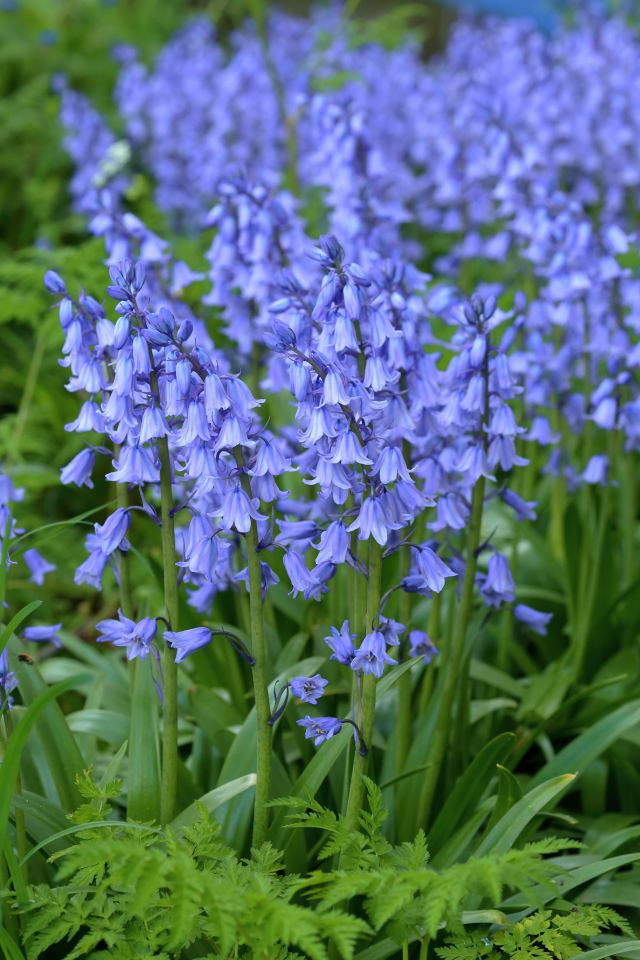
I remember the flowers of my childhood, too. In January, crocuses poked out of the soil in the flower beds in the front yard. In February, the daffodils came. Tulips arrived in March, and Irises after them.  By the time Lent was over, Easter Lilies grew like sophisticated ladies in white hats in our back yard. And in May, the meadows were carpeted with Bluebells.

For four years of my childhood, I lived in England with my family, and I was impressed by the colorful blooms of summer that thrived in the temperate climate. Rambling roses climbed up cottage walls. Cosmos waved their rainbow heads in the breezes like pretty bonnets. Hydrangeas brightened shady nooks of gardens with their puffy burst of blue and pink. I was entranced by their beauty.

At Christmas, my mother bought at least one Poinsettia to decorate the house. She bought red poinsettias, white poinsettias, and ones with white flowers with red stripes. Sometimes, she had an amaryllis bulb growing in a pot. Every day, I’d inspect it to see whether it was blooming or not. I was in more of a hurry than it was.

Making a Stew or Pot of Soup

Whenever my dad cooked, he made “water” soup. He added pieces of beef and vegetables to a pot of water to create soup. Ugh. We kids would cringe when we saw him taking out a pot. His were the worst soups I’ve ever tasted.

Maybe that’s why I love making delicious soups.

I own an old Dutch oven that is the perfect size for making one-pot meals. Some mornings even before I change out of my pajamas, I scour the refrigerator and pantry for the ingredients for a minestrone—onions, celery, carrots, zucchini, chick peas, barley, chicken broth, chopped tomatoes, oregano, salt, and pepper. Sometimes I add cooked shredded chicken. Often, I don’t.

Or I find the fixings for chicken noodle soup for a recipe from a William’s Sonoma Soups book that I bought a long time ago. While I’m chopping the carrots and celery for this soup and simmering the chicken breasts in the broth, I think back when I made this for my two children who loved it. I see their little faces above their steaming bowls, their hands holding spoons, their mouths filled with savory egg noodles.

On one European trip, I bought cookbooks in the Czech Republic and Austria, so when I want to make goulash, I search for recipes from those books. My favorite goulash is a beef, onion, and smoked paprika concoction that is topped with cornmeal dumplings. I first ate cornmeal dumplings at the restaurant at the Belvedere Palace Museum in Vienna. I’m still practicing to make mine taste as good as those were.

Reading Inside When It’s Cold Outside

To me, the essence of decadence is waking up in the morning, seeing that it’s cold and rainy outside, then reaching for a novel and reading it in bed. To take all the time in the world to read a story, then stopping and thinking about it is heaven on earth.

Reading when its cold outside reminds me of when I read as a child. I had time to sit on the floor in a corner of the house with a treasured book of fairy tales and get lost in another world. When my mother took me to the open-air market, I found the bookstore, walked to the back shelves, pulled out a tome, and read it while sitting on the floor. I was always afraid that the shop owner would find me and kick me out, but he never did.

Decorating My Home

When I was a child, we never had an expensive home, but that didn’t keep us from making it beautiful. In the spring and summer, I picked flowers in the meadows, poked them into vases and brightened every table and dresser in the house. In the fall, I cut branches of colored leaves for the mantel in the living room. For winter, my mother and I found pine cones and spray-painted them silver and gold for Christmas. We added holly and pine branch garlands in-between them.

Today, when a new season comes, I still have the irresistible urge to celebrate it with seasonal décor. Right now, I have a collection of pumpkins on my front porch accompanied by a little witch. I also have put pumpkins on the table on the back patio so we can feel the season when we go outside in the afternoons. Every time I pass these decorations, I feel like celebrating.

Writing

I wrote my first poem when I was nine years old, and I’ve been writing ever since. Sometimes, I use writing to help me sort out a problem. Currently, I’m the chair of a scholarship committee for a charitable organization. When I’m planning the meeting agendas, I write them to organize my thoughts. When I’m thinking about how to improve my author’s platform, I write my thoughts down. I write down daily affirmations and New Year’s Eve resolutions. I write every day.

Even when I’m traveling, I have a journal that I use to take notes or write a spontaneous poem. I remember one vacation that I took by myself to Boston. After I toured Paul Revere’s tomb and all of Boston’s historic sites, I drove north up the Atlantic coast. I stopped in Salem and visited another graveyard where a huge oak tree that had gotten so big over the centuries that tombstones were poking out of its bark halfway up. There was so much to write about. Finally, I stopped the car at the edge of the road near a beach. As I sat in the sand and gazed over the surging navy-blue sea, I wrote a poem about the peace that I felt.  

When I visited Sorrento, Italy, I stayed in the Grand Hotel Excelsior Vittoria. Our room had a large terrace that overlooked the Sorrento Harbor. Across the Bay of Naples with its slate-blue ripples, we could see Mount Vesuvius. Every day, I sat at the patio table on this terrace with my journal to write about the gorgeous scenery or about my excursions into the town of Sorrento or its nearby attractions. I wrote how my husband had to scrunch down going into the Blue Grotto Cave in Capri. I described the ceramic factories that we toured in Almalfi. With words, I wondered what it was like to be a citizen of Pompeii in 79 AD when Mount Vesuvius spewed its lava all over the populated city.

Now that I think about it, I’ve been doing these happy things my whole life. Naturally. Now, though, I have more time to do them. What joy.


Friendly Italians

A whole country full of friendly people. That’s Italy. Besides the beauty of the countryside and beaches, the outstanding history, the scrumptious food, the satisfying wine, the awe-inspiring architecture and art, the people of Italy are incredibly welcoming, social, hospitable, approachable, and responsive. I visited Italy last August and I can remember so many encounters with friendly Italians.

The Limoncello Merchant

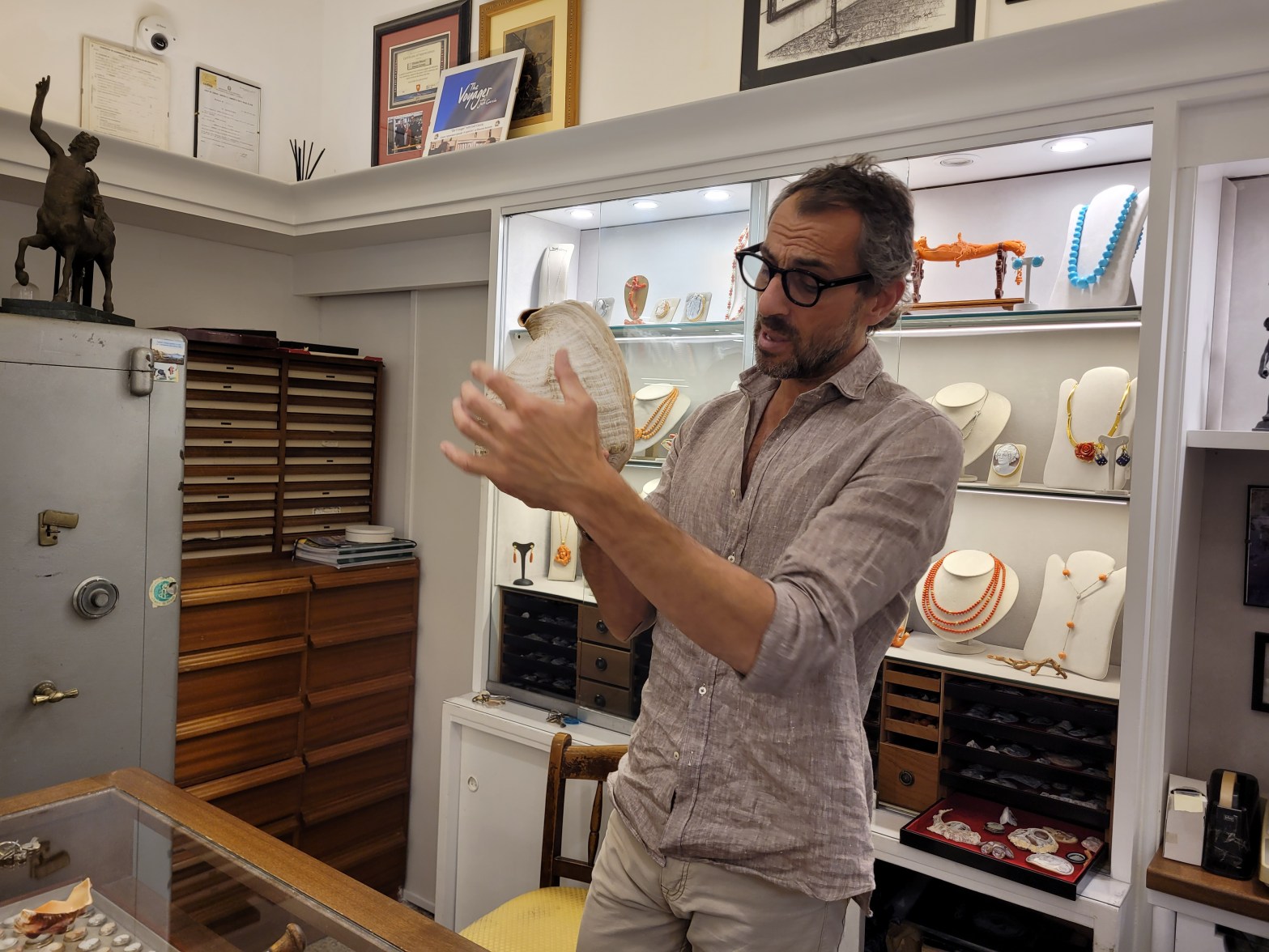
First, there was the shop-owner in Sorrento, Gino, who sold limoncello and other liquors. He started a conversation with me as soon as I entered his shop. I learned that he had a family in Naples and he rode a scooter to work every day, even in the rain. He thought it might be time to buy a car.

As I wandered around his miniature shop, I enjoyed the brightly-colored bottles of limoncello, meloncello, and other treats. He kindly pointed out the advantages of each size of bottle. Some were small enough to tuck into carry-on luggage so they wouldn’t break. Some were sold in sets with one bottle of three different flavors. As we chatted about the liquors, I told him I was from San Francisco, and he said that he visited there with his family a few years back. They also went to Yosemite and loved the hiking. We talked about the different trails and the gorgeous views in the City.

Finally, I chose some bottles of cello, and he wrapped them up for me in brown paper to protect them. We smiled at each other when he was done, and then he reached out around my shoulders and gave me a hug.

“I can tell what a nice person you are,” he said. “I will never forget you.”

I know that I will never forget Gino.

The Florentine Woman with Beautiful Hair

Then there was the day in Florence when I got lost in the warren of cobblestone streets. I had started out from The Basilica of Santa Croce where I had visited the tombs of Michelangelo and Galileo, and walked north on Borgo Allegri, knowing that I’d have to turn left on a street in order to find the Mercato Centrale. I turned left onto Via Sant’Egigio and walked and walked until it turned into Via del Pucci. Unfortunately, Via del Pucci ended at Basilica de San Lorenzo, and I was lost. I couldn’t even tell the direction of the Arno River which would help me get back to my hotel. I walked, and turned, and walked, and turned, and finally stopped an elderly Italian woman to ask for directions.

This olive-skinned beauty with graying but lustrous hair wore a black pencil skirt, a maroon cardigan, and a white blouse. I was worried that she would be bothered by my question, but she smiled at me right away.

“The river is that way,” she pointed. “You’re not too far. Just keep following this street and you’ll see it in a few blocks.”

“Grazie, grazie,” I repeated to her, and her smile became even warmer. Her eyes twinkled in the shadow of the narrow street, and I felt so much better. We gave each other a lasting smile and she waved to me as I walked away, following her directions.

The Venetian Painter

I met a painter in Venice in front of my hotel, the Danieli, which was situated on the waterfront of the Canale di San Marco, right across from the island of San Giorgio Maggiore and a few steps away from the Doge’s Palace and Piazza San Marco.  His miniature pop-up stand stood in a row with the stands of two other painters, their paintings hung on every side of their stands’ frames and propped up on the sidewalk.

The old painter, with white hair, a scruffy T-shirt, and paint-splattered trousers, welcomed me when I stopped to look at one of his paintings—an impressionistic portrait of a café with colorful tablecloths and umbrellas that sat on an island between two canals. I loved the flashes of paint that let my imagination wonder about the details that were elusive to the eye. 

The old man gave me a tour of all his paintings. He described where they had been painted by pointing in all directions of Venice. Most of the paintings were realistic, and these took more time to finish, he said. The impressionistic one, the only one in his collection, took less time since the detail was left up to the viewer’s imagination. 

My eyes kept trailing back to the impressionist café, and I paid for it, but this painter wasn’t done with me. He held out the painting and made suggestions as to how to frame it, how to make the picture look like it continued beyond the canvas. We stood in the hot, September sun and discussed color and materials, technique and effect. Finally, the old painter rolled up my canvas, slid it into a thick, cardboard cube, and handed it to me with a bow. I walked away feeling that I had purchased not only a painting but a cherished memory.

Oh those Italian gente (people). They clearly believe that happiness is found in relationships most of all. I believe, they’re right. When I think back on my Italian trip, I remember the people I met more than anything else.

Dreaming of Wine Windows

I love wine and live in California where it is delicious and abundant, so when I visited Italy a month ago, I was eager to enjoy Italian vintages. I drank Pino Grigio while eating pizza garnished with creamy mozzarella and sweet anchovies, Soave with pasta tossed in freshly-made pesto, and Chianti with salami and cheese.

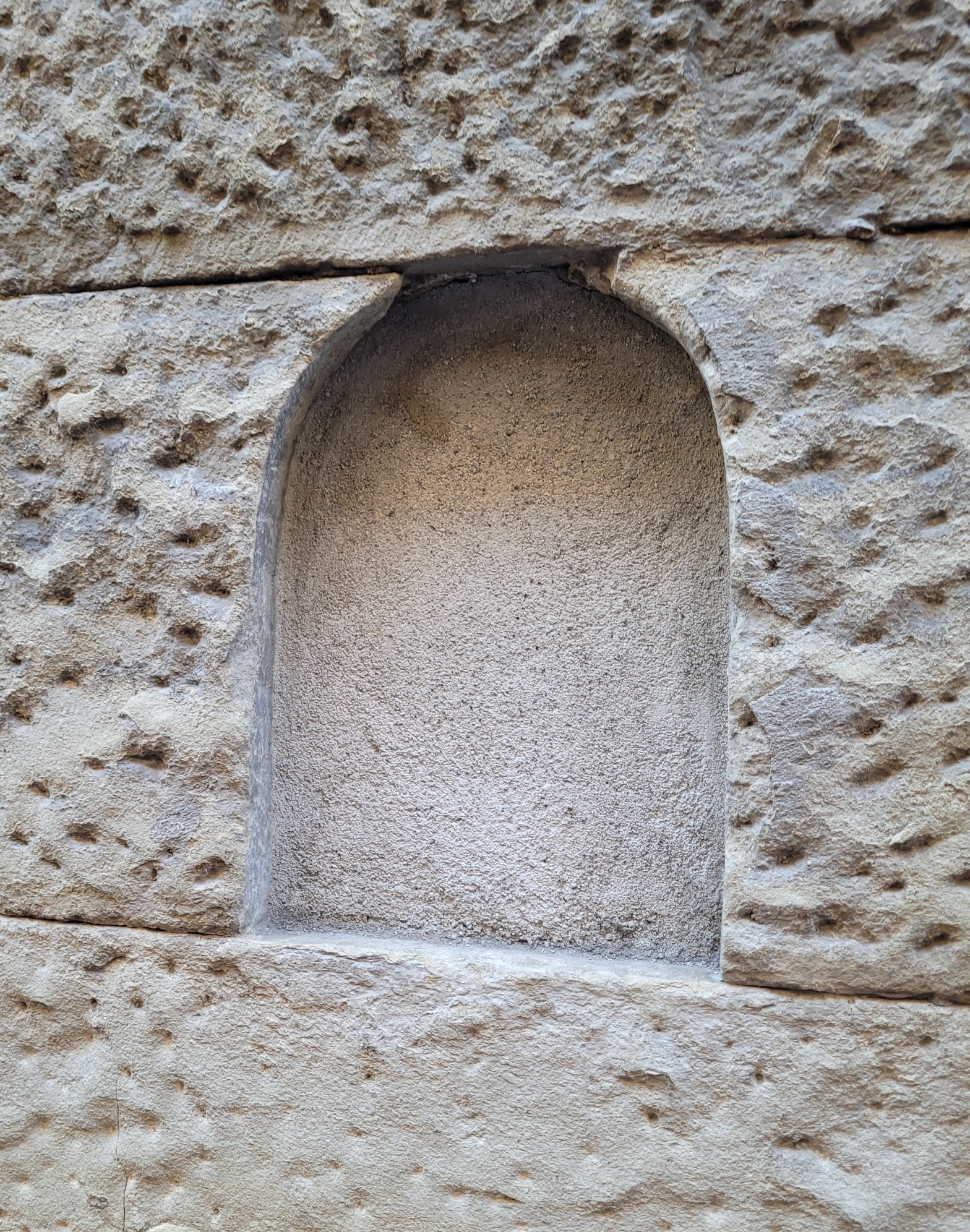
What I didn’t expect was that Italian architecture had been influenced by the wine culture of Italy. One day, while we were walking to the Uffizi Gallery in Florence, I came across a tiny, filled-in window on the side of a grand palace. The Italian friend who was walking with us told us that it was a wine window from the late medieval times.

Families, such as the Strozzi, Albizi, Pazzi, Ricasoli, and Antinori, who owned vineyards in the country often built palaces in Florence and other towns. Most of the wine grown in Italy in the late medieval times and early Renaissance era was sold to local customers. The wine families installed the tiny windows into the sides of their palaces so they could sell wine to customers without allowing the public into their homes or without coming into contact with them. For a reasonable price, customers could purchase a wicker wine bottle or glass of wine and maybe some ham to go with it. These tiny portals, once referred to as wine tabernacles were popular in Florence from the 15th Century to the early 20th Century.

The Italian word for this architectural feature is buchette. Each one is about 15 inches high and most are little arched doors carved into the stone wall of the noble palaces. This shape has also been used to hang street lanterns, and these are referred to as false buchette. Another type of false buchette is an arched, stone border used to frame a sacred image made out of fresco, terra cotta, or porcelain. These religious images were placed higher up on the wall of a building and served as protector for the inhabitants.

The Association Buchette del Vino has counted 179 buchette windows in Florence and about 280 in the Tuscany Region. I couldn’t find any indication of buchette that were still functioning as wine windows; now, most are filled in with stone, but some serve other purposes today. The portal of the Palazzo Landi on Borgo degli Albizi 17 is now a mailbox. Two others serve as doorbells and some others have been filled in with sacred pictures of Christ or the Virgin Mary.

Last night, I dreamed that I was standing on the outside of a buchette ordering a glass of Pino Grigio. It was a blistering, hot day—the sun beat on my head like a furnace. I ordered a Pino Grigio with a small bowl of olives. Mmm. Nothing tastes better than a Pino Grigio when the heat parches your throat.

I hope the buchette tradition catches on in California like the Little Free Libraries. When I go walking in my neighborhood, I walk past three of these tiny libraries and have so much fun perusing through the titles. I think a glass of wine would be wonderful to accompany my reading.  

Sources:

Cornsini, Diletta and Lucrezia Giordano. Wine Windows in Florence and Tuscany. 2021.

Gheesling, Robbin. Wine Doors of Florence. 2021

“Le Buchette del Vino, Florence’s Little Wine Tabernacles.” L’Italo Americano. August 31, 2017. litaloamerican.org/buchette-vino/.

Postcards from Italy

You know that feeling you get when you’re incredibly happy? Like you have butterfly wings and have flown so high that the clouds kiss your face. Your chest is so open that you can blow a star across the sky. Your arms are so wide that you can wrap them around the moon.

That’s how I felt this last August when I was visiting Italy. When I opened the sliding door to the balcony in my Sorrento hotel room and looked down at the rows of boats in the harbor, the blue-green water of the Bay of Naples, and the rising cone of Mount Vesuvius across the Bay.

Italy makes everyone happy. It’s incredibly beautiful. I wish you could have been with me and my husband as we boarded a little row boat at the bottom of a cliff off Capri Island so we could duck into the opening of the Blue Grotto and experience the most heavenly crystal-blue water. My heart was filled with elation as I watched my husband gaze at the water, the boats, and the walls of the cave. My heart quickened as I listened to the deep masculine voice of a sailor who sang an opera in baritone that echoed off the cave walls.

The people of Italy believe in making beautiful objects. In Amalfi, the streets were lined with shops that sold brightly painted ceramic pots, plates, plaques, and wall sconces. The blue, red, green, and yellow fruits and leaves on the pottery enthralled me so much that I couldn’t pass a shop without walking inside.

The architects and artists of Italy have been so prolific over the centuries that not one town in Italy lacks a beautiful church or fountain. When we toured St. Peter’s in Rome, I fell in love with the numerous doves holding olive branches in their beaks that decorate the walls of this catholic cathedral. The face of Mary on Michelangelo’s Pieta is such a beautiful example of a mother’s love for her child that my heart expanded as I stared at it for twenty minutes.

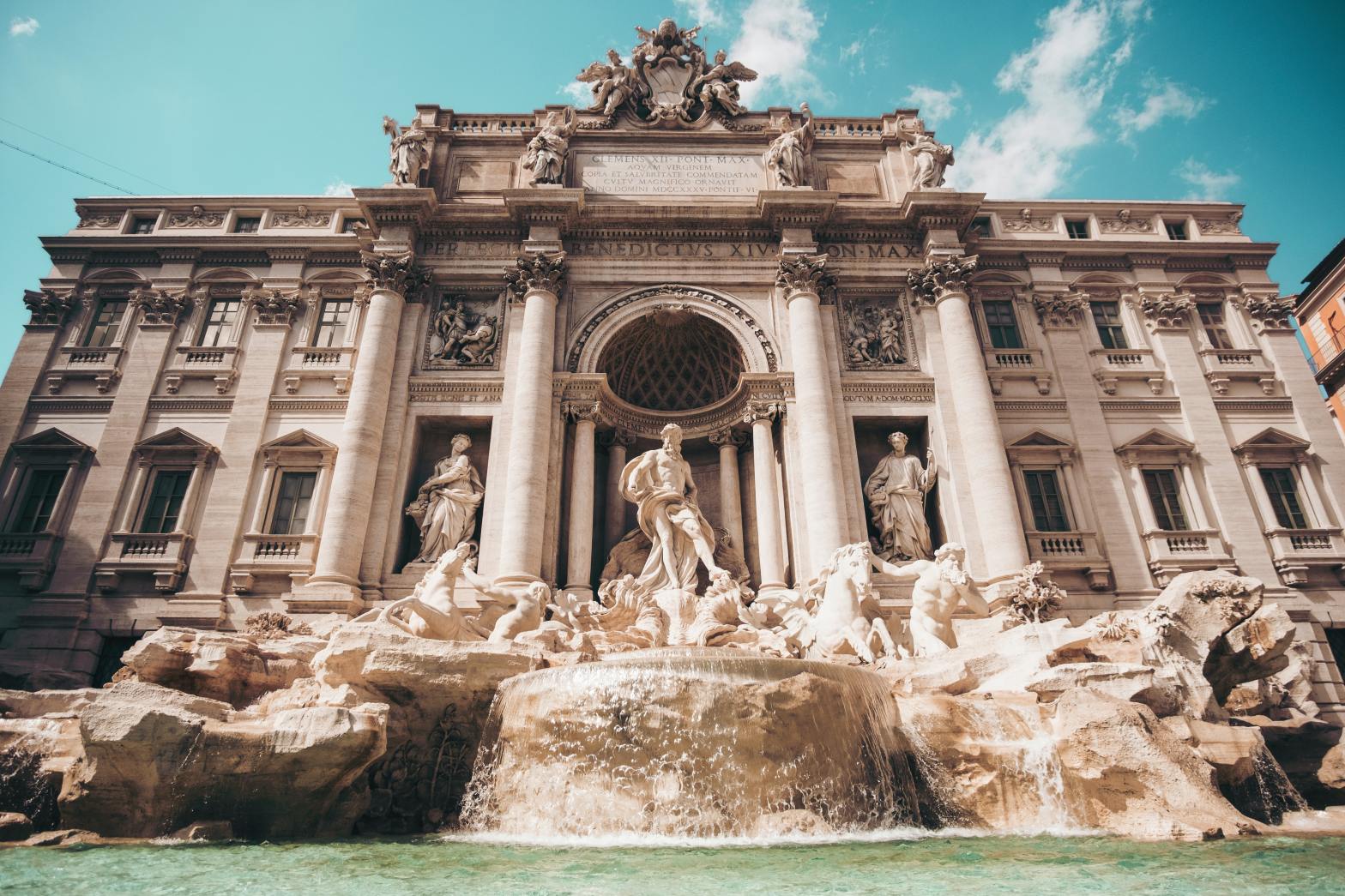
My husband had never been to Rome before, so when we visited the Trevi Fountain, I showed him how to toss his penny over his left shoulder so he would be sure to return. I took a photo of him in front of the colossal Baroque fountain, mostly made of travertine marble on the back of Palazzo Poli, with two-story Corinthian pilasters and a scene that conveys the taming of the waters. Through my camera lens, I could see Oceanus framed by a massive arch, with the goddess Abundance on one side and Salubrity, representing health, on the other. Below these immense statues, gigantic statues of titans guided a shell chariot, taming the sea-horse hippocamp. Above all of this marbleized action, I spied the story of the Roman aqueducts carved in bas relief. Tears filled my eyes before I had clicked the camera.

At one dinner during our tour, Theresa, our tour guide, gave me two post cards that she promised to mail for me after I filled them out. I wrote love letters to each of my children, addressed them, and gave the cards back to Theresa. After that, I promptly forgot about them since Italy had effectively mesmerized me.

When we weren’t gawking at architecture and charming alleys, we were eating. One day in Rome, I ordered a Napoli pizza with mozzarella and anchovies. The cheese was so light and creamy and the anchovies so fresh and sweet that I closed my eyes as I chewed—heaven on the lightest dough I’ve ever eaten. I sipped a bright Pino Grigio as I ate and my mouth had never been more fulfilled.

I’d never been to Umbria before, and so when we visited Orvietto, I was charmed by the quaint alleyways and stone staircases that led up to homes and shops. I was attracted by the beautiful mosaic cathedral dedicated to the Virgin Mary. When the sun hit the façade, the mosaics, gold, stain-glass windows, and bronze doors glowed like the entrance of paradise.

In Italy, charm is everywhere. We climbed countless steps in the town of Assisi, sailed along the coast from La Spezia to Cinque Terre, observed the Carrara marble quarries used by Michelangelo, and walked miles and miles on the cobblestone streets of Florence. We were enchanted by Ponte Vecchio in Florence which was lined with little huts last time I had visited. Now, it is filled with shops of glass windows to safely display the silver, gold, and gem jewelry for sale. One day, while walking to the Uffizi Gallery to see the colossal statue of David, we found an ancient window that had been used to sell cups of wine during medieval times.

Our last Italian stop was Venice, another place that my husband had never been. I dragged him across the city from our hotel, over one cobblestone bridge after another. Coming back, we found a piazza where an orchestra was playing music for tables outside. We sat down, ordered wine and listened to Gershwin and Beethoven for an hour, watching the sun change the shadows on the stones of the buildings as it trailed across the sky.

Italy filled me up with happiness. When I got home, I rushed out to visit my son at his studio a few miles away. When he let me inside, I noticed that he had tacked up the postcard I sent him from Italy on his refrigerator. My next stop was my daughter’s apartment. On her refrigerator, she had her postcard attached to her refrigerator too.

You know that feeling you get when you’re extremely happy? When you have wings and you fly high enough that the clouds can kiss you, you can blow the stars, and hug the moon with your arms? When I saw those postcards on my son’s and daughter’s refrigerators, I felt just like that.