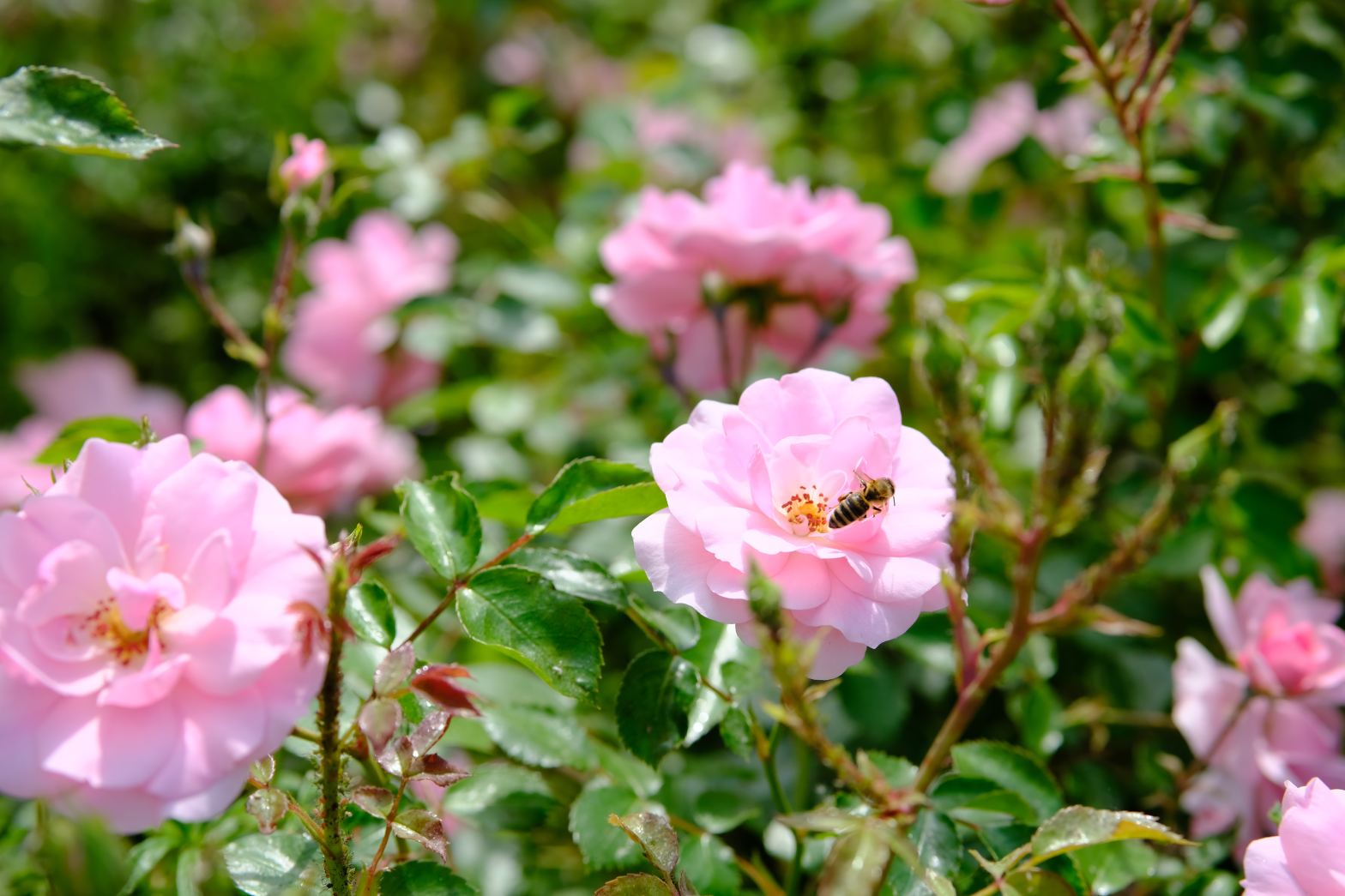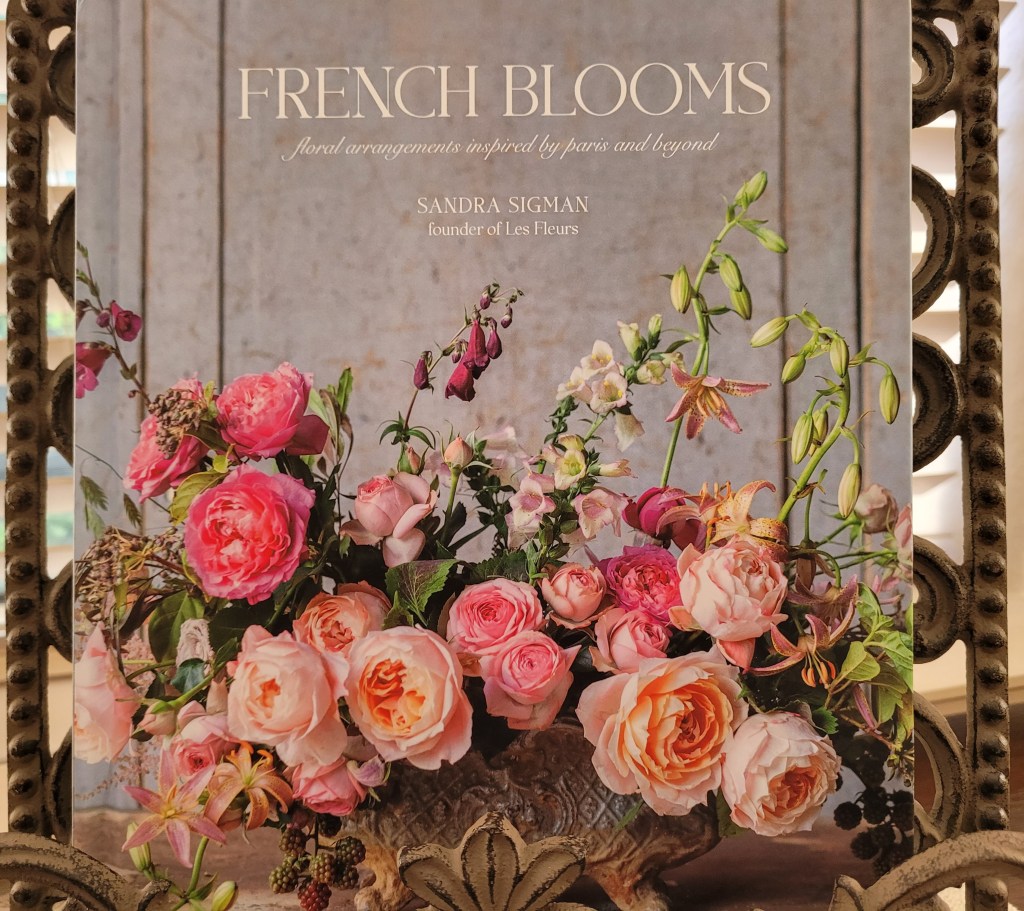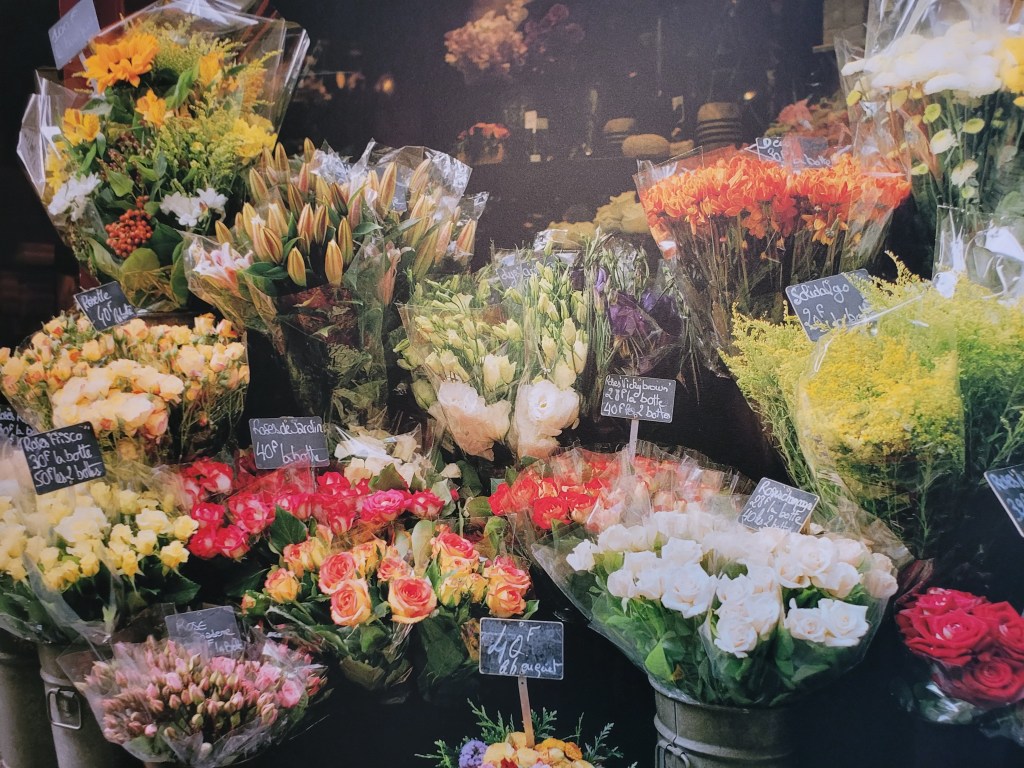

Character Study: Karen

Instead of studying for her state CPA exam, her mother wanted Karen to do housework. After all, she was living at home and should contribute to the household.

Karen had used up all her savings during the first three years of college, paying for rent, tuition, and books. And the summer after her junior year, she took a group trip to Europe.

That trip had opened her eyes. She hung out with six other college students as they traveled from Italy, Austria, Germany, Belgium, to France for a whole six weeks. These students knew all about art and architecture, so they visited historical buildings and art museums in every city.

After the trip was over, however, Karen had to move back home to finish her last year. Since seven of her siblings still lived there, the house was noisy, even though she had her own bedroom.

She left home early for classes and used the university library for studying, coming home at 9:00 at night. When her head hit the pillow, she slept soundly until the alarm rang the next morning. Repeat.

On Saturdays, her mother asked her to fold a mountain of clothes. She needed to study, so she took her accounting books into the large laundry room and propped them open on the counter as she folded. She closed the door to silence the voices of her family in the rest of the house and memorized the laws pertaining to finance as she worked.

She was worried about passing this three-day, six-part exam. She had never taken any test like this before, and she had to pass it all to get her CPA license.

Even her father didn’t believe in her. He lectured her about how women were supposed to get married and have children. They didn’t need a career, and their minds weren’t geared for such intellectual pursuits. That was what men did.

But her parents’ lack of support was why she was so determined to become a CPA and financially support herself.

She was scheduled to graduate in 1978. Karen had wanted to major in journalism, but she didn’t think she’d get a job after she graduated. One day, she went to a lecture about careers and discovered that many women already worked in the accounting field. In fact, CPA firms came to campus every semester to interview graduating seniors for jobs, so she decided to major in accounting.

Karen got perfect grades in every accounting class, except one. In her junior year, she had taken Advanced Accounting and earned only a C. She had been horrified, thinking that she’d never get a job with such as low grade in her major. If she couldn’t get an accounting job, how would she support herself and move out?

She took the class over the next fall and earned an A. Whew! That felt better.

Whenever she could, she had lunch with the friends she had met on the Europe trip. They had all taken art and architecture classes for their elective courses, whereas Karen had taken Anthropology and Psychology. While in Europe with them, Karen had admired the sculptures by Michelangelo in Rome and the paintings by Leonardo and Raphael in the Louvre in Paris. But her favorites were the paintings by the Expressionist Claude Monet. His ephemeral depictions of flowers made her heart quicken.

Talking with these friends felt like a vacation all over again.

She couldn’t wait to graduate, get a good-paying job, and move out. She just knew a job was her ticket to freedom.

Freedom from the oppressive voice of her father. His limited hopes for her. His expectation that she would get married as soon as possible and have babies.

Freedom from drudgery.

She had babysat for years, saving money for college. She had cleaned people’s houses to save money. At home, she had washed dishes, swept floors, folded clothes, ironed tablecloths and men’s shirts, picked vegetables in the garden, made dinner, made cookies, scrubbed walls, and covered beds with clean sheets.

What she hadn’t done was experience freedom to do as she wanted.

When the schedule came out for the accounting interviews, she signed up for as many as she could.  

Character Study: Josette

Photo by Christopher Campbell on Unsplash

I’ve gone to church on Sunday for 18 years.

My parents were Catholic. They named each of their nine children after saints. I was named after St. Joseph, but, since I turned out to be a girl, they changed my name from Joseph to Josette.

I remember sitting in the back seat of our Chevy, four kids across the seat, each with a kid in their lap. Mom held the baby in the front passenger seat while Dad drove. When we got to church, we filed out of the car like sardines that had been packed tightly, but then loosened out of the can one at a time.

Our family always sat in the right third row from the front. Nobody was ever there before us because we got to church early. Early enough for boredom to set in before Mass even started.

I swung my Mary Jane shoes under the pew and out in front of me like a swing. I opened the back of the prayer book and read the words of the songs as if they were poems.

I inspected the architecture and décor of the interior: the brown confessional doors with red lights over them; the blue carpet trailing up the middle aisle like a wide strip of the sky; the podium where the readers stood; the steps to the altar also carpeted in blue; the altar covered with a starched white linen cloth; the silver candlesticks that held thick yellow candles. I even stared at the statues of Mary, Joseph, and Jesus that stood to the sides of the altar. Mary looked like a contented mother. Joseph seemed a little distracted as chubby Jesus gazed up to the ceiling.

On Good Friday, Sister Genevieve took our class to the church to participate in the Stations of the Cross. This was a pre-Easter ritual that involved the priest visiting 14 stations around the church while leading the congregation in a series of prayers. The stations were icons that depicted scenes from Jesus’ last day on earth.  

The whole process took about three hours. My feet ached as I stood on the hard linoleum floor in the pews with my classmates. I became light-headed while watching the priest slowly move from station to station, his figure gradually transforming into a hazy image in the semi-darkness. One time, I feinted backwards and slumped onto the wooden pew. Sister Genevieve scooted between the children on my left, folded me into a seated position and put my head between my knees. I was nauseous for the longest time. Finally, Sister Genevieve stood me up and half-carried me outside. I lay on the cement wall with my arms cushioning my head in the shade until the ritual was over.  

I remember promising myself that, once I was out of Catholic school, I would never attend the Stations of the Cross again.

Now, I am going to college in Los Angeles. There is a Catholic church two blocks from my apartment. In the front of the church is a spacious plaza, perfect for a gathering of friends after a celebration. I have walked past it several times on my way to campus, pedaling faster if people are streaming out the doors.  

Today, I’m going to conduct an experiment. Dad always said that if we didn’t go to church every Sunday, we’d be struck by lightning. I have decided to test this theory.

I open the door to my apartment, turn around and lock it. Then, I walk into the center courtyard of the building where the pool and spa are. My neighbor, Jason, is lying prone on a chaise lounge, mirror sunglasses shielding his eyes, sun tan lotion scenting the air around him. His already-tan skin shines like polished brass. His breathing is slow, so I tiptoe around him to the front hall.

The iron gate locks behind me and I turn right on Santiago Street. Leafy liquid amber trees buffer me from the sun as I stride past apartment complexes, gated communities of families interspersed with college students.

Santiago Street joins Junction Boulevard at a three-way stop. I swing my steps to the left to continue onto Junction. Now, neat, boxy front yards line the sidewalk. Two-story houses rise up behind them. Open windows. Curtains sailing out from inside second-story rooms. Front doors with lion-head knockers, single windows, and brass kick plates. Porch lights left on. Doormats askew.

Now I can see St. Angelo’s Catholic Church ahead on my side of the street. The curb is filled with parked cars. People get out and walk across the church’s front plaza to the wide-open double doors.

I’m in front of the church now. Inside, through the open doors, I see rows of wooden pews that remind me of my childhood. They are spaced like concentric circles around the altar. The church is round.

People are walking inside, dipping their fingers in a water font, and making the sign of the cross: their forehead, chest, shoulder and shoulder. Amen.

My chest tightens as I take a step toward the entrance. I struggle to breathe deeply. I pause in the middle of the plaza as the church bell rings the time. Time for Mass.

Now, several people are rushing past me to get a seat before Mass starts. I watch them, pretending they can’t see me there. No one knows I’m here.

Deliberately, I turn around and tread back to the sidewalk away from organ music that signals the Mass is beginning. Voices sing words like poetry.

I continue walking farther away. My ritual-heavy childhood.

The tree canopies are waving like sails, the sheer blue sky is splashed with sun.

Lightning wouldn’t dare strike me on such a beautiful day.

Character Study: Isabelle

Photo by Priscilla Du Preez 🇨🇦 on Unsplash

I walked up to the double doors of the attractive white building.

I had been retired for only two months, but had committed myself to joining this philanthropy group already. Was I sure I wanted to do this?

I straightened the collar on my jean jacket. Was I underdressed? Overdressed in my long skirt? I stood in front of the door and peered through the glass. The room was full of women. Was I late?

I twisted the door knob to pull the door open and stood just inside, wondering where to go or what to do. Two women were sitting behind a table as if they were signing people in, so I walked up to them.

“Hi, I’m Isabelle Perle. I’m becoming a member today,” I said, smiling so hard that my dimples hurt.

“Isabelle, we were expecting you. Welcome,” said the woman with a short gray bob haircut. She looked down on her sheet, found my name on the list, and put a check mark next to it.

Another woman walked up beside me and the second woman behind the desk, who had brown hair, looked up at her.

I saw some blank paper name tags on the table.

“Should I wear one of these?” I asked.

“Yes, please write your first name and stick it on your jacket. We’ll give you a magnetic name tag once you become a member,” the gray-haired woman replied. I noticed her green name tag with the name “Peggy” etched into it.

“Isabelle, let me introduce you to some of our members,” Peggy said, standing up and coming around to the front of the table. She lightly held my elbow with her hand and led me farther into the room where women were sitting on chairs that had been set up in concentric half circles, facing a podium. A 40-inch video screen hung on the wall above the podium.

The room’s walls were painted in a light gray shade, and white moldings framed the floor and the ceiling. The wood floor looked clean and shiny as if it had just been varnished. I relaxed my shoulders, and Peggy led me to a woman with blonde hair who was speaking excitedly to someone.

“Lynn, this is Isabelle. She’s becoming a member today,” Peggy said. Lynn stopped talking and turned around, her eyebrows arched in animation.

“Well, another member. More hands. Welcome Isabelle. We certainly are excited to have you join us.”

Gee, everyone was so nice here. I didn’t expect that.

Lynn introduced me to Carolyn and Maria who were standing nearby. I nodded my head saying, “Nice to meet you both.”

As Lynn continued talking with Carolyn and Maria about a future work day at the food bank, I stood by with my hands by my side, nervously rubbing the pads of my thumbs with the sides of my index fingers.

Working at a food bank sounded interesting.

I had always liked donating food during the holidays at work when the company brought in the food barrels. For years, I had gone to Target to buy 10 to 20 sets of salt and pepper shakers as donations. Providing seasoning seemed like a great addition for families that had little money to spend.

Lynn spoke with confidence about the food project. I admired how she stood up tall and spoke with assurance and decided she would be someone I would like to emulate.

Later, Lynn and I sat down beside each other as the president called the meeting to begin. We stood up for the Pledge of Allegiance and then sat down to hear about the various philanthropic activities happening during the current month. Lynn announced the food bank work day, and I memorized the date and time of this event. Again, she spoke with clarity and poise. I raised my eyes to watch her speak.

After covering the philanthropies, the president asked the membership director to come up and introduce me as a new member. Lynn patted me on the back, gently pushing me up and out of my chair.

I bit my lip and swallowed, knowing that I’d have to say something about my background and interest in the group. As I walked up beside the podium, I pictured myself as Lynn—confident, well-spoken, and graceful.

Character Study: Hazel

Photo by Hannah Olinger on Unsplash

“You shouldn’t go to college,” said Dad, looking down at us kids. “There’s riots and immoral behavior. You’ll get brainwashed for sure.” Dad sat in his brown recliner with the foot rest down, his hands fiddling with a cigarette and match. The four of us, my two older sisters, me, and my little brother, sat cross-legged on the worn-out carpet in front of his chair, even though we were teenagers. We should’ve been sitting in chairs like him.

The news was on television. Dad had just seen pictures of students rioting at U. C. Berkeley for women’s rights. He had turned down the sound and called us into the room from our bedrooms that were right down the hall. I had been doing my chemistry homework, and I still had to finish math.

A wood-framed picture of the Last Supper hung on the wall right above Dad’s chair. To the side of it on the mantel was a porcelain statue of the Virgin Mary that Dad had bought Mom when he flew an Air Force mission to Portugal. A pile of rosaries filled a basket next to the statue. They reminded me of earlier years when we were ordered to kneel on the scratchy carpet to say the Rosary for 45 minutes. Thank God, Dad didn’t make us do that anymore. I’d never get my homework finished.

“Hazel, give your dad his ice cream,” said Mom from the kitchen. She stood at the counter, a box of vanilla ice cream in front of her. Jars of caramel and chocolate, too. Cherries.

I got up from the floor, happy to escape the lecture that I knew was coming. Whenever Dad got on his soapbox, we were stuck for at least an hour. Backpacks open on the floor in our dark bedroom. Homework books splayed wide on our desks. Pencil case contents spilled over half-used binder paper.

Dad put his cigarette and matches down. I gave him his bowl of ice cream.

“I need a spoon,” he said in his booming voice. A scowl made two deep furrows between his eyes on his sun-tanned face.

I jumped, turned to the kitchen, found a spoon on the counter next to Mom, handed it to him, then sat down.

While Mom finished scooping the ice cream into bowls, Dad, in-between his own bites, talked about how college wasn’t good for kids.

“They preach against religion,” he said.

I had heard Dad defend his religion ever since I was a little girl. The thing was, he didn’t seem to be a happy person, even though he went to church every Sunday, prayed at every meal, and raised money for new church buildings.

What good was it doing him?

I didn’t like how the parish priests treated women and girls either. We were treated like appendages of our fathers. No authority. No voices. No purpose except for one day having babies.

Luckily, our high school was run by nuns who were great examples of what women could do when men didn’t oppress them. The principal was a nun who had been educated in London in both education and school administration. My chemistry teacher was a pretty blonde married woman who one day wanted her own children. Our choir teacher was a nun who had a college degree in music. She taught choir, violin, flute, and piano.

But I loved my English teacher most of all. She’s the one who introduced me to the English and American poets and Edgar Allen Poe. Poe wrote such delicious horror stories. Murder. Psychological torture. Manipulation. People buried alive. So incredibly creative.

In Sister Elena’s class, I wrote my own poetry. She entered our poems in contests. I won first place once. We also read Shakespeare plays and acted them on stage for the whole school. Someday, I’d like to write a sonnet as good as he did.

What these nuns taught me was that my father had a narrow viewpoint when it came to education and women. He sent us to our high school to learn religion. But these nuns had taught us their version of Catholicism, and it had nothing to do with oppressing women.

Dad was still lecturing. His loud voice filled the room, but it wasn’t filling my ears.

Nodding my head “yes” every so often, I was far away. I saw myself walking through a university campus, my arms filled with Shakespeare, Marlowe, Emily Dickenson, Jane Austen, and Elizabeth Barrett Browning.

I definitely was going to college.

Character Study: Grace

Photo by Vinicius “amnx” Amano on Unsplash

Here I am cleaning the bar while they sit on their asses smoking cigarettes. I’m not the only employee here. Why doesn’t the boss yell at Juan and Carlos to clean up?

Juan grinned at me from his bar stool as he let smoke sail out of his pursed lips like the exhaust of an old car. He winked and I cringed. Using his thumb and index finger to put his cigarette back into his mouth, he turned away from me slowly to rejoin the conversation between the boss and Carlos.

They were chatting about one of the women who had come to the bar that night. I couldn’t hear what they were saying, but from the leering looks on their faces, it was derogatory.

The woman had come in alone, walking into the bar around 9 p.m. in a purple satin blouse, a black pencil skirt with a slit up to her panty line, and black stiletto heels. She flipped her dyed-blonde hair over her shoulder as she sat down at an empty table, the lace of her panties showing at the top of the slit in her skirt.

Quickly, both Juan and Carlos had rushed over like ants at a picnic. Together, they bought her a martini.

She stayed for awhile as I made drinks behind the bar and Juan and Carlos waited on tables. She sat alone for only a few minutes because a tall man in a suit asked if he could sit with her. She smiled at his question and waved him into a chair. For two hours, the dyed-blonde and well-dressed man chatted, their elbows on the table as they leaned toward each other.

Finally, they got up. She smoothed down her skirt and tucked in her blouse. He held out his hand. She put her hand in it. They walked across the dimly lit room and out the double door together.

It was 4:30 a.m. The bar had closed at 4 a.m. Since then, I had gathered the dirty glasses from the twenty-six tables in the room and put them in the dishwasher. I had collected the ashtrays, dumped the ashes into the trash, cleaned each of them in a pan of soapy water, and set them to dry in the drying tray.

While I was doing all this, Carlos and Juan had sat down with the boss at one of the high tables. The boss had pulled a bottle of whiskey from the bar and poured it into three glasses. They had been drinking their whiskey for half an hour while I did the cleanup all by myself.

How misogynistic. Juan and Carlos got paid for drinking whiskey with the boss while I played Cinderella?

I wiped down the top of the bar, rubbing it with a cloth until the granite gleamed in the low lighting. I threw the caps and empty bottles of liquor into the recycling trash, counted the remaining bottles of liquor, and wrote the numbers down on an inventory sheet.

Suddenly, I blew a gust of air out of my clenched mouth and banged my fists on the bar.  I turned toward the men drinking whiskey and waved my hands.

“Hey, when are you guys going to sweep and mop the floor and wash the tables?” I yelled over the music that was still blasting from the juke box.

The boss stopped what he was saying, put his glass up to his mouth as his eyes settled on me, and swallowed the last bit of whiskey in his glass. Carlos and Juan’s eyes turned toward me in silence.

“Hey, Grace, you do such a fine job. Why don’t you clean up everything tonight?” the boss said. He cocked his head toward Carlos and Juan ever so slightly as he spoke.

I took a deep breath, my chest expanding like a balloon while anger filled my eyes.

“Boss, the sweeping and mopping is not my job. I’m the bartender. The waiters are supposed to do those chores,” I said, trying to hide my fury.

The boss poured more whiskey into his glass as Carlos and Juan grinned down at their table. Carlos took his hands and pulled the ends of his bowtie to straighten it. Juan flipped one of his hands into the air like he was dismissing a servant.

This was ridiculous. Why would I want to work in a place with such a male-chauvinist crew? I had to show them that I wouldn’t put up with this. No woman should.

I untied the short white apron that was hitched around my jeans, scrunched it up into my right hand, and threw it across the room at the three men. It landed at their feet.

“Whoa, girl. Watch your temper,” the boss said. “Pick this up.” All three men stared at me, spectators watching fish in an aquarium.

Really? They don’t have a clue what I’m saying. I guess I’ll have to make myself crystal clear.

“I quit,” I said. “Pick it up yourself.” I took a pile of coasters from on top of the bar and threw them over the granite. They landed under the bar stools and across the linoleum. Then, I strode to the bar’s swinging door, pushed it open, and slammed it back so hard that it clunked on the cupboard behind me. I paced across the room toward the exit.

“I’ll pick up my last check tomorrow,” I said, twisting back toward them and winking before leaving the building.

Character Study: Frannie

I was afraid of Daddy.

He had a loud voice and big hands. He wore glasses over his eyes. They reflected the light so much that I couldn’t tell what color his eyes were. When he slept on the couch, he snored like a bear. I covered my ears so I couldn’t hear him.

One day, Mama, who had calm blue eyes and smelled like fresh apples, was carrying me from my bedroom through the hallway that led to the living room.

It was morning, and she had just dressed me in a pink shirt and matching pants. She had combed my blonde curls and used a tiny barrette to hold them back from my face.

Momma told me it was time for breakfast. My two older sisters were playing in the family room, waiting for me.

As Momma carried me down the hall, Daddy met us and reached out his hands for me. I started crying.

“What’s wrong, Frannie?” Momma asked me, turning me away from Daddy and peering into my face.

“Not Daddy,” I cried. “Not Daddy.”

Momma turned back toward Daddy, a puzzled look on her face. Daddy reached for me again. I screamed.

“Not Daddy. Not Daddy,” I buried my face in Momma’s apple-scented shoulder and reached my arms around her neck to hold on.

Momma bounced me up and down in the air. I let go of her neck to enjoy the bounce, but kept my face hidden in her shoulder. Quietly, she sang “Ring Around the Rosie”. Suddenly, she pulled me away from her chest. I saw Daddy’s arms get bigger as he reached for me again. Those huge hands with padded fingers.

“Come to Dad,” he boomed.   

I inhaled so sharply that I couldn’t make a sound. My eyes opened like oranges. As Momma continued to rock me in the air, my head dangled like a branch in the wind. Finally, I gripped Momma’s sleeves. My fingers ached.

I howled like I had just fallen and skinned my knee on the sidewalk. Like my knee had been ripped open and blood dribbled down my shin. My mouth was open so wide I could feel the air on my tongue.

“Not Daddy. Not Daddy,” I screamed again, then hiccupped as tears started rolling down my cheeks.

Momma stopped her rocking and slapped me on my padded diapered butt.

“Stop this crying, Frannie. You’re making such a fuss.” She swung me toward Daddy’s arms, then pulled me back to her chest, then swung me again toward Daddy, then back to her again.

I saw myself on the back yard swing, back and forth, up and down. The sand under my feet and then the fence where Momma’s roses bloomed. The sand. Then the fence. The sand. The roses. The sand. I laughed as the air rushed past my face and my curls tickled my neck.

Then I felt Daddy’s big hands catch me and Momma’s arms let me go.

I held my breath, closed my eyes, and shook like a leaf.

Character Study: Ellie

I asked Vicki if I could stop by to visit one of her book club meetings to see if I wanted to join.

“Sure, Ellie, come join us. We’re having a tea party since this month’s book is set in England. We read The Mystery of Mrs. Christie by Marie Benedict.”

Wow. Are their meetings always this fancy? Does each member have to host?

I hadn’t read this book, but I’d seen the movie version and enjoyed it. I thought I’d be able to contribute something to the conversation. And I loved Marie Benedict’s books. I had read The Personal Librarian and Carnegie’s Maid, both historical stories based on true stories. Also, I had loved tea parties every since I lived in England as a child. I eagerly accepted Vicki’s invitation, arriving at her house promptly at 4 p.m.

Three cars were already parked along the pristine curb of the affluent neighborhood. I parked my car across the street. As I sauntered up the paved driveway, I admired Vicki’s front rose garden in full bloom. Red, yellow, white, and even blue roses stretched their petals up toward the warm afternoon sun. Around the edge of the garden, the miniature boxwood hedges were perfectly groomed. A stunning clematis vine with a profusion of purple, pink, and white flowers covered a trellis near the porch. Furry bumble bees danced from flower to flower.

Vicki’s door was a single white paneled portal with a brass acorn knocker. I pushed the doorbell and heard it chime inside. Instantaneously, footsteps approached, and, when the door opened, Vicki smiled, took my hand and pulled me in.

Several women were gathered in the kitchen around bottles of champagne and glasses. Some wore sun dresses and others had on sleeveless blouses with capri-length pants. The chatter was lively. All of these women were members of the Winona Women’s Club, a philanthropic organization, which provided scholarships to college students and conducted a variety of other charitable activities such as coat collections for the homeless and food donation drives for the local food bank.

I had been a member of this group for two years, but I didn’t know anyone except Vicki. I stood at the edge of the circle of women quietly, a pleasant smile pasted on my lips.

Vicki asked if someone knew how to open a champagne bottle. I volunteered. Maybe it was a good way to become involved in the group. I grabbed a dish towel, untwisted the wire over the cork, and covered the cork with the towel. Then I twisted it. Pop! It came loose without any spillage. A few women cheered, and I proceeded to pour the champagne into glasses and pass them around.

After I had poured for everyone and held a glass of champagne in my own hand, I introduced myself to a few women, told them I was visiting the meeting for the day. They were welcoming and encouraged me to join.

Soon, Vicki instructed us to take our drinks into the dining room where her table was decked out in a lace tablecloth, English bone China, and an abundance of roses from her garden. Tiered plates held triangle sandwiches, tiny sausage rolls, petit-fours and chocolates. Small platters displayed warm scones. Two bone China sugar bowls held clotted cream and teeny dishes offered strawberry and orange marmalade jam. Queen Elizabeth would have been delighted.

I noted how similar Vicki’s taste was to my own. Obviously, we were both rosarians, me being an amateur compared to her. I chose a seat in the middle of one side of the long table and sat down in a cushioned chair. The rest of the chatty women eventually all found places. Vicki brought in another chair and place setting for the last woman to sit down, and she took her own seat at the head of the table.

The dining room opened up to a large living room that had a gigantic etagere dark wood bookcase. Photographs of Vicki, her husband, and children on safari; in front of the Taj Mahal; standing on the deck of a yacht; and posing in front of the Eiffel Tower. In-between the photographs were a marble bust of the Virgin Mary; a colorful vase that had to be Murano glass from Venice; and a pair of wooden masks coated with streaks of red and green paint.

But the most unusual part of Vicki’s collection were the heads that she had placed at the very top of the etagere. A Chinese soldier. Buddha. Confucius. A woman who could be the Egyptian Queen Nefertiti. In all, twelve heads stood on their necks, spanning from one side of the furniture to the other.

Vicki had lived. She had traveled far and wide. No wonder I was so enthralled with her. She was undoubtedly full of stories and knowledge.

I twisted my head to watch and listen to Vicki, hopefully my new friend, as she used her silver spoon to get everyone’s attention.

Character Study: Dani

Photo by Jamie Street on Unsplash

I sat down on the wooden bench in Sycamore Park and pulled Sadie’s leash toward me.

Sadie was an English Settler that I had rescued from the San Francisco Animal Rescue Foundation five years ago. The therapist said that she had been flown from Turkey where she lived on the street for several years. When I adopted her, she was only thirty pounds, so skinny that I could see her ribs.

Sadie turned away from the concrete path and sat down in the grass at my feet. She was always looking for a reason to sit down since she was getting old. After five years of good food and snacks, however, she had gained fifteen pounds and was in good shape for her age. Sadie arched her neck to look up at me, showing her crooked grin of contentment.

I sighed loudly, feeling my breath exiting through my teeth. It’s good I had a dog. Otherwise, I’d be completely alone.

Two years ago, I left my husband, Arsen, of five years. Really, I shouldn’t have married him. I was twenty-five and didn’t even know what my values were, much less his. I met him in Greece while I was living there for a year. He moved to San Francisco when we got married, but he brought his Greek values with him. We didn’t think about work the same way. He missed his family and forgot that I was his new family. What a mess we both made of it all. We were still waiting for the final divorce papers.

Since then, I’ve had two jobs. But now I’m unemployed. My boss said I did good work, but the company had to cut me anyway. I could hardly afford to pay my overpriced rent, much less have enough money for food. I thought my mom and dad would give me some money when they found out that I lost my job. But no. Seems like I was on my own.

I spent every day looking for a new job. Application after application. A few interviews and then . . . nothing. Even my friends were losing their jobs. Cali’s husband had just lost his job, and Cali was having a baby the next month. Whoa.

I looked down a Sadie who was now flat on her side with her legs sticking out. She looked comfortable.

My phone buzzed. It was Mom. I let it buzz on.

“Why does Mom keep calling me, Sadie? I don’t want to explain that I spend every single day trying to get a job.” Sadie tilted her head off the ground at the sound of my voice and looked into my eyes.

“She’ll tell me to budget better. I know that.” Sadie tipped her chin up and barked so slightly that it sounded like a cough. “Yeah, you agree with me. Good girl.”

I had met a lot of guys since I left Arsen. First, there was Colin, who was immature and acted like a clown. Then came Philip, a scientist, who soon moved to Boston for a new job. After Philip was Anders. He was smart, but oh-so-boring. And now I was dating Amir, who was born in San Diego, but whose parents immigrated to the United States from Iran.

My friends really liked Amir. They thought he was considerate and stable, something that Arsen never was. They invited him to all their parties and sought him out to talk to him. I was happy about that. They didn’t like Arsen that much.

But sometimes, Amir made me so angry. He was so jealous of Arsen, and never said anything good about him. Arsen always said nice things about Amir. I reached down and rubbed the side of Sadie’s belly. She groaned in appreciation.

“Does that mean that Amir isn’t a nice guy?” I asked Sadie, who closed her eyes as I continued to rub her belly.

I had once asked my mom if it was a mistake that I had left Arsen. She said, “No.” I told her that Arsen had always been excited about asking me about my life. Amir didn’t ask me those questions.

“That’s not what you said when you were married to him, Dani,” she said. “You complained that he wouldn’t eat dinner with you, and he didn’t want to hear about your job. Instead, he’d sit in front of the television until late at night, long after you went to bed.”

I just want life to be the way it was with Arsen when we had good times. I feel so alone.

Character Study: Claire & Alice

Photo by Baptist Standaert on Unsplash

I drove up to Alice’s house in my GMC Terrain and parked the car near the curb. Alice’s home was next to a neighborhood open space. A gigantic hedge, over twelve feet high separated her front yard from the park.

I pushed my purse under the front seat, taking my car key with me. When I opened the door and got out, I tucked the key into my fanny pack where I had already put my cell phone. I put on my walking hat, which was pink and matched my hoodie. It also had a flap to protect my neck from the sun.

It was Tuesday, the day we always walked together. Alice walked her Border Collie while I stayed on her right. For some reason, the dog liked to pull the leash to the left onto the grass.

I’d known Alice since my son was in kindergarten; her son was my son’s best friend. We had met in the kindergarten playground after school while picking up our children. Later, we saw each other at another friend’s house for swimming, and even later when the boys were in middle and high school, they took turns hanging out at Alice’s and my house. In fact, when my son, Zach, graduated from high school at went to college, Alice had said that her grocery bill went down. Apparently, he liked her snacks and chocolate.

But now our sons were grown and working in Silicon Valley for high-tech companies, and we were both divorced from their dads. We were members of a single’s group named Rusty Bindings, which was a ski club for single people over 50. Alice and I were both in our sixties.

We looked pretty good for our age. Both of us had dyed our hair blonde since our thirties when the gray started to show. In addition, we both were avid exercisers, even though we didn’t ski. Alice did Zumba in her kitchen via Zoom and I attended Pilates classes four times a week. And we walked.

I ambled up Alice’s driveway over the flagstones. Her yard was a profusion of flowers and succulents of all kinds. Alice believed that lawns were ridiculous for yards in a state like California which was experiencing a drought, so she had ripped out all her grass and planted flowering bushes. Roses climbed up a metal arbor standing in the middle. African irises punctuated the landscape around the edges, and tea roses of pink, white, and yellow filled in the remainder of the middle.

Under the four-foot-wide eaves of the house, Alice had planted azaleas and gardenias in the shade that were now in full bloom. The gardenias gave off a strong vanilla scent as I walked up to the door.

On the porch, pots of all shapes and sizes held a variety of succulents: red, green, purple, curly, and pointed. The yard was a green thumb’s paradise.

As soon as I knocked on the door, a cacophony of barking began inside the house. Running paws pounded the floor and bodies thumped against the inside of the door. I jumped when the door shook since I had once been bitten by a German Shephard that was off its leash. I still had the scar just above my right ankle, an angry red curve.

After waiting two full minutes, I heard Alice come into the front hallway yelling at her dogs to let her through. The deadbolt clicked and then the door knob clunked as she unlocked the door. When she opened it, the Border Collie and Jack Russel dogs scooted through the narrow opening, jumped clear across the porch and pounced onto my chest with their front paws.

“Here Jack,” Alice called. “Come get your treat.” Jack jumped down, turned like a top, and ran back inside. As he did, Alice handed me the leash for the Border Collie, then she disappeared and closed the door.

I had gotten a little smarter over the years that we had been walking together, so I took a treat out of my pocket and threw it on the ground for Cali, the Collie. When she bent down to eat it, I clipped on her leash in a flash.

Alice came out of the door holding her hat and a flask of water. Her blonde hair was pulled back into a pony tail. She was dressed in blue jeans, a printed blouse, and a buttoned-up red cardigan sweater. She set the flask on the top of her car in the driveway while she put on her hat and I held onto Cali’s leash for life.

“I’m ready,” said Alice.

“Cali’s been ready,” I said.

Cali heard me and took off running with me holding onto the leash like a kite in the wind.

Character Study: Bel

Photo by MontyLov on Unsplash

I was still tired from my business trip to New York. Two weeks in the city. Homelessness on every block and a bitter wind.

I didn’t expect such cold weather, so I had only taken my raincoat which wasn’t warm enough. I froze walking the two blocks from my hotel to the publisher. By the time I reached the editor’s office, my nose and fingers were numb and red. Miserable.

But my trip had been a successful one. The publisher had given me a contract for my novel and requested that I write two more books in the next three years for them. Bel Balfour was finally on the map as an author.

My flight home got in around 7 last night, so Daryl had picked me up at the San Francisco Airport, and we drove into the city for dinner. I was in the mood for a steak, and John’s Grill makes great ones. It’s a few blocks off Union Square, an old-style restaurant with dark wood and photographs of celebrities and politicians lining the walls. At Christmas, every nook and cranny are hung with garlands of pine and hanging bunches of red ornaments.

Daryl ordered a pinot noir from Anderson Valley to celebrate my new contract. The bright red vintage glistened in the light from tiny spot lights in the ceiling. The wine was delicious with the goat cheese and toast appetizer.

For my entre, I ordered a filet mignon, which came with a mound of mashed potatoes and grilled asparagus. The filet was delectable. I can’t make steak that good at home. Restaurants just have better grills.

Daryl ordered grilled salmon stuffed with crab. It was accompanied by rice pilaf and grilled asparagus. He must have loved it since his plate was clean after about only fifteen minutes.

Daryl mentioned that our daughter, Katie, had been hired by a company that was headquartered in Oakland. Her last company had laid her off two months ago, even though they said she was doing an outstanding job. This new company promoted “green” practices within the business industry. Katie would be working in brand marketing, and she’d be going to a conference in Chicago in February.

“Does she like it?” I asked.

“I think so,” said Daryl. “She’s only been working there for a week, though.”

“Will she be able to work at home or have to go into the office?” I asked.

“She can work at home,” Daryl said, “but she wants to go into the office as well. It is a dog-friendly company, so she can take Sandy with her. Also, the garage is secured with a locked gate, so her car won’t be broken into while she’s working.”

Daryl and I had been married for thirty years. Katie was our only child. I had wanted another one, but I never got pregnant again. Katie was 27 years old, not married, so grandchildren were not on the way. I tried not to bug her about it.

It was Saturday. Daryl had left at 8 a.m. to play golf with his three regulars. The house was quiet, and I had already stripped the king-size bed of its sheets and pillowcases and laundered them. I bent down to the dryer to pull them out, smelling the lavender sachet that I had tossed in with them. Holding the warm bedding in my arms, I paced through the family room, up the stairs into the master bedroom. I dropped the bedding on top of the window seat at the far end of the room near the armoire. Then, I untangled the sheets to find the fitted one.

As I bent over and tucked one end of the sheet over a corner at the bottom of the mattress, I noticed something red sticking out from under the bed. I knelt down on the carpet to take a better look. The only thing that I ever put under our bed was my shoe storage box. I didn’t like clutter and even vacuumed regularly under the bed with the vacuum extension.

A pair of panties?

They weren’t mine. I had given up wearing lacy panties years ago because they were too itchy.

But whose were these? Why were they there?

Daryl?

Daryl!

Female Philanthropy: Feeding Ukraine Refugees

When I retired, I joined a local women’s philanthropy group, Alamo Women’s Club (AWC). This non-profit organization has been in existence for over 100 years, but what I liked about it was that they give scholarships every year to high school graduating seniors and community college single parents; however, this organization has come to mean so much more to me.

The members of AWC work hard on philanthropy, but, while they’re working on the Annual Authors’ Faire or the quarterly jewelry sales, they develop respect for each other and form new friendships.

One of the women organizes charity work that can be accomplished in a single day. For example, last year, AWC collected coats and clothing for the One Warm Coat Drive in partnership with the Rotary Club of San Ramon Valley. They put out signs and emails in the community and opened the clubhouse doors to accept donations. After a day of sorting, packing and working together, the club had collected over 2,100 items. The event was over in just one day.

Last Monday, I joined another of these events at Kids Against Hunger in Pleasanton. Eight members showed up at 10:30 in the morning. Three women from a local company were also there to work, so the eleven of us got started.

Kids Against Hunger sends packaged food to places around the world where children have little or nothing to eat. Our packages would be going to Poland where Ukrainian refuges needed food.

Before we started, we put on hair nets and cleaned our hands with sanitizer. No cell phones or purses were allowed near the food.

The eleven women worked in four teams. Three women filled printed bags with dehydrated vegetables, soy protein, vitamin powder, and rice. The next worker weighed each bag to ensure it would meet the shipping requirements. She then sealed the top of the bag with a manual sealing machine. After ensuring the bag had no leaks, she placed it in a bin next to her.

When the bins were full, another volunteer replaced the full bin with an empty one. She took the full bin to the boxing station and filled a box with the sealed bags. The box was then taped and labeled for shipment.

We worked 45 minutes and then the head volunteer asked us to take a break to watch a video about the organization. In the video, we learned that Kids Against Hunger was started by an engineer who noticed the great number of children around the world living without adequate nutrition. After consulting with scientists and nutritionists, he created a recipe for a packaged meal to send to these communities. The only ingredient they need to add is water. Each package feeds 6 people a nutritionally-balanced meal. One man in the video who worked with children in Haiti thanked California volunteers for their contribution to the Haitian children.

After the video, the eleven of us got back to work—talking, commenting on the efficient process, and getting to know each other a little bit better. By the time we had put in another half hour of labor, we had packaged enough food for 2,808 meals.

Our hearts were fully satiated.

Character Study: Amelia

Photo by Molnár Bálint on Unsplash

It’s six-thirty. Time to get up if I want to take a walk before I lose interest.

I stretch my nightgown over my head and hang it on the hook on the wall inside the closet. I pull on leopard leggings and a black T-shirt, and drag on a pair of thick socks.

My dog, Tipper, is snoring on the other side of the bed. He won’t wake up until after I get back, then he’ll lie in bed on his side with his feet straight out and his eyes barely open while I turn on Spotify and make breakfast.

But right now, I’m going for a walk. I lace up my shoes, grab the key to my Russian Hill apartment and open the door as quietly as I can.

The red carpet starts just outside my place which is at the end of the hall and travels all the way down the three flights of stairs to the wooden floor lobby.

Nine silver mailboxes make a square on the wall opposite the door, the morning sun through the door’s glass windows striking them and glancing off like blades of lightening. I bend down to the bottom row, punch the code on mailbox #9. The door pops open revealing a single letter inside with a hand-written address. I pluck it out in surprise and turn it over slowly, wondering what it is, slip a nail under the flap and tear it open.

Inside is a single piece of note paper with nothing written on the back. A short letter. I unfold the paper and notice that it is vellum, a high-quality, smooth stationary used for special occasions. Who’s getting married?

Someone with fairly good handwriting has written to me.

Dear Amelia,

You don’t know me, but I believe that I’m your biological sister from your dad’s side. I was born in Vietnam, but, right after the war, an American couple adopted me and raised me in San Diego.

I’ve always known that my father was American and my mother was Vietnamese. My mother died in the war, but my adopted parents told me that my father was an American serviceman who was stationed in Vietnam when the war ended. He never knew my mother was pregnant.

I found you while doing genealogy research on Heritage.com. You showed up on a family tree that was apparently created by your mother twenty years ago.  

My adopted parents are still living in Escondido and I’m living in downtown San Diego, teaching biology at San Diego City College. I went to San Diego State to get my bachelor’s and master’s degrees. I’m 29.

I’d like to meet you and hope you’re willing to talk. Please write back to me. My address is on the back of this envelope.

Sincerely,

Mai Pericote

The room darkens all of a sudden and a knife digs into my heart. I fumble the mailbox door closed and twist the combination knob to erase the code.

The numbers on the knob are blurry.

The lines in the room are fuzzy.

Dad didn’t know? He had an affair in Vietnam while Mom was taking care of me and my sister in the Bay Area, waiting for him to come home every day?

I turn toward the door, the sun shining through the panes blinding me.

I stretch out my hand to find the door knob, grab it with my fingers, and turn.

Outside is Hyde Street and the San Francisco morning chill.

What Really Makes Me Tick (Happy)

Wouldn’t it be a better world if everyone knew what they needed to be happy? I’m retired, and I loved my teaching job; however, now that I don’t have to commute to work five days a week or grade college essays on the weekends, I just want to do things that make me happy. Here they are.

Admiring Flowers

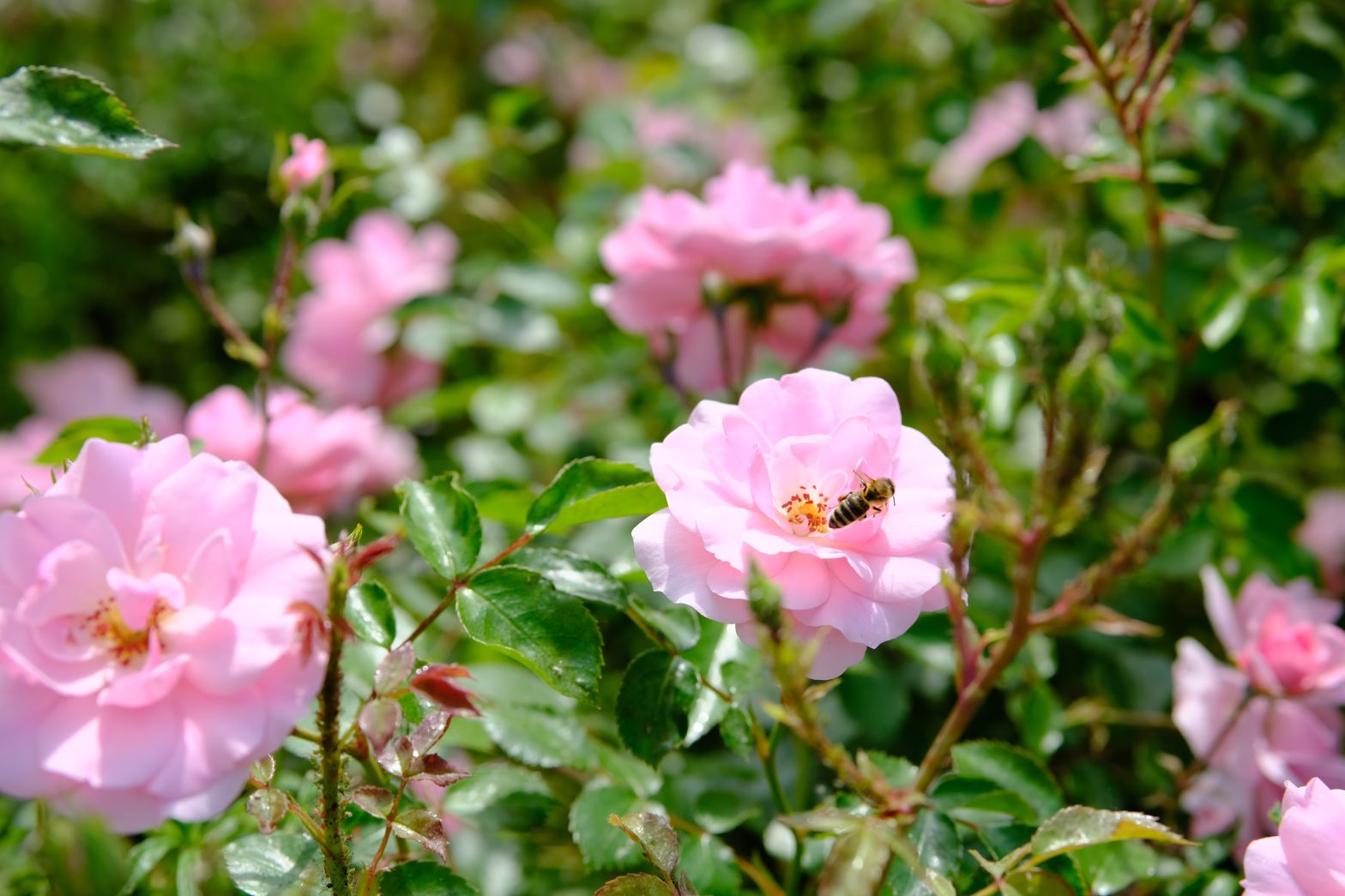
Stopping to smell a rose may seem like an unimportant action, but, when I do it, it brings me joy. I have rose bushes in my front yard and back yard, and every morning, I wander outside to inspect every bush to see the new blooms. I sniff and stare and smile to my heart’s content.

I remember the flowers of my childhood, too. In January, crocuses poked out of the soil in the flower beds in the front yard. In February, the daffodils came. Tulips arrived in March, and Irises after them.  By the time Lent was over, Easter Lilies grew like sophisticated ladies in white hats in our back yard. And in May, the meadows were carpeted with Bluebells.

For four years of my childhood, I lived in England with my family, and I was impressed by the colorful blooms of summer that thrived in the temperate climate. Rambling roses climbed up cottage walls. Cosmos waved their rainbow heads in the breezes like pretty bonnets. Hydrangeas brightened shady nooks of gardens with their puffy burst of blue and pink. I was entranced by their beauty.

At Christmas, my mother bought at least one Poinsettia to decorate the house. She bought red poinsettias, white poinsettias, and ones with white flowers with red stripes. Sometimes, she had an amaryllis bulb growing in a pot. Every day, I’d inspect it to see whether it was blooming or not. I was in more of a hurry than it was.

Making a Stew or Pot of Soup

Whenever my dad cooked, he made “water” soup. He added pieces of beef and vegetables to a pot of water to create soup. Ugh. We kids would cringe when we saw him taking out a pot. His were the worst soups I’ve ever tasted.

Maybe that’s why I love making delicious soups.

I own an old Dutch oven that is the perfect size for making one-pot meals. Some mornings even before I change out of my pajamas, I scour the refrigerator and pantry for the ingredients for a minestrone—onions, celery, carrots, zucchini, chick peas, barley, chicken broth, chopped tomatoes, oregano, salt, and pepper. Sometimes I add cooked shredded chicken. Often, I don’t.

Or I find the fixings for chicken noodle soup for a recipe from a William’s Sonoma Soups book that I bought a long time ago. While I’m chopping the carrots and celery for this soup and simmering the chicken breasts in the broth, I think back when I made this for my two children who loved it. I see their little faces above their steaming bowls, their hands holding spoons, their mouths filled with savory egg noodles.

On one European trip, I bought cookbooks in the Czech Republic and Austria, so when I want to make goulash, I search for recipes from those books. My favorite goulash is a beef, onion, and smoked paprika concoction that is topped with cornmeal dumplings. I first ate cornmeal dumplings at the restaurant at the Belvedere Palace Museum in Vienna. I’m still practicing to make mine taste as good as those were.

Reading Inside When It’s Cold Outside

To me, the essence of decadence is waking up in the morning, seeing that it’s cold and rainy outside, then reaching for a novel and reading it in bed. To take all the time in the world to read a story, then stopping and thinking about it is heaven on earth.

Reading when its cold outside reminds me of when I read as a child. I had time to sit on the floor in a corner of the house with a treasured book of fairy tales and get lost in another world. When my mother took me to the open-air market, I found the bookstore, walked to the back shelves, pulled out a tome, and read it while sitting on the floor. I was always afraid that the shop owner would find me and kick me out, but he never did.

Decorating My Home

When I was a child, we never had an expensive home, but that didn’t keep us from making it beautiful. In the spring and summer, I picked flowers in the meadows, poked them into vases and brightened every table and dresser in the house. In the fall, I cut branches of colored leaves for the mantel in the living room. For winter, my mother and I found pine cones and spray-painted them silver and gold for Christmas. We added holly and pine branch garlands in-between them.

Today, when a new season comes, I still have the irresistible urge to celebrate it with seasonal décor. Right now, I have a collection of pumpkins on my front porch accompanied by a little witch. I also have put pumpkins on the table on the back patio so we can feel the season when we go outside in the afternoons. Every time I pass these decorations, I feel like celebrating.

Writing

I wrote my first poem when I was nine years old, and I’ve been writing ever since. Sometimes, I use writing to help me sort out a problem. Currently, I’m the chair of a scholarship committee for a charitable organization. When I’m planning the meeting agendas, I write them to organize my thoughts. When I’m thinking about how to improve my author’s platform, I write my thoughts down. I write down daily affirmations and New Year’s Eve resolutions. I write every day.

Even when I’m traveling, I have a journal that I use to take notes or write a spontaneous poem. I remember one vacation that I took by myself to Boston. After I toured Paul Revere’s tomb and all of Boston’s historic sites, I drove north up the Atlantic coast. I stopped in Salem and visited another graveyard where a huge oak tree that had gotten so big over the centuries that tombstones were poking out of its bark halfway up. There was so much to write about. Finally, I stopped the car at the edge of the road near a beach. As I sat in the sand and gazed over the surging navy-blue sea, I wrote a poem about the peace that I felt.  

When I visited Sorrento, Italy, I stayed in the Grand Hotel Excelsior Vittoria. Our room had a large terrace that overlooked the Sorrento Harbor. Across the Bay of Naples with its slate-blue ripples, we could see Mount Vesuvius. Every day, I sat at the patio table on this terrace with my journal to write about the gorgeous scenery or about my excursions into the town of Sorrento or its nearby attractions. I wrote how my husband had to scrunch down going into the Blue Grotto Cave in Capri. I described the ceramic factories that we toured in Almalfi. With words, I wondered what it was like to be a citizen of Pompeii in 79 AD when Mount Vesuvius spewed its lava all over the populated city.

Now that I think about it, I’ve been doing these happy things my whole life. Naturally. Now, though, I have more time to do them. What joy.

How I Evaluate Publishers

I finished my novel last month, and now I am submitting it to publishers. During the process of finding the right publishers, I’ve learned a lot, and I’m sharing it with you.

Use a Good Source of Publishers

I didn’t know where to find the names of publishers, so I asked a writer friend what to do and she gave me two links of independent publishers. She suggested that I choose six of them and present my manuscript to them. Here are the links:

Publishers Group West: https://www.pgw.com/distribution-services/publisher-list, and Consortium Book Sales and Distribution: https://www.cbsd.com/publishers/our-publishers/.

I started to go down the list of publishers from Publishers Group West. What I found was a lot of publishers that didn’t accept the type of novel that I wrote, which is a coming-of-age novel. Some wanted non-fiction. Others were looking for fantasy, crime thrillers, adventure, historical, or memoir tomes. I spent hours and hours looking at their websites without a viable candidate. What I needed was a list of publishers who focused on coming-of-age novels or literary genres.

Another write friend told me to buy the current Writer’s Market. What a brilliant suggestion. This book contains 183 names of publishers and pertinent details in alphabetical order. Better yet, on page 855, is a “Book Publishers Subject Index” where I found three columns of publishers interested in literary novels. I’ve been investigating the websites for the companies on this list and, already, I have identified six publishers that are appropriate for my novel.

Find a Publisher that Publishes Your Type of Novel

I already mentioned how I was looking for a publisher interested in coming-of-age or literary novels, but I want to explain this further.

I found out that publishers have mission statements that explain the purpose of their company. For example, one publisher I reviewed has a mission to publish the works of authors from the Midwest. I live in California, so the chances of them picking up my novel is unlikely. Another publisher aims to publish books written about queer subjects. My book doesn’t qualify for this either. I don’t want to waste my time sending my manuscript to someone who doesn’t want it.

Buy a Book from a Target Publisher and Read It

I found a publisher that wanted coming-of-age novels, so I ordered one of its previous publications. When the book arrived, I didn’t like its cover, binding, or even the style of writing by the author. I felt like I would be disappointed if my book looked similar, so I didn’t send my manuscript to this publisher.

I bought a book published by another publisher. Immediately, I liked the cover and the binding. I even noticed how the cover design demonstrated complementary colors since I once taught art in an elementary school.

I read the book from cover to cover, including the book flaps and the quotes from other authors on the back cover. I liked the story and noticed how it was the kind of story that I could write.

I also read the author’s “Acknowledgments” and found out that her story was similar to mine in another way. The author is Caucasian, writing about a story set in a Central American country. I am Caucasian and my story takes place in South America. The author thanked her publisher for agreeing to print her book even though she wasn’t native to Central America, and she argued that an author should not have to be a native to the setting of her story.

I had heard about the argument of cultural correctness, but, as this author pointed out, many novels would not exist today if men could only write about men, women about women, Hispanics about Hispanics, and so forth.

I sent my novel to this publisher with a comment in my query letter that asserted that writing about a setting into which I was not born was part of my inspiration for writing the novel in the first place. I also mentioned that I had read the other author’s “Acknowledgements” and agreed with her. I’m sure this editorial team will be impressed that I went to the trouble to carefully familiarize myself with one of their previous publications.

Read the Submission Guidelines

Unfortunately for busy writers, every publisher has different submission requirements. I searched each publisher’s website to find them. Sometimes, I had to find the submission link at the bottom of the publisher’s page.

Some of them use a program called Submittable that is built into their website. One publisher allowed me to attach my manuscript to this portal and fill in my name and previously published works in the blank fields. Another publisher who uses Submittable didn’t allow any attachments. Instead, I had to summarize my 300-page novel in 150 words, write out my “hook,” and list my previously published works.

Other publishers wanted me to submit via email. One wanted a query letter, a one-to-two-page synopsis, an annotated chapter outline, a market analysis including competitive research, at least two sample chapters, and my curriculum vitae.

I had to do some research for this. For the query letter, I modeled my letter after a sample query letter that I found on page 23 in Writer’s Market. I scoured the publisher’s website to find the name of the main editor and addressed my letter to her. After I wrote it, I had one of my writer friends review it. She thought my version was solid.

For the synopsis, I wrote a 700-word version and had it reviewed as well. My writer friend helped me improve it to add pertinent and alluring details.

My novel has 40 chapters in it, so writing the annotated chapter outline took several days. I listed each chapter and its title and then added a paragraph or two about its content. I must say that this exercise helped me take another look at my novel. Along the way, I made changes to my manuscript to make the plot stronger.

I searched the Internet to find out how to write a market and competitive analysis. I found some excellent articles by the Blue Ridge Mountain Christian Writers’ Conference that explained what this was.

My final market analysis identified my target market as college-educated women between the ages of 20 and 30 who were interested in travel, cooking, gardening, or hiking. I also identified my secondary market as women who were members of book clubs and who enjoyed discussing life events such as the death of a parent or breast cancer. I even described my tertiary market as high school teachers and college professors who require reading for writing assignments.

For the competitive analysis, I identified six books that were comparable to mine. I explained how each of these books were similar, how they were different, and how related the purpose of each story was to mine.

When it came to developing my curriculum vitae, I divided my publications into poetry, short stories, and academic publications. Since I haven’t previously published a novel, I didn’t include this category. I also listed that I have a Masters in English concentrating in Literature and Composition.

The work for this one publisher was so comprehensive that I have used portions of it for other submissions.

Keep Track of Your Submissions

I’m not sure how many publishers I will need to contact in order to get my book published, so I devised a way to keep track of them. On Microsoft Word, I made a four-column table with the headings—Publisher Name, Requirements, Date Sent, and Response Expected. Under the name of each publisher, I typed in either the email of the company or Submittable so I can remember how I sent my work.

I feel that my date columns are extremely important. The Date Sent column shows me when I submitted my work. The Response Expected column tells me when the publisher promises to get back to me. Some publishers do not contact writers if they are not interested, so this column will also tell me when to stop waiting for a response and reach out to another company.

My life’s dream is to get my fictional novel published by a traditional publisher, and so I’m going to do everything I can to make that happen.

A Eulogy for my Sister Carol

Photo by Cristina Anne Costello on Unsplash

Good morning. My name is Tess, the third child in a family of ten children and Carol’s older sister. Carol was the sixth child in our family, born on October 20, 1960 at Mather Air Force Base hospital in Sacramento.

As a baby, Carol was a pretty little blonde girl with fine hair and features that mirrored her mother’s: a long forehead, an awfully straight nose, and a smile that created dimples in her cheeks.

Carol loved, loved, loved music.

She enjoyed old-fashioned country music by the likes of Hank Williams who wrote “Hey Good Lookin,” which she heard when Mom and Dad played the radio.

When Carol still lived with us, Beverly, Carol’s oldest siter and another musician in the family, sang songs to her, such as “Do, Re, Mi” from the musical Mary Poppins and “My Favorite Things” and “Edelweiss” from The Sound of Music. Carol smiled, laughed enthusiastically, and sometimes rocked to the beat.

Just before Carol died, Ron and I visited her in the hospital. She was anxious, and the only noises in the room were the beeping of the medical monitors. We turned on some music by the Russian composer Sergei Rachmaninoff. Immediately, Carol turned her head toward the music speaker and calmed down. Her eyes gleamed with joy.

We believe Carol would have been a great musician if she hadn’t suffered from Cerebral Palsy.

Carol possessed determination.

Even though she didn’t speak, Carol had ways of letting people know what she didn’t like. Whenever someone tried to brush her teeth or feed her sour fruit, she clenched her mouth closed to prevent anyone from getting anything past her teeth.

While she was in the hospital, Carol demonstrated determination as well. She didn’t like having oxygen tubes in her nose, so she moved her head from side to side until they fell out. One time, after I had inserted the tubes back in, Carol used her left hand to accurately bump the tubes out of her nose and above her head. A look of satisfaction spread across her face as she became free of them. I laughed out loud realizing that her spirit was still strong and impressive.

Carol was sometimes mischievous and annoyed.

One time when Margaret visited Carol while she was living in transitional housing, she found a caretaker feeding her.

Margaret knew that Carol had been attending school to learn how to eat on her own, so Margaret said to Carol, “Carol, you know how to feed yourself.”

Carol swallowed, looked up at Margaret, and laughed heartily.

Apparently, she was hungry, and, if she had to feed herself, it would take much longer. She knew what she was doing.

When Carol was annoyed, she set her mouth in a tight straight line to let us know. Her expression was so like the countenance of Mom’s face when she was irritated that we recognized it easily.

Carol enjoyed the support of a loving family throughout her life.

Our parents’ greatest gift was a strong family bond, and Carol was an integral part of our family unit.

Carol lived with our family for nine years. When she was a little girl, I lifted her onto the swing and pushed her. She raised her face to the sky to feel the breeze. I also took her by the hand and walked her around the back yard so she could see the animals. Her eyes followed the ducks and chickens as they strutted around for food.

When we flew to England to live for almost four years, I sat next to Carol on the plane. I thought I was luckier than my two older sisters because they had to take care of more siblings than me. As long as I took good care of Carol, Mom was happy. I danced stuffed animals in front of her, fed her the airplane food, of which she didn’t complain, and sang her to sleep.

After we returned from England, my parents decided to arrange for Carol to live in an assisted living home. One of her homes was in Santa Clara. At the time, I worked in Santa Clara, so, once a week, I visited Carol and fed her dinner. Sometimes, I was able to take her outside to enjoy the warm sun and soft breezes by the Bay. We sat on the expansive lawn under the shade of an oak tree, and I told her stories about the people in our family while her hazel eyes stared at my face.

Margaret and Liz also visited Carol in Santa Clara. First, they went to Great America for a day of fun, then called Carol’s facility to see if they could visit. Since they were arriving after visiting hours, they knocked on the back door. Once admitted, they sat next to Carol in the sitting room and told her about their day at the amusement park. Since Margaret and Liz love roller-coaster rides, they described the thrill of bouncing up and down and all around, and Carol stared at them, probably day-dreaming about a calmer choice such as “It’s a Small World.”

Finally, my parents arranged for Carol to move to Sacramento so she could live closer to them.

Once, while visiting, Margaret took Carol to Starbucks and ordered her a Strawberry Créme Frappuccino. She wheeled Carol outside since it was summer and she wanted Carol to enjoy the good weather. Margaret held the Frappuccino up to Carol’s mouth and told her not to drink it too fast or she would get a brain freeze. Carol eagerly sucked quickly through the straw for a few seconds, then let the straw go, wrinkled up her nose, and squeezed her eyes shut. Oops, she got a brain freeze.

When Carol moved to a home in Penryn, she was extremely popular with her roommates. She had more visitors than anyone, and her roommates thought she was Miss Congeniality. When we visited her, not only did we talk to Carol, we spent time with her friends. The joy on all the faces was rewarding. We felt popular, too. 

Mom and Dad supported Carol throughout their lives, making sure she was well-cared for wherever she lived. Often, they brought her home for holidays such as Christmas so everyone could see her. Carol even showed up at Mom and Dad’s 50th wedding anniversary at St. Mel’s Church, accompanied by her caregiver.

Later, after Dad passed away, Mom visited Carol as often as she could even after she moved into an assisted living facility herself when she was 89. Whenever Carol saw Mom, she didn’t have eyes for anyone else. She gazed into her face with a tender look of love, often accompanied by a smile.  

Mom was a dedicated mother; she called Carol’s home every Sunday afternoon to check up on her. Our parents also purchased a burial plot for Carol next to their own so she could rest beside them.

Closing

We will miss Carol. Like any sibling, she was our friend, our companion, our entertainment, and most of all our teacher. She inspired us to slow down our racing lives to enjoy basic joys and connection with her. She showed us the value of unconditional love and how to practice it. She taught us that family bonds go beyond childhood and are maintained by commitment.

Our lives were and still are enriched by hers, and we are grateful to God that she was our sister.

I Want to Be a Rosarian

One day as I was driving through a neighborhood in my town, I saw a front yard surrounded by a white picket fence. Inside the fence was a garden full of rose bushes—tea roses, floribundas, grandifloras, pinks, reds, whites, lavenders, and yellows. Roses of every classification and color. In their midst, was a white head of hair belonging to an elderly woman. With a clipper in her gloved hands, she was snipping roses to take into her house. That’s what I want to be when I get old, I told myself. I want to be a rosarian.

The Definition of a Rosarian

A rosarian doesn’t have to be a professional rose gardener. Anyone can claim the title if they are fond of and/or cultivate roses. To cultivate means to nurture, and I already foster a large family of carpet rose bushes and three tea roses. As soon as my new retaining wall and patio is installed, I will plant at least six more tea roses against the fence. So, I’m technically already a rosarian, but I want to be a more involved one, and the goal of this post is to help me identify what a rosarian needs to do on a regular basis to grow big, bountiful, gorgeous, fragrant roses.

A Rosarian Knows Where to Plant Roses

Roses like as much sun as possible. I live in Northern California where the sun is plentiful so finding sunny places to plant my roses is not a problem. In addition to sun, however, roses need good soil with ample drainage. My yard has fertile soil with plenty of drainage so I’m lucky there, too.

A Rosarian Feeds Her Roses

I once read that roses are hungry feeders. They like to receive a lot of water, nutrients like nitrogen, phosphorus, and potassium to create strong, vigorous growth, and calcium for plentiful blooms. I used to fertilize my roses with chemicals, but, after I went to France and saw the gorgeous organic roses in the Chateau de Chenonceau Garden, I came home determined to become an organic rosarian myself. Now, I fertilize my roses with chicken manure and bone meal to promote their healthy growth and blossoming.

A true rosarian continues to learn about her expertise. I just read about Dan Bifano, the master rosarian to Oprah Winfrey who makes his own blend of fertilizer. According to an article in Veranda on April 1, 2021, Bifano creates his fertilizer using alfalfa meal, chicken manure, worm castings, cottonseed meal, and fish meal. I don’t know where I would find all these ingredients or what proportion to use, but I’m keeping this recipe for future reference.

A Rosarian Learns the History and Vocabulary of Roses

I’m currently building a library of books about roses and I’ve joined the American Rose Society. I also may join the local chapter of the rose society to learn more about growing roses in my specific area.

In the handbook from the American Rose Society, I learned that roses are grouped into three main categories: wild roses; old garden roses which existed prior to 1867; and modern roses which were not in existence before 1867.

From my reading, I also learned that the first rose breeder was Guillot who created La France, the first hybrid tea rose. Contemporary breeders focus on creating hybrids that are disease resistant and more fragrant. Modern roses come in all shapes and sizes with varying characteristics including blooms with differing numbers of petals. My favorite are the hybrid tea roses that have large blooms with over 30 to 50 petals. Who doesn’t love gigantic flowers?

A Rosarian Grows the Right Roses for Her Climate

I recently purchased The Color of Roses: A Curated Spectrum of 300 Blooms by Danielle Dall’Armi Hahn, which includes beautiful photographs of 300 kinds of roses in all shapes and sizes. While browsing through this book, I fell in love with certain rose types, but I didn’t know whether they would grow well in my garden.

In the same Veranda article, Dan Bifano recommends that rosarians become familiar with the roses that grow in their local area by visiting local rose gardens and nurseries. Luckily, just four miles from my house is a park with hundreds of rose bushes that are labeled with their names. I’ve walked in this park many, many times, but now I’ll go to inspect the rose name tags.

I also plan to tour some of our local nurseries. I’ve already been to Home Depot and found some of the roses that are listed in Dall’Armi Hahn’s book including Marc Chagall. I have also identified a few local nurseries that specialize in roses. I can’t wait to choose some for my new garden.

A Rosarian Prunes for Winter

In the past, I always pruned my roses almost to the ground for winter. Recently, however, I read that winter pruning depends on the type of rose. Climbing roses, for example, should not be pruned to the ground. The main branches should be retained while weak offshoots should be trimmed back. This winter, when I get my pruning shears ready, I’ll think carefully before I cut.

A Rosarian Removes Spent Blooms in Summer

To keep roses looking gorgeous, conscientious rosarians clip off blooms that have bloomed to maturity and then start to wilt. I think this is my most favorite rosarian task since it is an opportunity to reshape the rose bush into an attractive shape. I am careful to clip the stalks just above a three-leaf pattern so that another rose is encouraged to bloom.

When I think about the elder woman’s rose garden, my breathing slows and my heart feels peace. Someday soon, after I have added my new tea roses, my own garden will give me the same feeling, and I’ll be the rosarian wandering amongst my bountiful blooms.

Leona’s Tacos

Photo by Jeswin Thomas on Unsplash

My friend Leona taught me how to make tacos when I was in my early twenties. She was the grandmother of one of my college friends, and I stayed with her for two weeks when I first moved to Los Angeles. Leona was fifty years older than me, but we developed a deep friendship.

Leona lived on Verde Street, on a hill in East Los Angeles in a house built by hand by her late husband. All the houses on the street looked homemade, each one like a small collection of shoe boxes glued together on tiny lots overlooking the San Bernadino freeway.

When Leona made tacos, she browned ground beef in one pan. She didn’t add any spices, not even salt and pepper. In another pan, she fried tortillas in vegetable oil until they were golden on each side, then flipped one half over the other to make a half-moon. With a spatula, she tossed the slightly crispy tortillas on a plate, using paper towels between each one to soak up the oil. She put grated cheddar cheese and a jar of mild salsa on the tiny chrome and Formica kitchen table.

When everything was ready, we sat down and combined the simple ingredients to make our own tacos while we looked out the window. From our eagle’s perch, we could watch the freeway as automobiles, trucks, and police cars lit up the night like Christmas. We also talked about the people in our lives, her children, her grandchildren, my friends, and each other. This is when I learned that the best lives are simple ones, no drama, no difficult entanglements, easy to manage. Those were the first tacos I had ever eaten, and I loved them.

While raising my two kids, I made tacos all the time. My dad was an avid fisherman, yet he didn’t like to eat fish; therefore, he brought freezer chests full of frozen fish to my house for us to eat. From his bounty, I made fish tacos—long before they became popular in restaurants. I invented sturgeon tacos with lettuce, sour cream, cilantro, and salsa. I created salmon tacos with fresh guacamole, basil leaves, shredded lettuce, and salsa. When we ran out of grandpa’s fish, I made tacos with shrimp, ground turkey, left-over steak, and pork chops. My kids loved them and, at the end of every taco meal, the serving plates were empty. In between bites, my kids told me about what had happened at school that day, what their friends were doing, and how they had to write papers for English and history class. As their mother, I learned to listen to them carefully before jumping in with advice and was thrilled they were confiding in me.

Now my kids are grown, and they have to feed themselves. My son is a taco specialist. For two years, he lived off of rice and bean tacos with shredded carrots, lettuce and salsa. It was his way of eating healthy and saving money at the same time.

The other day, I stopped at a farmer’s market on my way home from Sacramento. I bought red onions, peaches, cilantro and peach salsa. At home, I had some leftover roasted leg of lamb and spinach tortillas, and had decided I was going to make tacos for dinner.

Like Leona taught me, I fried the tortillas on each side until they were golden and then flipped one half over the other to make a half-moon. I transferred each one to a plate with paper towels to soak up the oil, even though I was using olive oil instead of vegetable oil.

I chopped up some red onion, cilantro and peaches, then sliced the lamb in finger-sized pieces and warmed it up in the same skillet that I had used for the tortillas. When everything was ready, I assembled the tacos: roast lamb, chopped red onion, chopped peaches, cilantro leaves, and peach salsa. I arranged two tacos on each of two dinner plates and called my husband to supper. Before we started eating, we expressed our gratitude for each other and the life we had built together. From listening to my husband’s prayer, I have learned that he is most grateful for having me in his life.

Leona and I were friends until she died at the age of ninety-five. We drove together from Los Angeles to Sacramento to visit our respective families. We stopped to taste olives and almonds. We visited missions. We ate lunch at Bob’s Big Boy and Denny’s. She made quilts while watching movies, and I made needlepoint pillows.

Leona taught me that life was a journey, and that every stop along the way was just one sojourn in a series of manageable experiences. Simply, Leona was a precious friend. I still love her, and am most grateful that she taught me how to make tacos. From that first day when she made them for me until today when I make them for my husband, I’ve learned that the relationships in my life are my most important possessions.

My Passion for Flowers

My first recollection of flowers was when I was ten and my family lived in the countryside in England. Across the road from our house was a forest which, that spring, was carpeted in bluebells.

I took my family’s scrub bucket into those woods, squatted down in the middle of the bluebells, and picked them. Milky juice squirted out of their stalks and trailed down my arms, making me sticky from hand to shoulder. When the bucket was full, I took it back home into the kitchen, knelt down to find my mother’s vases, and cut the bluebells’ stems to fit into them. Soon all the vases were full, but I found some quart Mason jars and filled them, too. Then, I put a vase of flowers on every bookcase and dresser in the house. My mother smiled when she saw them.

I love flowers. Flowers in my garden. Flowers in vases. The floral department in the grocery store. Flower fabrics and clothes. Flower pillows and bedspreads. Flower photographs and paintings. I just can’t get enough of them. Let me describe how my fascination with flowers has made my world beautiful.

Flowers Connect Me to My Mother

My mother loved flowers, too. Her name was Rose Marie and her favorite flower was a rose. When she lived in an assistant living facility near the end of her life, I brought her a bouquet of roses every time I visited. After my visit was over and I went back home, she would call me to tell me how the flowers were doing, when she had watered them, and where she had placed them in her studio.

But my mother had demonstrated her love for flowers all through my childhood. While we lived in England, she planted tulip and daffodil bulbs in front of our living room window. In spring, those bulbs bloomed like happy children and made our simple home bright and cheery.

When we moved back to California, my parents planted flowers all over their property. They took out the front yard grass and planted daffodils under the trees. Some of the trees were orange trees, and the combination of the yellow daffodils and the oranges was striking.

Easter lilies were planted in the back yard so that they would bloom for the Easter season, which was important to my family. Azaleas were planted in the shade, and my parents planted camelia bushes all along the patio railing. They bloomed all winter like red, pink, and white Christmas ornaments hanging amongst the glossy leaves. My mother would often comment on the camelias during our phone calls. Their buds were out. They were just about to bloom. They were in full bloom. One bush was white and the next was red. The humming birds liked them. We could have a whole conversation about her flowers.

A Flower Library

I’m an avid reader and have a library in my house. In my library, are books that I used during my teaching career such as the plays of William Shakespeare, The Norton Anthology of African American Literature, poems by Robert Frost, and the novels of more contemporary authors such as Toni Morrison and Tara Westover. But I’m retired now, and I’m starting a new collection of books based on the theme of flowers.

I was inspired to start a library about flowers when I read an article about Martha Stewart’s flower library. In the magazine, I found a picture of her bright book room with books stacked on mismatched tables around the perimeter and in the middle of the room. Every wall was filled with windows above the tables, making the room fabulous for reading. The books themselves were beautiful covered with photographs of roses, azaleas, and bouquets of every kind.

Now that I’m retired, I have more time for gardening, and, this summer, I’m in the middle of re-designing my front and back yards. To do this right, I bought a book about hydrangeas so I can do what I need to do so they grow healthy and vibrant. I also bought a book about 300 varieties of tea roses since I’m going to plant six new rose bushes along my new western fence. Oh yes, I also bought a book about French flower arrangements that I have displayed in my French décor living room.

Flowers, Flowers, Everywhere in the House

As soon as people step into my home, they learn how obsessed I am with flowers. In the living room, I am using three artificial flower arrangements to create a beautiful ambiance. Currently, I also have a vase filled with over a dozen red, yellow, and white roses from my own rose bushes in the back yard. I have bouquets of artificial flowers in each of the three bedrooms, flower urns in the library, and a real Christmas cactus in the family room. My bedroom walls all have pictures of flowers in them. The guest room, which also has a French theme, has a photograph of a flower vendor shop in Paris.

Flowers, Not Chocolate

Here’s a secret. I can be bribed, not with chocolates, but with flowers. When anyone gives me flowers, my heart melts like a warm candle. My husband gives me roses and sometimes other types of flowers on Christmas, my birthday, and Valentine’s Day. I love each and every bouquet as if it is the only bouquet I’ve ever received.

My daughter gives me flowers often because she loves flowers too. Her favorite flower is the Gerber Daisy. When I want to get her some blooms, I look first for those.

The most beautiful flowers I have ever received, however, were pink roses from my son. The pink was so delicate and the roses were incredible as buds and astonishing when they were fully bloomed. I took photo after photo of them, and, now, I have two photographs of these roses upstairs. My heart skips a beat whenever I see them.

I’m inspired by beauty and that’s why I love flowers. This afternoon, I plan to read more about how to perfect hydrangeas and how to promote more blooms on all my blossoming plants. You can find me sitting in my garden amongst my flowers. Where else?

Learning a Language for a Better Life in Retirement

Photo by Jon Tyson on Unsplash

I’ve been retired for two and a half years, and a month after I retired, I started taking Spanish lessons. I previously took French in high school and college and two years of Spanish in graduate school, but I hadn’t used either language much at all. Now, my goal is to be fluent in Spanish one day.

It turns out that taking Spanish during retirement is a great idea. It’s great for health and also enhances my social life. Here’s how.

Learning a Language Sharpens Memory

Because studying a new language involves absorbing new information and practice, it is good for retaining the brain’s memory capability. According to Carly Spence at Cambridge.org, “[language] students learn new words and grammatical constructs and spend time reviewing and building on their previous knowledge as part of the learning process. This . . . is . . . an effective brain workout and protects older learners against dementia and other degenerative neurological conditions.” My memory is just as sharp as it was thirty years ago, and I want to keep it that way, so I guess I’ll be studying Spanish for years to come.

Learning a Language Boosts Cognition

Learning a language can also make a person smarter or help her stay sharp as she ages. In The Sydney Morning Herald, Evelyn Lewin explained the positive effects of studying a new language as determined by a 2019 Italian study. The study “looked at the effects in adults aged between 59 and 79 and found that, after just four months, people learning a second language scored significantly better on two research-backed measures of brain health and acuity: global cognition (such as thinking, understanding and problem-solving) and functional connectivity.” Many elderly people take it for granted that they will lose their ability to think clearly or maintain their intelligence, but this isn’t true for people who continue to use the high-level functions of their brains such as in studying another language.

Learning a Language Makes Travel More Fun

I just traveled to France for almost a month, and everywhere I went, I had opportunities to speak French. A French friend suggested that I always greet a French person by saying Bonjour first as a polite gesture. This small habit helped me engage in many lovely conversations in which I learned about the area I was visiting and the wonderful people I was meeting. As I continued my trip, French phrases popped up in my brain from my old French classes so that I could extend my conversations in French more and more. I felt proud of my capability and had much more fun.

Learning a Language Improves Creativity

Studying a language promotes a student’s creative abilities. According to Carly Spence at Cambridge.org, “This could be the result of the thought processes involved in language learning. These include translation, language switching and disciplined study, along with a willingness to learn and adapt.” Learning a language takes courage and humility, which are two characteristics of a creative person as well. A language learner believes that it is possible to learn to speak and understand a new language, and a creative person believes in new thought processes or ideas, so learning Spanish and being creative are truly close companions.

One of my goals is to do something creative every day since creating makes me happy. I’m a writer, but I also cook, garden, and decorate my home and yard. When I retired, I started to write a novel, and now that novel is almost ready for publication. I’ve been amazed at my creative power during the last two-and-a-half years. I believe my study of Spanish has enhanced my ability to create in other areas.

Learning a Language Leads to New Friendships

I’ve been taking Spanish classes for two-and-a-half years now, and this fall, I’ll be in Spanish 4. Each of my classes has consisted of over twenty students, most of them being retired. Often, the teacher arranges students into small groups to practice verb tenses or other tasks. When students work in groups, conversations become more trusting and students learn about what they have in common with their classmates.

I’ve made two new good friends in my classes. One is a former chemist who is married to an Indian man and has adopted two Indian children. The other woman is a former physician assistant whose husband is also studying Spanish. In-between classes, I meet with these friends at a coffee shop or for lunch to practice conversational Spanish. We share favorite restaurants, talk about our vacations, and reminisce about our childhoods.

Studying a language is not only educational and fun; it makes retirement a happier and healthier time of life.

Getting Ghosted at the Paris Cemetery

My husband and I got to Paris three days before our tour of France was to begin. Our goal was for both of us to overcome jetlag before the tour started and to see parts of Paris not on the tour.

I had been to the Paris catacombs the last time I visited Paris with my daughter. These are underground alleys beneath the city to where thousands of bodies were transferred from cemeteries above ground as Paris expanded. For miles under the city, tourists can walk past bones piled up against the walls in neat displays. Hip bones are in one place, skulls in another.

One place I had never been before, though, was the Pere-Lachaise Cemetery, known for the graves of dozens of famous people from all over the globe. We took a taxi ride to the cemetery’s entrance at 16 Rue de Repos in the 20th Arrondissement, about a half hour ride from our hotel in Bercy.

The entrance was a massive olive-green set of doors framed by wreaths. On both sides, the doors were flanked by two white granite columns topped with the carving of an hour glass circled by angel wings. The doors were open and, inside, we could see several erect tall tree trunks with leafy branches. In-between the trees, blackened marble mausoleums and statues beckoned to us.

I had a map of the cemetery from my Frommer’s Easy Guide to Paris, so I felt well-prepared to find many famous graves including Frédéric Chopin, the renowned Polish composer and virtuoso pianist of the Romantic period who lived half his life in Paris, and Oscar Wilde, the provocative Irish poet and playwright. But since we entered through the main gate, I decided we would start by finding the grave of Camille Pissarro, who was known for his Impressionist and Neo-impressionist paintings.

The cemetery has a few paved paths and dozens of tiny dirt paths that take visitors past the graves. To find Pissarro, we took a right just inside the gate to walk along the west perimeter of the cemetery’s wall. After several steps, sure enough, we found Pissarro’s crypt where at least eight family members were buried. The names were listed on a grand rounded slab of white marble with two angel wings sticking out at the top.

Nearby Pissarro, my map indicated that the 12th century lovers, Héloise and Abélard, were buried, their remains brought to the cemetery in 1817 from Brittany. We found their monument which is an openwork Gothic Chapel from an abbey in southwestern France. Underneath the roof are two reposing statues of the tragic lovers who were forced apart by their families and spent the rest of their lives writing letters of love.

After finding the tombs of these lovers, our luck evaporated. According to my map, the Rothschild family plot was nearby. Since the French Rothschilds were the founders of a banking dynasty in France, I expected their tomb to be colossal and easy to find. We scanned the names on several large monuments beside the dirt path, but we never found them. We found ourselves alone on the claustrophobic dirt path edging the gargantuan cemetery wall, shivered at the thought of being amongst more deceased souls than live ones, so gave up our search for the Rothschilds.

We took a teeny side path to reach Chemin Serre, a wider path than the lonely one we had just left, but still somber from the shade of countless trees which blocked out the view of the sky. Somewhere on this path was the grave of one of the most famous souls in the cemetery, the 1960s rock star Jim Morrison. According to my guide book, Morrison’s grave is the most visited in the grounds and, ever since he died, people have made pilgrimages to see his tomb, leaving behind graffiti, trash, and samples of drugs. We searched for the fenced-in tomb, which is supposedly an unexceptional relic. We asked passers-by if they knew where the grave was, and they pointed us in the right direction. We couldn’t find it. We looked for a grave that had a crowd of people gazing at it, but couldn’t find either a crowd or the famed resting place. We gave up.

I was probably most excited about seeing the tomb of Oscar Wilde since I am a fan of his novel The Picture of Dorian Gray, Wilde’s story about a man that has his portrait painted and then sells his soul so he never loses his youth; instead, his portrait ages and records the sins of his amoral life. To reach Wilde’s grave, a visitor has to walk up the hill to the top of the cemetery, and my husband was unwilling to do this. Leaving him sitting on a bench on a popular paved pathway, I started ascending the hill. Oscar’s grave was at the juncture of Avenue Carette and Avenue Circulaire. I walked, I inhaled through my nostrils and out through my mouth to regulate my breathing as I ascended the steep terrain. I passed tombs of men surrounded by statues of weeping women, which I thought was a bit arrogant on their part.

I discovered the mausoleum of the Monet family, which may or may not be related to the impressionist artist Claude Monet who is buried in Giverny. I also found a crypt for the Macon family which I hoped was related to Emmanuel Macon, the French president. Unfortunately, though, when I reached the spot where I thought Oscar Wilde was buried, I couldn’t find him. I looked up at the grand crypts. I read the names on several flat tombs, but Wilde’s final resting place eluded me.

I next took the opportunity to find the side-by-side tombs of Gertrude Stein and Alice B. Toklas, who were also supposed to be buried at the top of the cemetery on Avenue Circulaire. Gerturde Stein was an American novelist, poet, playwright, and art collector who hosted a salon for writers and artists in Paris. Toklas was her long-time lover. Where were they? Did I have to step over graves to find them hidden in the middle of a mass of deceased humanity? I’ll never know because I gave up and went to join my own lover who was still sitting on his bench watching other people struggle with their maps.

Together, we found a memorial for the 6,000 Jews who died in World War II in the German concentration camps. We also discovered a crypt for the Famille Charlemagne, and since the ancient King of the Franks had 18 children, I know he certainly has descendants who are now buried in this Paris cemetery.

The last person I wanted to find was Frédéric Chopin, the Polish composer that I mentioned earlier. According to my almost useless map, he was buried at the juncture of three dirt paths a short walk away from the Monument aux Morts, a grandiose marble monument to the dead with several grieving statues. I left my husband again, sitting on a bench along the circular road that surrounds the monument, and, again, I traipsed uphill to find Chopin. Standing on the path, I searched every name on the tombstones near the juncture. No Chopin. Feeling desperate, I courageously scooted between the tightly packed graves to read the graves behind them. No. I hurriedly got out of there. Chopin didn’t want to be found.

Back at the entrance to the cemetery, I read that the cemetery was named after a Jesuit priest, a confessor for King Louise XIV, who lived in a house on the property before the cemetery was built. In 1804, Napolean bought the land so that all Parisiens could be buried, no matter their race or religion. I also learned that, today, over 1 million bodies and cremains are buried in the cemetery. That made me feel better. In the midst of a million ghosts, most of the ones I wanted to see were the ghosts too shy to do any spooking.

Photo by David Baker