
She was worried about her mother who seemed to struggle to stay present, something pulling her focus away or inward. Some days she sat in the arm chair by the window, staring straight ahead, her gray-blue eyes lost in deep thoughts.
When Sestina tried to talk to her, her mother struggled to respond. “Wait a minute,” she would say, then, with a determined set to her mouth, she’d squeeze her eyes shut for a brief moment, open them wide, and glare at Sestina while she slowly made a lucid response.
Her mother woke up early every morning, took a spit-bath at the sink in her bathroom, put on her clothes, and combed her golden white curls until she looked neat and ready for an outing. After breakfast—not a big one mind you—just a piece of bacon and half a piece of toast with butter and strawberry jam—she sat down in the chair by the window and disappeared into her private thoughts. Her breathing was labored, and she raised her shoulders every time she inhaled, her chest rising slowly, and she exhaled by opening her mouth and releasing a small burst of air.
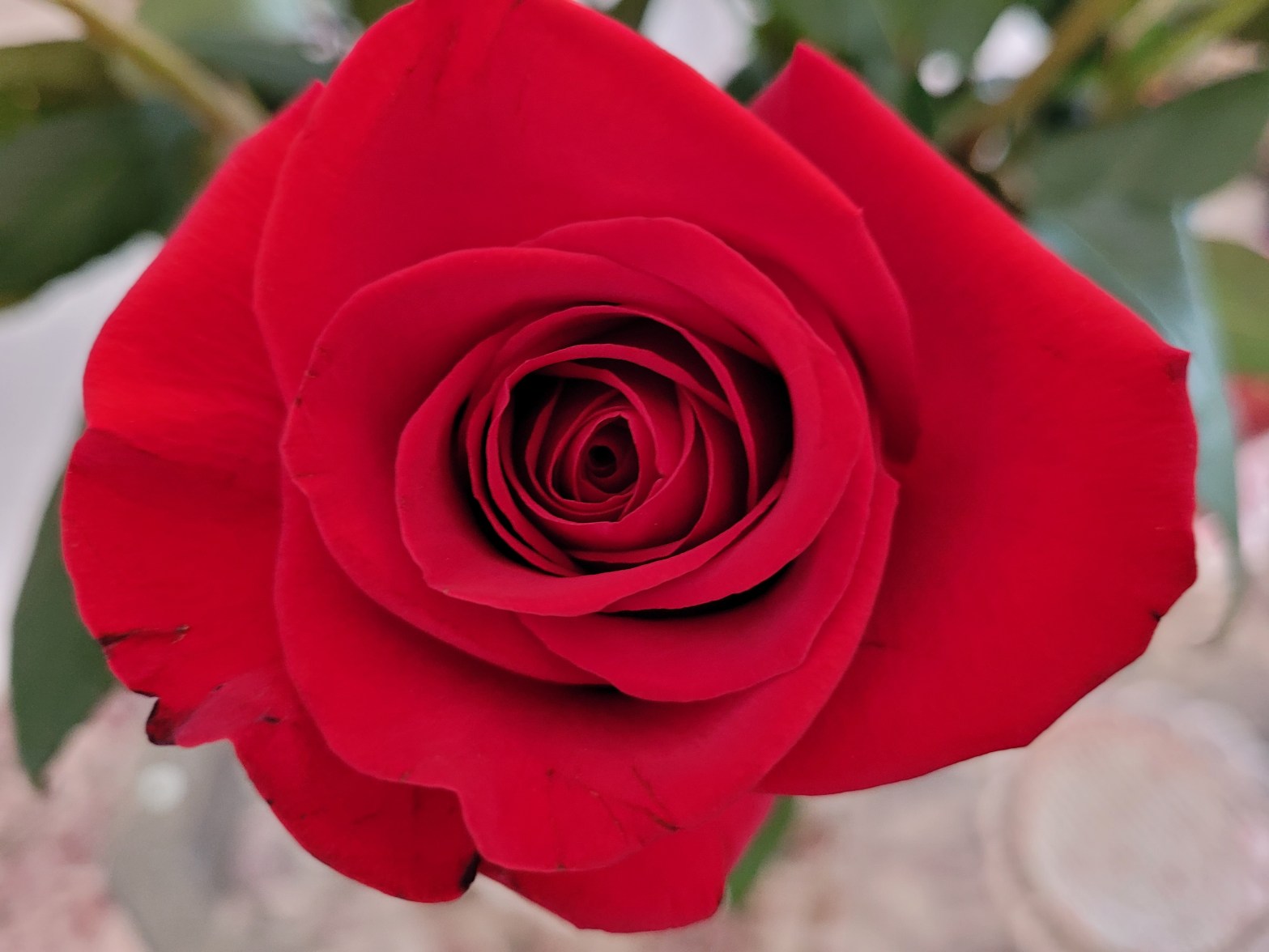
On Wednesday, while her mother was sitting in her arm chair, Sestina went out to prune the old roses off the rose bushes. She knew her mother not only loved flowers, but she loved roses most of all, and Sestina wanted the roses to look perfect when her mother looked out the window. Eight tea rose bushes grew in the redwood planter, a raised bed so that the roses bloomed at the same height as the window. The planter was about six feet from the window so when her mother looked out, she could see the stems wave gently in the breeze and glow in the sun.
The yellow rose bush was the heartiest with big blossoms that bloomed like cabbages. One bush grew lavender roses, medium in size with delicate petals and a hue that took Sestina’s breath away. Four of the bushes bloomed with various versions of red flowers, each a unique shade of red and shaped petals. The two white bushes bloomed with the most flowers, always producing plenty of blossoms so that Sestina could cut some and bring them in the house.
Sestina held the kitchen shears in her right hand and pulled back a single stem from a rose bush, looking for the perfect compound leaf of five leaflets so she could prune the dead rose at just the right angle and place to encourage more growth.
As she made the cut, the daylight intensified into a blaze of light all around her. Insects’ voices grew loud into a hum like a Gregorian chant, and she heard the wind rush under the wings of a swallowtail butterfly who hovered over a rosebush nearby. The butterfly glided toward her, waved its wings close to her nose, and she thought that she heard it whisper, it’s time for her, time for her. Its black face smiled, and its eyes looked deep into hers, speaking wordlessly of love. She heard the breath of the breeze travel through the petals of each rose, and the scissors snapped the rose’s stem like a clap of thunder. She heard the leaves of the lemon tree give birth to new cells and buds of fruit. Then, suddenly, the breaths of the insects and flying creatures, echoes of the growing plants, and pneuma of the wind were silent, and the garden was still.
When Sestina got back to the cottage, she found that her mother had died. Her face was turned toward the open window and her hands were folded over each other like a final prayer.
 Tess Perko's Blog