I fall asleep when it’s dark outside the half-open blinds, when the twilight is burned by the golden street lamps. First, I search for the oversized moon, whose light beams through the slats, and then close my eyes.
When I fall asleep, my dreams are fears about my mother. I tell her that she needs to move to an assisted living facility so someone can help her shower. She says she’s fine. My brothers and sisters can take turns helping her shower, cleaning her house, and cutting the lawn. She’ll pay them $10 an hour.
In the next scene, I’m sitting at my desk, looking at the application for Sunrise Assisted Living and Memory Care. I see one of her doctor’s bills and remember that she needs a TB shot to move into assisted living. I call Mom and ask her to tell her doctor to give her the shot. “I don’t want it,” she says.
I turn over on my other side in bed, and, as I do, I feel my shoulders tense up. My jaw tightens, too, and I fall back asleep.
In the next dream, Mom is sitting in her recliner with the massage pad that she uses to alleviate the pain running down her right leg. I ask her what she wants for lunch. “I’m not hungry,” she says.
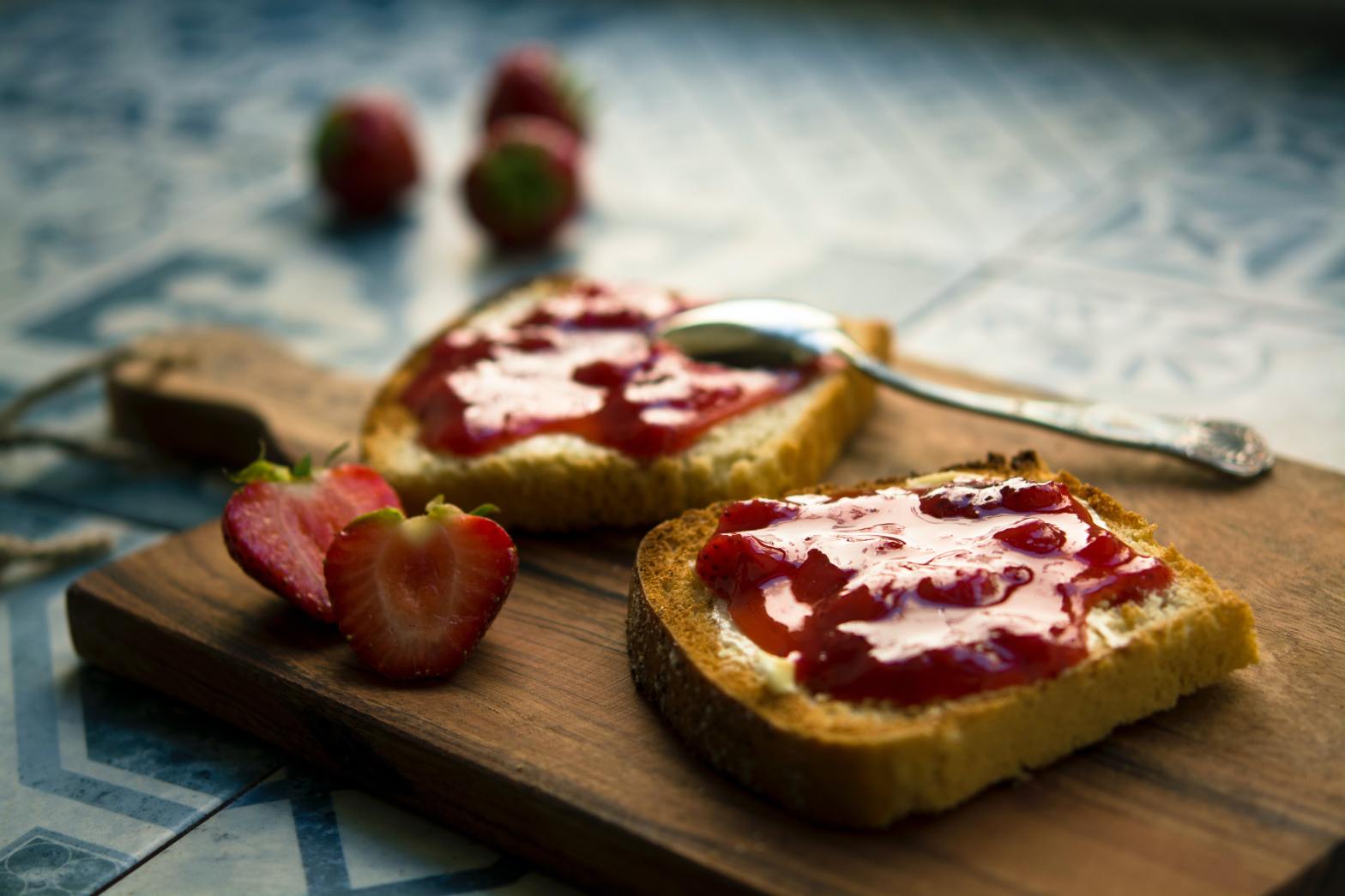
“I’m having a peanut butter and jelly sandwich,” I say. I toast two pieces of the whole grain bread that I have brought her, spread one piece with peanut butter and the other one with strawberry jelly.
“Cut me a quarter,” she says. I cut the sandwich into four pieces like she did for me when I got home from Kindergarten. When I was five, it took me half an hour to eat those little four pieces, and my mother prompted me over and over again until they were gone.
Mom takes the little quarter sandwich that I hand her and nibbles on it in her chair. Nibbles. By the time I have eaten my part of the sandwich, a banana, and a bottle of water, she has finished her single quarter and is licking her fingers.
I flip over onto my other side. The pillow that I have bunched up beside me on this side is a little firmer and feels better between my knees.
My mother says, “I need to take my pills.”
“You just took them ten minutes ago,” I reply, wondering what happens when I am not watching her. The pill bottles cluster like condiments in the middle of her round dining room table.
Dawn peeks through the blinds, and I think about my mother as the light grows brighter over the distant mountains. I know she’s scared to go to sleep in her empty house. She won’t use the stove because she can’t read the numbers on the dials anymore; instead, she buys packaged meals high in sodium and low in nutrients to warm up in the microwave. Or, she doesn’t eat because she says it’s not fun to eat alone.
My brother Joe cuts her lawn every week on his day off. Don blows the millions of leaves into piles and puts them into the two big garbage cans on Saturdays. Margaret sorts her pills into daily am and pm doses on Sundays after she has graded papers for her second-grade class. And somebody has to scrub the floors, clean the bathrooms, put the washed sheets back on her bed, make sure she has groceries in the house. I live two hours away.
Twenty years ago, she asked me to take over if she couldn’t make decisions. Now, she asks, “Who gave you the right to run my life?”
I swallow hard, looking around for the back door. “You did, Mom. Look, you took good care of your children for years, and now it’s my turn to take care of you.”
“I don’t want to leave my house and be cooped up in a home.”
“I get that, Mom. But, if you live at Sunrise, you can still go to church, go shopping, see your friends, do anything you want. You won’t have to cook or worry about when to take your pills. Also, three of your friends live there. You can see them every day.” How do I get my mother from living alone in her big house to feeling safe and happy at a place where someone can take care of her?
Back in bed, I swing my legs off the side, grab my robe, and scour my memory. What did my mother say to get me to eat that Kindergarten sandwich, one small quarter at a time?
 Tess Perko's Blog